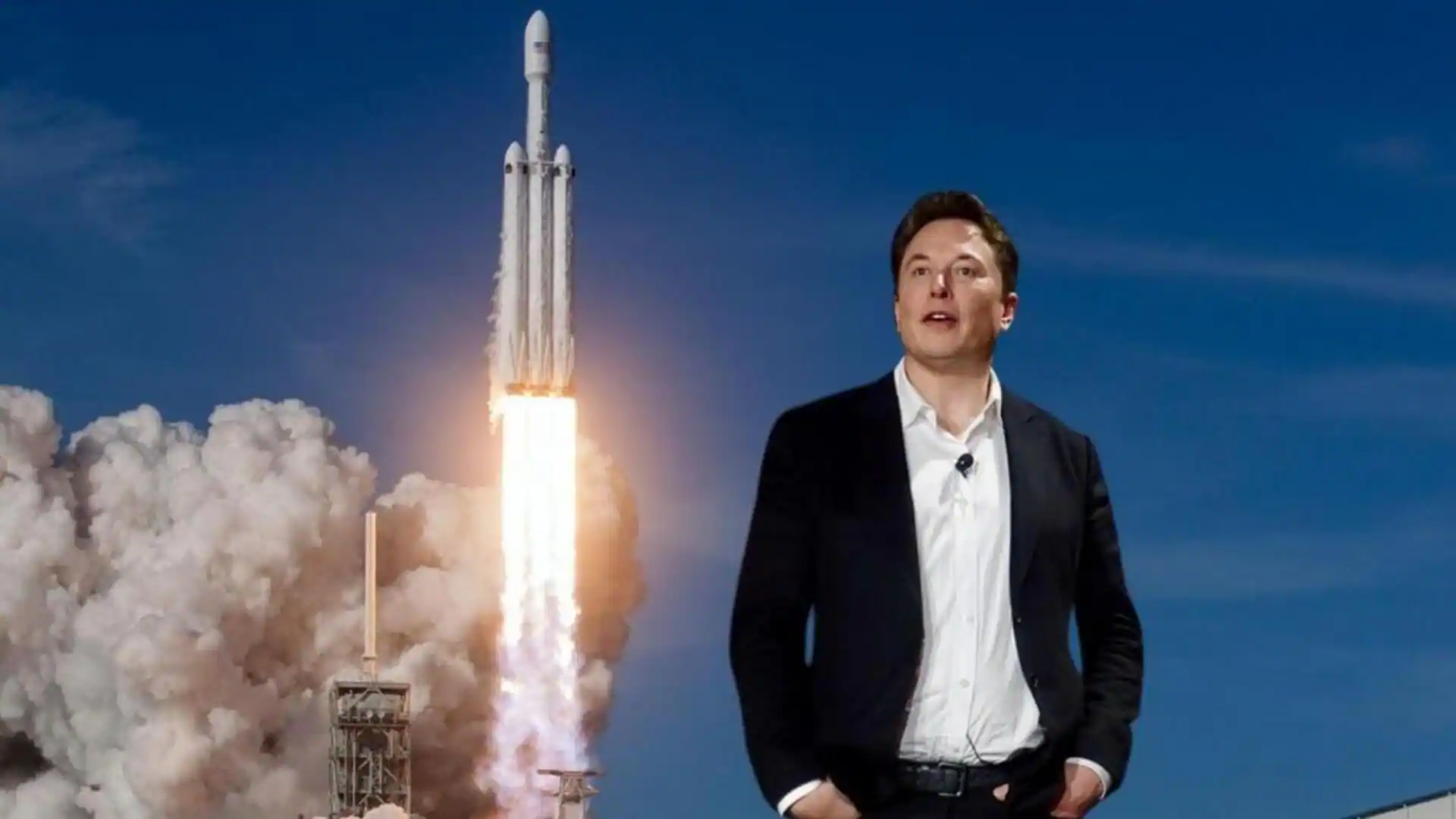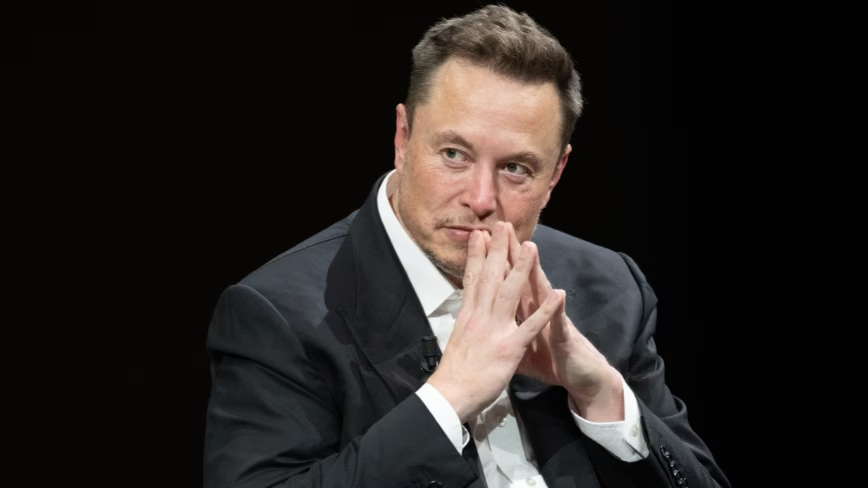
Two days after taking SpaceX public in the largest stock-market debut on record, Elon Musk said the company could be earning roughly $1tn a year by 2030, and probably more in 2031.
He made the claim on X over the weekend, as Reuters reported, with the stock still settling after a debut that valued the rocket maker at more than $2tn.
The figure is large even by the standards of a founder given to large figures. SpaceX reported $18.7bn in revenue for 2025, against a loss of $4.9bn, in the filings prepared for the listing. Getting from there to $1tn in five years implies a fifty-fold expansion. No company of SpaceX’s size has grown at anything close to that pace.
The banks that took the company public do not see it either. Goldman Sachs put 2030 revenue at about $474bn, with a large share coming from a satellite-borne AI business. Morgan Stanley landed near $330bn for the same year, reaching $3.4tn only by 2040. Musk’s number for 2030 is roughly double the more bullish of the two underwriters’ estimates.
Where the growth is supposed to come from is, by every account, Starlink and the satellite-AI ambitions stacked on top of it, rather than launch.