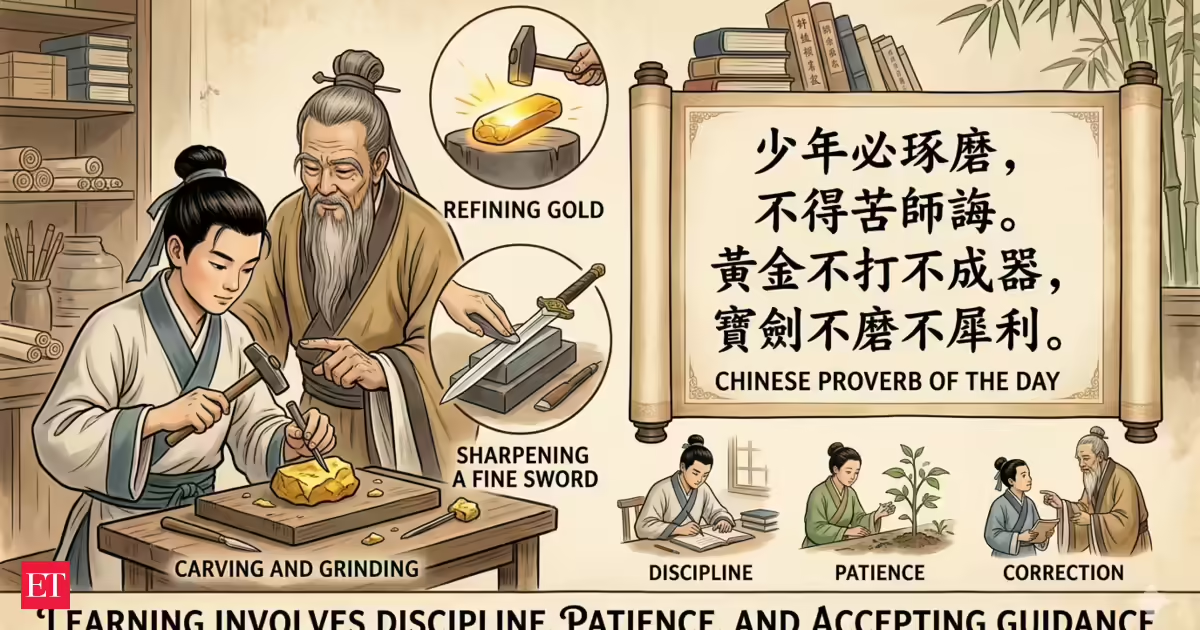
Humility and a low profile have long been considered virtues in China. But lately, it has become increasingly difficult to suppress a sense of pride in the country's progress over the past decades. At least, that was the consensus reached by journalists attending the same interview as me the other day.
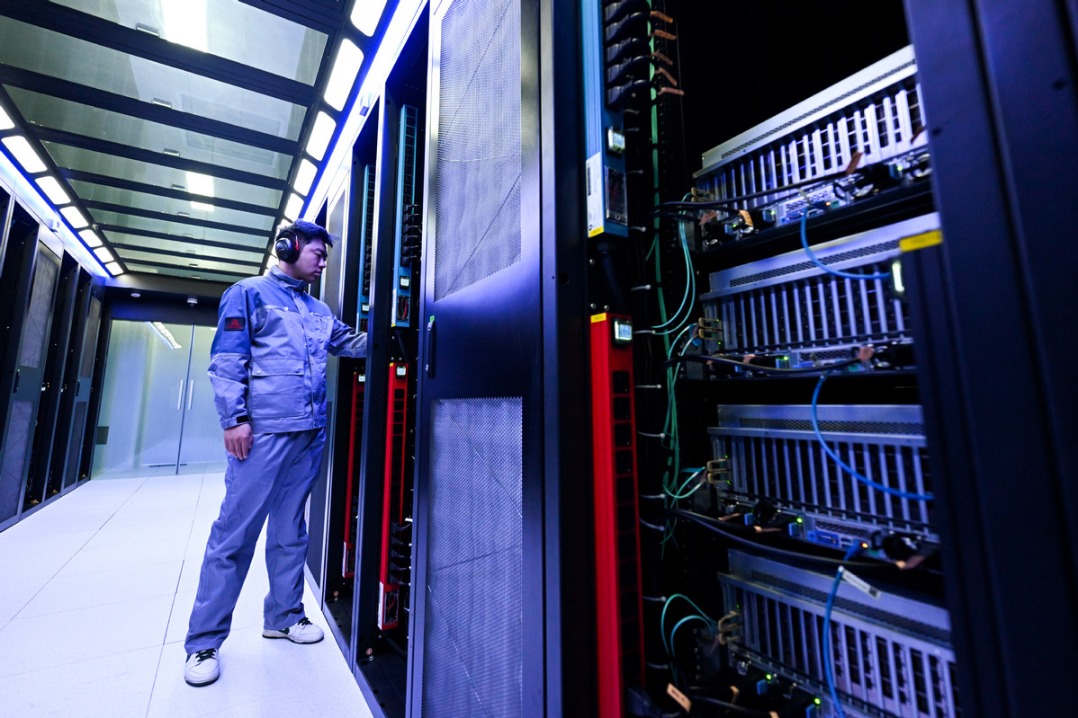
While the Chinese have kept their heads down for decades, diligently catching up with mature markets, we have quietly taken the global lead in telecommunications, new energy and artificial intelligence. We are no longer exporting just low-value-added products like textiles or toys; we are exporting innovative business models. Adding to this is the world's most complete manufacturing supply chain, the largest pool of engineering talent and, of course, an unmistakable reputation as an infrastructure giant.
All these have helped China's economy gallop along for years. Yes, economic growth has slowed — a natural consequence after decades of double-digit expansion. But beneath the surface, something more fundamental is underway. The country is holding its head higher, looking further and reaching into frontier industries: space, quantum computing, brain-computer interfaces and beyond.
This shift is rooted in a solid conviction: technology will be the ultimate variable driving China's economic growth. Given the country's already massive economic scale, the marginal contribution of additional capital and labor is naturally diminishing. The future, therefore, belongs to productivity — and productivity comes from innovation.