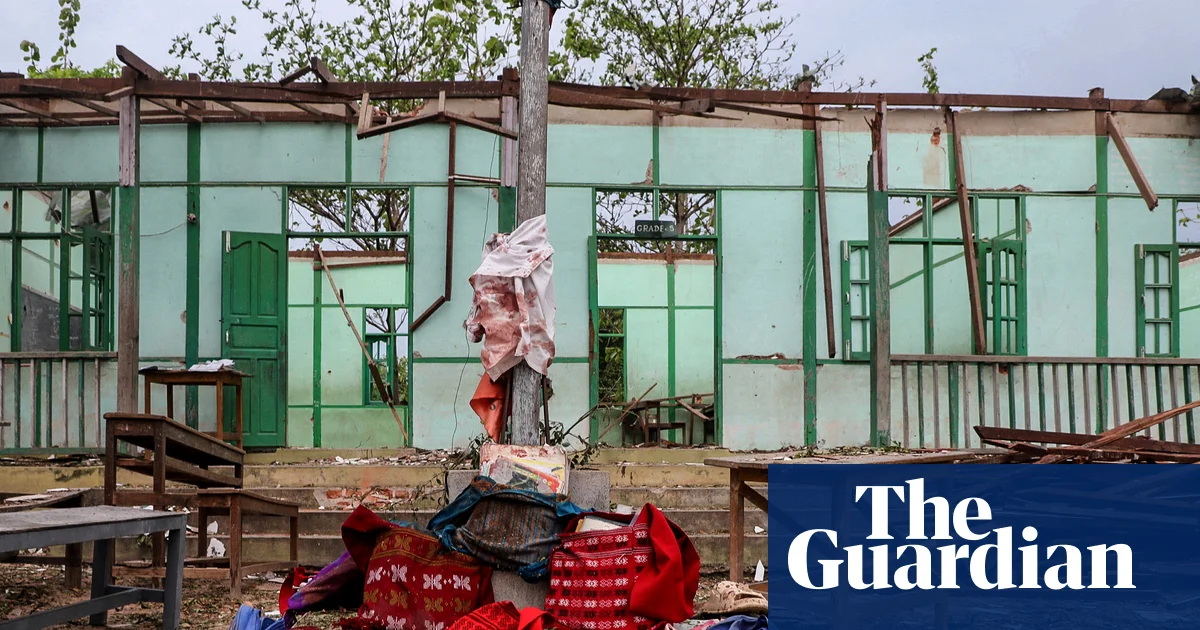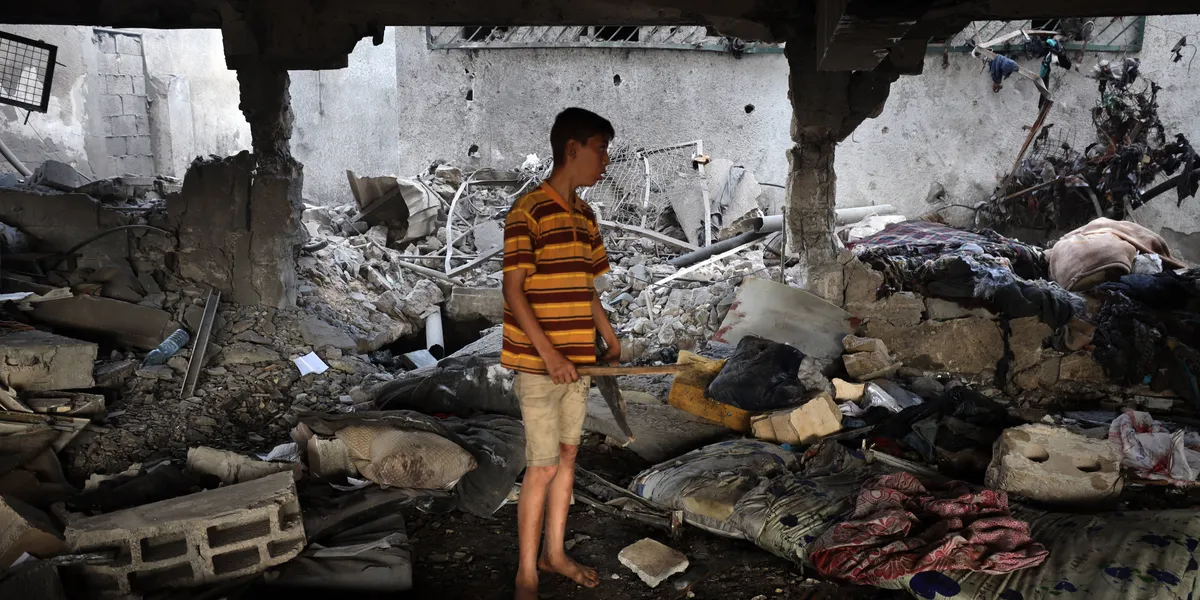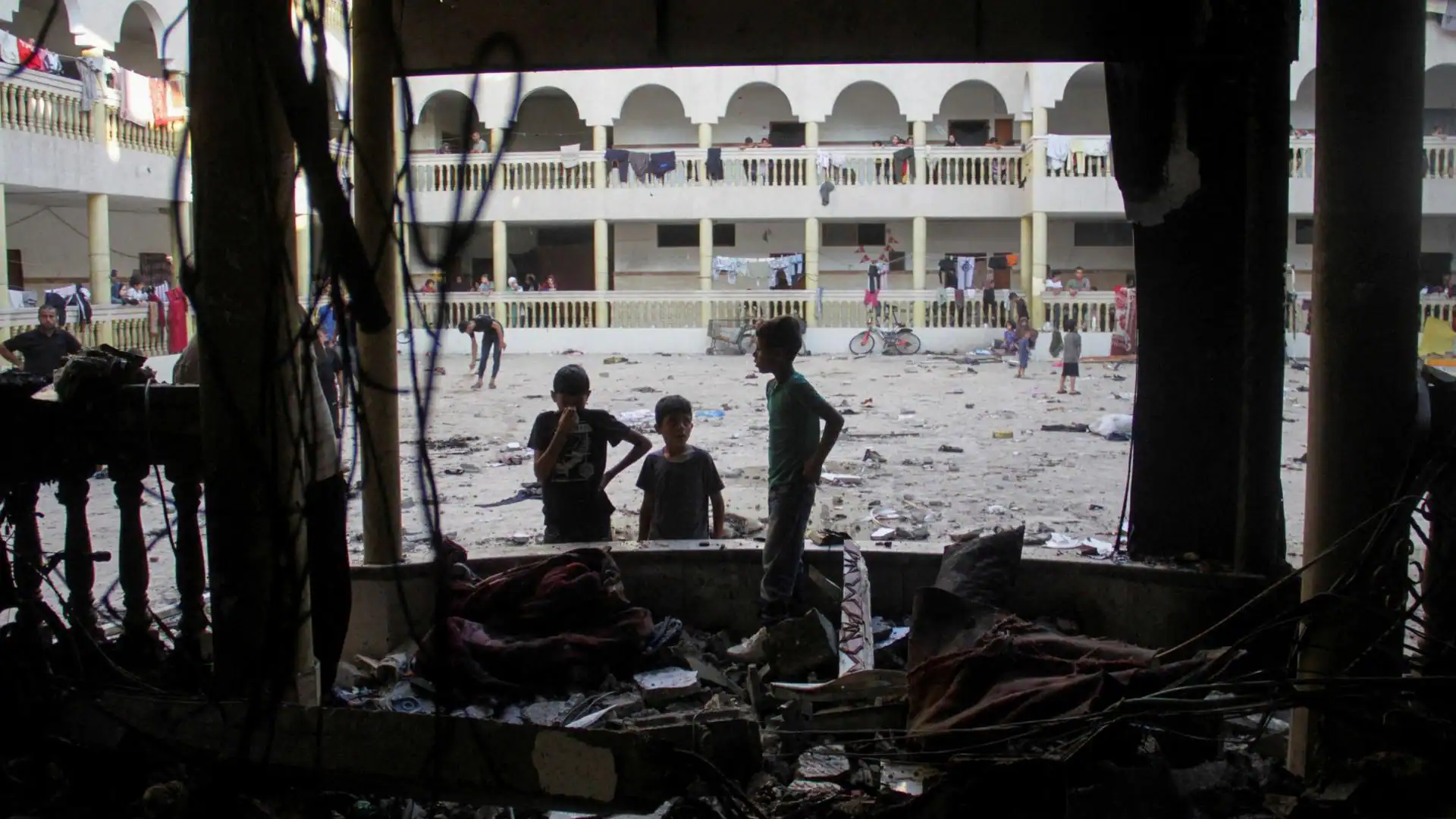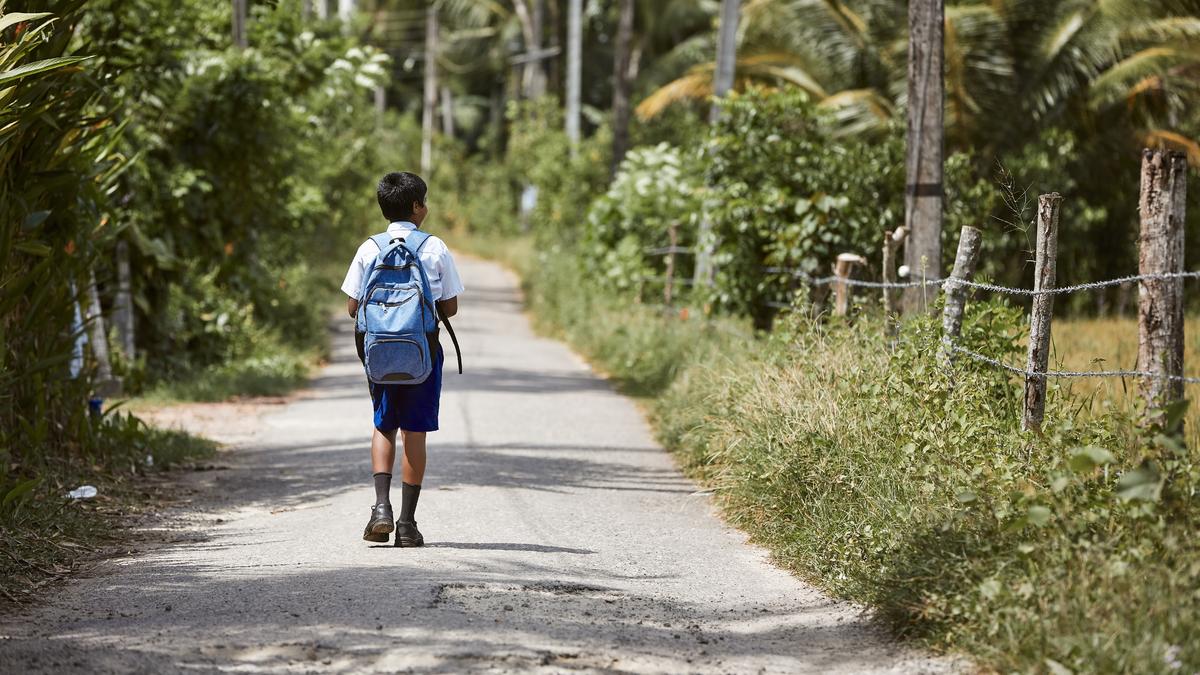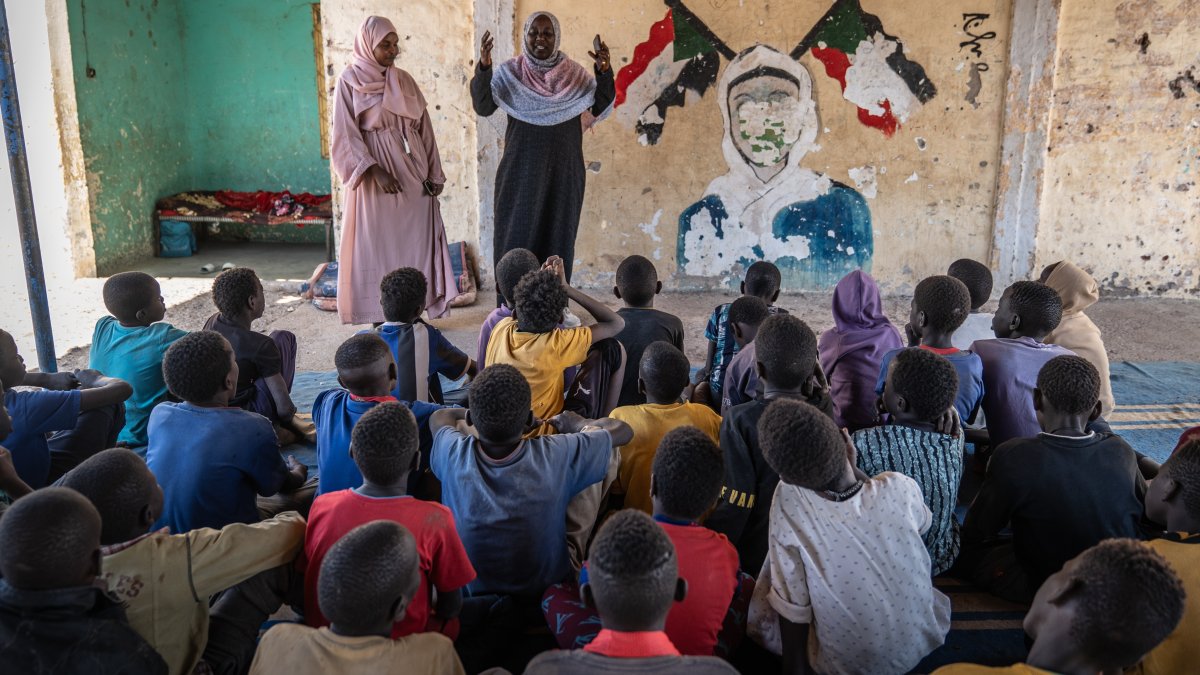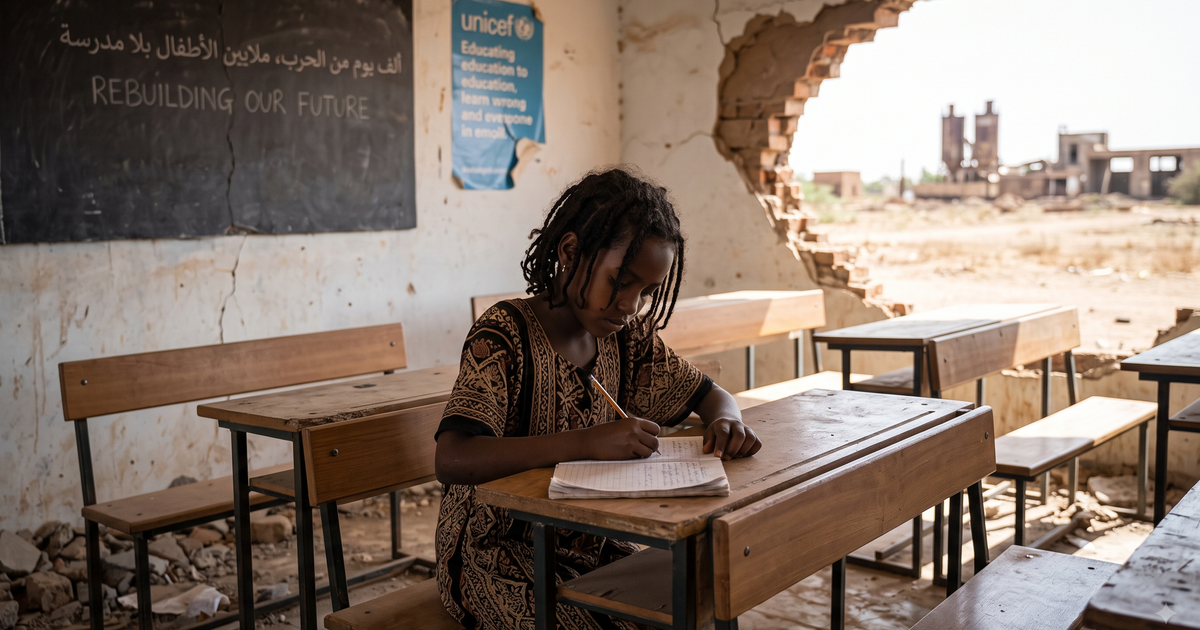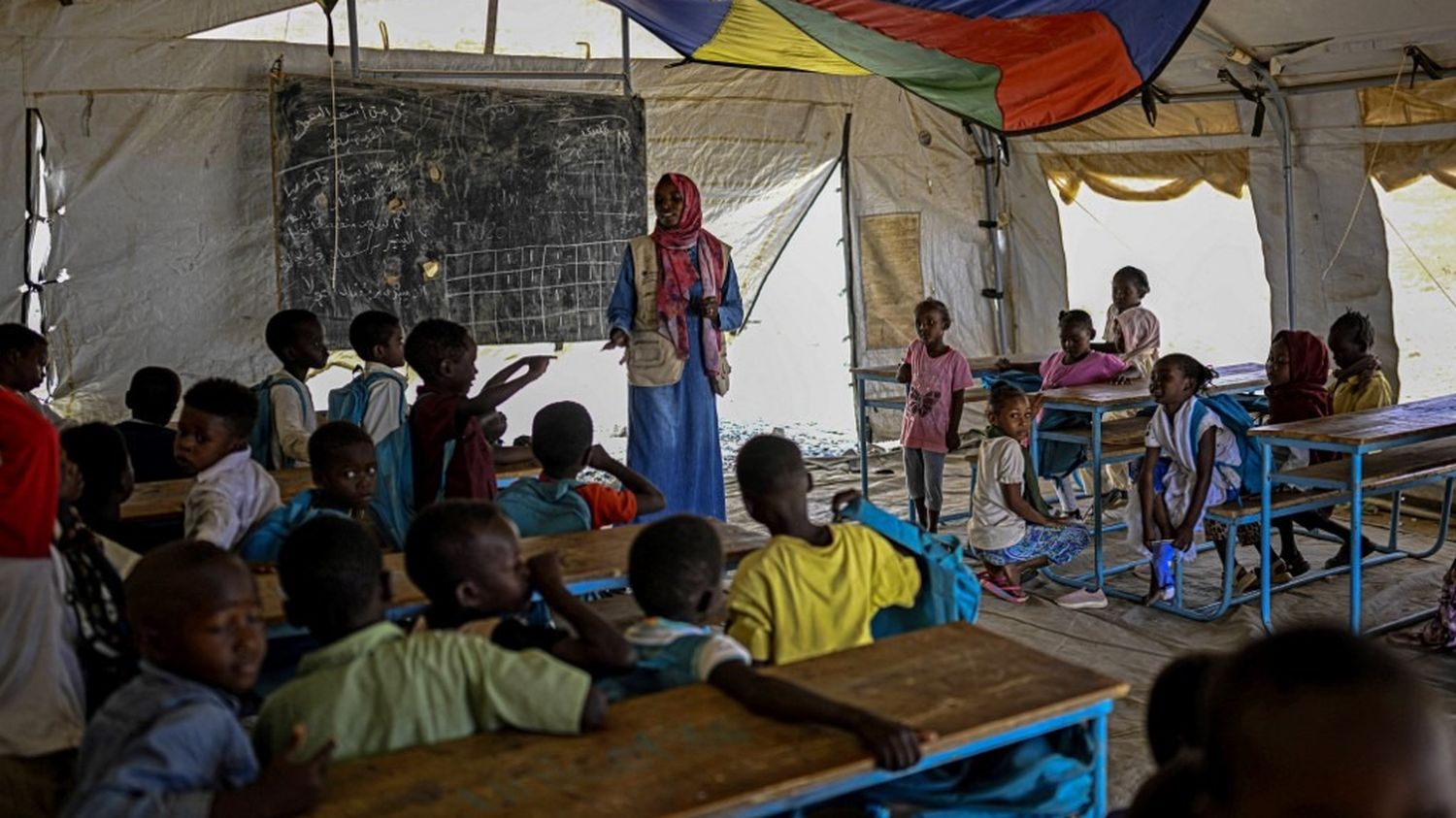
According to Unesco, around 250 million children (16%) globally are out of school although they are of an age to be at school in their countries. Available evidence suggests that out-of-school numbers are extremely high in conflict-affected countries, though the exact number is hard to quantify. For example, in the Central African Republic, South Sudan and Eritrea, more than 50% of primary school-age children are not going to school.
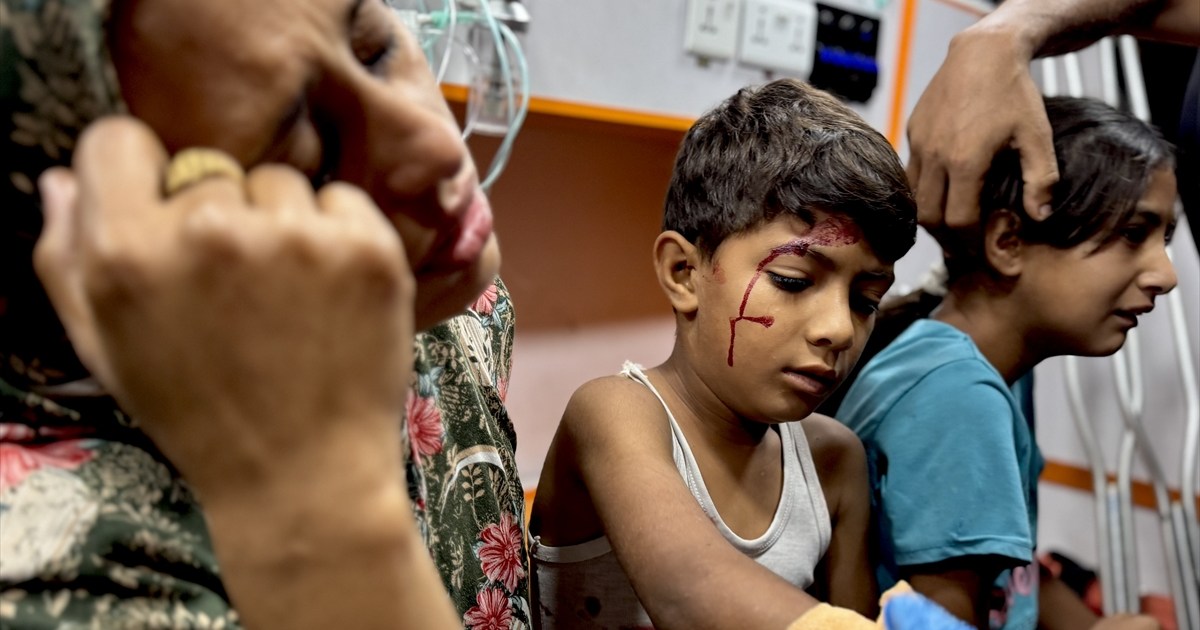
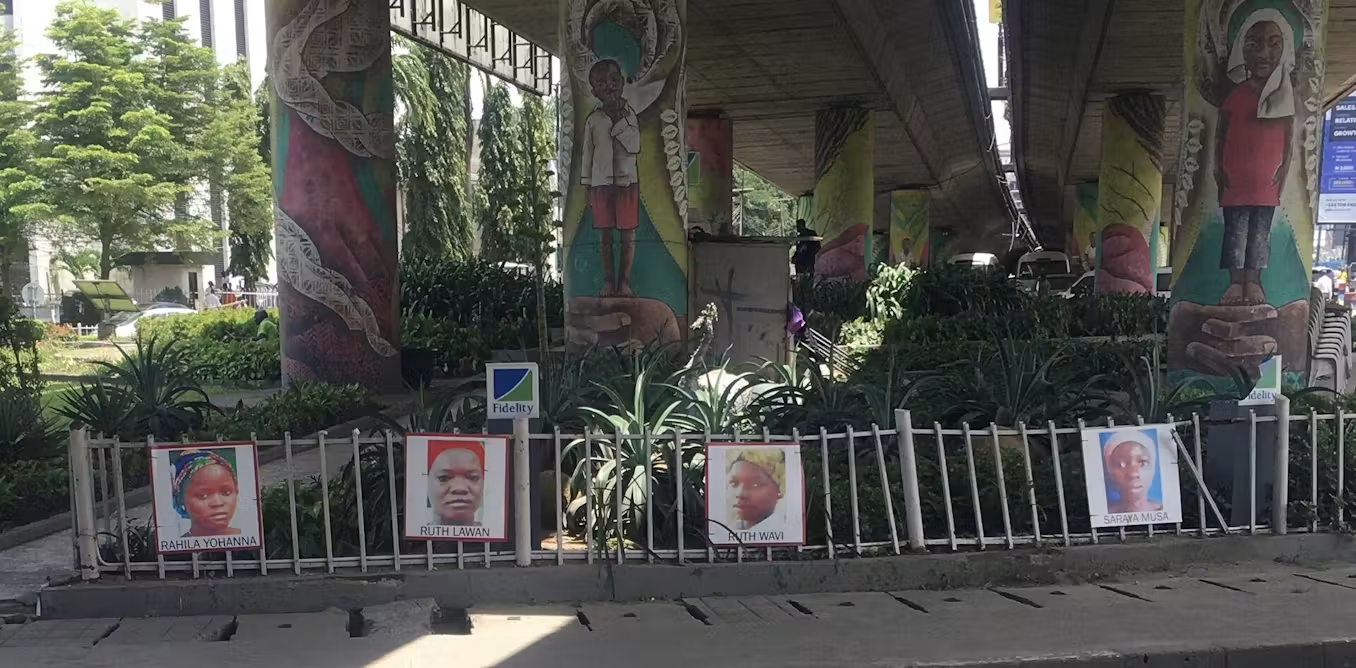
Research has long shown that conflict disrupts education. But armed groups do not all operate in the same way. Some use tactics that directly target children, such as recruiting child soldiers or committing sexual violence against minors. These tactics do more than create general insecurity. They directly threaten children’s safety and wellbeing.
We are a group of researchers who work on understanding the human consequences of conflict. In our recent publication on warfare’s impact on schooling, assessing 30 sub-Saharan African countries, we argue that this distinction between general violence and child-targeted tactics is key to understanding school enrolment decisions.
When children are targeted by armed groups, parents and caretakers reassess safety and the risk that they are willing to take. In some cases, schools may no longer be seen as safe spaces, and the risk of sending children to school, especially younger or more vulnerable children, can feel too high.