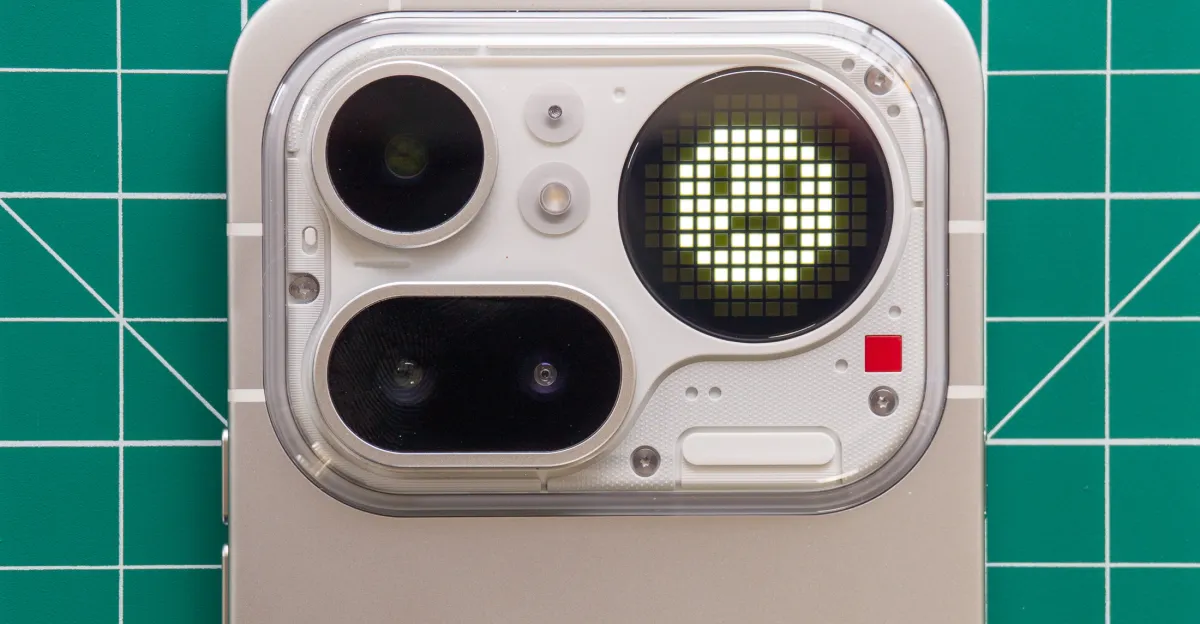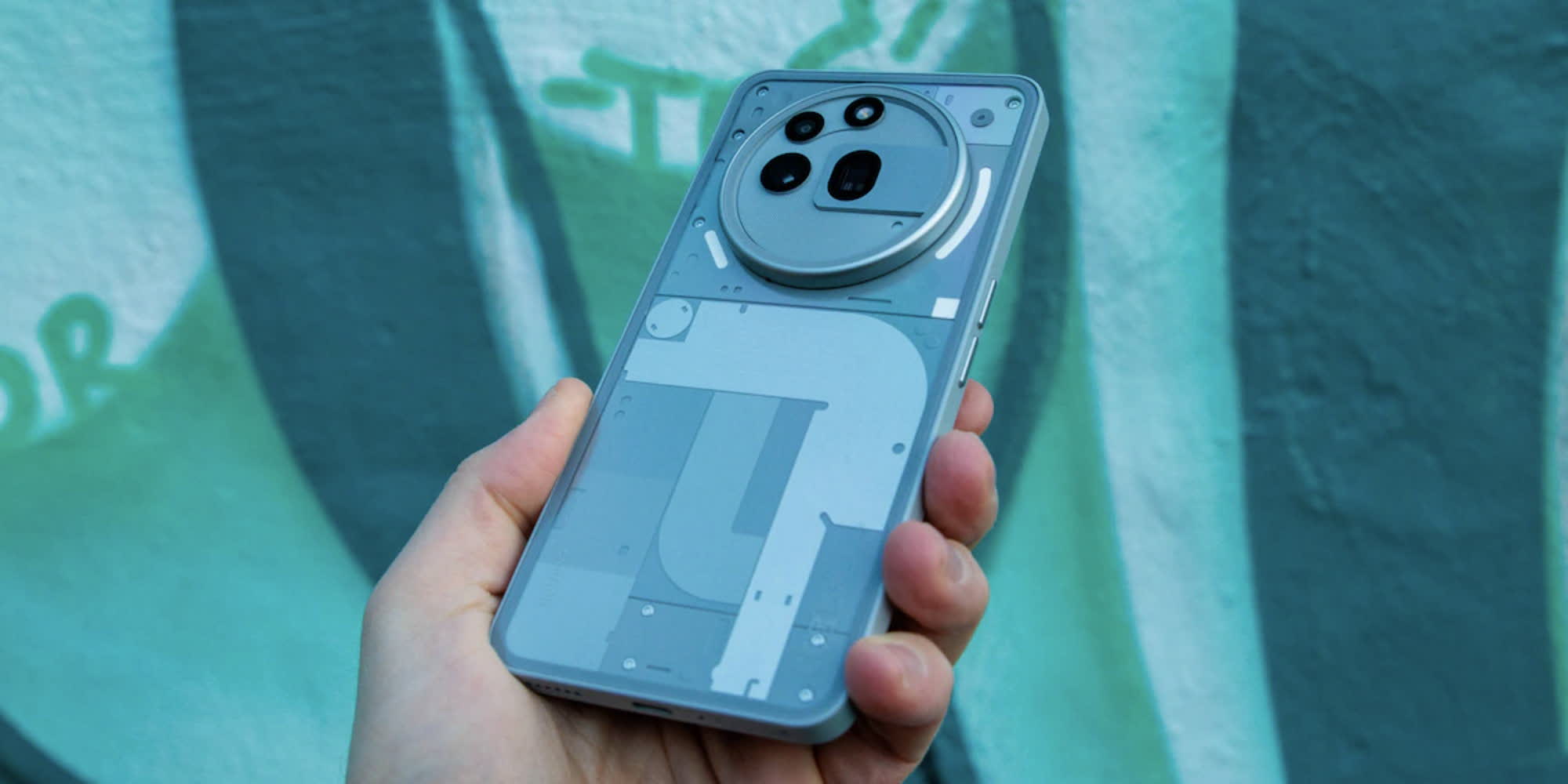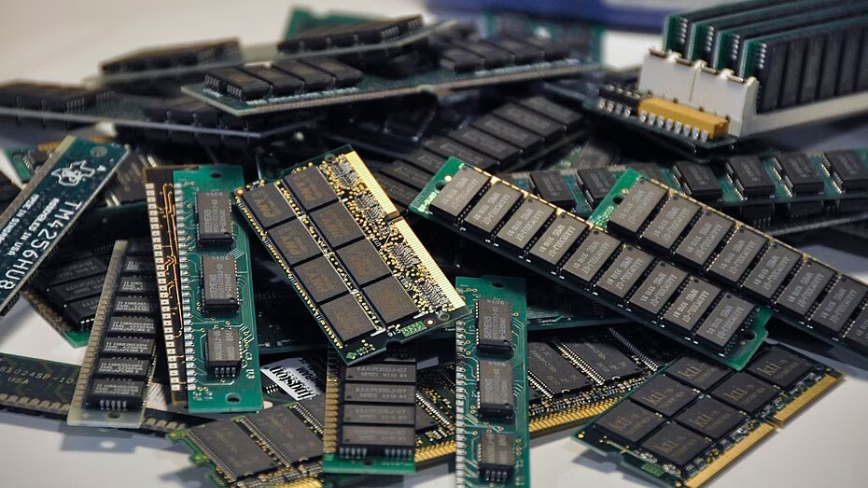
Photo credit: X/@getpeidCarl Pei has a blunt message for anyone holding off on a new phone: buy now. The Nothing chief executive used a post on X to warn that smartphone prices will keep climbing through 2026, and that this year's sale season will spare buyers the discounts they have come to expect. His reasoning rests on a single component memory. A shortage of the DRAM and NAND chips that phones use for RAM and storage has driven their prices up, as AI data centres soak up the supply. The best time to upgrade, Pei said, "was yesterday".Memory is now the costliest part of a phonePei's central point reframes how a phone's cost breaks down. Memory once sat behind the processor, display and camera on the bill of materials. Now, he said, it can account for more than half of a phone's hardware cost, ahead of every other part. He pointed to Nothing's own Phone (4a): memory costs doubled between the decision to build it and its launch, then doubled again within months. Across the industry, contract prices tell the same story. Memory metricMoveSourceConventional DRAM contract price, Q1 2026+90–95% QoQTrendForceNAND Flash contract price, Q1 2026+55–60% QoQTrendForceDRAM and HBM chip prices, Q1 2026Nearly doubled QoQCounterpoint ResearchDRAM price rise forecast, 2026~130% YoYGartnerSub-$200 smartphone BOM, 2026 to date+20–30%Counterpoint ResearchWhy AI is the reason your phone costs moreThe cause traces back to artificial intelligence. Training and running large language models need vast amounts of high-bandwidth memory, and the firms building AI data centres have locked in capacity years ahead. Memory makers, chasing higher margins, have shifted wafers toward server-grade HBM and high-capacity DDR5, which leaves less for the LPDDR5X and NAND that phones use. IDC frames it as a zero-sum trade: every wafer that goes into an HBM stack for an AI accelerator is a wafer denied to a mid-range phone. Counterpoint's Tarun Pathak put the pecking order in plain terms, saying memory suppliers are telling phone vendors to "stand in line behind the hyperscalers". The squeeze lands hardest at the bottomThe pain is uneven. For a flagship, memory runs about 10 to 15 per cent of the bill of materials; for a mid-range phone, 15 to 20 per cent, which leaves budget brands the least room to absorb the rise. TrendForce expects global smartphone output to fall about 10 per cent this year, and brands to raise prices and trim specs at once, with base models drifting back to 4GB of RAM. IDC's Nabila Popal has described the shift as a structural reset of the market rather than a passing dip, and warned that the cheapest tier could turn uneconomical even once prices steady around mid-2027. Pei, for his part, says Nothing will raise prices and that the era of annual spec bumps at flat prices has ended. Why India feels it firstIndia sits in the path of this because its market skews to the phones under most pressure. The bulk of sales fall under Rs 20,000, where memory is a heavy share of the build cost and margins stay thin. Pei's sharpest warning speaks straight to this market: he expects entry and mid-tier segments to shrink by a fifth or more, and the brands that have long ruled them to struggle, as the budget-brand promise of more specifications for less money stops adding up in 2026. The price moves are already on the board. Techarc data shows average smartphone prices in India rose 7.9 per cent across the first five months of 2026, with the steepest jumps at the bottom phones under Rs 10,000 up 17.6 per cent, and the Rs 10,000 to Rs 20,000 band up close to 14 per cent. Counterpoint has tracked rises of 10 to 20 per cent across some Android portfolios since January, and the sub-Rs 15,000 segment is where 4GB base variants and trimmed storage are most likely to return. The festive sales that Indian buyers count on carry the same caution. Pei told shoppers to expect thinner discounts at this year's big online events, since memory shortages give brands less room to cut. Exchange deals, bank offers and financing look set to stand in for the steep festive reductions of past seasons. For anyone whose phone is near the end of its life, the maths now favours buying while older, cheaper stock lasts. How long the crunch lastsThe timeline offers little comfort. Analysts at TrendForce, IDC and Counterpoint expect prices to peak in late 2026 before easing, yet a return to 2024 levels looks distant before 2028. Memory fabs cost billions and take years to build, so fresh supply takes time to arrive even as every maker rushes to add it. The phone industry spent a decade pushing flagship features down to budget prices. That direction has now reversed, and the bill is landing on the buyer. FAQsWhy are smartphone prices rising in 2026?Memory chips DRAM for RAM and NAND for storage have become much more expensive, as AI data centres absorb supply and memory makers prioritise high-margin server parts. Memory can now make up more than half of a phone's hardware cost. In India, Techarc data shows average prices already up 7.9 per cent in the first five months of 2026, with the budget tier rising fastest.What did Carl Pei say?The Nothing CEO warned that phone prices will keep rising through 2026 and that this year's sales will skip the deep discounts buyers expect. He cited Nothing's Phone (4a), where memory costs doubled during development and again after, and said increases could exceed 30 per cent.How is AI causing the shortage?AI servers need high-bandwidth memory, so chipmakers are diverting production toward HBM and high-capacity DDR5 for data centres. That leaves less DRAM and NAND for phones, PCs and SSDs, which pushes prices up across the board.Will festive sale discounts be smaller this year?Most likely. With component costs high, brands have less room to cut prices, so expect exchange offers, bank discounts and financing in place of the steep festive-season reductions of earlier years.Should you buy a phone now or wait?If your current phone is near the end of its life, buying sooner makes sense while cheaper inventory lasts. Picking enough RAM and storage for the next few years can add value, since higher-memory variants may cost more later.When will memory prices come down?Analysts expect prices to peak in late 2026 and ease gradually, though a return to 2024 levels looks distant before 2028, given how long new memory capacity takes to build.end of article
Carl Pei Warns Smartphone Prices Will Keep Rising Through 2026 on Memory Crunch
Carl Pei has a blunt message for anyone holding off on a new phone: buy now. The Nothing chief executive used a post on X to warn that smartphone prices will keep climbing through 2026, and that this year's sale season will spare buyers the discounts they have come to expect. His reasoning rests on a single component memory. A shortage of the DRAM and NAND chips that phones use for RAM and storage has driven their prices up, as AI data centres soak up the supply. The best time to upgrade, Pei said, "was yesterday".
1,080 words~5 min read