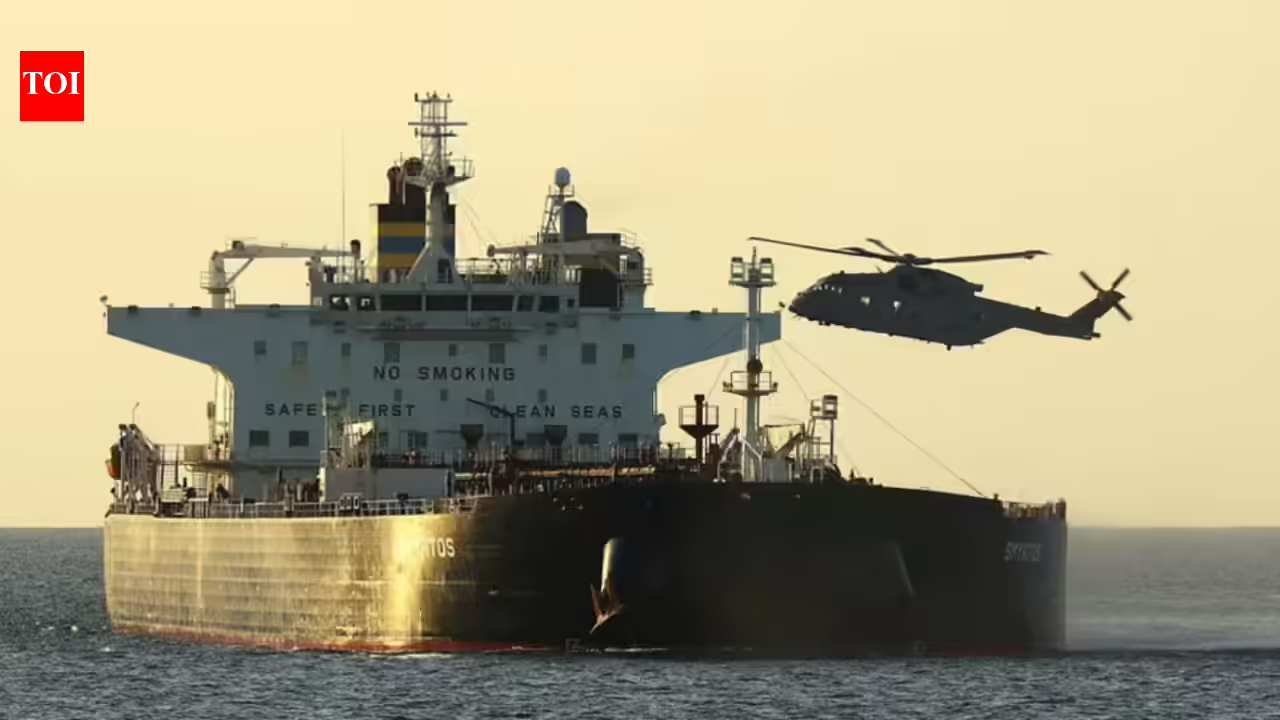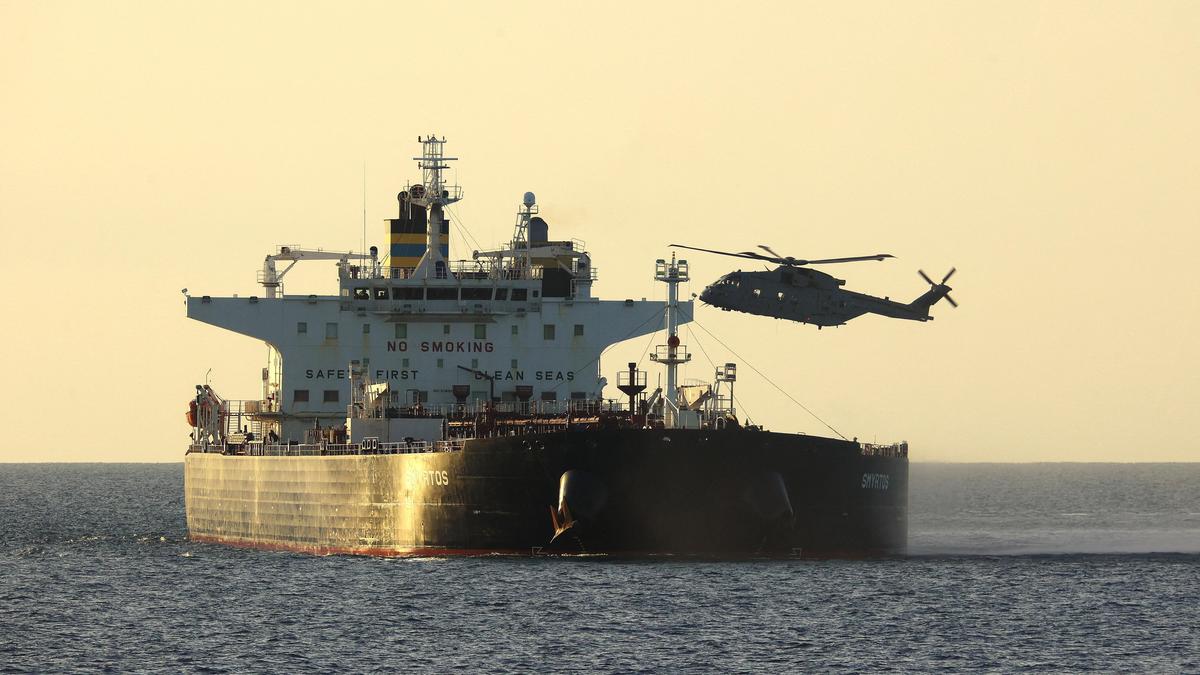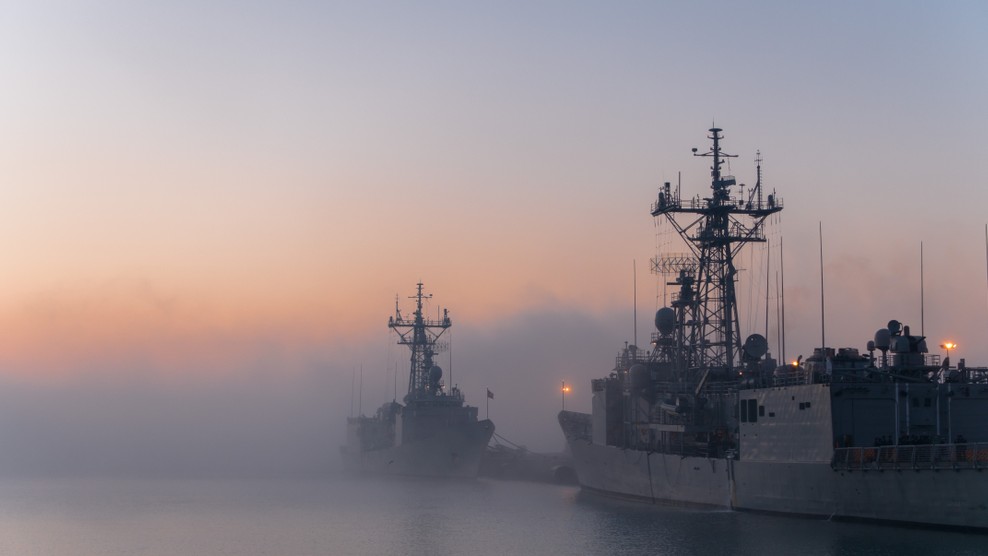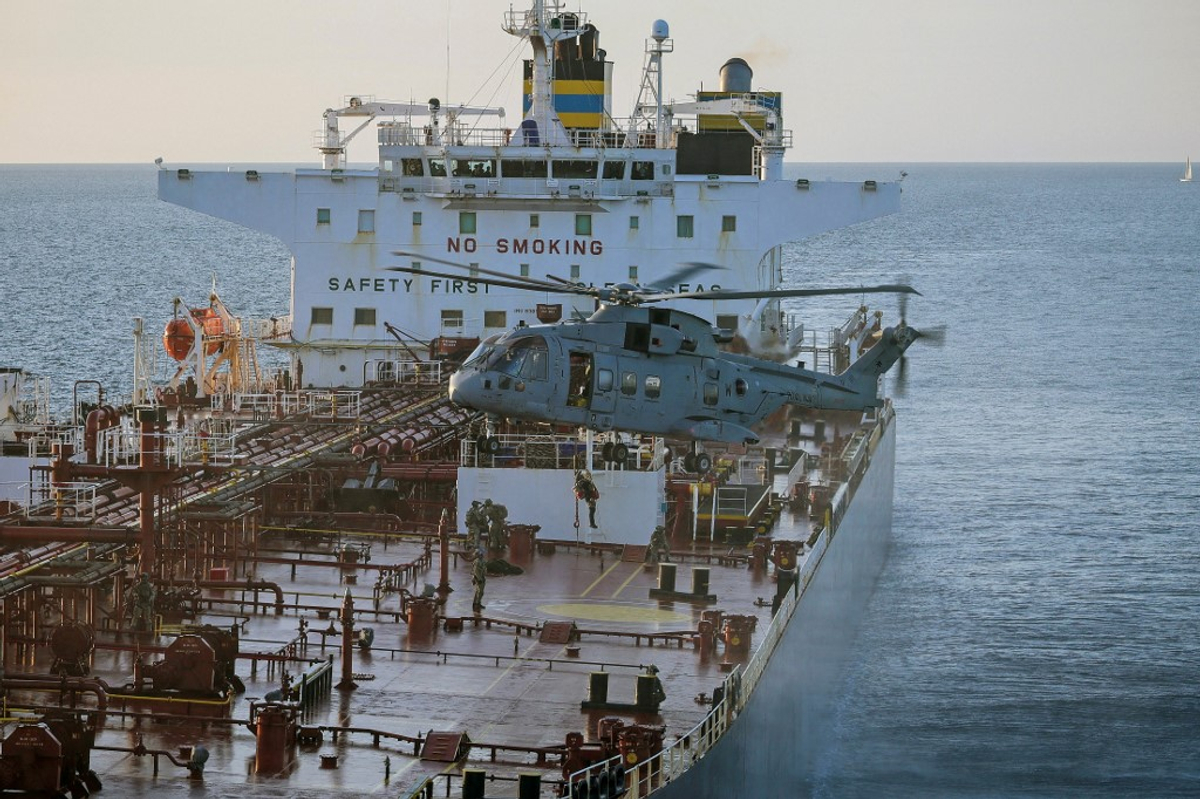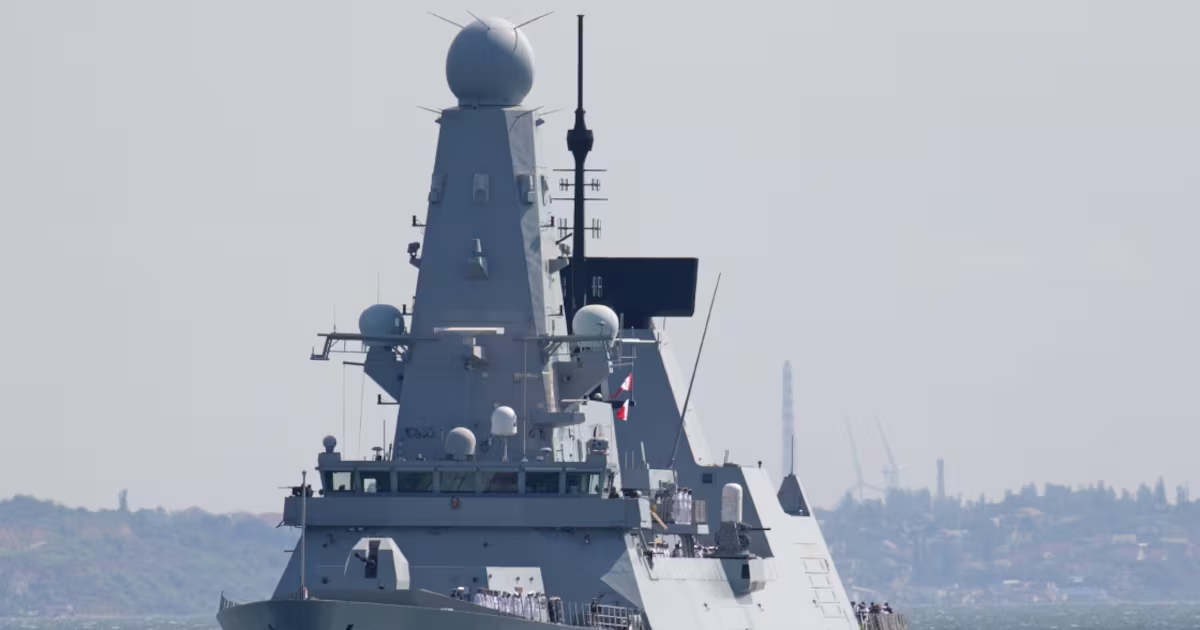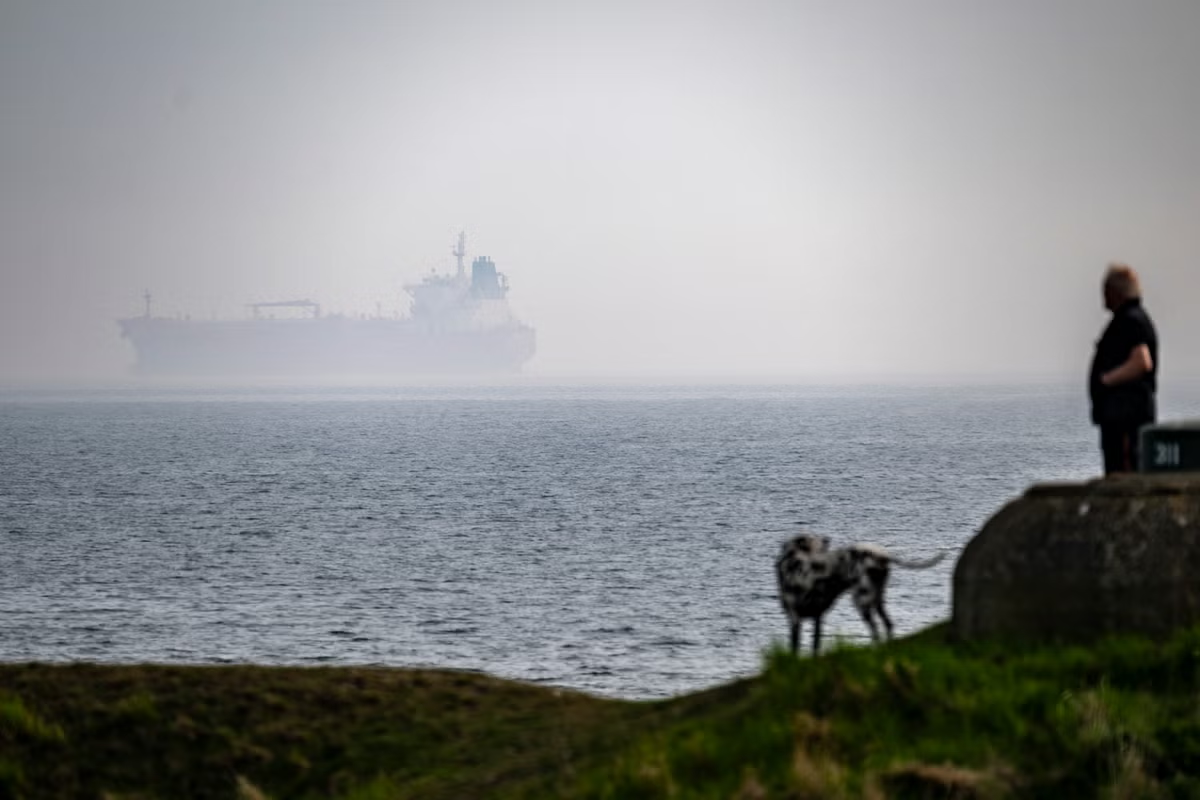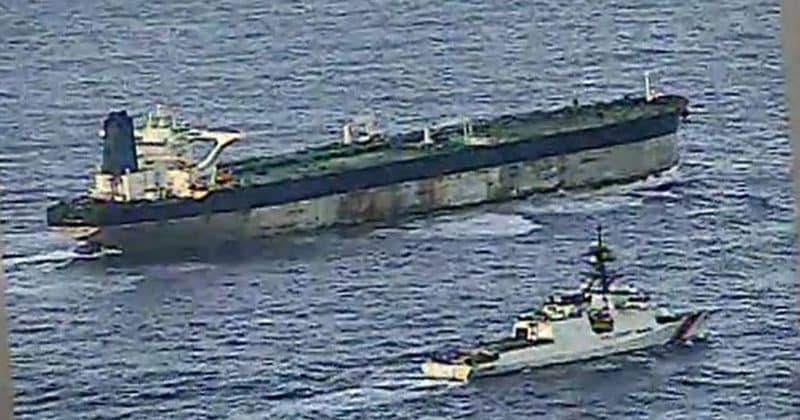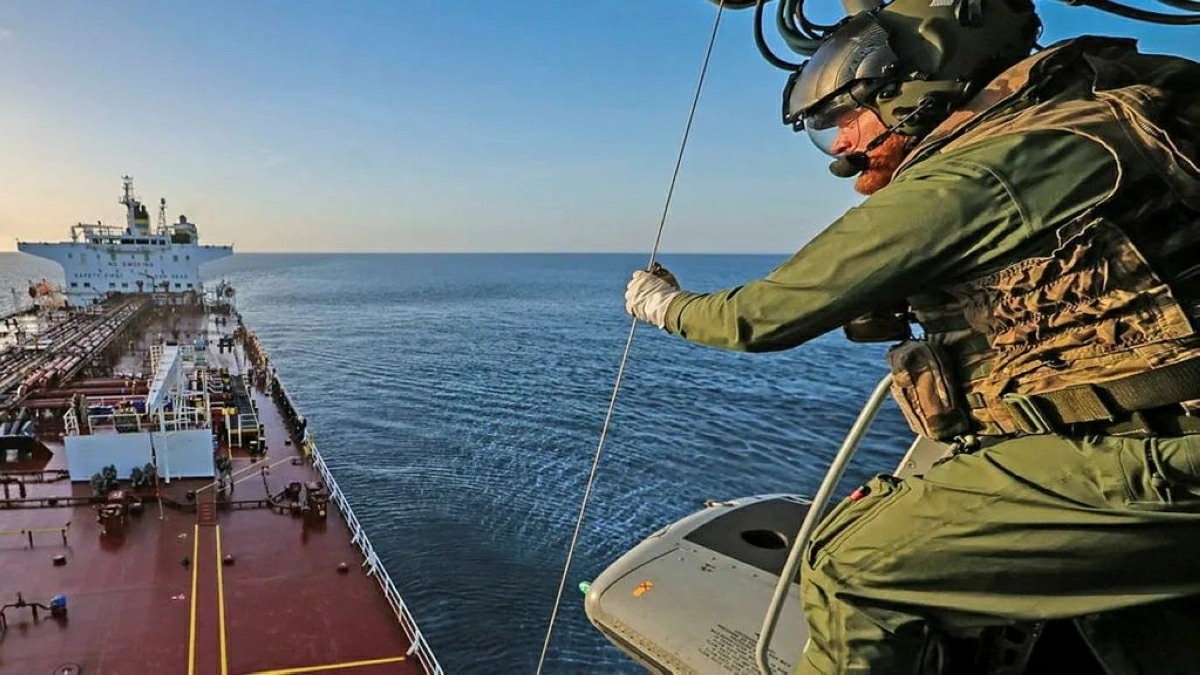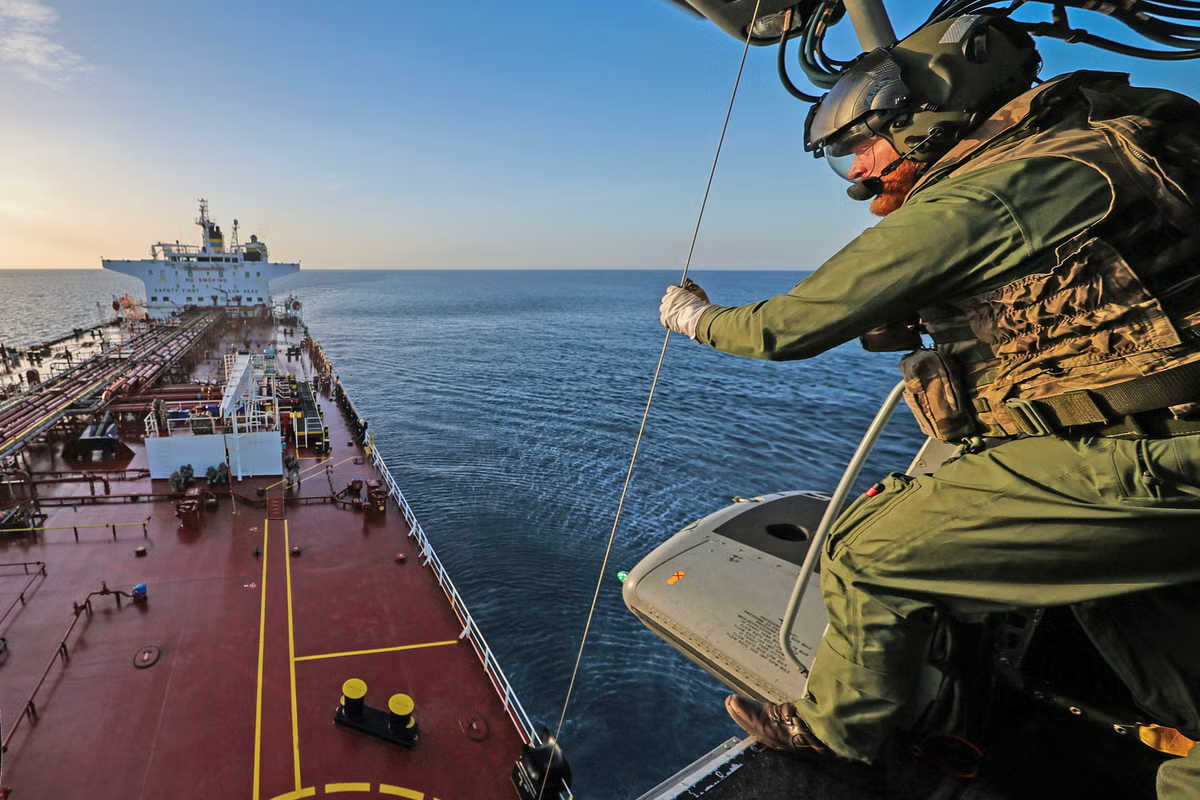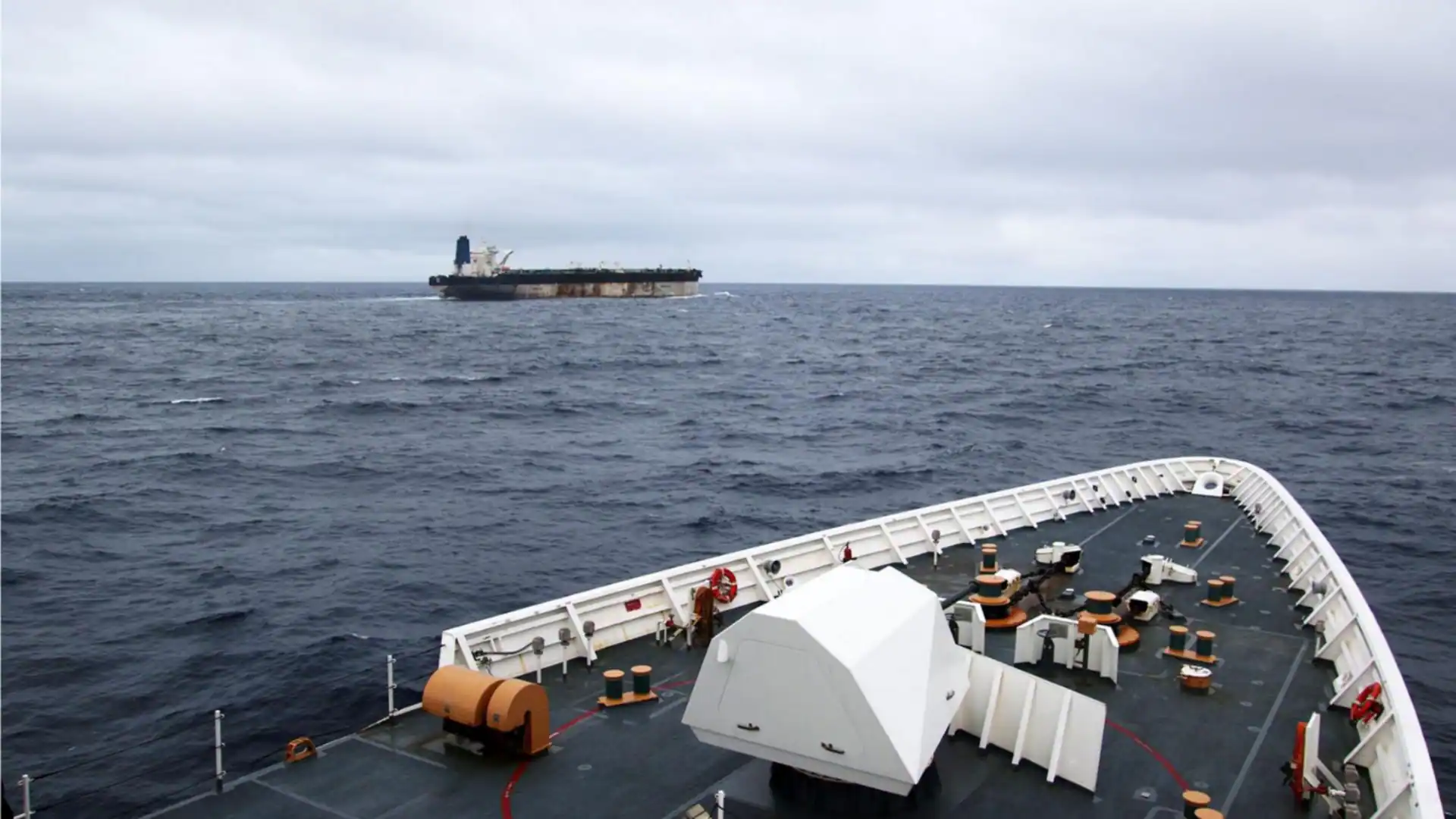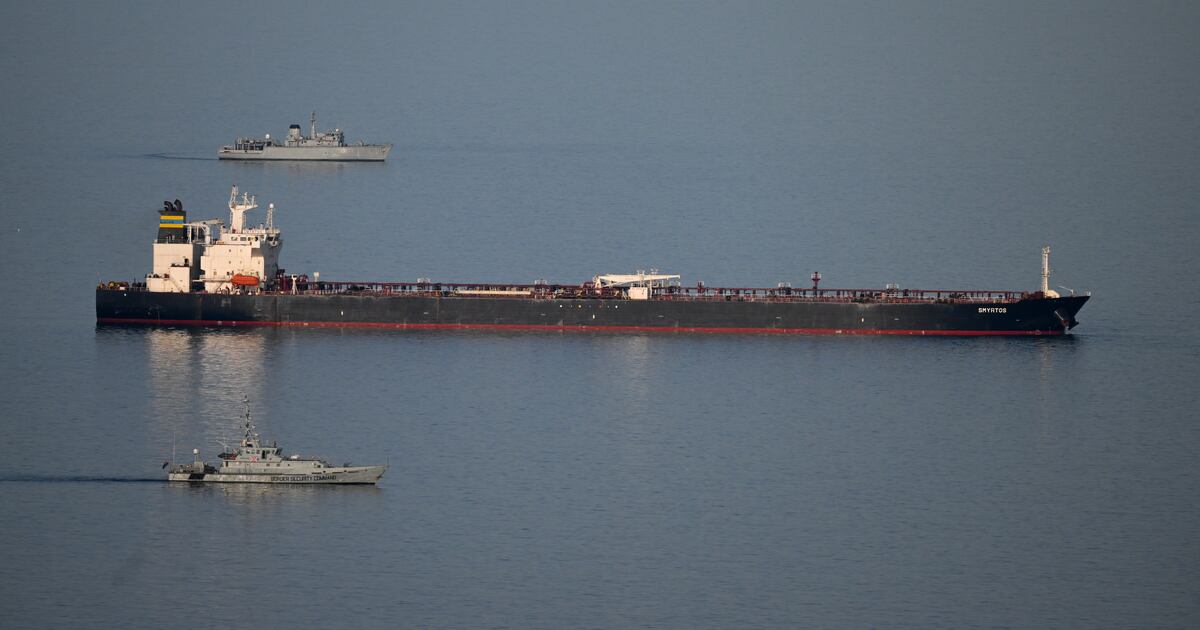
An Indian citizen has been arrested after British armed forces intercepted a Russian shadow fleet vessel in the Channel early on Sunday, the National Crime Agency (NCA) said.The Ministry of Defence said Royal Marine commandos and specially trained law enforcement officers from the NCA boarded an oil tanker during a six-hour operation – the first UK-led operation of its kind. The vessel had been placed under sanctions.The operation was supported by aircraft from the Maritime Air Group, including Chinooks, Merlin Mk4s and Wildcats, as well as an RAF P-8 aircraft, HMS Sutherland and HMS Ledbury, the ministry said.“Following the interdiction of a Russian shadow fleet vessel in the early hours of 14 June, a 38-year-old Indian national has been arrested by officers from the National Crime Agency on suspicion of suspected sanctions offences under the Russia Regulations," a NCA representative said. “He has been taken into custody where he will be interviewed by NCA investigators."It is understood 24 Georgian and Indian crew members remain on board the vessel and are assisting with the investigation. The Smyrtos tanker remains off the Dorset coast.In footage released by the ministry, personnel are shown boarding the vessel in the dark by using ropes to descend from a Chinook helicopter. Further video clips show personnel armed with KS-1 rifles searching cabins, while NCA officers inspect paperwork.According to the MarineTraffic website, Smyrtos sails under the Cameroon flag and on June 5 left Ust-Luga, Russia, with Port Said, Egypt, listed as its destination.Military personnel arrive at Portland port after the operation onboard the Smyrtos tanker. Getty ImagesInfoUK Prime Minister Keir Starmer said in a statement that the operation "delivers yet another blow to Russia and reminds those fuelling [President Vladimir] Putin’s war in Ukraine that they cannot hide".“I want to pay tribute to all those involved, including our armed forces and law enforcement officers who keep this country safe 24 hours a day, 365 days a year," he added.Mr Starmer said in March that the UK would join northern European allies in intercepting Russia’s shadow fleet, in an attempt to “go after” sanction-breaking ships “even harder”. It is understood Sunday’s operation was the result of months of planning.Moscow’s shadow fleet is reported to be made up of more than 1,000 ageing tankers that illicitly ship oil and other goods out of Russia by flying the flags of other countries. The aim is to evade sanctions imposed by the West after the start of Russia's invasion of Ukraine.Closing off British territorial waters to the shadow fleet is aimed at forcing the Russian vessels into taking longer, more costly, sea routes, or risk being intercepted. British forces have been involved in tracking shadow fleet vessels for several years and have supported operations by other countries to seize the ships.Lord Dannatt, former chief of the general staff, said the latest interception could result in Russian warships being used to escort tankers through UK waters. He told GB News that one “consideration is whether the Russians will, now that they’ve seen that we’re prepared to intercept these tankers in something like the English Channel, start to escort with a Russian warship”.UK Defence Secretary Dan Jarvis praised the move. “Operations like this require skill, professionalism and courage," he said. “Russia relies on its shadow fleet to fund their conflict in Ukraine and our interdiction delivers a blow to Putin’s illegal war.”Ukrainian President Volodymyr Zelenskyy thanked the UK for “such principled resolve”. In a post on X, he said he was "grateful to the UK for taking this important step against Russia’s oil fleet – a shadow fleet tanker has been detained off the UK’s southern coast".“It was Russia’s hubris, fuelled by high oil and gas revenues, that paved the way for this war, and every decision by partners that deprives Russia of money also limits the war itself," Mr Zelenskyy said.He added that Europe "urgently needs to take legislative steps to enable not only the detention of tankers and restrictions on oil shipments, but also the confiscation of the oil they carry. This will certainly help bring peace closer".
Indian man arrested as UK intercepts Russian shadow tanker in Channel for first time | The National
Royal Marine commandos board sanctioned vessel sailing under Cameroon flag
TL;DRAI
UK intercepts Russian shadow tanker Smyrtos in Channel, arresting crew for sanctions breach—first UK-led operation of its kind. Increased routing costs degrade Russia's oil revenue, limiting war financing and signaling tighter Western sanctions enforcement.
677 words~3 min read