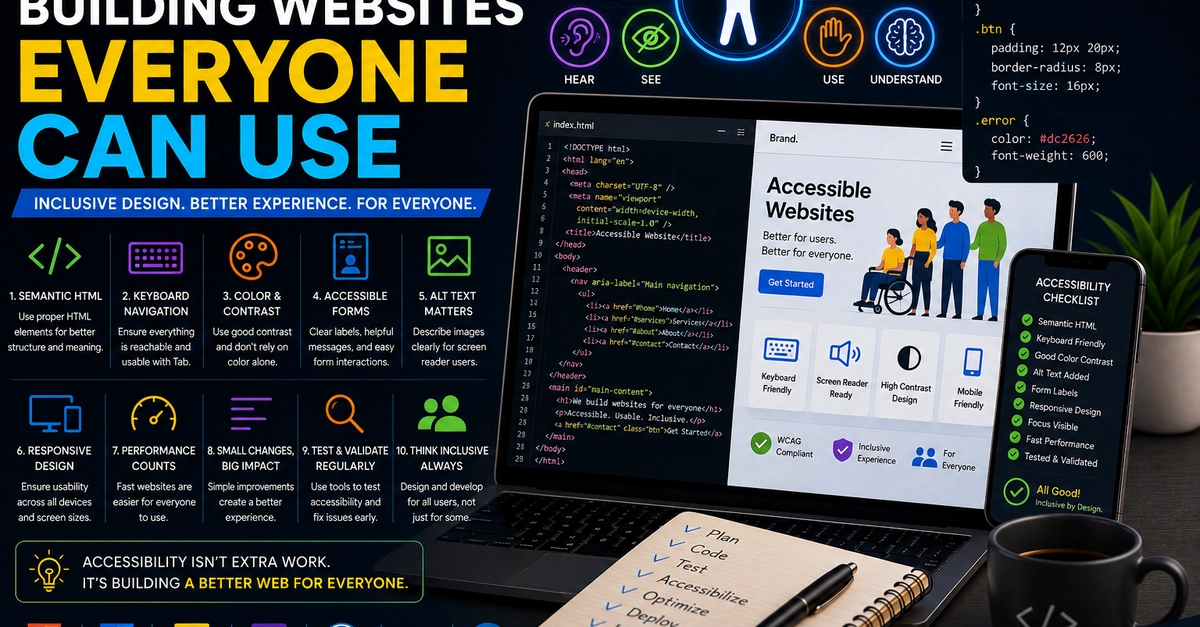
Accessibility affects how millions of people interact with websites, applications, and digital services every day. Yet many digital experiences still create barriers for users with visual, auditory, cognitive, or motor impairments.
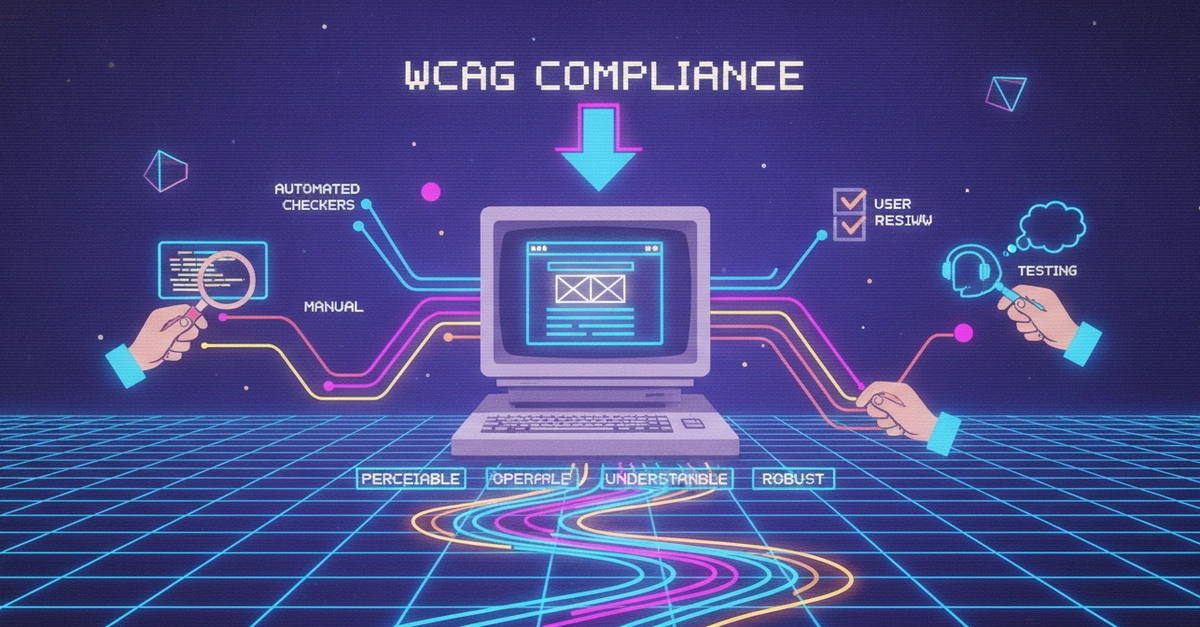
To address this, organizations rely on the Web Content Accessibility Guidelines (WCAG), the most widely recognized standard for building accessible digital products. WCAG provides a framework for designing, developing, and testing experiences that are usable by a broader range of people, regardless of ability.
In this guide, we'll explore what WCAG compliance means, how the guidelines are structured, the different conformance levels, and the steps organizations can take to build more accessible digital experiences.
What Is WCAG Compliance?
WCAG compliance means a website, application, or digital product satisfies the accessibility requirements defined by the Web Content Accessibility Guidelines (WCAG).