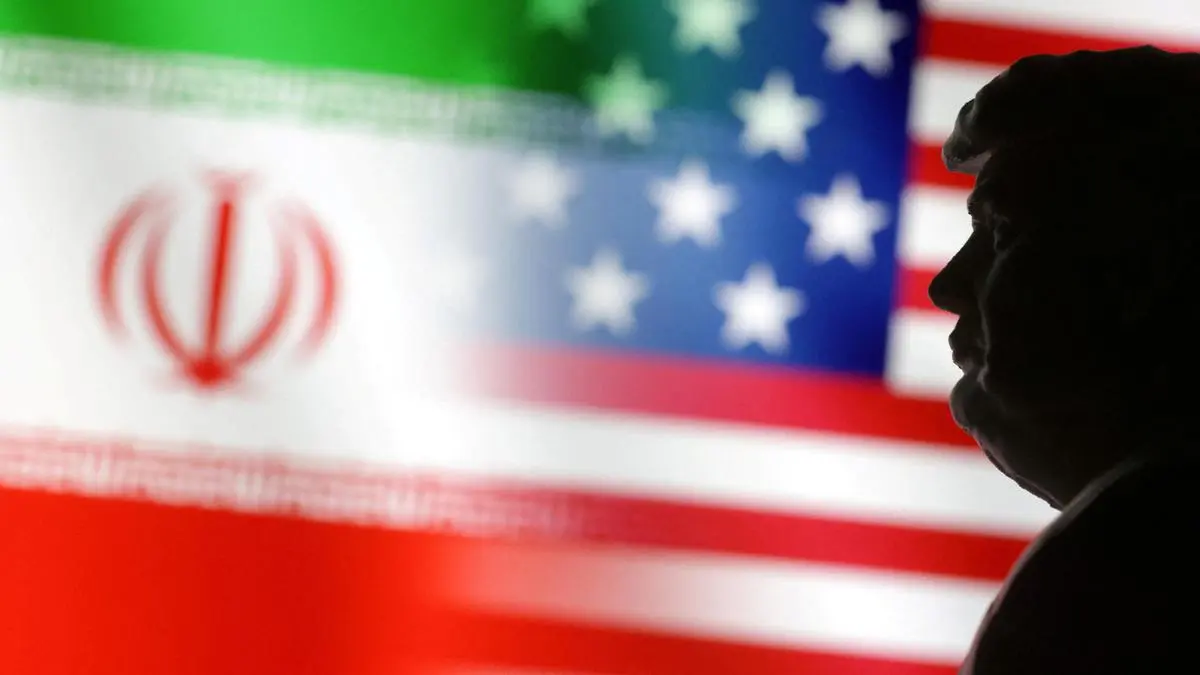
On Sunday, a draft U.S.-Iran agreement aimed at ending hostilities, reopening the Strait of Hormuz and paving the way for broader negotiations drew praise from world leaders and lawmakers.
However, some warned that major questions remain unresolved.
Global Leaders Welcome US-Iran Ceasefire Framework The preliminary framework, which U.S. and Iranian officials say could lead to a formal settlement, was broadly welcomed by key allies concerned about regional stability and global energy supplies.
U.K.
Prime Minister Keir Starmer described the agreement as a "hugely important step forward in ending the war," while noting that the Strait of Hormuz must remain "fully and permanently open." My statement on today's agreement between the United States and Iran. pic.twitter.com/taQZufv7ij— Keir Starmer (@Keir_Starmer) June 14, 2026 Japanese Prime Minister Sanae Takaichi also welcomed the development, calling it "a major step toward resolution of the situation." She said Japan hopes the memorandum will be steadily implemented, ensure "free and safe navigation" through the strategic waterway and lead to a final agreement on Iran's nuclear program. 今般、米国及びイラン双方が、戦闘終結等に関する覚書に合意した旨発表しました。これまで我が国は、事態の沈静化が一刻も早く実際に図られることが最も重要との立場から、積極的な外交努力を行ってきました。…— 高市早苗 (@takaichi_sanae) June 14, 2026 Australian Prime Minister Anthony Albanese expressed hope that the deal would produce a "durable and lasting peace," adding that restoring the vital trade route is critical to easing pressure on energy prices and the broader economy. pic.twitter.com/Hsu7zEkzni— Anthony Albanese (@AlboMP) June 14, 2026 French President Emmanuel Macron also took to X and said, "This agreement also paves the way for comprehensive negotiations in service of peace and security for all in the Middle East." Je salue l'accord conclu entre les États-Unis et l'Iran, fruit d'un effort diplomatique auquel ont contribué plusieurs partenaires.