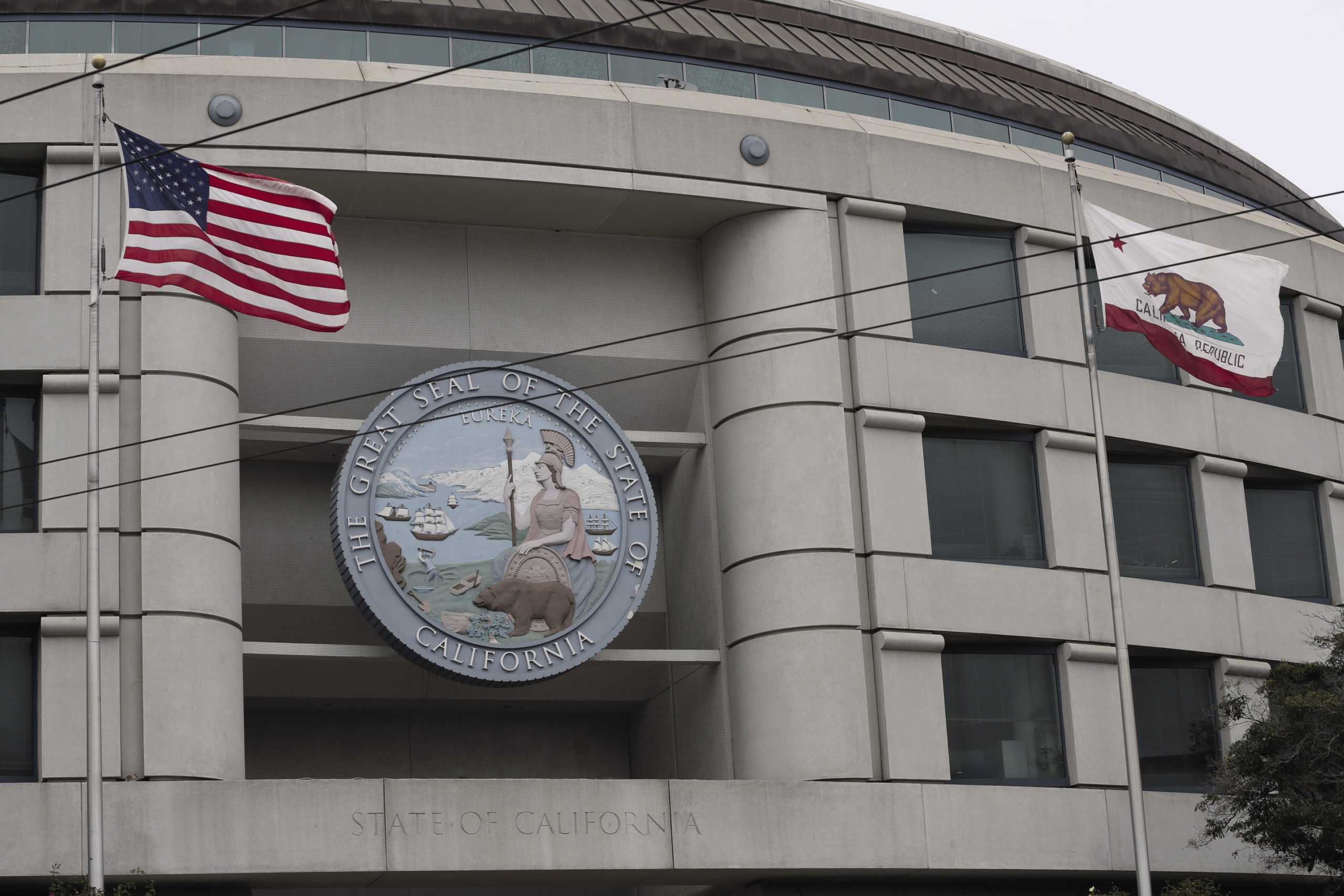
The California Public Utilities Commission (CPUC) voted this week to finalize a community solar framework that clean energy advocates across the state warn is dead on arrival and destined for continued failure.
The CPUC voted to advance a community solar program that solar industry members are calling “unworkable.” The Solar Energy Industries Association (SEIA) says “virtually ensures” that no new community solar projects will be developed in the state under current structure.
Rather than creating a viable path for new, independent projects, the commission chose to implement portions of its community solar program using an existing, utility-controlled pricing structure. According to solar industry advocates and the advocacy group Californians for Local, Affordable Solar and Storage (CLASS), the regulatory decision essentially hands the keys back to the state’s investor-owned utility monopolies, the same utilities that have spent years working to ensure community solar never gets built.
The CPUC’s decision relies on the existing Renewable Market Adjusting Tariff (ReMAT) pricing structure to determine grid export compensation rates, rejecting the solar industry-backed Net Value Billing Tariff model. SEIA and other industry advocates argue the rate structure makes building community solar a losing proposition for any business, ensuring projects won’t be built.