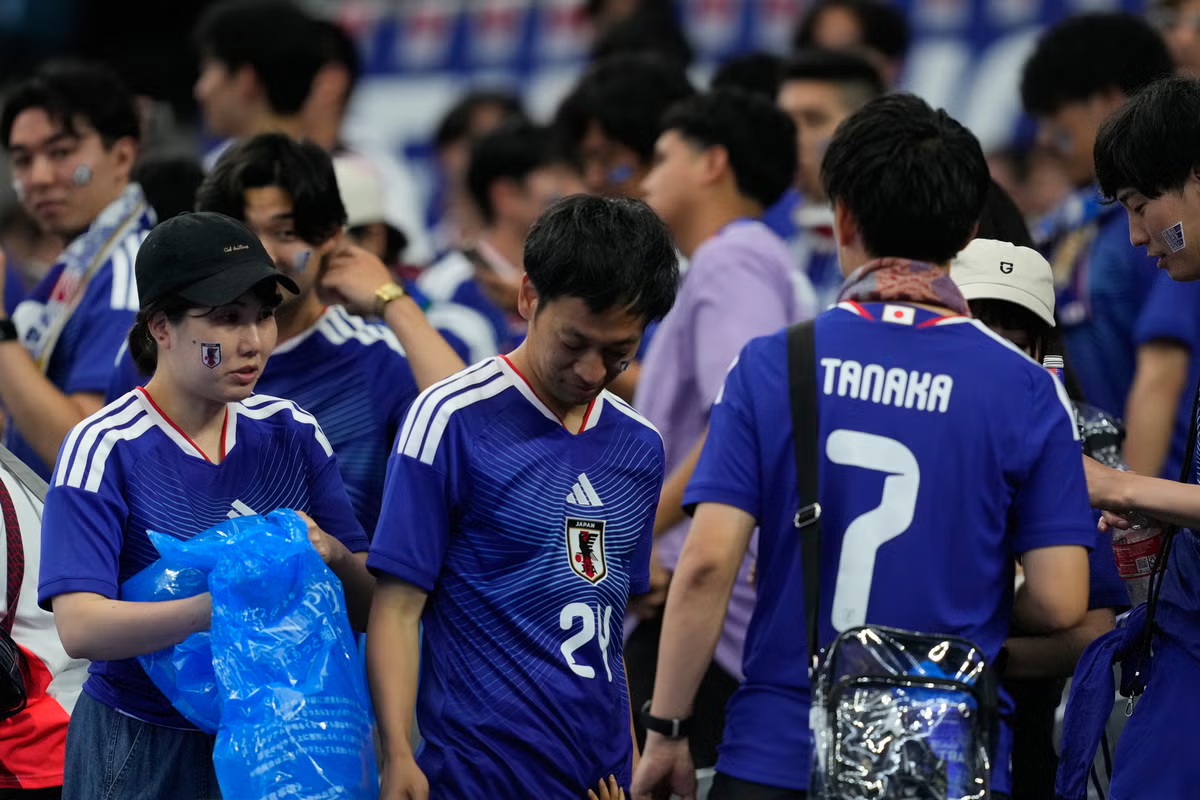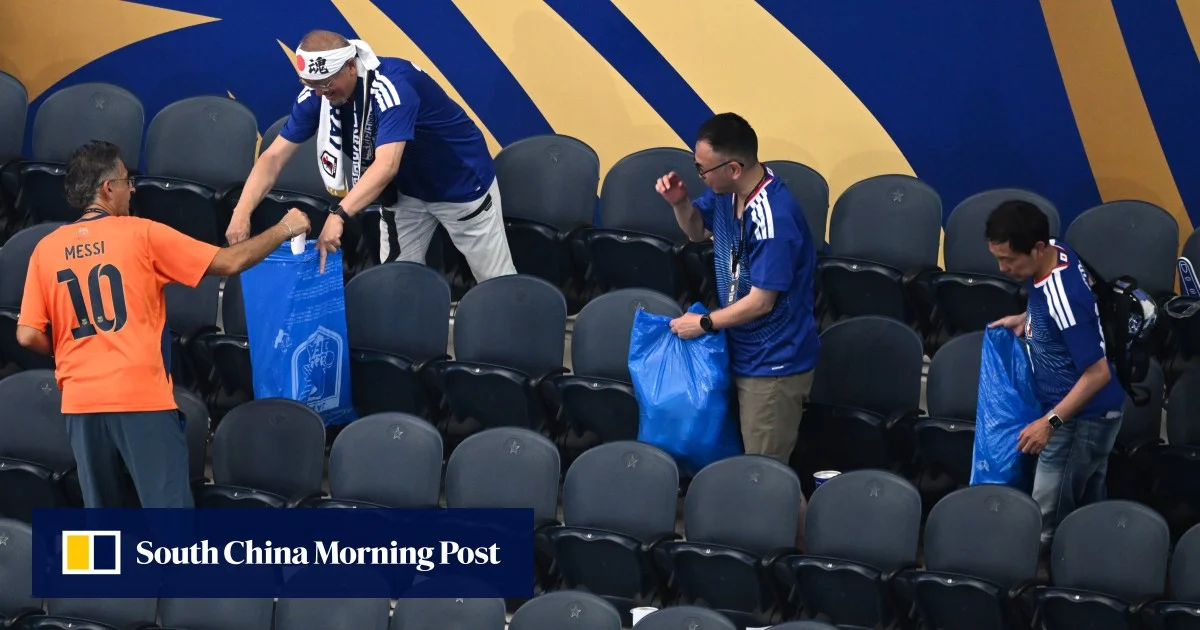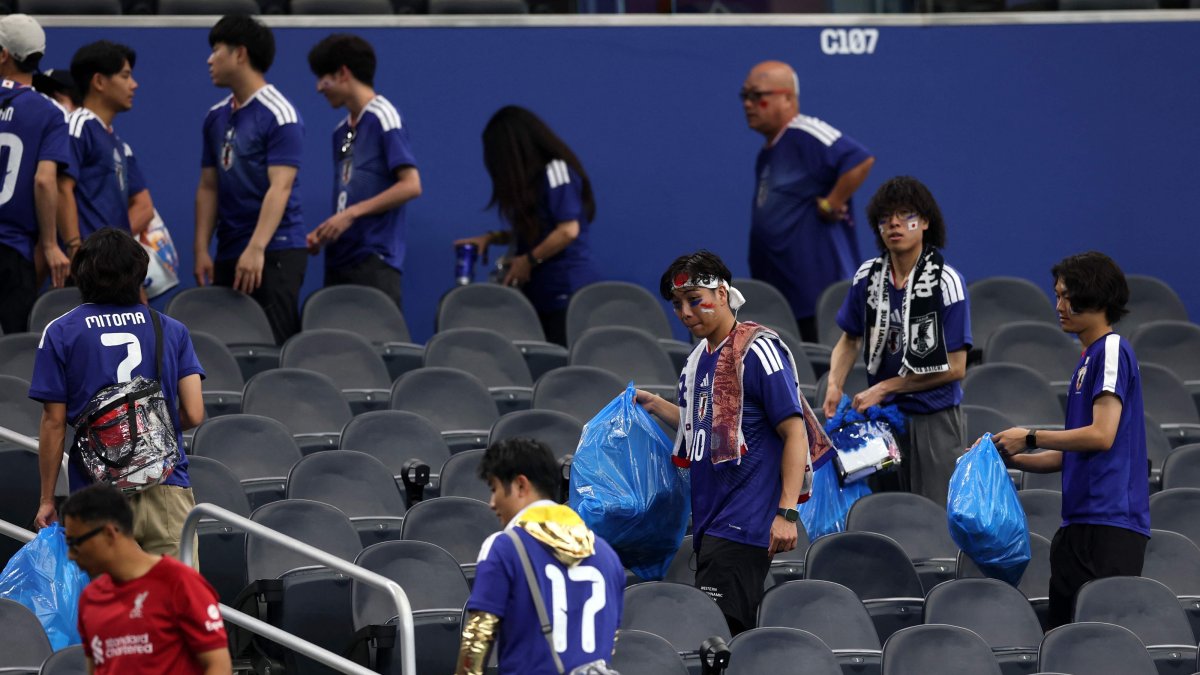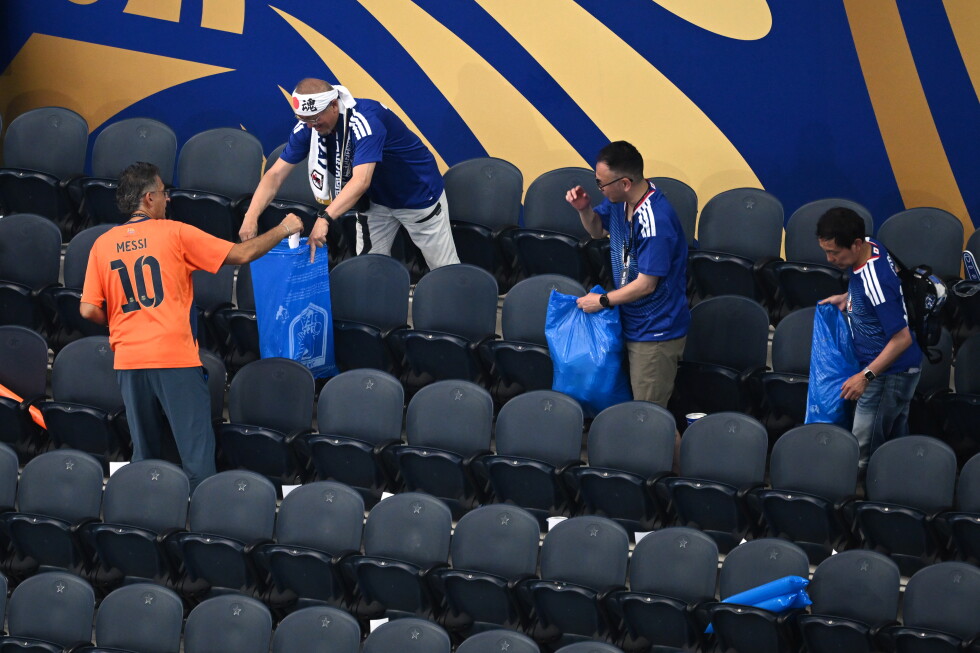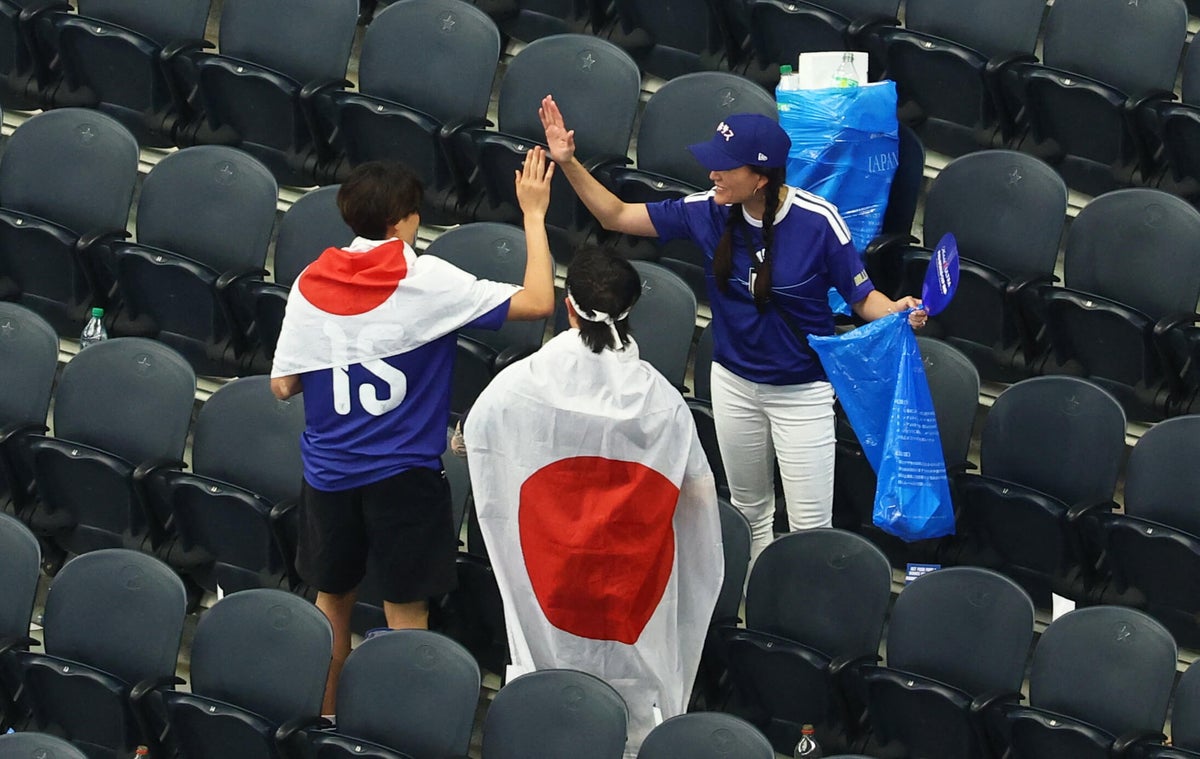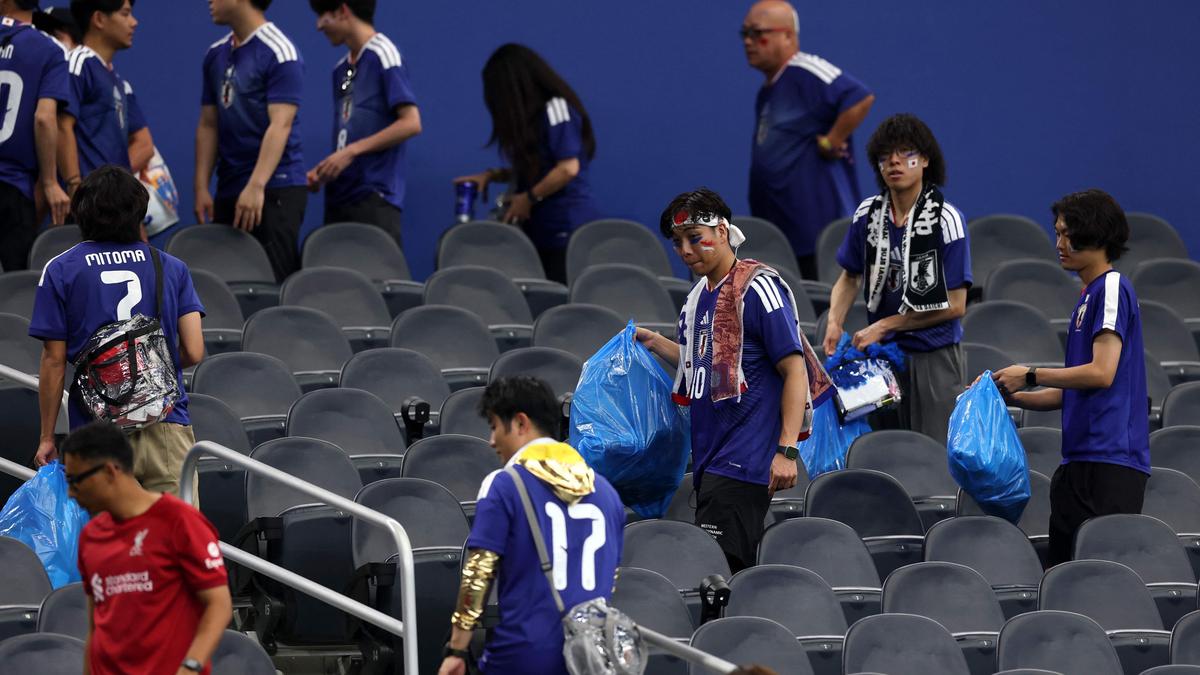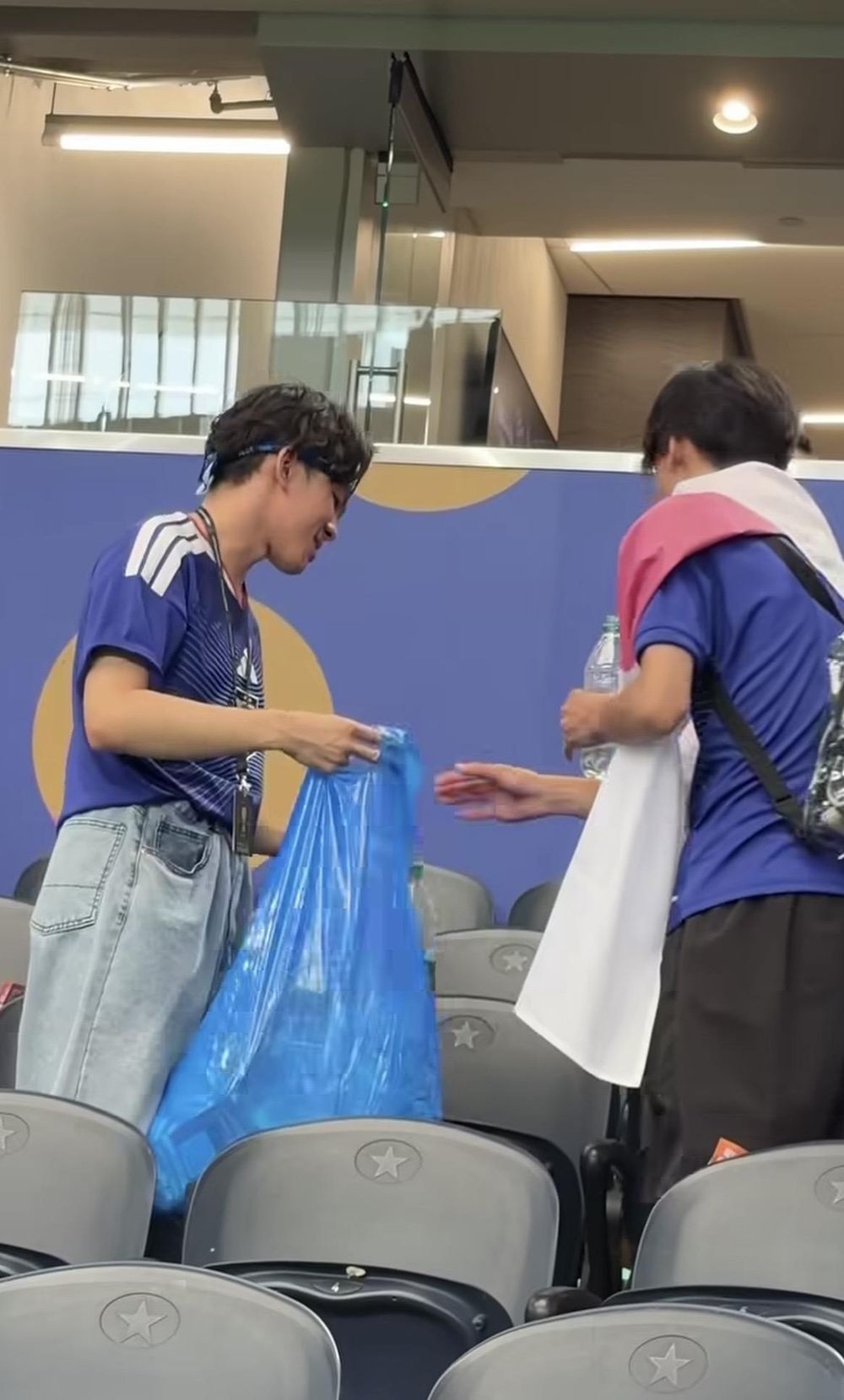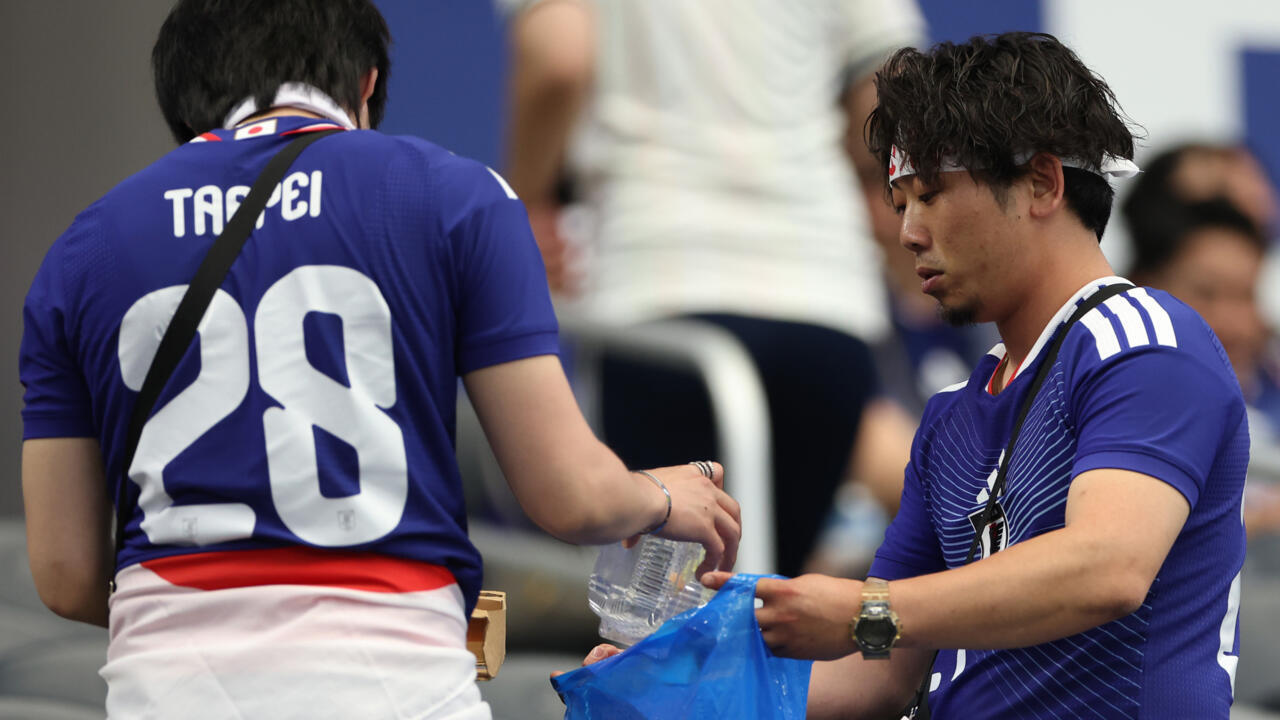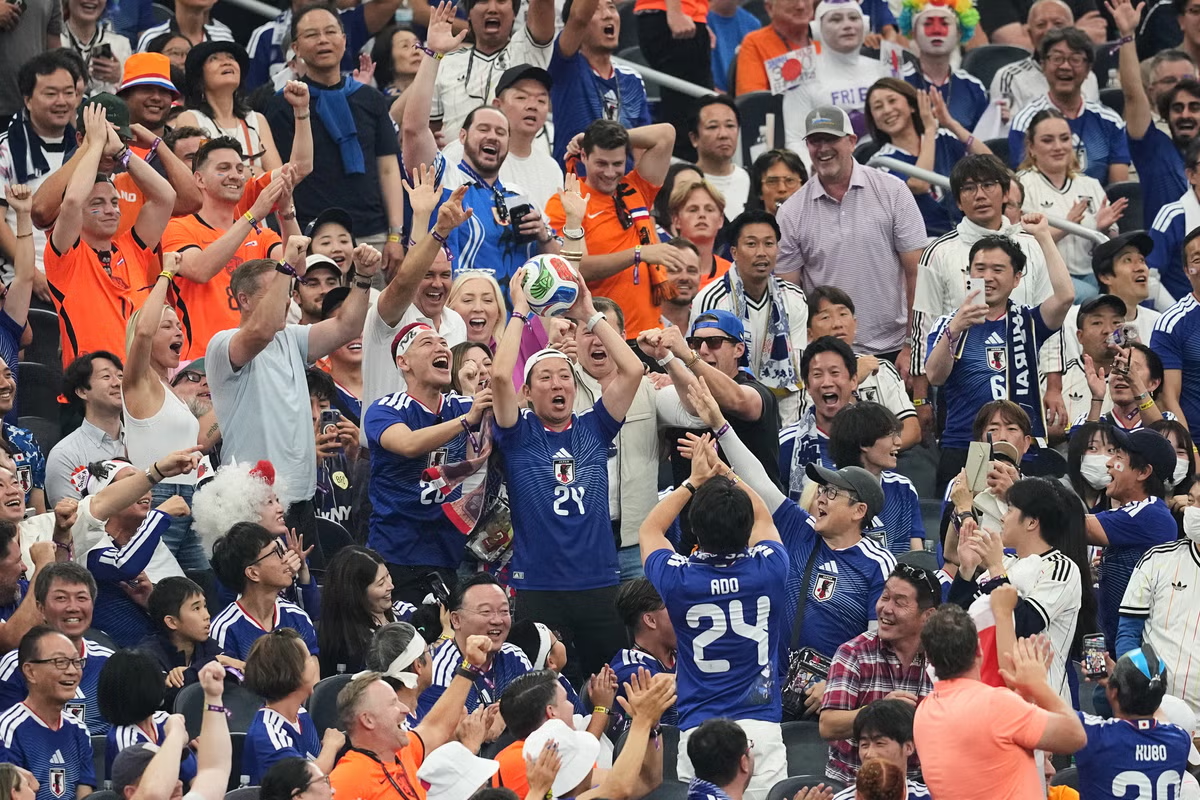
Japan fans stayed behind after the dramatic draw with the Netherlands to collect trash from the stands, reviving a beloved World Cup tradition that has followed the Blue Samurai for nearly three decadesYnet|Japan’s national team drew attention at the 2026 World Cup not only on the pitch. Shortly after its dramatic 2-2 draw with the Netherlands overnight between Sunday and Monday in Arlington, fans of the “Blue Samurai” once again provided a scene that has already become their trademark at international tournaments: Instead of rushing to celebrate or leave the stadium, they stayed in the stands and collected the trash that had accumulated during the match. The photos and videos quickly went viral on social media and, unsurprisingly, drew praise from around the world.Among the clips that received wide exposure was a video posted by a Fox reporter showing New York Giants quarterback Jameis Winston, who is covering the World Cup for the network, helping Japanese fans collect bottles, food wrappers and other waste left in the stands. 3 View gallery Japam team fans clean stands after World Cup match(Photo: Charlotte Wilson/Getty Images)3 View gallery (Photo: Michael Steele /Getty Images North America / AFP)For Japan’s fans, this is not an unusual gesture, but a tradition that has continued for nearly three decades. Since the national team’s World Cup debut in France in 1998, its fans have been documented cleaning the stands after matches, regardless of the result or the identity of the opponent.That tradition also stood out at the 2022 World Cup in Qatar, when fans paused their celebrations after the team’s sensational 2-1 victory over Germany to clean the section where they had sat. They were even seen collecting trash at the tournament’s opening match between Qatar and Ecuador, even though their own team was not playing. Over the years, this behavior has become one of the most recognizable symbols of Japanese soccer and Japanese culture in general.🇯🇵❤️ Japan's tradition never fails to inspire.After the draw against the Netherlands, Japanese fans stayed behind to clean their section of the stadium, picking up every piece of litter before leaving. 🚮No cameras. No attention seeking. Just respect, discipline, and… pic.twitter.com/moLV674VU7— The Touchmine | 𝐓 (@TouchmineX) June 14, 2026 The explanation for the phenomenon lies in the values children in Japan are raised on. The Japanese expression “Tatsu tori ato wo nigosazu,” meaning “leave the place as you found it,” is taught from a young age. In Japanese schools, students are expected to clean their classrooms, hallways and public areas themselves as part of an education in personal responsibility and respect for the environment. “Cleaning up after soccer matches is a natural continuation of behaviors learned at school,” a sociology professor at Osaka University has previously explained.According to experts on Japanese culture, this is about much more than cleanliness. For the fans, it is a way to show pride in their way of life and express respect for the people who will come after them. While in many countries cleaning is left to maintenance workers, in Japan it is seen as a personal responsibility.3 View gallery (Photo: Charlotte Wilson/Getty Images)Scott North, a sociology professor at Osaka University, told the BBC that order is the way Japanese people “show pride in their way of life.” North added: “Cleaning up after football matches is an extension of basic behaviors that are taught in school, where children clean their classrooms and hallways.”Sophia Barzanski, CEO of the Israel-Japan Friendship Society and Chamber of Commerce, previously explained in an interview with the ynet studio that cleanliness is a very important part of Japanese culture, and that its roots lie in the sources of the Shinto religion, whose symbols are purity and whiteness. “External purity is, of course, directly connected to inner purity, the purity within the body, and if you go to Japan today, you will not see trash cans around at all,” Barzanski explained. “You do not leave trash behind. It is a mutual responsibility of society as a whole toward the members within it.”
Japan fans clean up World Cup stands even before celebrating team's match, and the images go viral
Japan fans stayed behind after the dramatic draw with the Netherlands to collect trash from the stands, reviving a beloved World Cup tradition that has followed the Blue Samurai for nearly three decades
669 words~3 min read