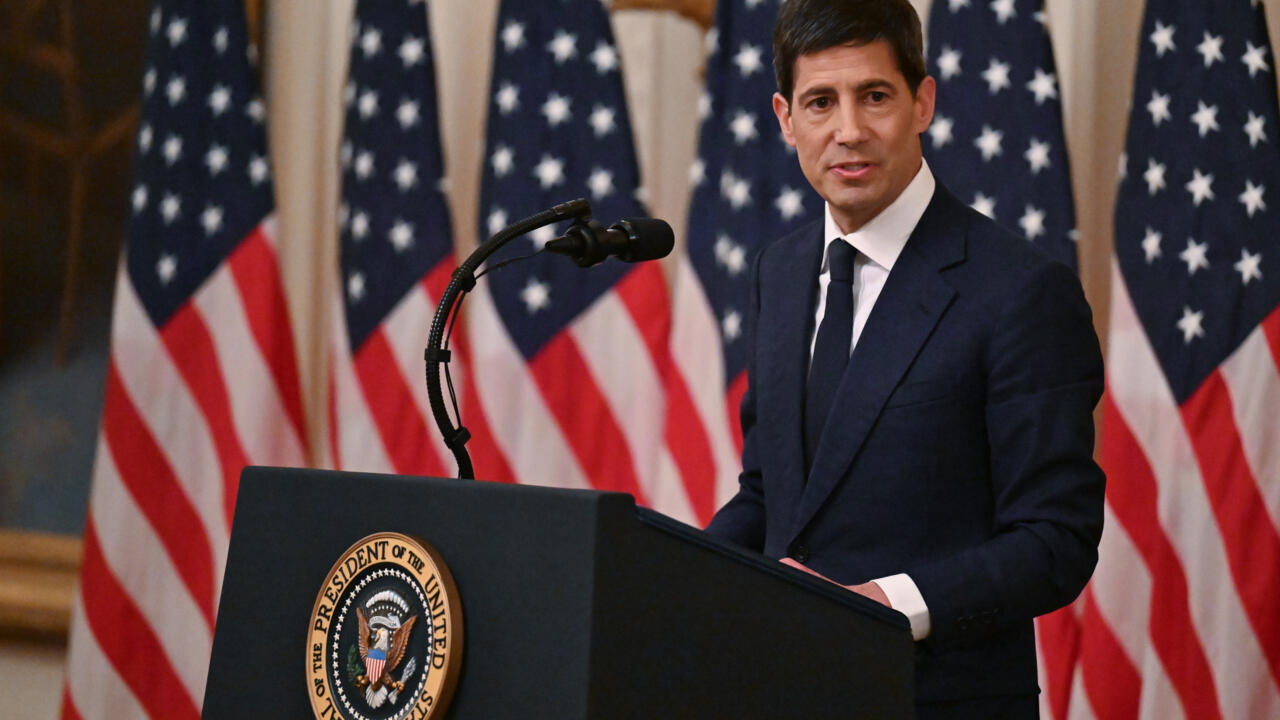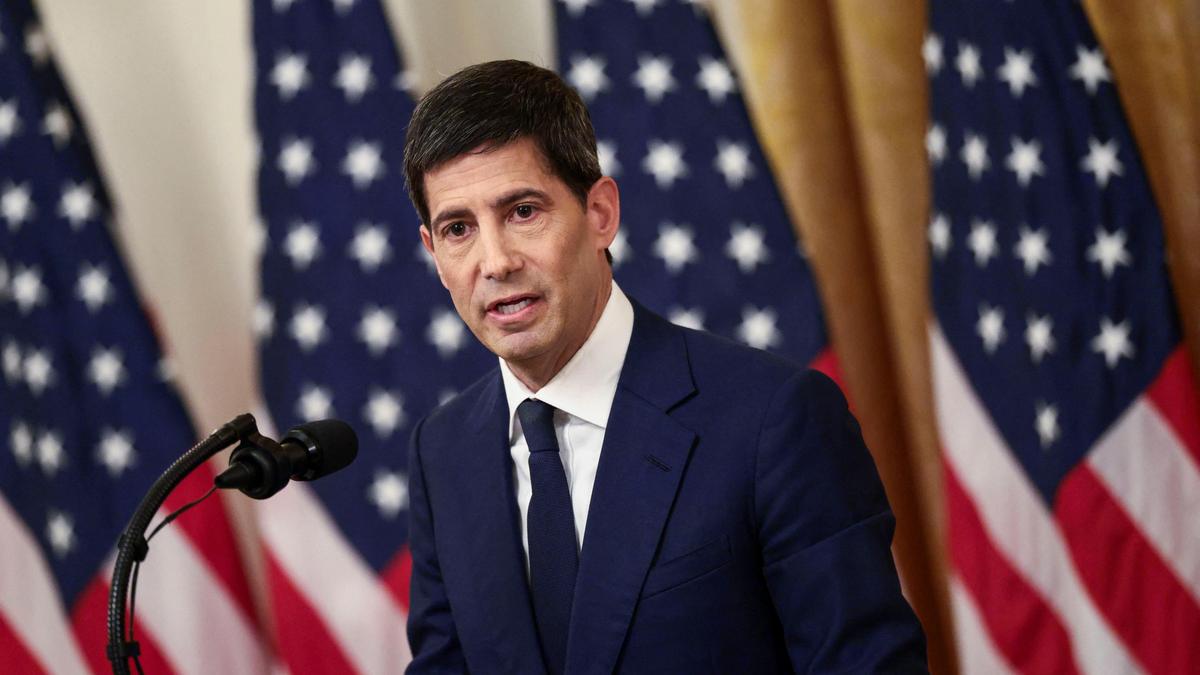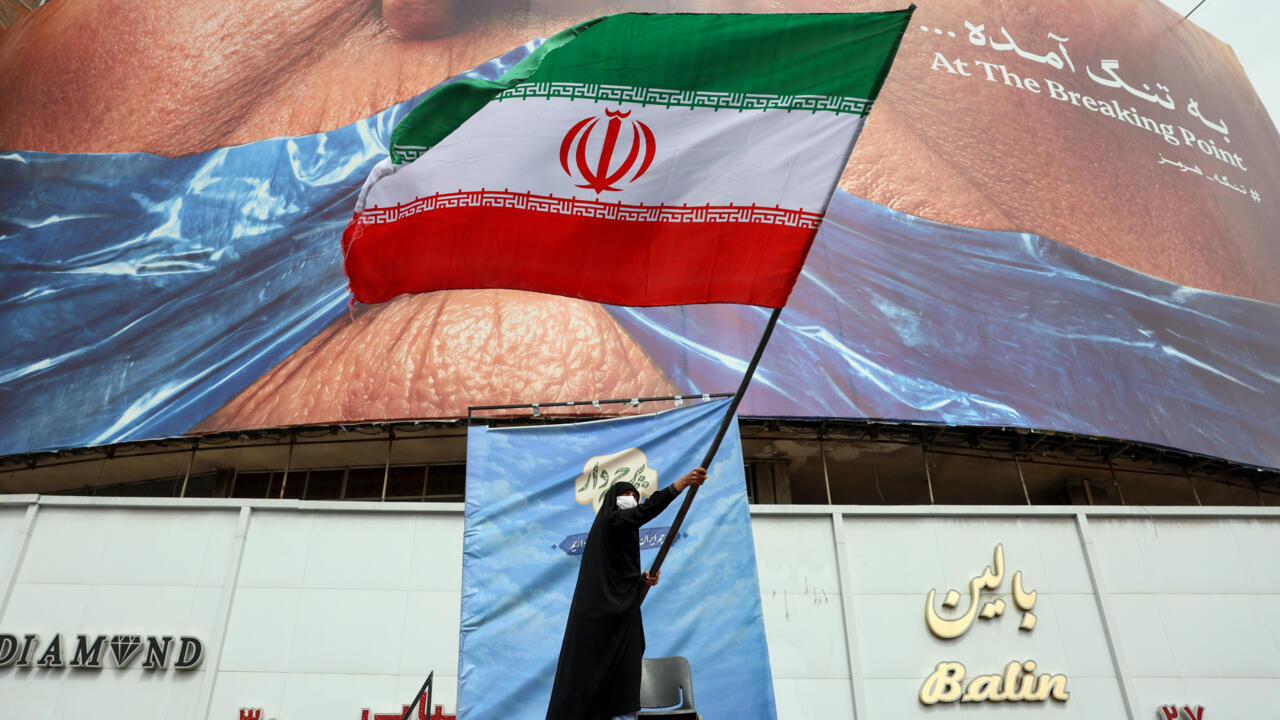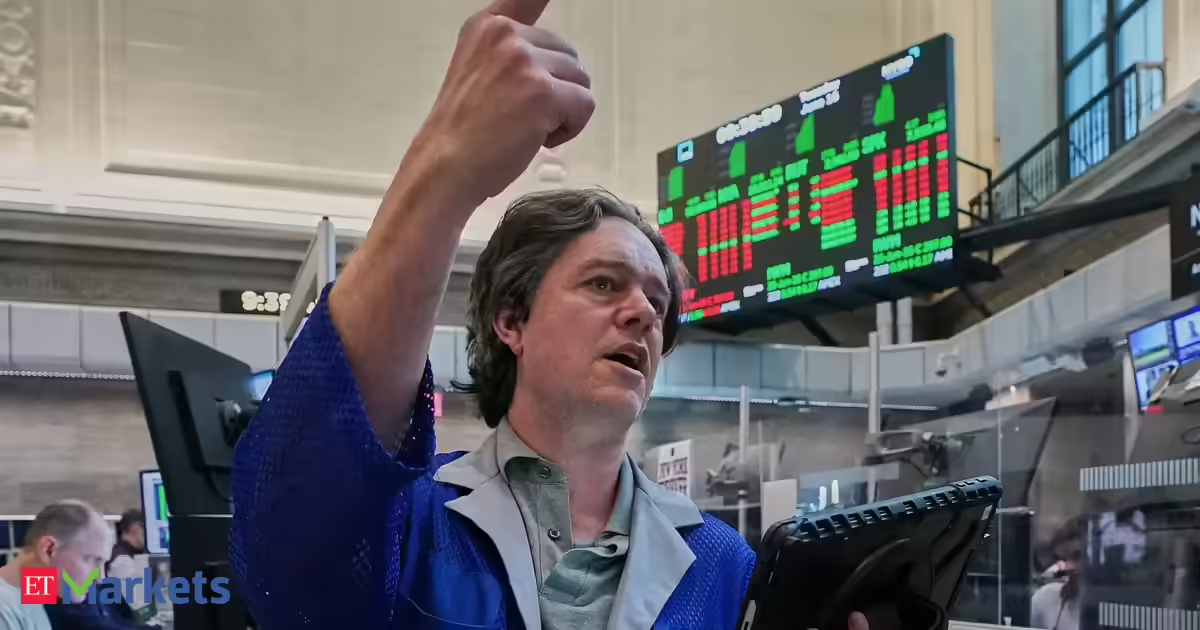
After months of strong gains, U.S. equity markets are entering a crucial week with investors closely watching the first Federal Reserve policy meeting under new Chair Kevin Warsh. The meeting comes at a time when markets are grappling with rising inflation concerns, uncertainty over the interest-rate outlook, and rapidly changing geopolitical developments in the Middle East.The benchmark S&P 500 has retreated more than 2% from its record closing high reached earlier this month, while the Nasdaq Composite has fallen around 4.5% from its recent peak as investors lock in profits from the technology-led rally. Market volatility has also picked up, with the Cboe Volatility Index touching its highest level in two months.Technology stocks, which powered Wall Street's advance for much of the year on optimism surrounding artificial intelligence, have borne the brunt of the recent selling pressure. Investors are increasingly questioning whether valuations have run ahead of fundamentals, particularly as inflation risks remain elevated and monetary policy uncertainty persists.Adding another layer of complexity is the rapidly developing diplomatic breakthrough between the United States and Iran. According to Reuters, the two countries have reached a preliminary peace agreement that would halt hostilities and pave the way for the reopening of the Strait of Hormuz, one of the world's most critical energy shipping routes. The framework reportedly includes temporary waivers on Iranian oil exports, a freeze on new sanctions, and a roadmap for further negotiations on Iran's nuclear programme over the next 60 days. The agreement is expected to be formally signed later this week.The prospect of renewed oil flows through the Strait of Hormuz has already had a significant impact on commodity markets. Brent crude prices fell more than 4% after news of the agreement emerged, as traders unwound the geopolitical risk premium that had built up during months of conflict. The decline in oil prices has eased concerns about energy-driven inflation and provided some relief to global financial markets.Against this backdrop, the Federal Reserve's policy decision on Wednesday will be closely scrutinised. While policymakers are widely expected to leave interest rates unchanged, investors will be paying particular attention to the Fed's updated economic projections and Warsh's first post-meeting press conference.Recent economic data has complicated the policy outlook. U.S. inflation accelerated in May at its fastest pace in three years, while labour market indicators have remained relatively resilient. These developments have prompted investors to reassess expectations for monetary policy, with markets increasingly factoring in the possibility that the Fed may need to maintain a restrictive stance for longer than previously anticipated.The central bank's updated projections will provide valuable insight into policymakers' views on inflation, economic growth, and the future path of interest rates. Any indication that officials are becoming more concerned about inflation could reinforce expectations of tighter monetary policy and weigh on risk assets.Investors are also eager to understand how Warsh intends to lead the Federal Reserve. Market participants will be looking for clues about his policy framework, communication style, and views on the Fed's balance sheet. Warsh has previously advocated for reducing the size of the central bank's balance sheet, a move that could influence liquidity conditions across financial markets.The possibility of changes in the Fed's communication strategy is another area of focus. If policymakers offer less forward guidance and place greater emphasis on incoming economic data, markets could become more sensitive to individual inflation, employment, and growth reports, potentially resulting in higher day-to-day volatility.Meanwhile, investors will continue to monitor developments surrounding SpaceX following its blockbuster stock market debut. Shares of the company surged nearly 19% on their first day of trading, pushing its valuation above $2 trillion and reinforcing investor appetite for high-growth technology and artificial intelligence-related businesses, Reuters reported.Despite the recent pullback, major U.S. equity benchmarks remain firmly in positive territory for the year. However, with inflation concerns lingering, a new Fed leadership team taking charge, and global markets adjusting to a potentially historic US-Iran peace agreement, the coming week could prove pivotal in determining the next phase of Wall Street's trajectory.(Disclaimer: Recommendations, suggestions, views, and opinions given by experts are their own. These do not represent the views of the Economic Times.)
US Stock Market: Fed meeting in focus as Wall Street navigates volatility amid evolving US-Iran peace deal
After months of gains, U.S. markets enter a pivotal week as investors assess the Federal Reserves upcoming policy decision amid persistent inflation concerns and Middle East developments. Falling oil prices and shifting rate expectations are adding complexity, while markets await signals on monetary policy and Wall Streets next direction.
TL;DRAI
Fed's Warsh takes helm as S&P 500 down 2%, Nasdaq 4.5%; US-Iran peace reopens Hormuz, crude down 4%. Tech rout reflects valuation concerns as 3-year inflation peak sustains rate hold; energy relief modest against tight policy for growth assets.
686 words~3 min read