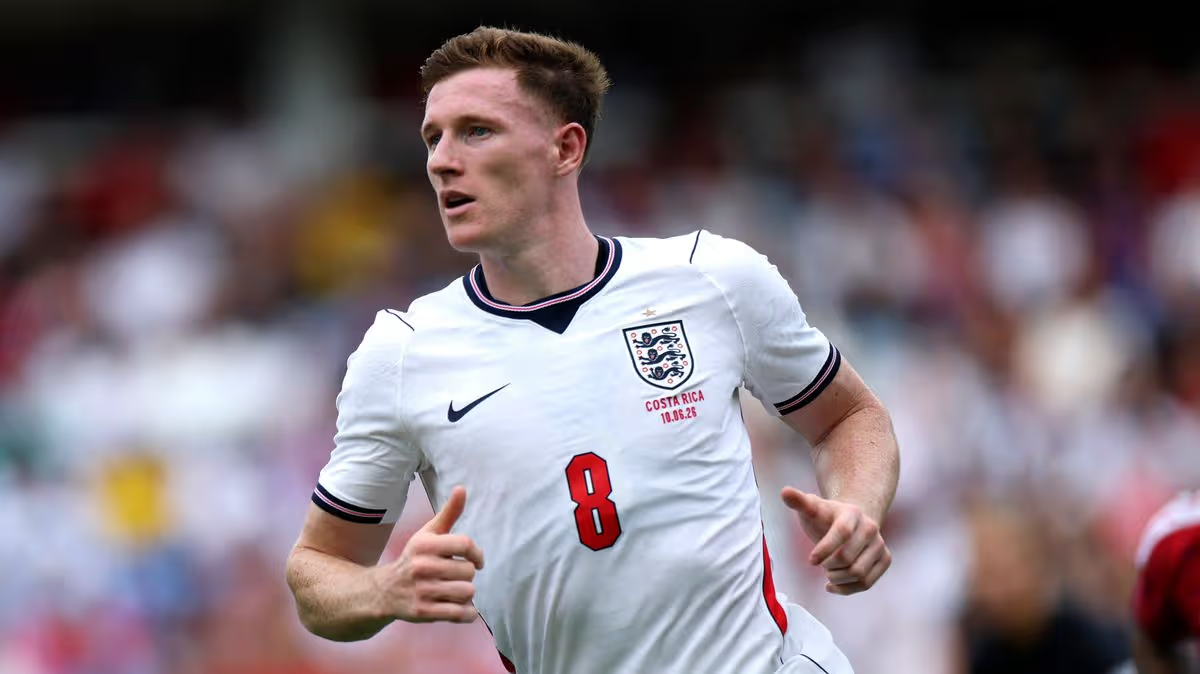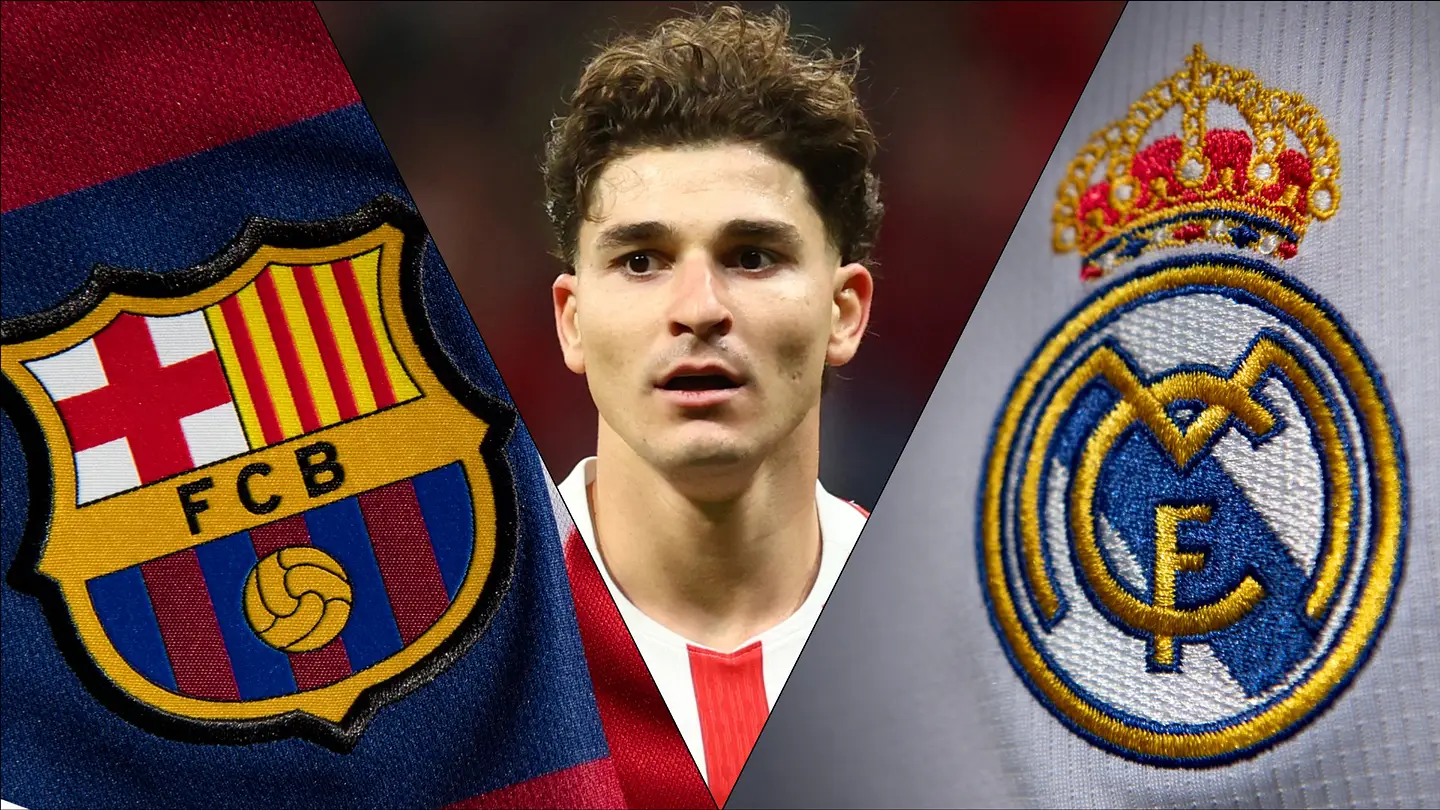
Amid the noise of the World Cup, with its games and its politics, the summer transfer window has quietly opened.Anthony Gordon has moved from Newcastle to Barcelona, Rasmus Hojlund has departed Manchester United for Napoli permanently following last season’s loan and Marc Cucurella is on his way from Chelsea to Real Madrid. But while those are significant deals for the teams involved, they are atypical of a market which seems tentative and unsure about how to move.Elsewhere, Marcos Senesi and Andy Robertson have joined Tottenham Hotspur on free transfers, a few major players’ contracts have expired or are about to and, across Europe, successful loans are being turned into buys.It has been modest stuff so far. But how do the people involved see the weeks ahead: what effect do they expect the ongoing World Cup to have, and how do they anticipate its challenges being navigated?The Athletic spoke to stakeholders across the market — to people involved in planning and executing deals, and those looking to attract them on behalf of clients — to get a sense of how people in football are thinking and what they envision happening. They spoke on the condition of anonymity to protect relationships.A senior figure at a major global agency starts by making an important point about how the market operates and how, in this instance, the month-long World Cup creates a slowdown.Gordon’s move to Barcelona is one of the few to happen so far this summer (Josep Lago/AFP via Getty Images)“The tournament does have an impact at the top end, because players who are there and potentially on the move hold up a chain — it’s like buying a house,” he says.“The Premier League will drive spending as usual, with quite a few clubs seeming keen to really go hard — or they are saying they will. But then it depends on where that money trickles down into Europe, and where those clubs will then spend.”It’s a good point.There are very few clubs who can act as true transfer-market protagonists. Most have to be reactive, and while that’s the case every year, a summer World Cup accentuates that disadvantage, forcing more business into the window’s latter stages, when options are more limited.“A German club were over a few weeks back,” the executive continues, “and they were saying that so many clubs in Europe feel they operate in a different market to the Premier League. It frustrates them that teams who finished in the bottom half in England can just outspend them.”A further difficulty occurs if players have release clauses in their club contracts. They can broadly agree a contract outline early in the window, allowing the team doing the buying to then activate the clause on their own timescale. It’s another inequity of the food chain. If the selling club have no control over when a deal happens, their own squad planning often suffers as a result.
The transfer window is open – how is the World Cup affecting the market?
The Athletic speaks to people involved in making deals happen to understand how the summer window is shaping up
1,371 words~6 min read