The performance has ended, but life must go on.
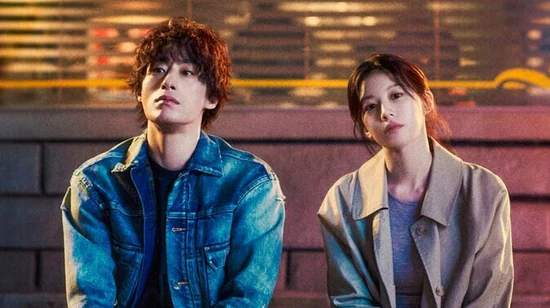
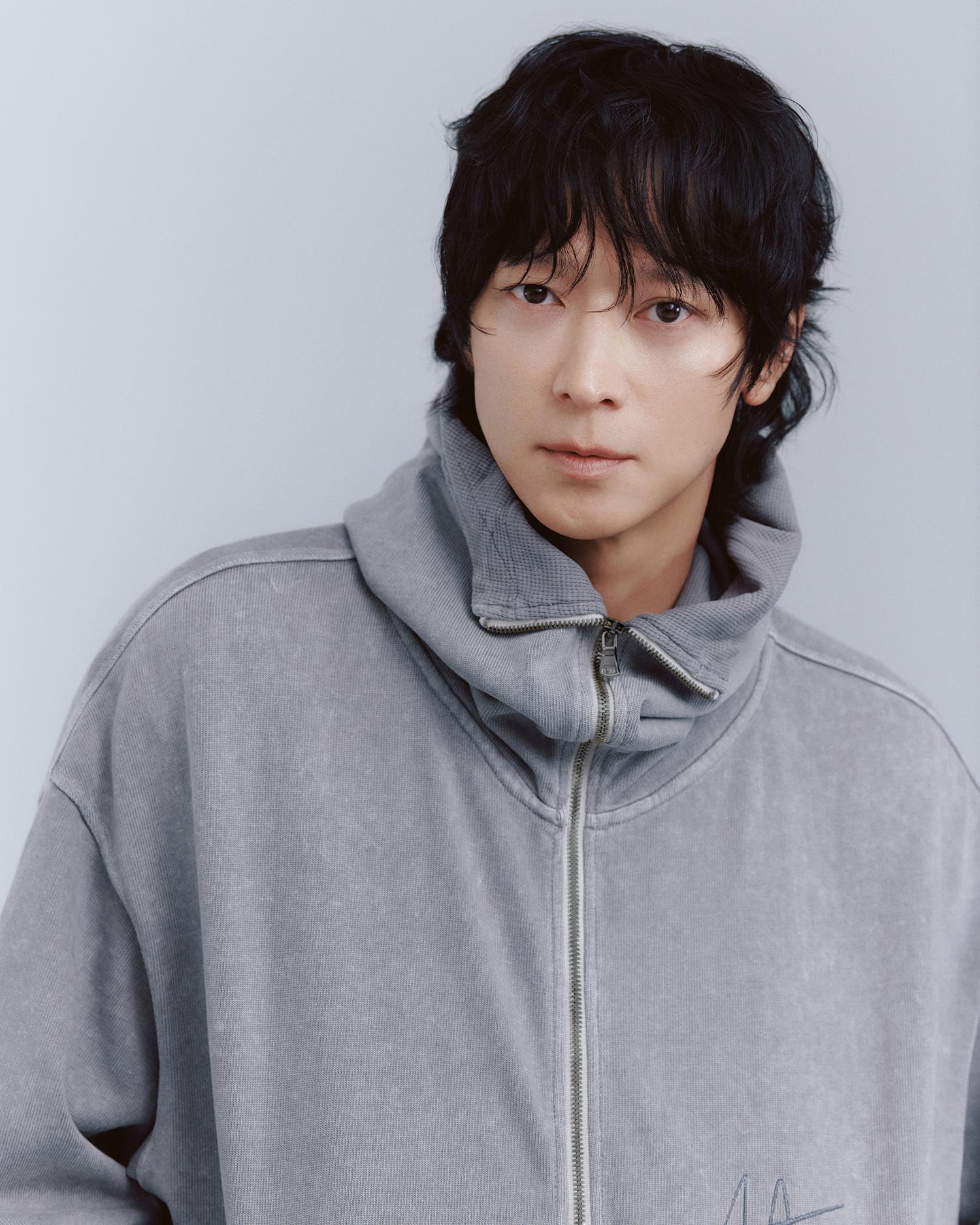
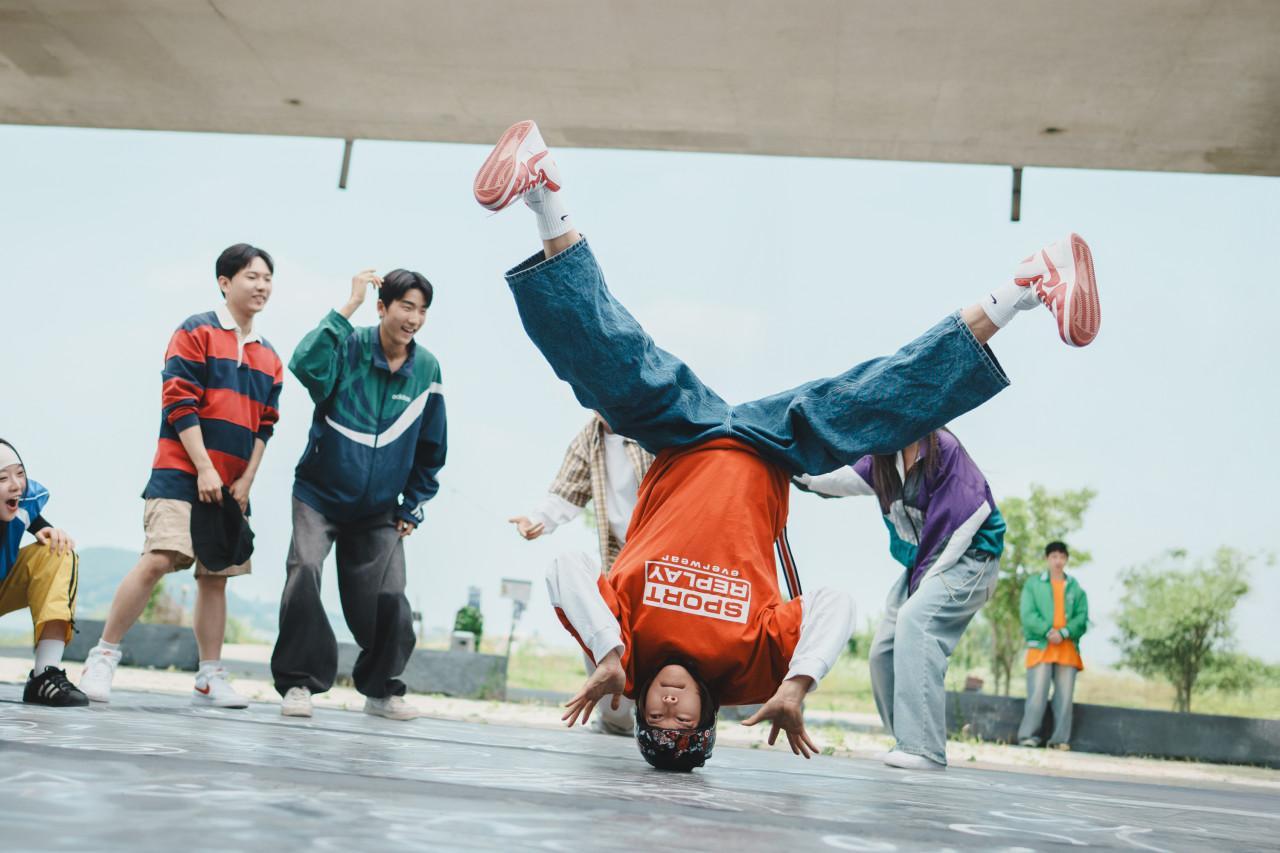
The humor in "Wild Sing" begins when actors Gang Dong-won, Um Tae-goo and Park Ji-hyun subvert familiar screen images of bodies that might once have commanded a stage reduced to ordinary survival. Director Son Jae-gon turns the desperate comeback of the fictional Triangle, a once-popular 1990s co-ed trio that disbanded overnight, into a road movie. Through the collision of absurdist comedy with financial precarity, the film turns laughter into social recognition.
The comedy soon dives into the realities of life. The group’s leader drifts from one minor gig to another, while another, crushed by debt, swallows his pride for a paycheck. These scenes move beyond comic humiliation to expose the damaged dignity of people pushed offstage and left to survive without applause. Most poignant is the group's only woman, who has traded her glamorous past for a suffocating marriage, only to escape back toward the stage. Their journey confronts an uncomfortable truth: The industry that once consumed these performers as commodities offered them no real safety net after stardom ended.
Triangle is not simply a group of failed idols. They are people left behind by a system that grew before meaningful career-transition structures existed. Over the past three decades, K-pop has achieved global success. Revenue, tours and Billboard rankings now symbolize its power — but whether that success has protected disbanded groups and trainees who never debut remains another question. The lives of rejected trainees, underpaid rookies and young adults unable to turn years of training into other work are often hidden behind dazzling metrics.