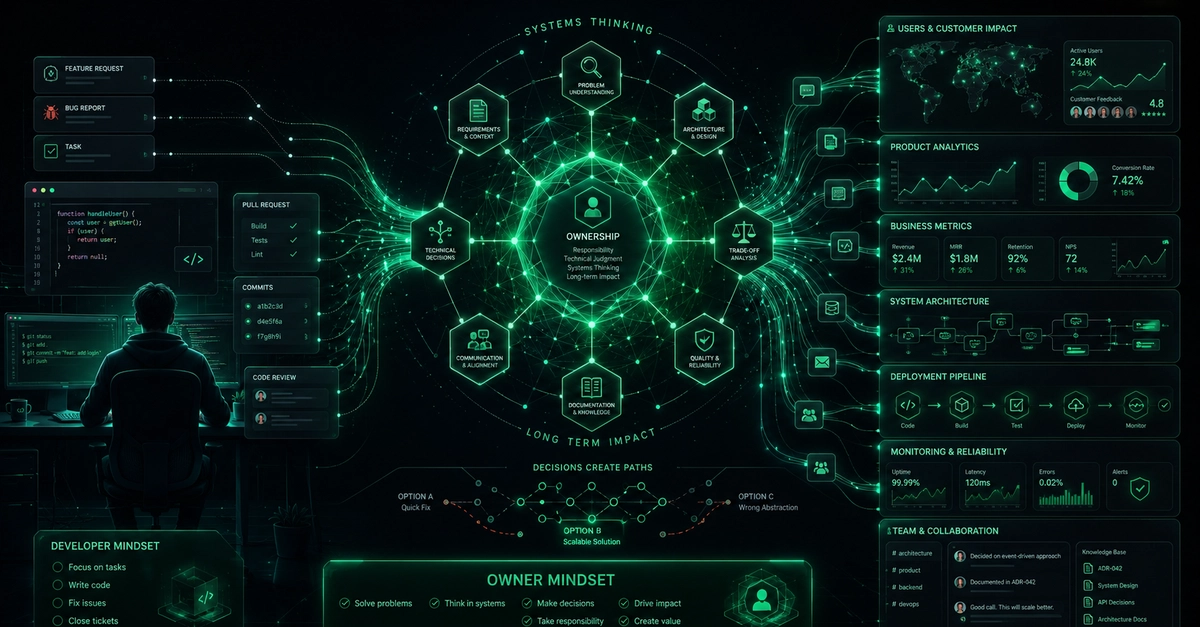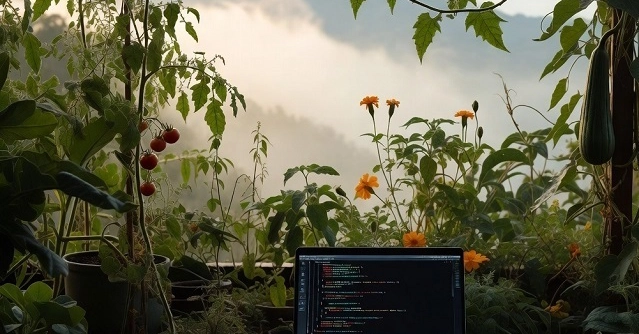
Today was a "silent day" — no Claude Code sessions, no commits, no code changes. Yet technical work isn't just about writing code. This day was dedicated to deep thinking, architecture review, and personal knowledge management. Learning to leverage "empty days" to recharge and plan for the long term is a key skill for improving productivity and code quality.
Background: Why does a "zero-record" day happen?
In a continuous development cycle, there are days with no code output. They may be intentionally scheduled reflection days (e.g., buffers after sprint reviews), or arise naturally from external meetings, technical proposal reviews, or learning. More often, however, we fall into "low-value busyness" and neglect structured thinking.
Root Cause Analysis
Cognitive overload: After continuous coding, the brain needs time for unconscious integration. Forcing more code can actually introduce defects.