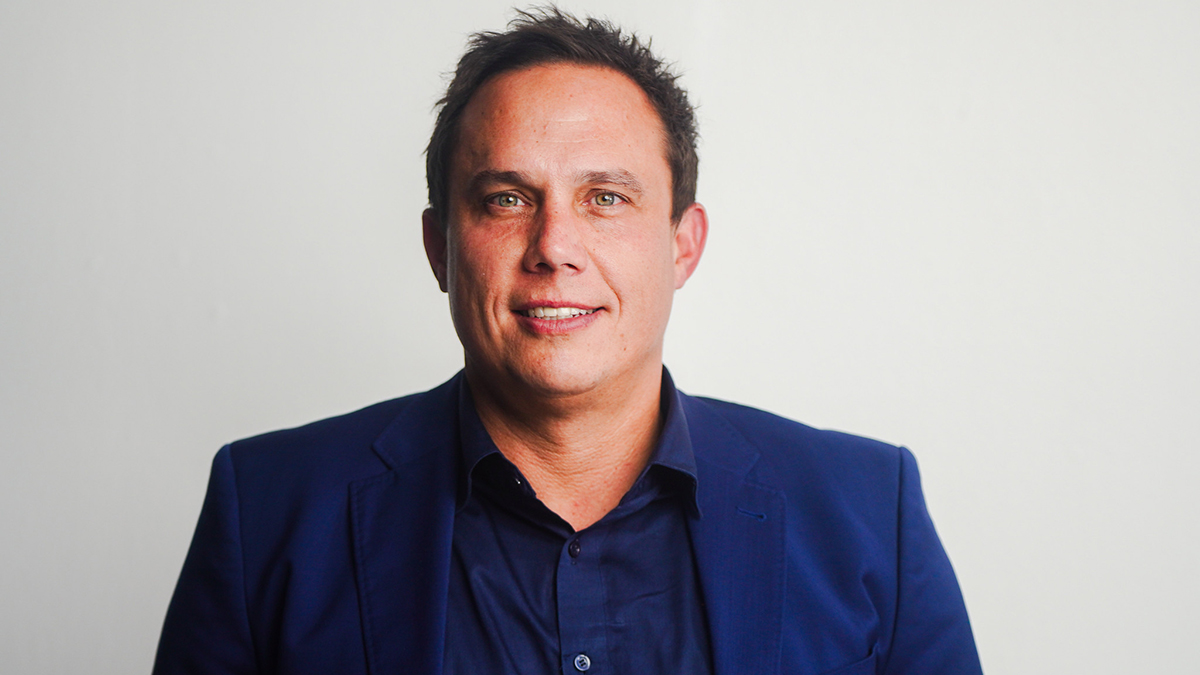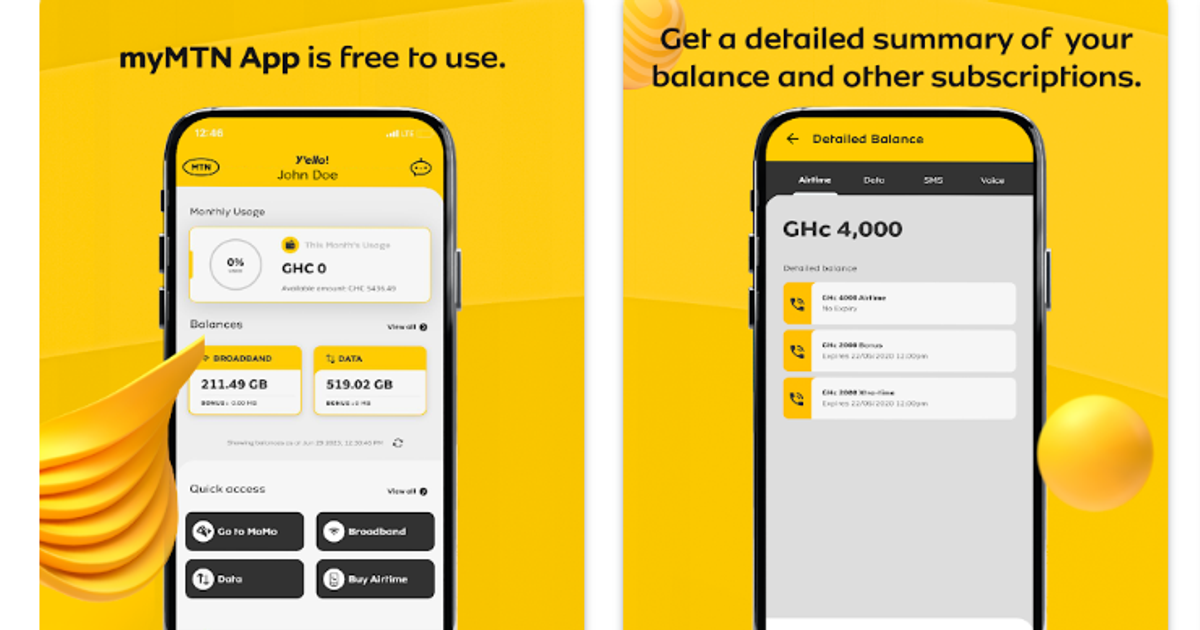
MTN is aiming for one-third of the lucrative market for home fixed internet services in South Africa in a further bid to boost sluggish growth in the telecom giant’s domestic market.“The big drive is to own the household. Connect the home and own the household. We want to get to a 30% market share by 2030. That’s the target that we’ve set ourselves,” CEO Ferdi Moolman said. “Home is where we see huge opportunity for growth. At the moment we only have 401,000 home connections,” he said. Vodacom associate Vumatel — the largest fibre-to-the-home provider in the country – surpassed 1-million customers in February, while Telkom’s Openserve has almost 818,000 homes connected.According to MyBroadband, about 6-million homes are passed by fibre in South Africa. Stats SA estimates there are 19-million households. Unlike internet service providers (ISPs) such as Cool Ideas or Afrihost, which tend to compete in home connectivity with one brand, MTN has tried to make its mark with a number of offerings: MTN Fibre, fixed wireless service MTN Home, ISP Supersonic and AirFibre. Moolman conceded, though, that moving away from the acquired “Supersonic” sub-brand and consolidating its services under the primary MTN brand had immediately unlocked better customer acquisition“This is where our brand is exceptionally strong. Supersonic we acquired some time ago and was really the vehicle through which we went to the home. Just by moving away from the Supersonic brand and creating an MTN Fibre or MTN Home product, we saw substantial increases in [customer acquisition],” he said. “We’re seeing continued double-digit growth also in terms of home”.PartnershipsRather than attempting to match competitors by over-building an expensive physical fibre footprint, MTN relies heavily on commercial partnerships, using open-access providers such as Frogfoot while retaining the ISP relationship with customers. MTN has only two options available to compete effectively in fibre provisioning: partnership and acquisition. The company sees the third option — building its own fibre network — as unviable in South Africa, even though it has ambitions to be a big player in the market.It has been widely accepted that MTN’s R30bn bid to buy Telkom in July 2022 was essentially an attempt to gain access to its huge fibre trove housed in Openserve.Still, Moolman points to a subtle but important linguistic and strategic shift within the company’s growth strategy, distinguishing between “home” and “household”. “Homes passed” is a measure used in the fibre industry to denote the number of potential customers a company has access to through its service being available in an area.“When I talk ‘home,’ I prefer to talk ‘household’ because it describes far more what the product is really about,” he said. “Home just gives you an idea where the connectivity sits. When we start speaking household, we start speaking [about] where the revenue sits. The offloading that takes place, the fact that you consume far more data at home than you would consume while you are mobile.”AirwavesIn areas lacking physical fibre infrastructure, MTN deploys AirFibre. Using unlicensed radio frequencies, the service enables MTN to rapidly deploy “fibre-like” home connectivity at a fraction of the time and cost of traditional trenching. “What’s been interesting with this product is we initially anticipated the market would only be areas that don’t have a fibre footprint, but, in fact, we find we’re also selling within areas that already have fibre. And it’s really because the fibre infrastructure in South Africa is not as reliable as it would be in Europe, for a number of reasons,” Moolman said. Elsewhere Moolman and his team continue to debate the utility of keeping all the various brands separate. The alternative would be branding everything as “MTN Home”, for instance, and then to serve customers with whatever technology best suits their area or circumstances. “Do we take MTN, do we take Supersonic, or do we perhaps look at something completely different? We are busy unpacking this. What does it really look like? Would we do the full support under MTN? Would we do it under Supersonic or perhaps do it under a different structure? We would need to get a clear answer for this both from a sales point of view as well as support.”
MTN targets 30% of SA’s lucrative home connectivity market
Telecom company presently has 401,000 home connections in the country
TL;DRAI
MTN mira a 30% market share home connectivity Sud Africa 2030, consolidando Supersonic e usando partnership open-access anziché overbuild fisico. Segnala la preferenza africana per accesso clienti > capex infrastrutturale; AirFibre copre gap dove fibre è inaffidabile.
695 words~3 min read