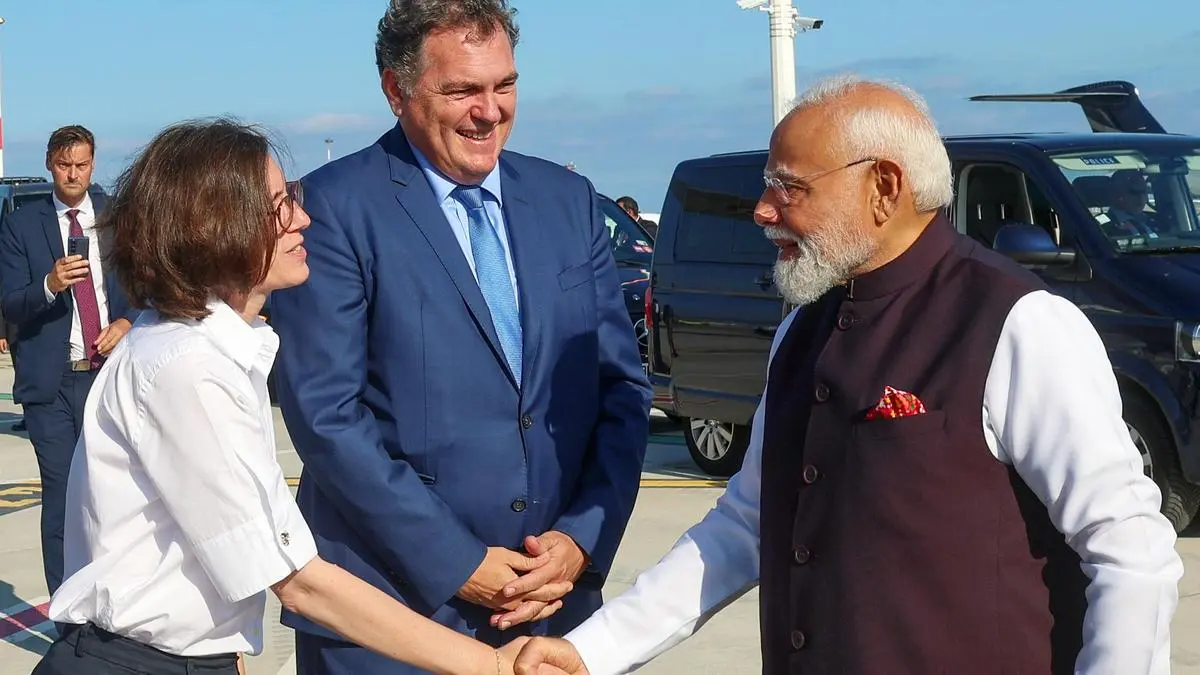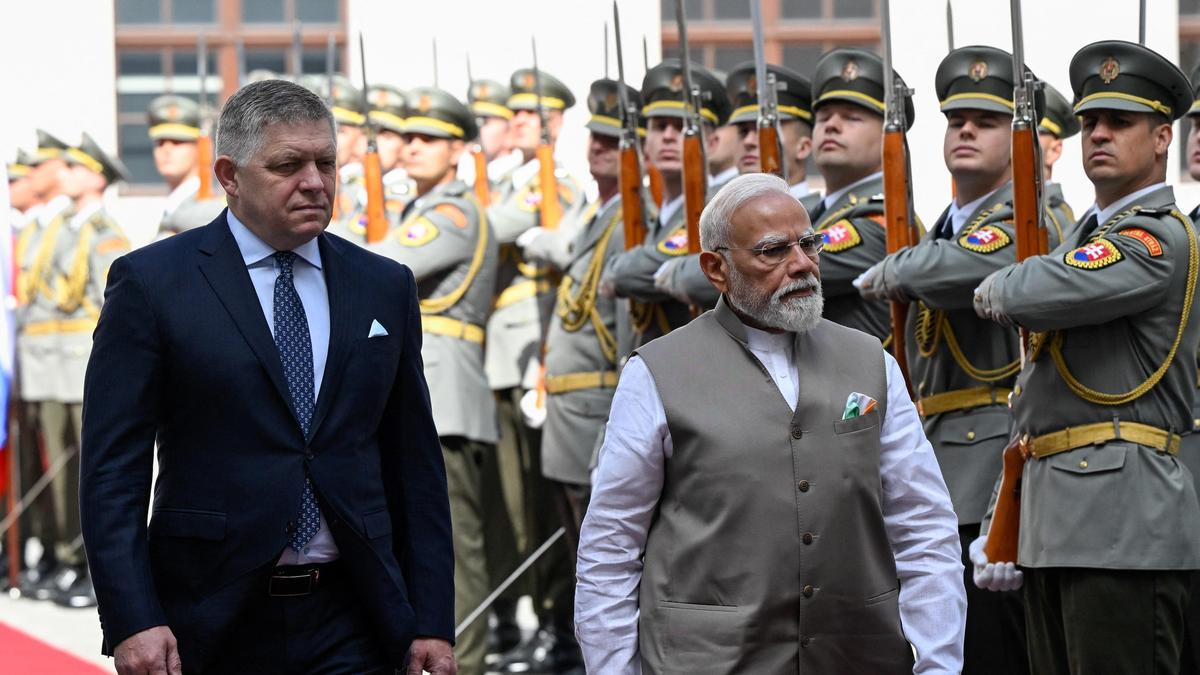
Modi’s visit offers Bratislava a chance to expand trade, attract investment and strengthen ties with a rising global power.
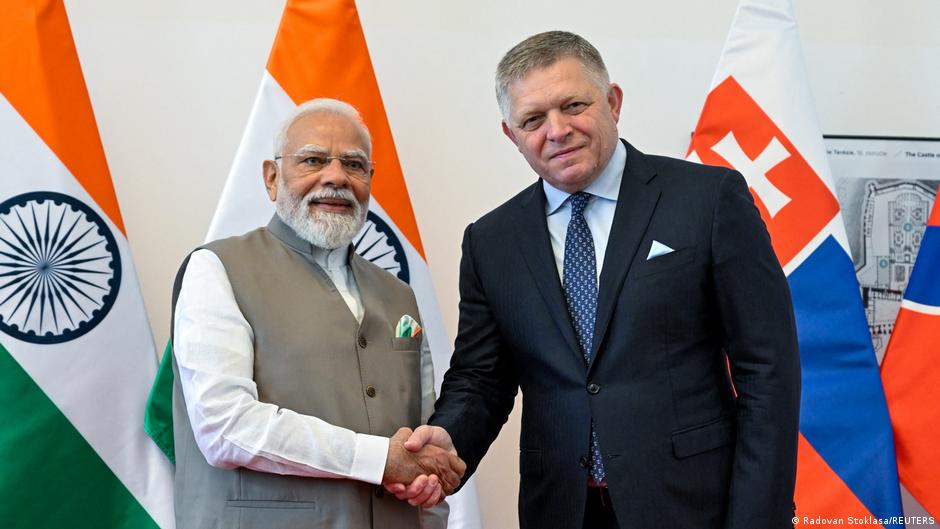
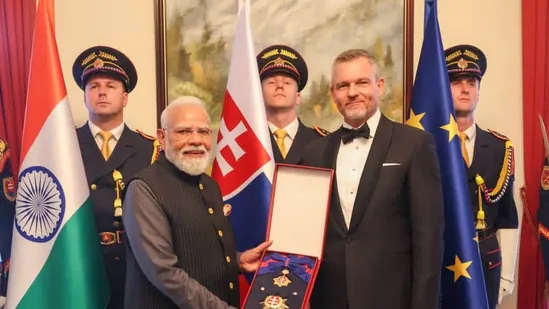
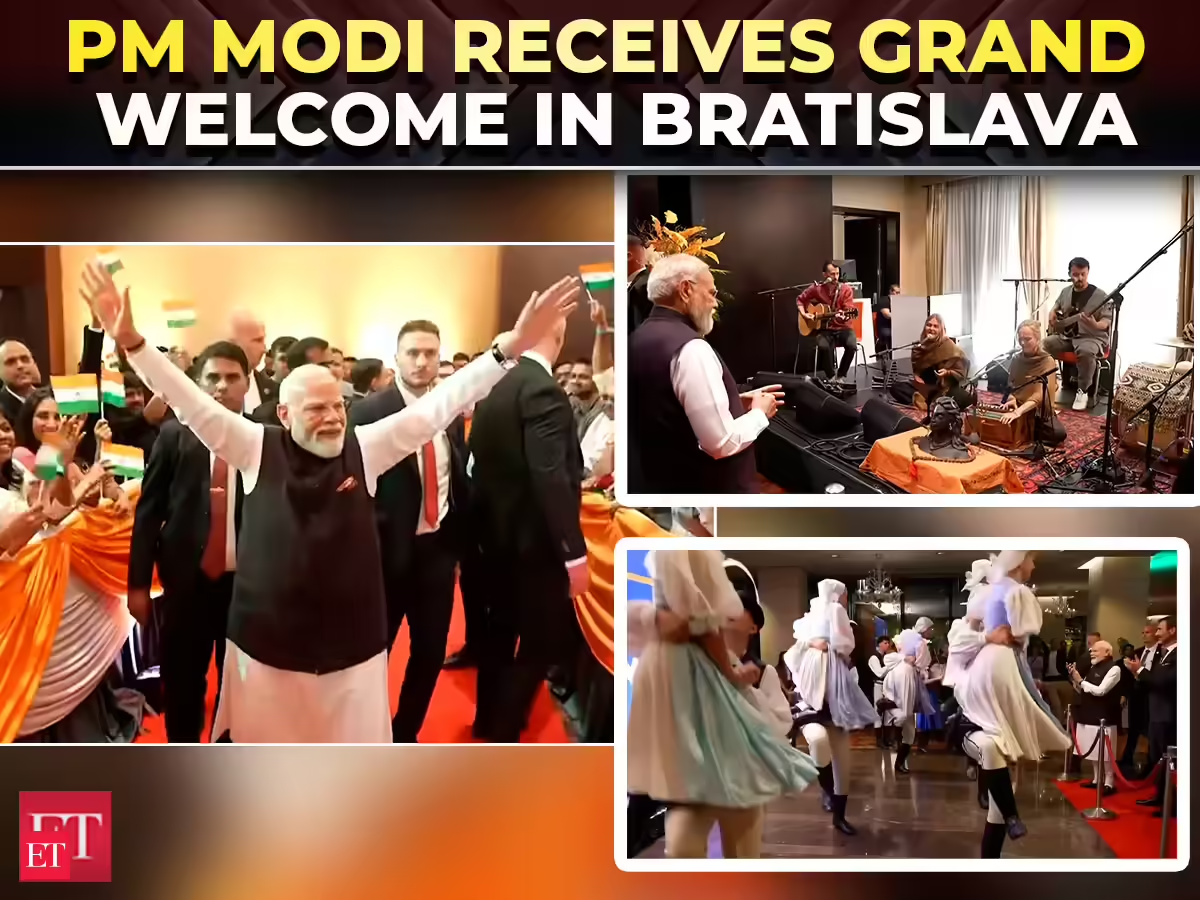
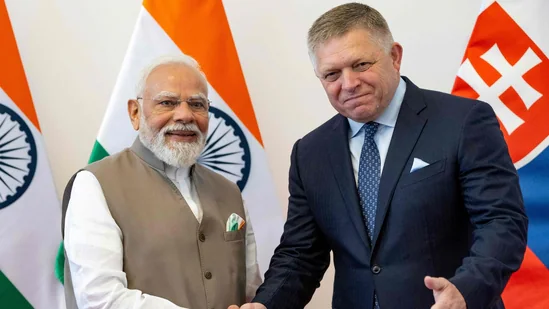
Monday’s visit by Indian Prime Minister Narendra Modi to Slovakia could be the most important foreign visit of this parliamentary term, writes Matej Šimalčík, Director of the Central European Institute of Asian Studies (CEIAS), in his commentary on the visit.
Today, depending on the methodology used, India is either the world’s sixth-largest economy by GDP or the third-largest in terms of purchasing power parity. However, when these figures are calculated on a per-capita basis, Slovakia performs considerably better.
India is currently the world’s most populous country, with approximately 1.48 billion inhabitants. In January this year, it signed a free trade agreement with the European Union. While the EU economy, viewed as a single entity, is more than five times larger than India’s, India enjoys far greater growth prospects.
“A key motivation behind concluding the free trade agreement was the fact that India can help Europe reduce its exposure to risks stemming from China, as well as from the unstable trade policies of the United States,” Šimalčík writes.