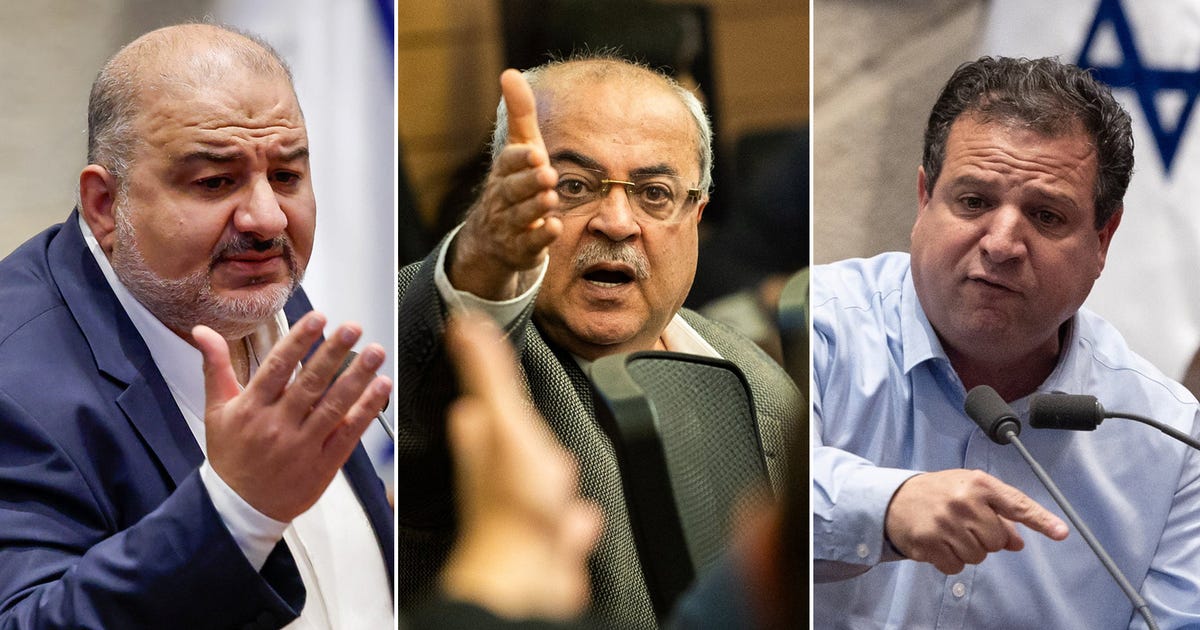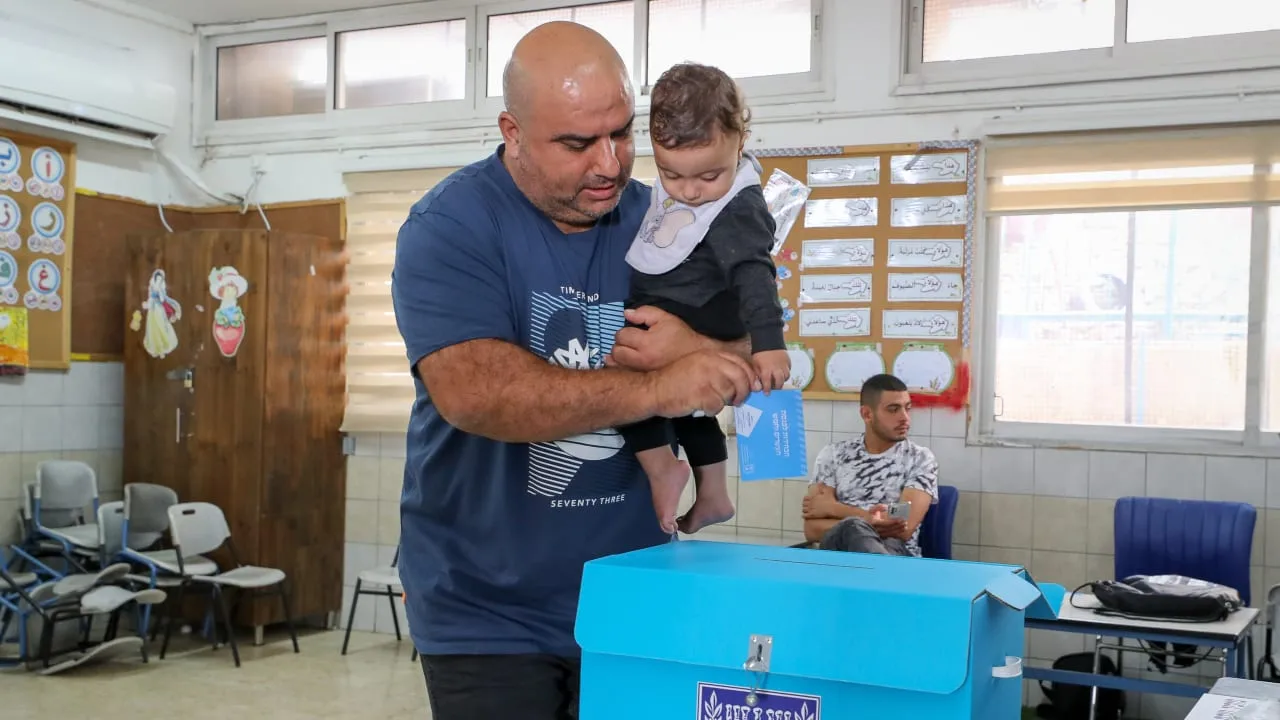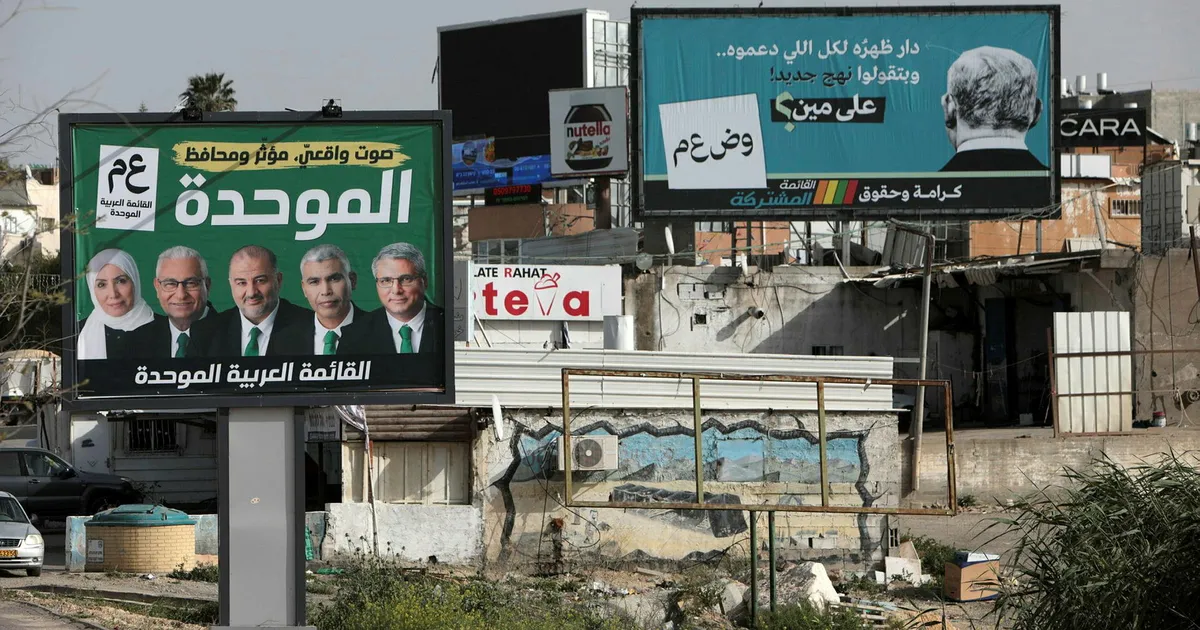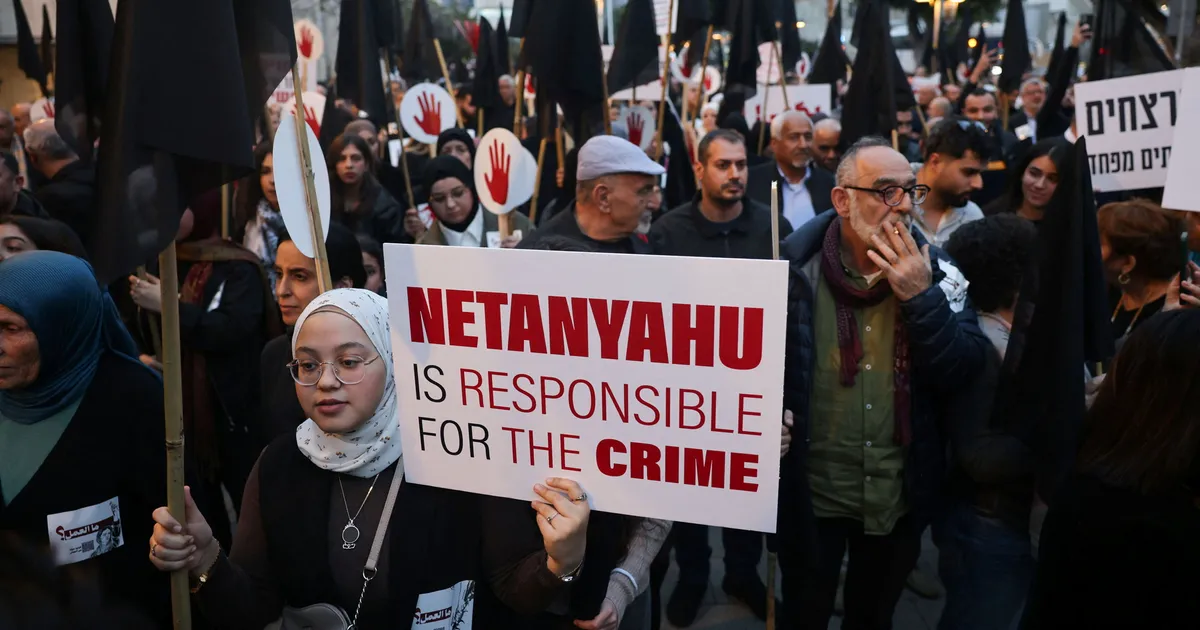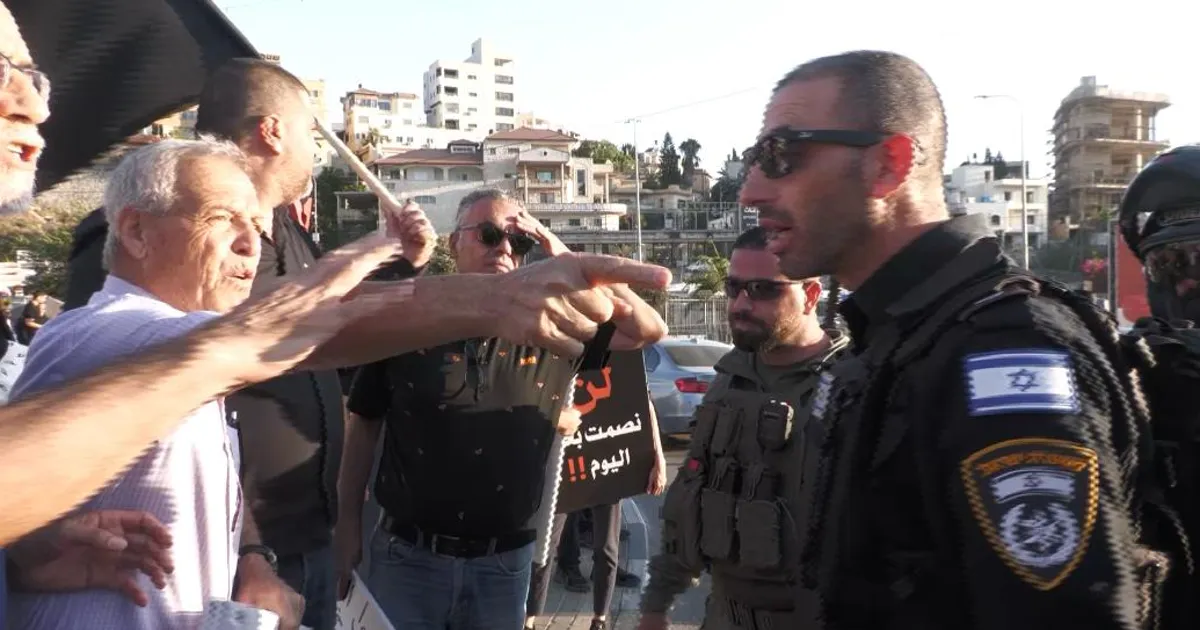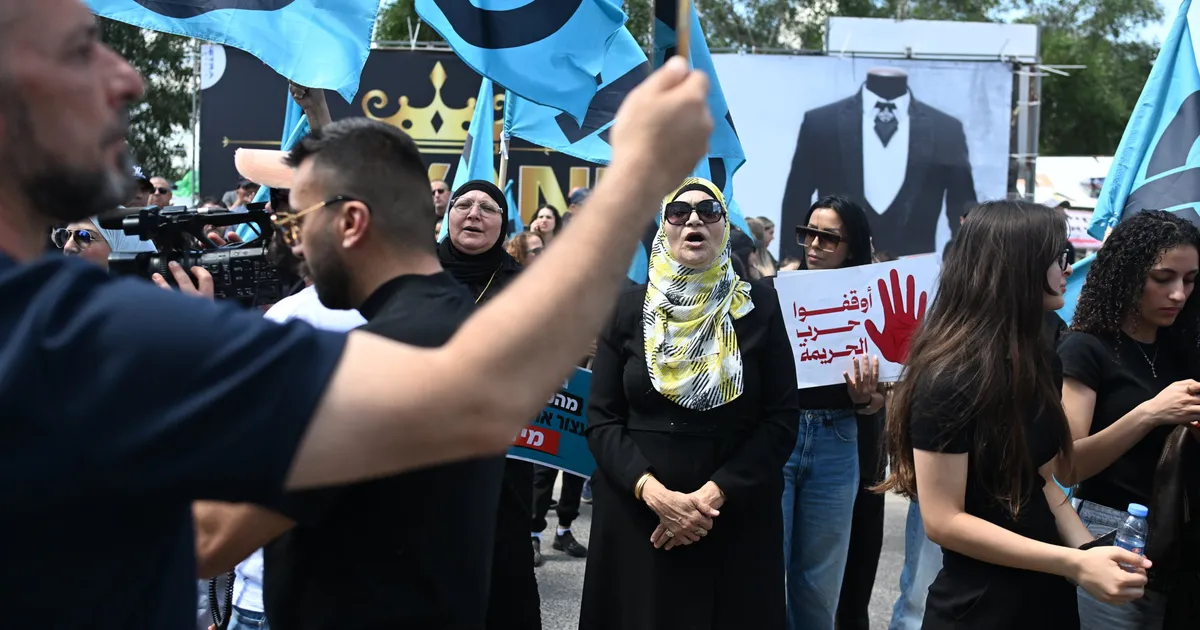
Israel's Arab community is preparing for a fight for voter turnout, in a bid to end four years of a far-right government that has seen rising deadly violence and institutional delegitimization. Some observers view this crisis as an opportunityAnger can be a powerful motivator. But the line between revolutionary rage and political alienation is often thin. After four years of unbridled violence under a far-right government, many Arab citizens of Israel still appear undecided about whether to vote. Researchers, public figures and political activists say Arab turnout will be shaped by several key factors: the rise of the Jewish far right, rampant crime and violence within Arab communities, concerns over personal security, and whether the Arab parties decide to run on a joint slate."Voter turnout in the Arab community depends on many variables, but the most critical is the Jewish far right's rise to power," says Prof. As'ad Ghanem of the University of Haifa's political science department. That concern unites many Arab citizens and strengthens support for a joint Arab slate. But will it be enough to bring more voters to the polls?Neveen Abu Rahmoun, a former Balad lawmaker in the Joint List, agrees that Israel's political radicalization is changing the calculations of Arab voters. "Political participation cannot be analyzed in isolation from the current reality," she says. Both Abu Rahmoun and Ghanem argue that Israel's conduct in the Gaza Strip, Lebanon and the West Bank, together with nationalist legislation and the state's broader treatment of Arab citizens, is no longer perceived as a collection of distant issues. "People understand that these things have direct implications for their sense of security, their civil status and the future of their children," Ghanem says.Residents of Rahat protesting against the war in Gaza, last year. Credit: Ilan AssayagResidents of Rahat protesting against the war in Gaza, last year. Credit: Ilan AssayagVoting in Kafr Qasem in 2022. Credit: David BacharVoting in Kafr Qasem in 2022. Credit: David BacharBut not everyone is sure that years of such difficulties will do the trick alone. Prof. Doron Navot, a political scientist and head of the Jewish-Arab Center at the University of Haifa, says he doesn't expect these things to automatically boost or dampen Arab voter turnout. "Everything depends on how the Arab parties choose to convey the political reality to the public," he contends. Navot says it is not only what the government does, but how Arab political leaders channel feelings of frustration, anger and alienation into political motivation and civic participation. "Elections aren't just a referendum on government policy," he stresses, "but also a test of the public's trust in its representatives and their ability to present a credible and convincing political vision and path." Prof. Raef Zreik, a jurist and political philosophy scholar at the Van Leer Jerusalem Institute, says two main factors will influence Arab voter turnout. "One is the level of trust of the Arab community in the Arab parties and their ability to represent it and influence the political reality," he argues. "The second is the degree of the political system's openness to Arab voices. How willing is it to seriously listen to their demands and integrate them into decision-making processes?" Between despair and hope Abu Rahmoun summarizes the two factors Zreik enumerates in one word – hope. "Arab citizens must believe their political representation within the Israeli system can truly change something in their lives," she says. Trust is the most influential factor in political participation." Although she agrees that forming a joint slate is a step that could contribute to rebuilding trust, she believes it is insufficient. "The public wants a political vision that is responsive to daily hardships and offers a remedy for its collective anxieties," she says. "One that strives to give citizens a sense of security." For Arab citizens, a sense of security is a complex matter containing several layers. One comprises the inherently tense relations with the Jewish majority, which are in flux due to delegitimization and persecution by the right-wing government. Another is a deteriorating sense of personal security, amid the rise in deadly crime that has claimed more than 120 lives in 2026 to date. "The issues of personal security and political persecution may impact the election in two opposite directions," says Rawya Handaqlu, director of Eilaf - The Center for Promoting Security in Arab Communities. "On the one hand, deep despair and distrust in the state and the political system could depress voter turnout, as many no longer believe in their ability to influence or effect change. On the other hand, precisely because it is an existential issue, it has the potential to motivate people to go out and vote. The understanding that national priorities, policies and budgets are determined in the political arena may strengthen the sense of civic responsibility." Rawyah Handaqlu. Credit: Rami ShllushRawyah Handaqlu. Credit: Rami ShllushNasreen Haddad Haj Yahya, a senior researcher and co-CEO of NAS Research and Consulting, which specializes in the integration and social mobility of the Arab community in Israel, calls this "the existential aspect" of the current election campaign. "In recent years, the Arab public sphere in Israel has been shrinking," she says. "Street violence is claiming more and more lives, local authorities are in crisis, development budgets are suffering, and young people feel their future is slipping away." Haddad Haj Yahya warns against translating this sense of crisis into an election boycott. "The bitter truth is that whoever is not at the table becomes part of the menu," she says. "When they try to erase us, the choice to stay home is not a protest but cooperation with the forces of delegitimization; it is a step toward self-erasure." "Indifference isn't destiny; some political operations benefit from this despair," she says. "The fewer people who vote, the easier it is to push us aside. They essentially push us to willingly cede our power, in a type of engineering of despair." She calls the ballot box "our last line of defense." She adds: It's the way to say: We're here, we're a force, and we're not going to disappear. Hope isn't something you wait for, but something you create." Here, everyone agrees, the responsibility rests not only on the Arab parties – but also on the Jewish opposition parties, which see themselves as a liberal alternative. Meanwhile, former "government of change" leaders Naftali Bennett and Yair Lapid declared they wouldn't form a government relying on Arab support. Nasreen Haddad Haj Yahya. Credit: Emil SalmanNasreen Haddad Haj Yahya. Credit: Emil Salman"You can't talk about democracy and equality and at the same time treat the Arab voice as a spare tire, only useful during a political crisis," says Dr. Haddad Haj Yahya, "True partnership is a common interest, not a favor someone does for someone else." Handaqlu agrees. "The national conversation that excludes Arab citizens from the realm of political legitimacy directly impacts voter motivation. The fight against crime and violence must be not only the central banner of the Arab slates, but also a significant test for anyone seeking to replace the current government and lead real change." How impactful will a decision to form a joint slate will have on Arab voter turnout?"According to the latest polls, if the Arab parties run separately, voter turnout in the Arab community is expected to be 52-54 percent. If a joint slate is formed, it is expected to jump to 60-63 percent," says Dr. Samer Swaid, director of the Arab Center for Alternative Planning and a voting activist. "If a joint slate is formed and a strong, convincing campaign is run, voter turnout in the Arab community could surpass the 70 percent mark this time." Prof. As'ad Ghanem.Prof. As'ad Ghanem.Arab parties are aware of the data, yet the situation on the unity front does not look promising. The four parties have not run together since 2020, when the Joint List won 15 seats. After Hadash, Ta'al and Balad called for the formation of a joint slate, and the United Arab List expressed willingness, negotiations reached a dead end. Now the first three are considering declaring a three-party joint slate – and leaving an opening for Mansour Abbas to join them later. Researchers and pollsters from the Arab community say that a partial unification into two Arab slates, as is emerging at this stage, is not ideal for encouraging voting but remains preferable to three competing slates. The latter scenario, analysts warn, could waste tens of thousands of votes if one of the slates does not pass the electoral threshold. In any case, they expect disunity to dramatically lower voter turnout. Failure to form a joint slate could also drag the competing parties into infighting and mutual recriminations. Arab Knesset party leaders after they declared their intent to unite, January. Talks later broke down.Arab Knesset party leaders after they declared their intent to unite, January. Talks later broke down.The southern voice Voter turnout in one essential area – the Negev – is expected to influence the overall Arab rate. Their relative size has grown over the years, but the area is characterized by particularly low voter turnout, especially among women and youth. Former lawmaker Taleb el-Sana, chairman of the Negev Bedouin Higher Steering Committee, describes a complex picture. On the one hand, he says, there is "a broad understanding among residents that these elections are decisive in light of government policies and the daily destruction of villages, including plans to expropriate lands" under various pretexts. Credit: Tess ScheflanOn the other hand, the lack of access to the ballot box – physically and culturally – remains a significant barrier for many residents. "In dozens of unrecognized villages, there are no polling stations at all. Some residents have to travel about 50 kilometers in each direction to vote," explains el-Sana. "When there's no available public transportation and not everyone has a private car, this is a real obstacle." Bennett and Lapid, last month. Their rejection of Arabs as legitimate partners may impact Arab voter motivation. Credit: Itay CohenBennett and Lapid, last month. Their rejection of Arabs as legitimate partners may impact Arab voter motivation. Credit: Itay CohenAs for a joint slate, el-Sana does not see one as the be-all and end-all. "Previous joint slates didn't always lead to a dramatic jump in voter turnout," he explains. "The only time we reached exceptional voter turnout was in 1999, when about 67 percent of eligible voters in the Negev voted. In the last election, we barely passed the 50 percent threshold. That's a catastrophic situation." The steering committee is working vigorously to make things look different in these elections. The committee drew up an action plan to increase voter turnout. It's recruiting many activists, including students and clan leaders. "Our goal is to reach every eligible voter and get them to the ballot box. We're setting up transportation and persuasion efforts, and will use all legitimate tools to encourage voting," says el-Sana. "Ultimately, this is a struggle between ideological camps. We want to strengthen the forces that believe in peace, equality and social justice."
From Jewish far right to crime: What will drive Arab voters to the polls?
Israel's Arab Community Is Preparing for a Fight for Voter Turnout, in a Bid to End Four Years of a Far-right Government That Has Seen Rising Deadly Violence and Institutional Delegitimization. Some Observers View This Crisis as an Opportunity
TL;DRAI
Arab voters in Israel weigh elections shaped by far-right rule, crime surge (120+ 2026 deaths), and Arab coalition choices. Turnout depends on whether Arab leaders offer credible security and integration solutions, not opposition messaging—a test of democratic trust.
1,840 words~8 min read