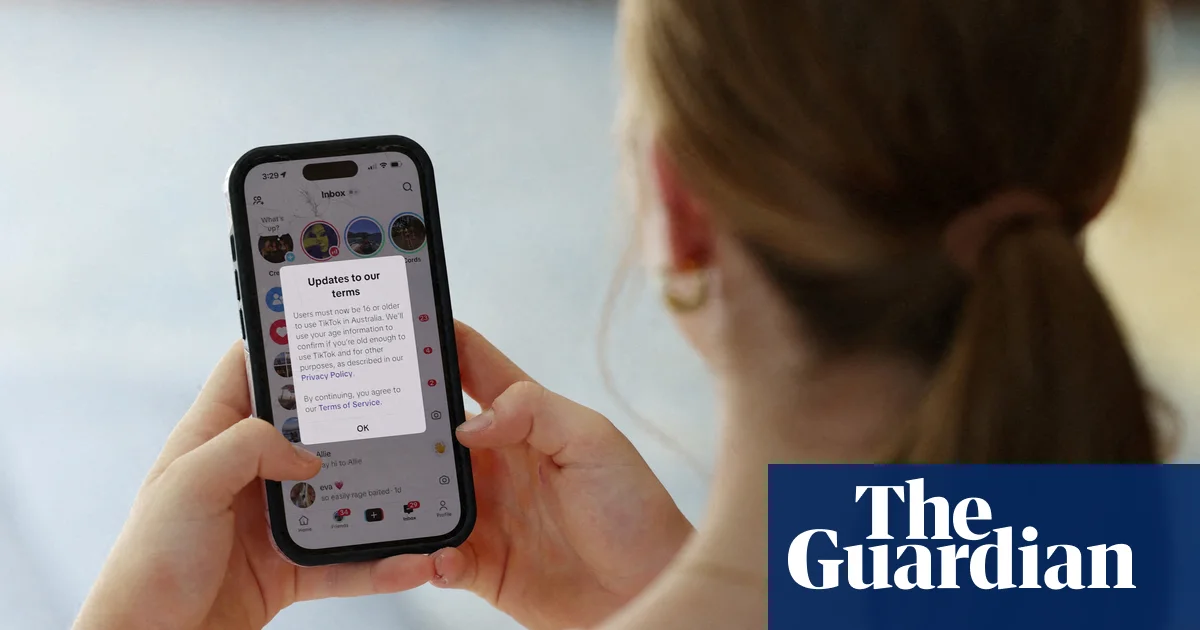
An age ban lets social media platforms off the hook far too easily. They’ve been left unregulated for far too long, making money off exploitative and dangerous features that put all users at risk. What makes a 17-year-old girl less vulnerable to grooming by a stranger than a 15-year-old? Shouldn’t we ban the ability of strangers to contact young people, instead of allowing them to prey on newly turned 16-year-olds who have no experience spotting their tactics?
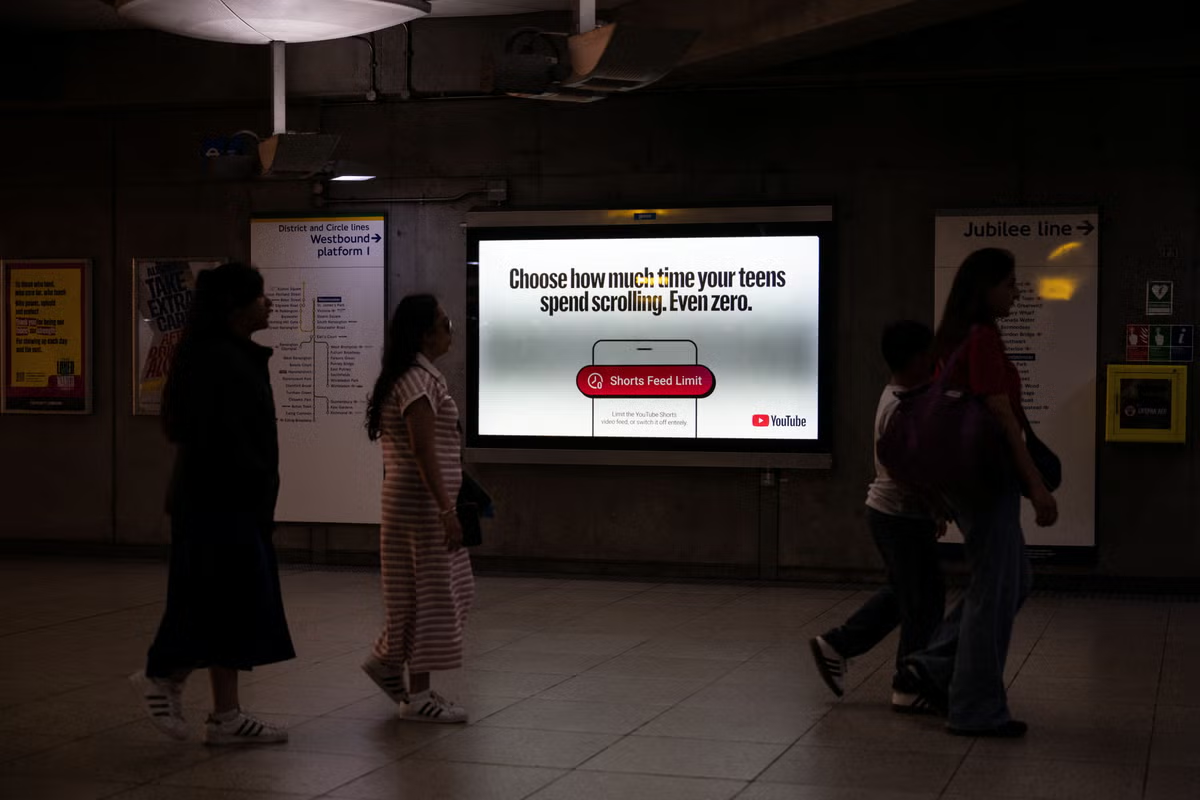
These are the kinds of specific functionalities we must focus on if we want social media ever to be a safe place for anyone, including young people. Endless algorithmic feeds designed to keep you online for hours, AI chatbots that encourage suicide and self-harm, direct messaging from strangers, and recommendation engines that rapidly push harmful content — these are the real issues.
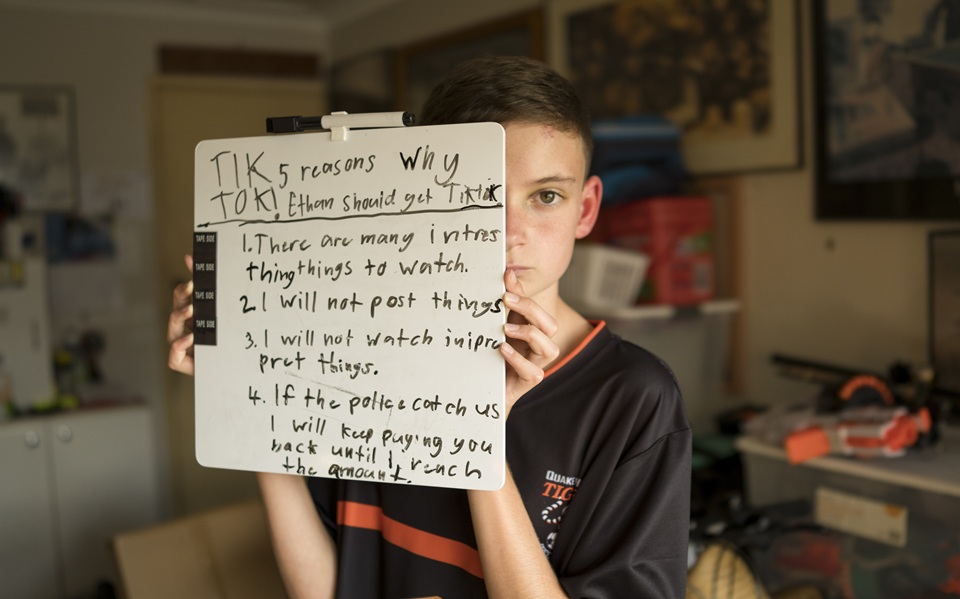
A platform may disappear, but these features can and will simply reappear elsewhere. Teens will be moved onto the kinds of niche web forums that have historically been the home of the most extreme harmful content. They will use new, untested platforms in secret, exposed to the sorts of exploitation and predatory behaviour that is already banned on mainstream social media platforms. And more worryingly, if using social media is a prohibited activity, a young person who is being cyberbullied, blackmailed, harassed, or stalked online will be even more reluctant than they already are to tell a parent or teacher, for fear of getting into trouble themselves.