Get the latest news and updates from Dawn
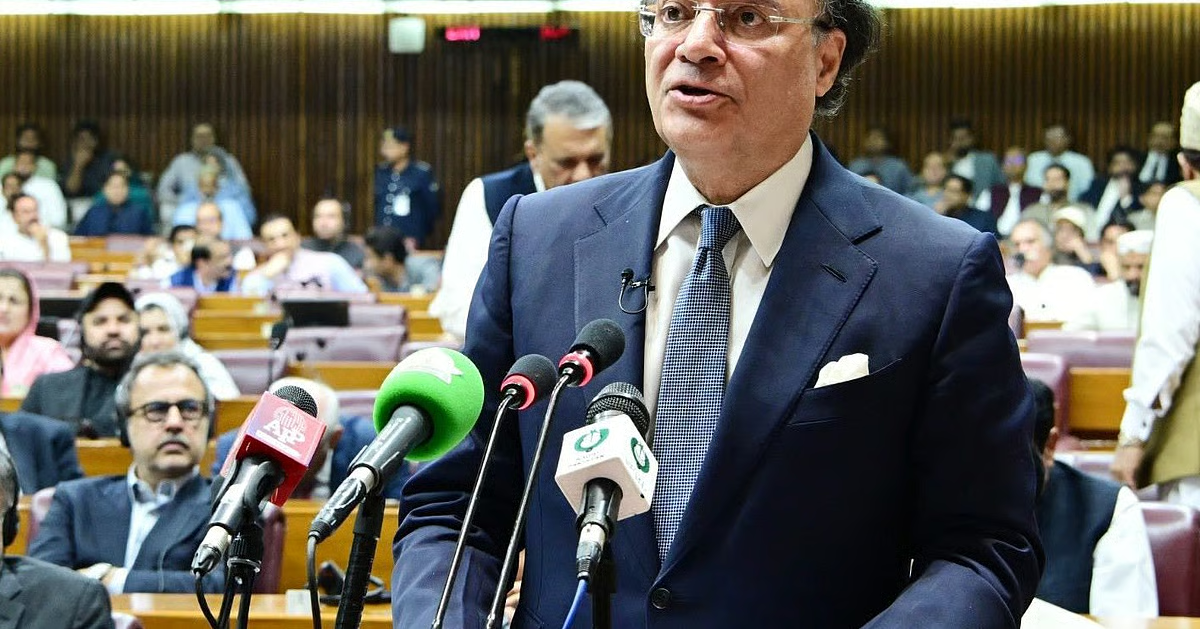
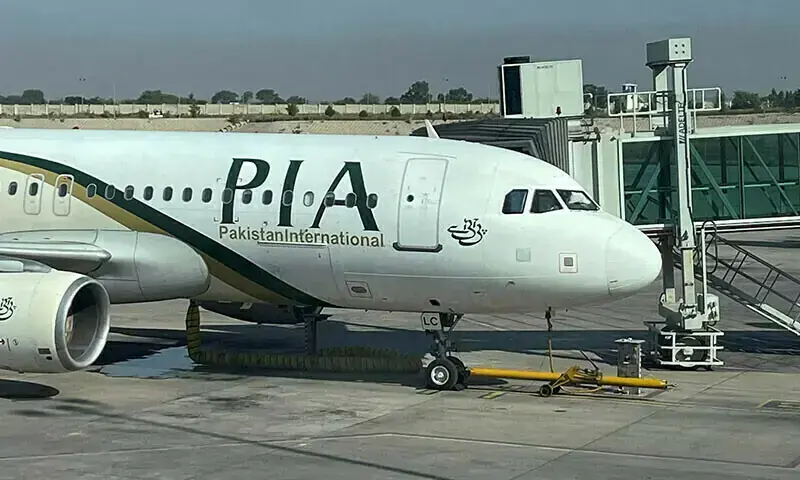
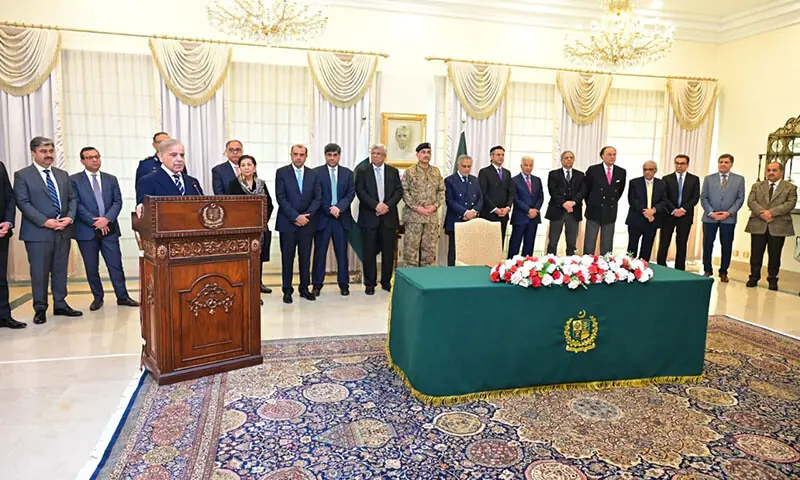
On June 12, 2026 — the same day Finance Minister Muhammad Aurangzeb presented Pakistan’s federal budget — President Asif Ali Zardari signed the bill, completing the last legal requirement for the privatisation of Pakistan’s national airline. In the budget itself, the finance minister announced the elimination of federal excise duty on international business-class travel and signalled that airports would be next in the privatisation queue, following the national airline’s model.
The aviation industry was resetting after Covid-19, having crossed $1 trillion in revenues. The year 2026 was expected to be a record year for the aviation industry. But then the Middle East crisis erupted. Not only were many major airlines forced to ground their planes for safety, but the blocking of the Strait of Hormuz massively increased jet fuel prices, forcing some weaker carriers out of business.
Since hostilities erupted in the Middle East, Pakistan’s aviation sector has also been facing both supply- and demand-side challenges. Despite the fact that Pakistan produces all its jet fuel, Pakistan’s airlines were severely impacted due to the substantial increase in crude oil prices required for jet fuel production.