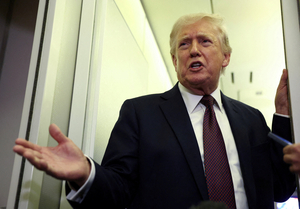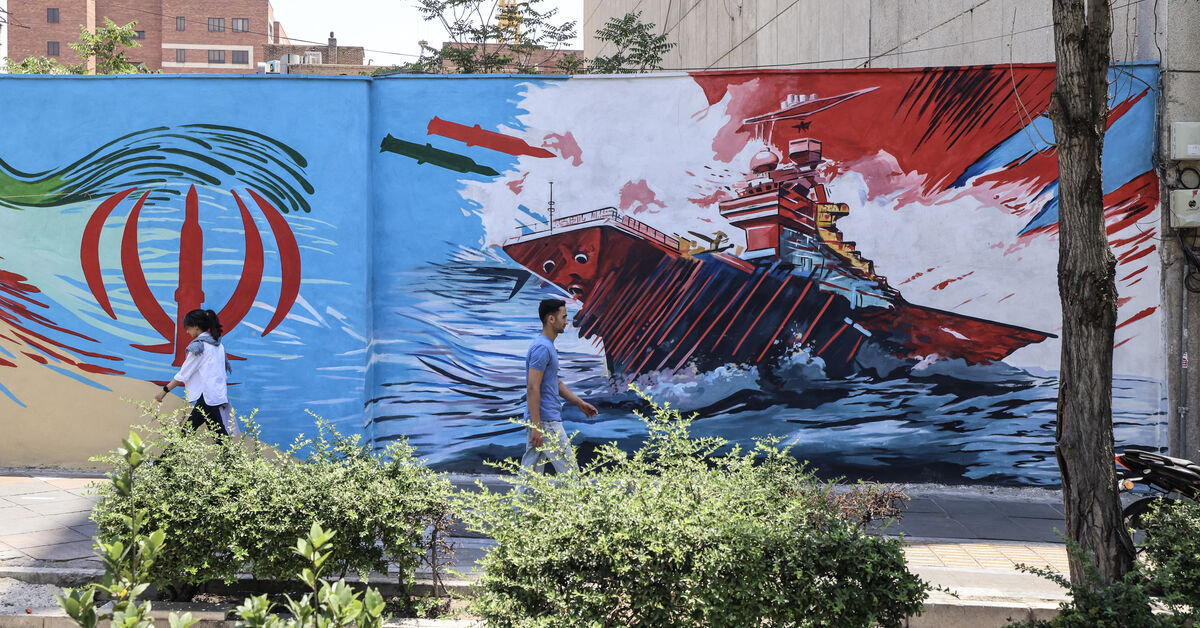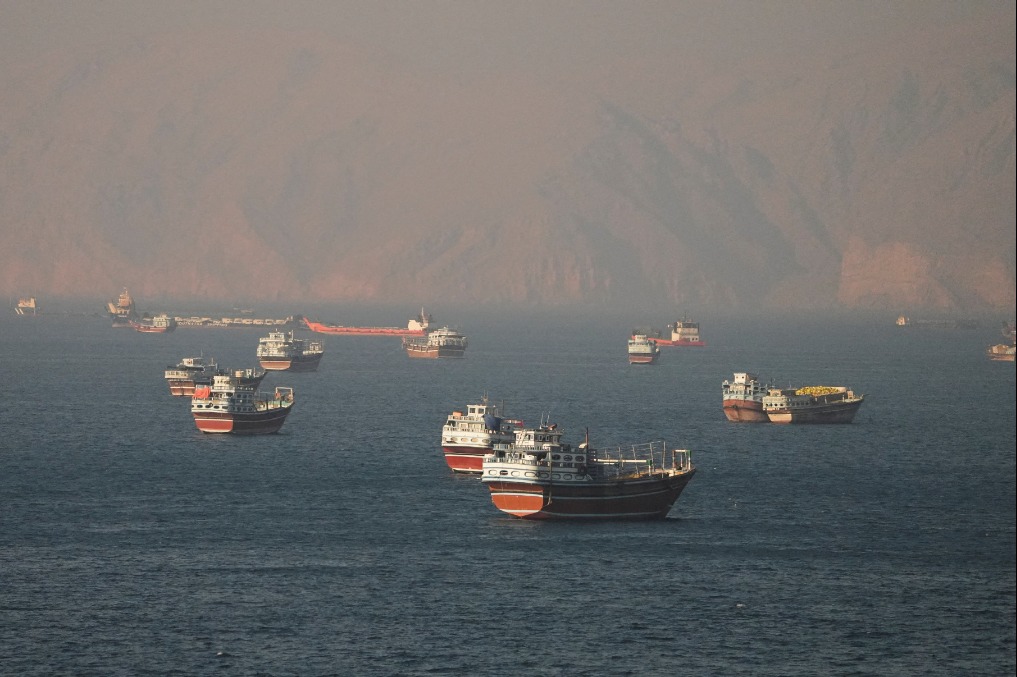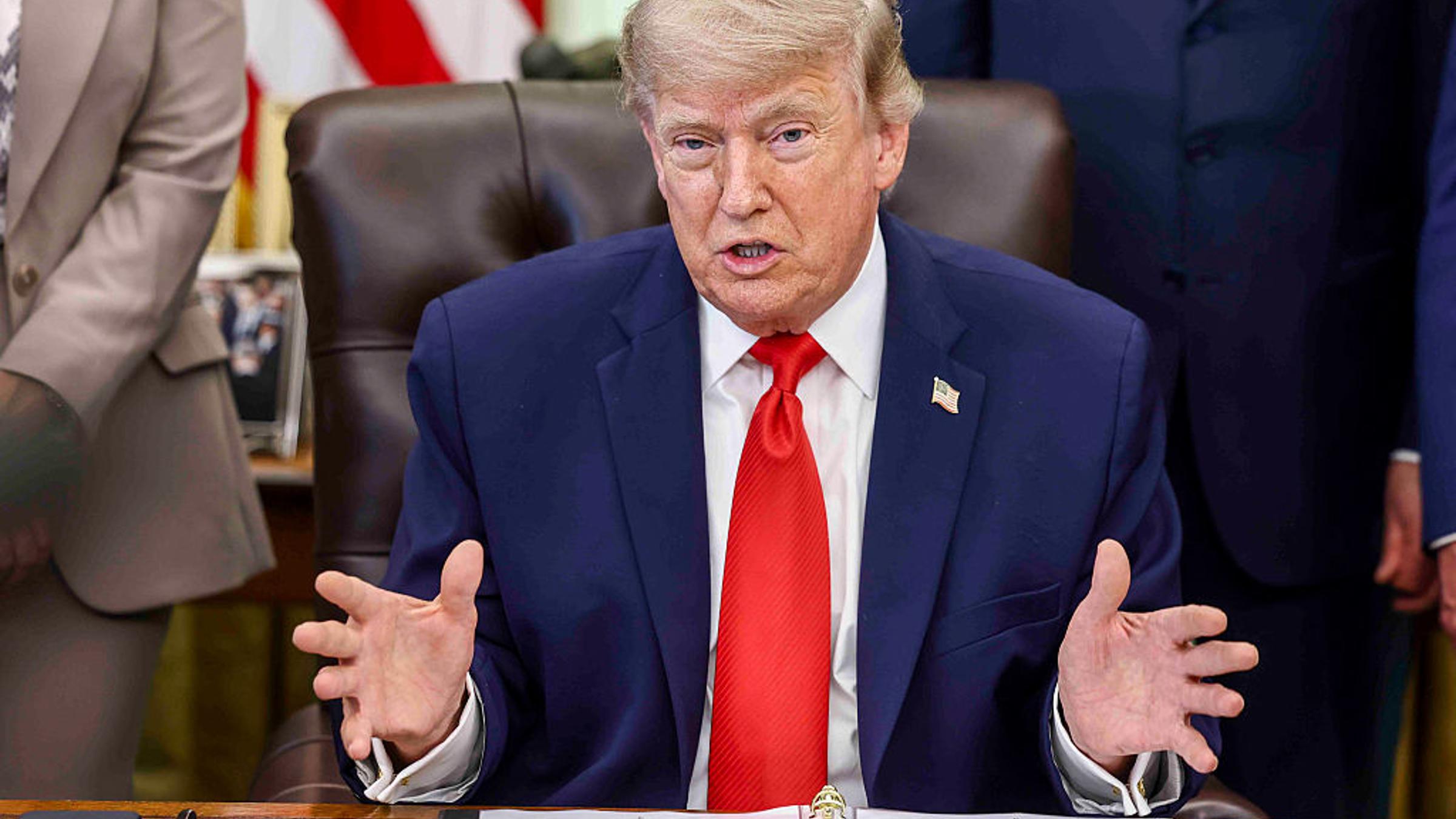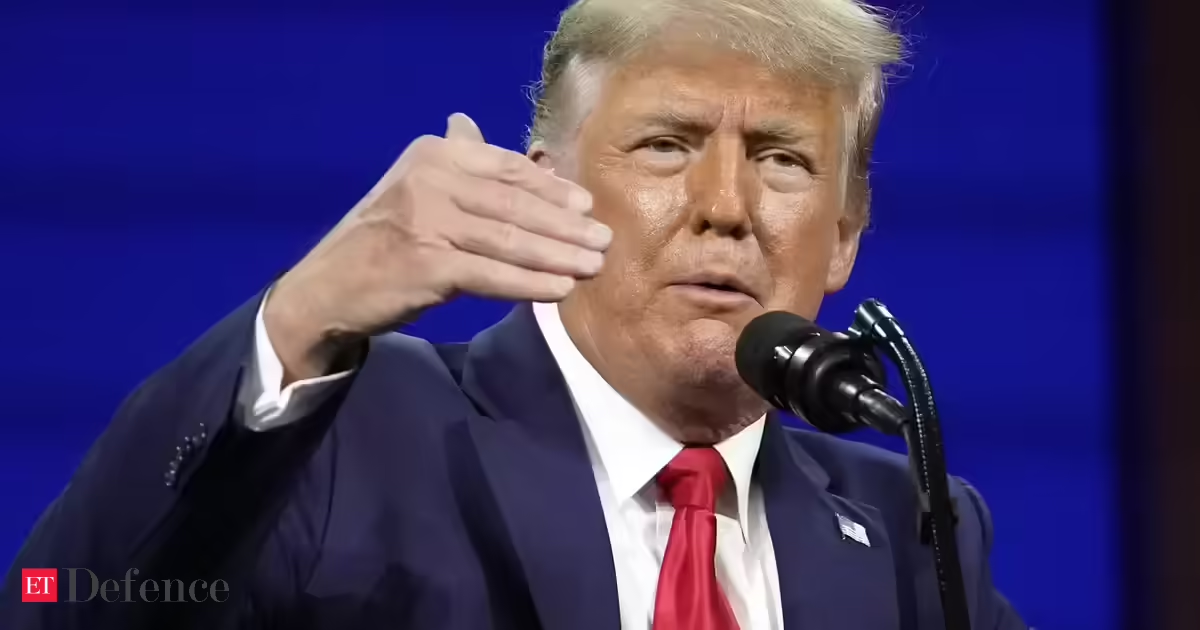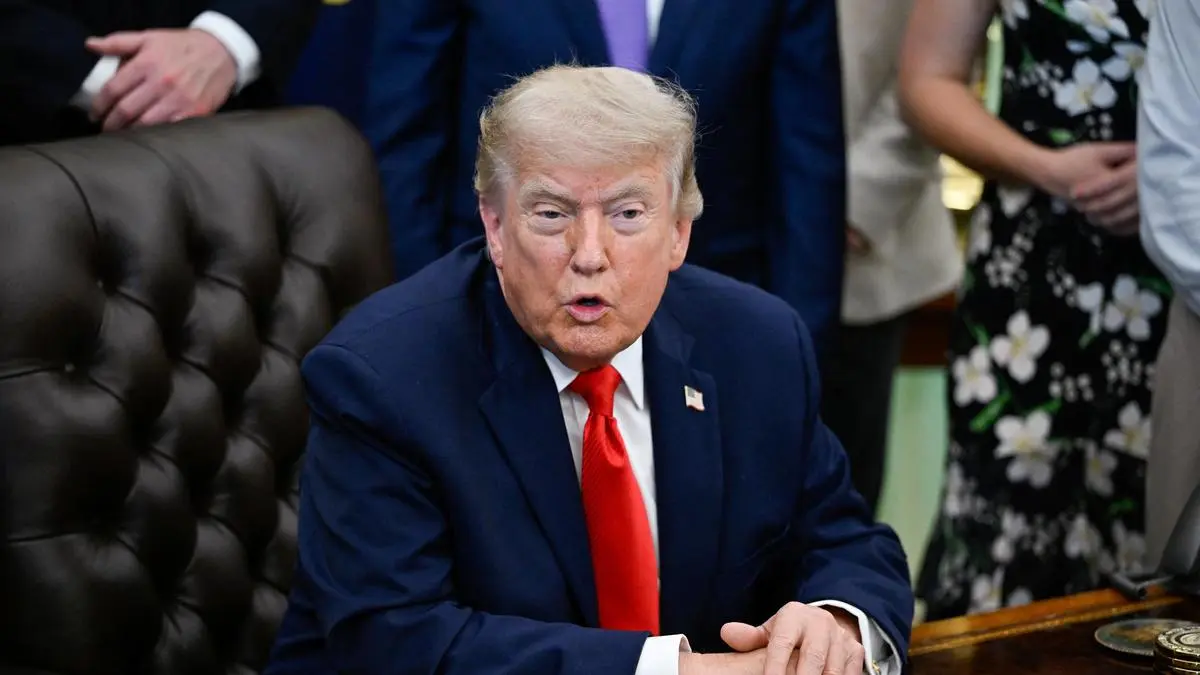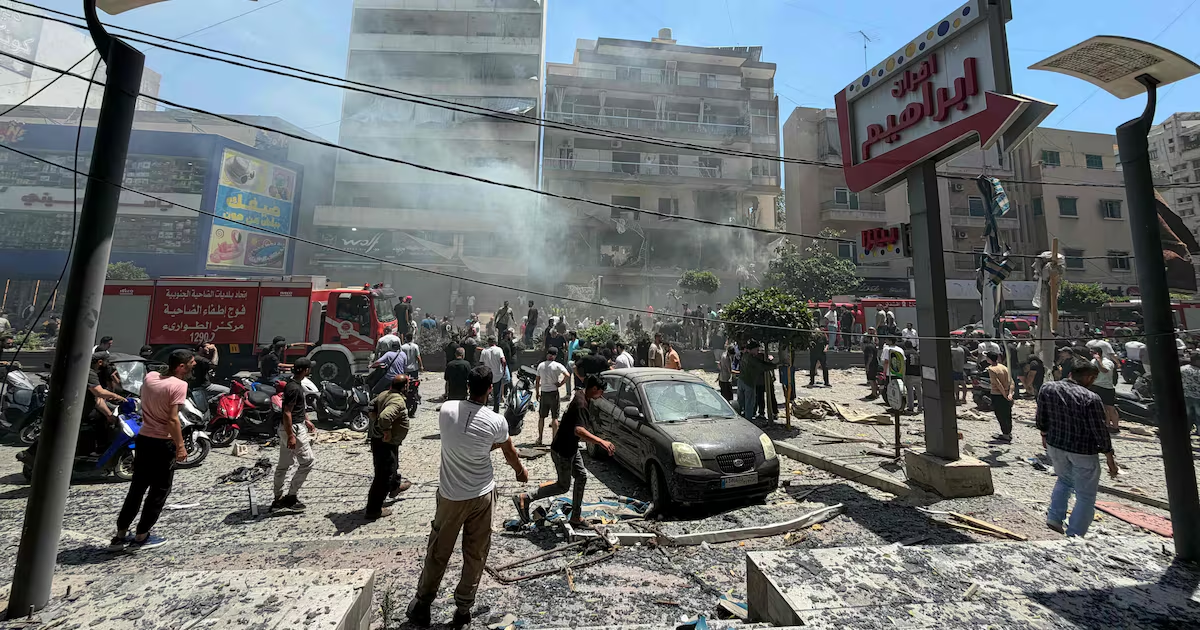
US President Donald Trump on Sunday announced that a deal with Iran has been reached and that he had authorised the Strait of Hormuz to be reopened immediately.Iran confirmed key elements of the deal, and an official signing ceremony is planned to take place in Geneva on Friday. If fully implemented, the deal brings to an end a conflict that Mr Trump launched alongside Israel on February 28. The war cost the US upwards of $30 billion and failed to dislodge Iran's hardline regime, but Mr Trump says the outcome is that Iran will never get a nuclear weapon.Iran's Deputy Foreign Minister for Legal and International affairs, Kazem Gharibabadi, confirmed key points of the deal.Iran’s official news agency IRNA quoted him as saying that starting immediately, there will be a permanent and immediate end to the war on all fronts, including Lebanon.The US naval blockade would also end as of Monday morning, while Iran’s commitments under the agreement would begin after the formal signing on Friday, IRNA reported."With the opening of the Strait upon the signing of the deal on Friday, for purposes of mine removal, oil will flow on both ends again for the region, and the world!" Mr Trump said on Truth Social.In Pakistan, which has been mediating the talks, Prime Minister Shehbaz Sharif said the US and Iran had agreed to a peace deal and to the "immediate and permanent" termination of military operations on all fronts."The deal with the Islamic Republic of Iran is now complete. Congratulations to all," Mr Trump said."I hereby fully authorise the toll-free opening of the Strait of Hormuz, and, simultaneously herewith, authorise the immediate removal of the United States Naval blockade. Ships of the World, start your engines. Let the oil flow!"Mr Sharif said that, with the agreement now in place, mediators will lead a series of meetings this week ahead of a signing ceremony on Friday in Switzerland."These pre-implementation discussions will lay the foundation for the technical talks and the official signing ceremony," he said.The announcements capped an intense day of diplomacy. Mr Trump earlier lashed out at Israeli Prime Minister Benjamin Netanyahu for carrying out an air strike in the southern suburbs of Beirut, on what Israel said was against an Iran-backed Hezbollah target.Iranian negotiator Mohammad Baqer Qalibaf said the attack on the southern suburbs showed the US lacked "the will and ability to fulfil your commitments".Mr Trump told Axios he was shocked to learn of the attack expressed his dismay to Mr Netanyahu.“It is so bad – I couldn’t believe it. An hour before we are supposed to sign the deal,” he said. “He has no judgment. I let him know that.”Mediators from Pakistan, Qatar, Egypt and Turkey played a vital role in narrowing the differences between Iran and the US, sources told The National on Sunday. Of the four mediators, Pakistan and Qatar have played a more active role in the final stretch of talks, they said. Dr Anwar Gargash, diplomatic adviser to President Sheikh Mohamed, praised the country's leadership for its handling of the regional crisis as an agreement neared. The UAE bore the heaviest burden of Iranian strikes on the Gulf during the main phase of the war. In a post on X, Dr Gargash said the agreement could close the chapter on the war and open a political path that he hoped would be successful. He said the UAE leadership demonstrated wisdom, steadfastness and flexibility in managing the repercussions of the conflict.The war has killed thousands of people across the Middle East, caused economic turmoil worldwide and drawn in countries with pro-Iran factions such as Lebanon, Iraq and Yemen. Iraqi militants wave their weapons in Samarra. The war has drawn in countries such as Iraq with pro-Iran armed factions. AFPInfoAn Iranian official told Reuters the deal would provide for the US to waive oil sanctions for a specified period. The US could also agree not to impose new sanctions until a final deal is reached. Iran has previously asked for at least $24 billion in frozen assets to be released as part of an agreement. Some Iranian hardliners have come out in opposition to a deal. In the north-eastern city of Mashhad, demonstrators were reported chanting “death to the compromiser” and “compromiser, resign, resign”. Protests were also reported in Tehran. Negotiations have been on and off again since April after the US and Israel paused their six-week assault on Iran. Pakistan hosted peace talks in Islamabad that initially ended in failure but the country has continued to offer its services as a mediator behind the scenes. “The mediators played different roles during the different stages that weeks of negotiations had gone through, but it was Pakistan and Qatar that had the bigger role in the final stages,” one of the sources said. “It's a memorandum of understanding of 14 points that provides a timeline for resolving every issue. It may take as long as one year to negotiate a permanent settlement of the conflict between Iran and the US.” The ceasefire was at risk of veering off course in recent days as Iran, the US and Israel all carried out some of their heaviest strikes in weeks. The escalation was prompted by an Israeli attack on Beirut last Sunday, which crossed a line for the Iranian leadership. The US also increased enforcement of its naval blockade, firing on at least three ships off the coast of Oman. Israel carried out a further strike on Beirut on Sunday, saying it was responding to rocket fire by Hezbollah. At least three people were reported killed. The aftermath of an Isareli strike on Beirut's southern suburbs. EPAInfoTop negotiator Mohammad Bagher Ghalibaf, speaker of Iran's parliament, said the attack on Beirut showed the US either lacks the will or the ability to fulfil its commitments. But Mr Trump played down the prospect of the strikes derailing the talks, while chiding his Israeli allies for putting the process at risk. “Israel has the right to defend itself against threats, but the attack it was responding to was very small and meaningless,” Mr Trump said. All four mediators are close US allies, but also have relations at some level with Iran. Tehran has attacked its Arab neighbours in the Gulf with missiles and drones since the US and Israel began the war with strikes on Iran in February.Leaders of two of the mediators – Egypt and Qatar – are to meet separately with Mr Trump on the sidelines of this week's G7 summit in France, the White House said.
Iran deal complete, Trump says as he 'authorises' reopening of Strait of Hormuz | The National
Signing ceremony to take place on Friday in Switzerland
1,089 words~5 min read