My day job is at a large tech company. Hundreds of engineering teams, and every one of them is somewhere different on AI adoption. Some are still treating coding agents as a curiosity. Some have quietly rebuilt their whole workflow around them. Most are in the messy middle, and watching that middle is where the idea for Penling came from.
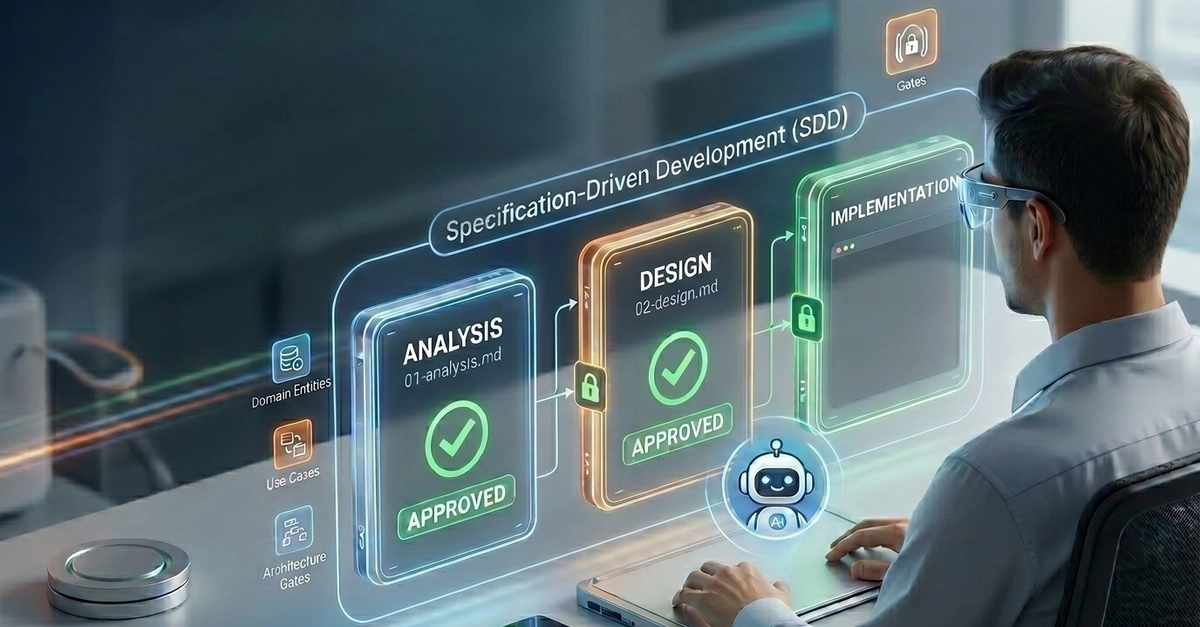
Spec-driven development has arrived, and I think it's the right idea. Tools like SpecKit and Kiro put the specification front and center to the coding workflow, and the results are noticeably better — an agent working from a written spec produces dramatically better output than an agent working from a vibe and a prompt.
But look at where the spec gets written. In the engineer's IDE. In the terminal. At the moment the task gets picked up.
That's a long way from where the product decisions were actually made.
Think about the journey a piece of intent takes before it reaches that terminal. A team decides something — in a planning session, in a strategy doc, in a passing conversation that should have been a meeting. That decision gets compressed into a ticket. Maybe that ticket sits in a backlog for a few weeks. Eventually an engineer picks it up, reads whatever context has been given, and writes a spec for the agent.