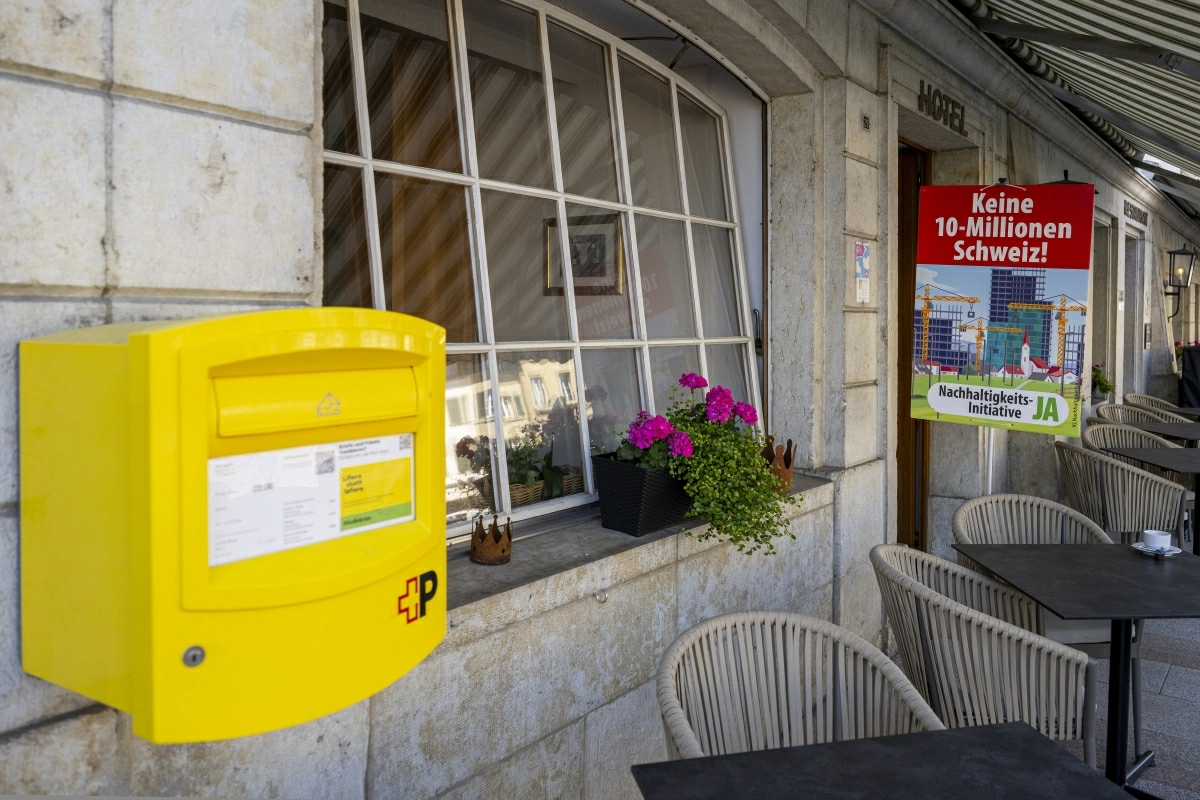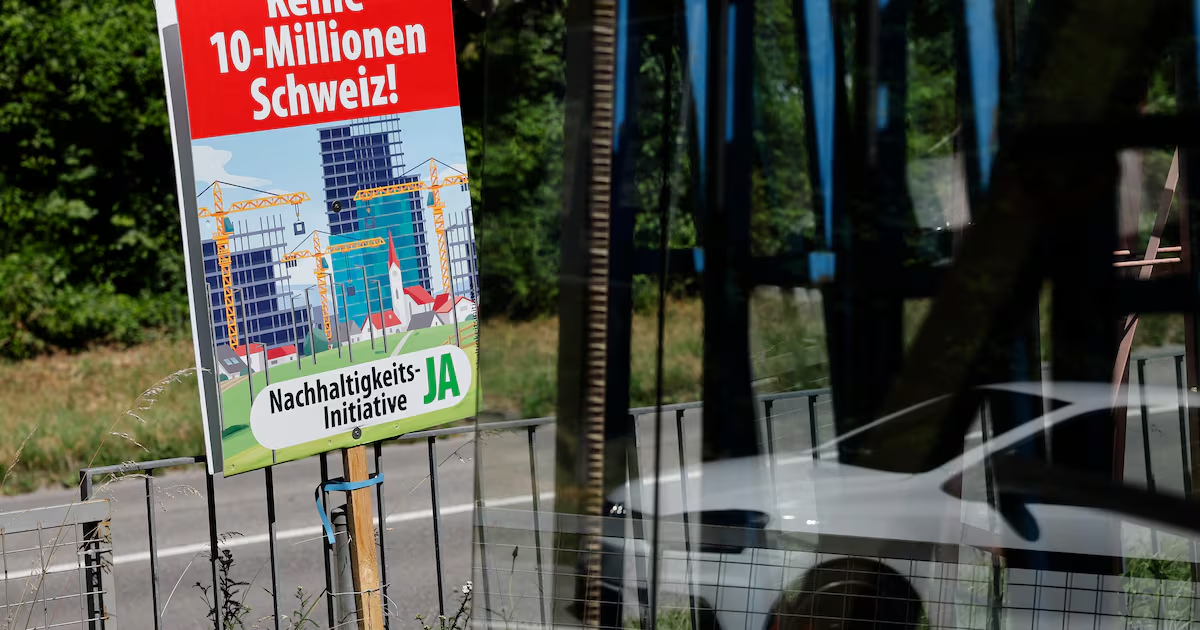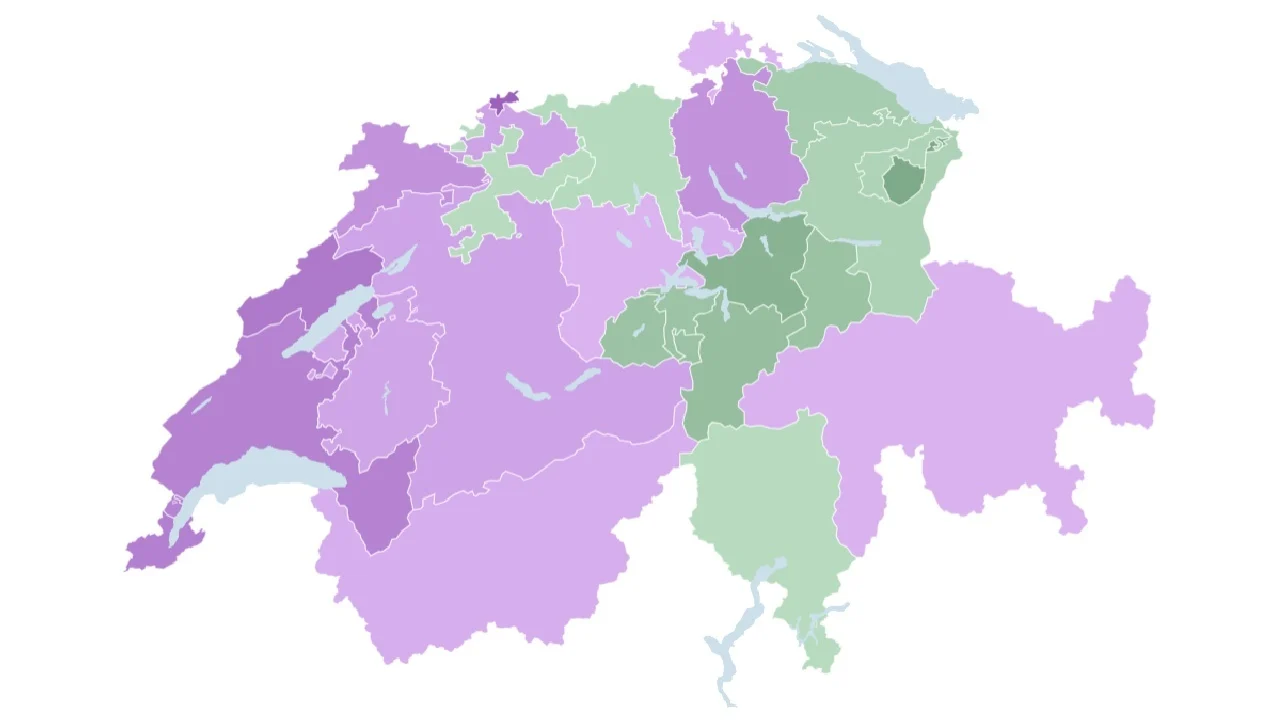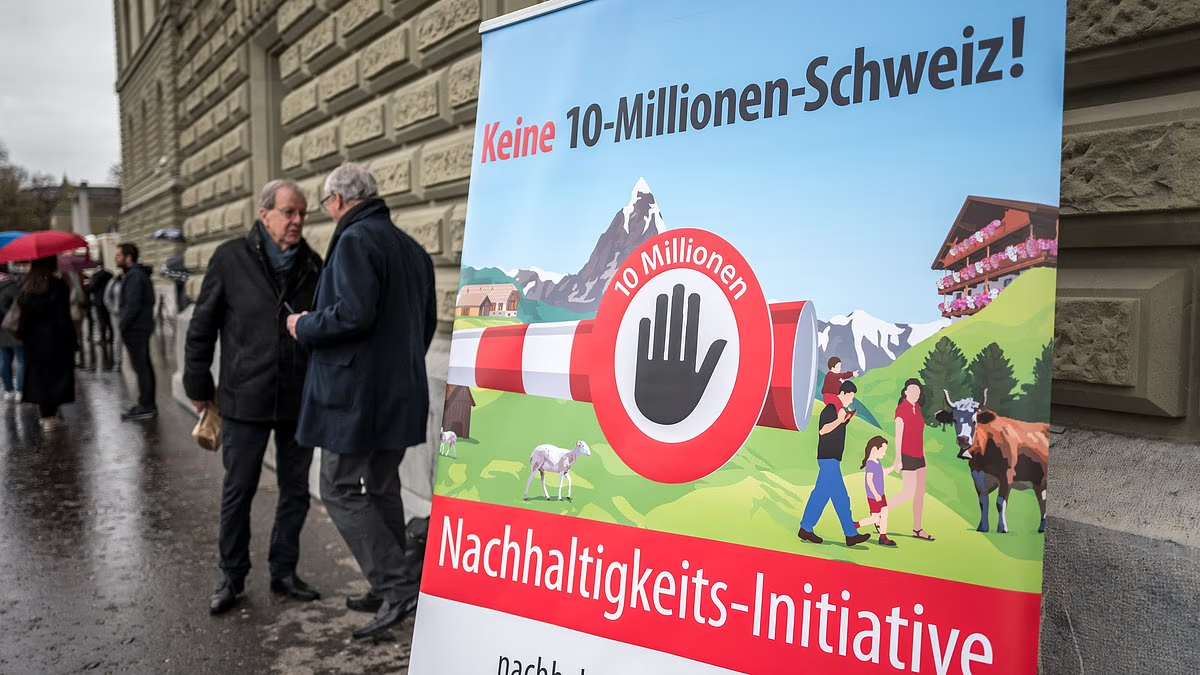
Skip to Content Subscribe Our Offers My Account Manage My Subscriptions FAQ Newsletters Canada Canadian True Crime Canadian Politics Health World Israel & Middle East Financial Post NP Comment Longreads Puzzmo Diversions Comics NP News Quiz New York Times Crossword Horoscopes Life Eating & Drinking Style Sponsored Play for Ontario Travel Travel Canada Travel USA Travel International Cruises Travel Essentials Culture Books Celebrity Movies Music Theatre Television Business Essentials Advice Lives Told Tails Told Shopping Buy Canadian Home Living Outdoor Living Kitchen & Dining Tech Style & Beauty Personal Care Entertainment & Hobbies Gift Guide Travel Guide Amazon Prime Day Deals Savings National Post Store More Sports Hockey Baseball Basketball Football Soccer Golf Tennis Driving Vehicle Research Reviews News Gear Guide Obituaries Place an Obituary Place an In Memoriam Classifieds Place an Ad Celebrations Working Business Ads Archives Healthing Epaper Manage Print Subscription Profile Settings My Subscriptions Saved Articles My Offers Newsletters Customer Service FAQ Newsletters Canada World Financial Post NP Comment Longreads Puzzmo Diversions Life Shopping Epaper Manage Print Subscription HomeNewsWorldSlight majority of Swiss vote against proposed 10 million resident population capBallot was the culmination of months of campaigning during which right-wing groups said Switzerland’s rapidly rising population is causing overcrowding and straining the country’s resourcesAuthor of the article:Last updated 7 minutes ago You can save this article by registering for free here. Or sign-in if you have an account.A citizen casts his ballot at a polling station in Bern, on June 14, 2026. Switzerland rejected a proposal to cap its population at 10 million, as economic concerns of the move outweighed concerns about immigration. Photo by STEFAN WERMUTH /AFP via Getty ImagesSwitzerland rejected a proposal to cap its population at 10 million people, as warnings about economic damage if the radical measure was introduced outweighed concerns about immigration.Enjoy the latest local, national and international news.Exclusive articles by Conrad Black, Barbara Kay and others. Plus, special edition NP Platformed and First Reading newsletters and virtual events.Unlimited online access to National Post.National Post ePaper, an electronic replica of the print edition to view on any device, share and comment on.Daily puzzles including the New York Times Crossword.Support local journalism.Enjoy the latest local, national and international news.Exclusive articles by Conrad Black, Barbara Kay and others. Plus, special edition NP Platformed and First Reading newsletters and virtual events.Unlimited online access to National Post.National Post ePaper, an electronic replica of the print edition to view on any device, share and comment on.Daily puzzles including the New York Times Crossword.Support local journalism.Create an account or sign in to continue with your reading experience.Access articles from across Canada with one account.Share your thoughts and join the conversation in the comments.Enjoy additional articles per month.Get email updates from your favourite authors.Create an account or sign in to continue with your reading experience.Access articles from across Canada with one accountShare your thoughts and join the conversation in the commentsEnjoy additional articles per monthGet email updates from your favourite authorsSign In or Create an AccountorIn a national ballot on Sunday, 55 per cent of Swiss voted against the idea, according to the government. Some 45 per cent backed the initiative.The ballot on Sunday was the culmination of months of campaigning during which right-wing groups said Switzerland’s rapidly rising population is causing overcrowding and straining the country’s resources. The population isn’t too far off their proposed limit, having risen by almost two million this century to 9.1 million.The cap would have marked an escalation in efforts by wealthy nations around the world to put strict curbs on immigration. The vote result will be a relief to businesses after multiple high-profile executives had warned that setting a fixed upper limit on the number of residents, never tried in a modern economy, would cut off vital access to foreign labor and hurt business and investment. The government and the majority of lawmakers in parliament had also opposed the idea.Get a dash of perspective along with the trending news of the day in a very readable format.By signing up you consent to receive the above newsletter from Postmedia Network Inc.A welcome email is on its way. If you don't see it, please check your junk folder.The next issue of NP Posted will soon be in your inbox.We encountered an issue signing you up. Please try againThe concerns of firms like Roche Holding AG, Nestle SA and UBS Group AG had been heightened earlier this year when polls showed that proponents of the cap were ahead for large parts of the campaign. The ‘yes’ side lost that lead in the final polls, but remained close to 50 per centSupporters led by the Swiss People’s Party, or SVP, focused their push on sustainability, casting arrivals as stretching the country past its natural limits. They framed the population cap as a solution to high rents, crowded trains and overbuilding, messaging that connected with many people.Even with the defeat, the sizable support indicates ongoing unhappiness with the level of immigration, which will encourage the SVP and others to continue to try to find ways to introduce limits. That’s been a recurring theme in Switzerland going back decades, where people have used the country’s direct democracy system to repeatedly propose initiatives to stem the inflows of people.SVP lawmaker Thomas Matter, a key figure behind the population cap, said “even a narrow ‘no’ vote is a sensation” because it was a “David versus Goliath campaign – everyone against one.”Indeed, support for the measure was much stronger than the SVP’s share at the 2023 general election, where it came in first with 27.9 per cent of the vote.The SVP’s position aligns with the anti-immigration mood seen in multiple countries around the world and which politicians like Donald Trump in the US, Marine Le Pen in France and Alice Weidel of Germany’s AfD have tapped to grow their support. It’s led to many governments introducing new restrictions and tough crackdowns on migrants, some controversial.Economic warningsIn addition to warnings from some of Switzerland’s biggest corporates, many economists had said the population proposal risked having a significant impact on growth and prosperity. A government study estimated that output at the end of the century would be some 12 per cent lower if the measure was passed.Economiesuisse, Switzerland’s main business lobby, welcomed the result, stressing that sufficient access to skilled workers is essential for Swiss companies. Still, it also voiced understanding of voter discomfort with immigration.“The public has shown politicians a yellow card,” the organization said in a statement. “We need consistent enforcement of asylum laws and better utilization of the domestic labor force.”The rejection of the proposal also avoids a rupture with the European Union, which surrounds Switzerland and is by far its biggest trading partner. A population cap would have threatened the free movement of people between Switzerland and the bloc, and that could have ultimately severed the access of local exporters to the EU’s common market.Lukas Golder, head of pollster gfs.bern, said that the ‘no’ vote is in large part due to French-speaking Swiss in the country’s western regions rejecting it by a wide margin. In cities there — including Geneva and Lausanne — uncertainty over the potential fallout of the cap for the economy and the relations with the EU outweighed support in rural areas.The economic risks look to have been enough to persuade the Swiss not to take chances on such a dramatic measure. It follows a trend of voters repeatedly siding with business interests in the past.Late last year, they rejected a special inheritance tax on super-rich residents and previously blocked more mandatory vacation days and a national minimum wage. Under direct democracy, ballots are held as many as four times a year.Swiss voters’ discomfort with immigration is set to influence important future ballots, including on a package of agreements intended to put relations with the EU on a firmer footing. Ahead of the vote — expected in 2027 or 2028 — lawmakers have proposed to tax immigrants to prevent an overcrowding of the country.In a separate national ballot, Switzerland voted to make it harder to replace mandatory military duty by opting for civil service work. The government had proposed tighter rules to ensure sufficient staffing for the army, prompting a polarizing debate against the backdrop of rising geopolitical tensions.Our website is the place for the latest breaking news, exclusive scoops, longreads and provocative commentary. Please bookmark nationalpost.com and sign up for our daily newsletter, Posted, here. Join the Conversation This website uses cookies to personalize your content (including ads), and allows us to analyze our traffic. Read more about cookies here. By continuing to use our site, you agree to our Terms of Use and Privacy Policy.
Slight majority of Swiss vote against proposed 10 million resident population cap
Switzerland rejected a proposal to cap its population at 10 million, as economic concerns of the move outweighed concerns about immigration.
TL;DRAI
Switzerland voted 55-45 to reject a 10 million population cap after tech and pharma leaders warned of talent constraints. Immigration openness preserves foreign expertise access, vital for tech and biotech sector competitiveness.
1,441 words~7 min read