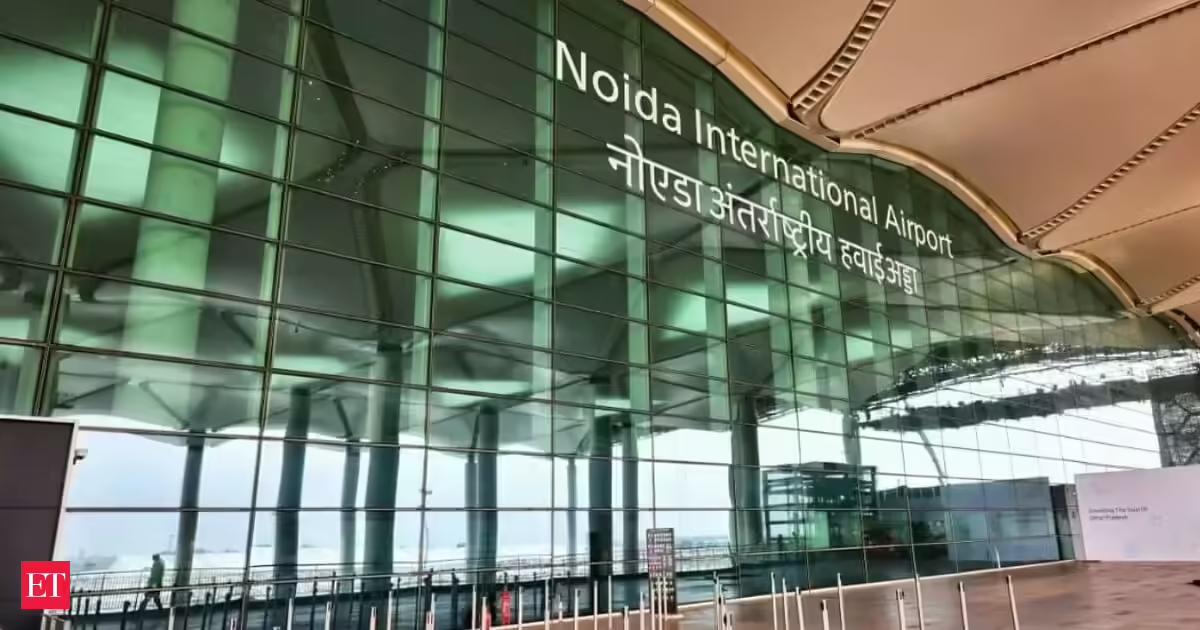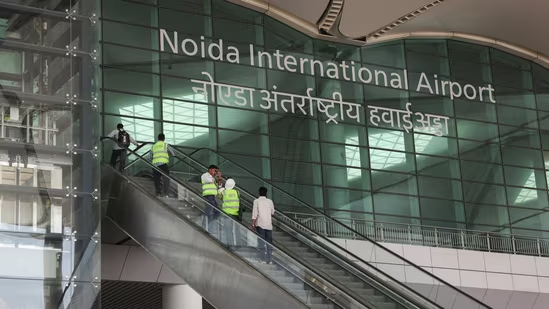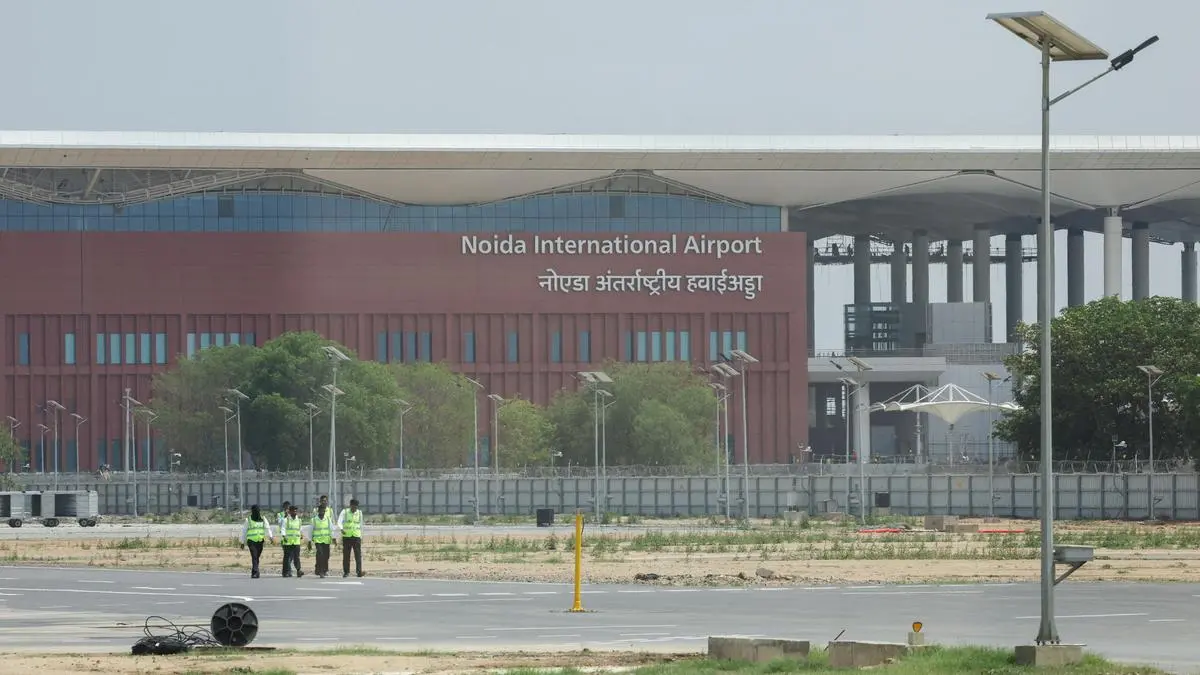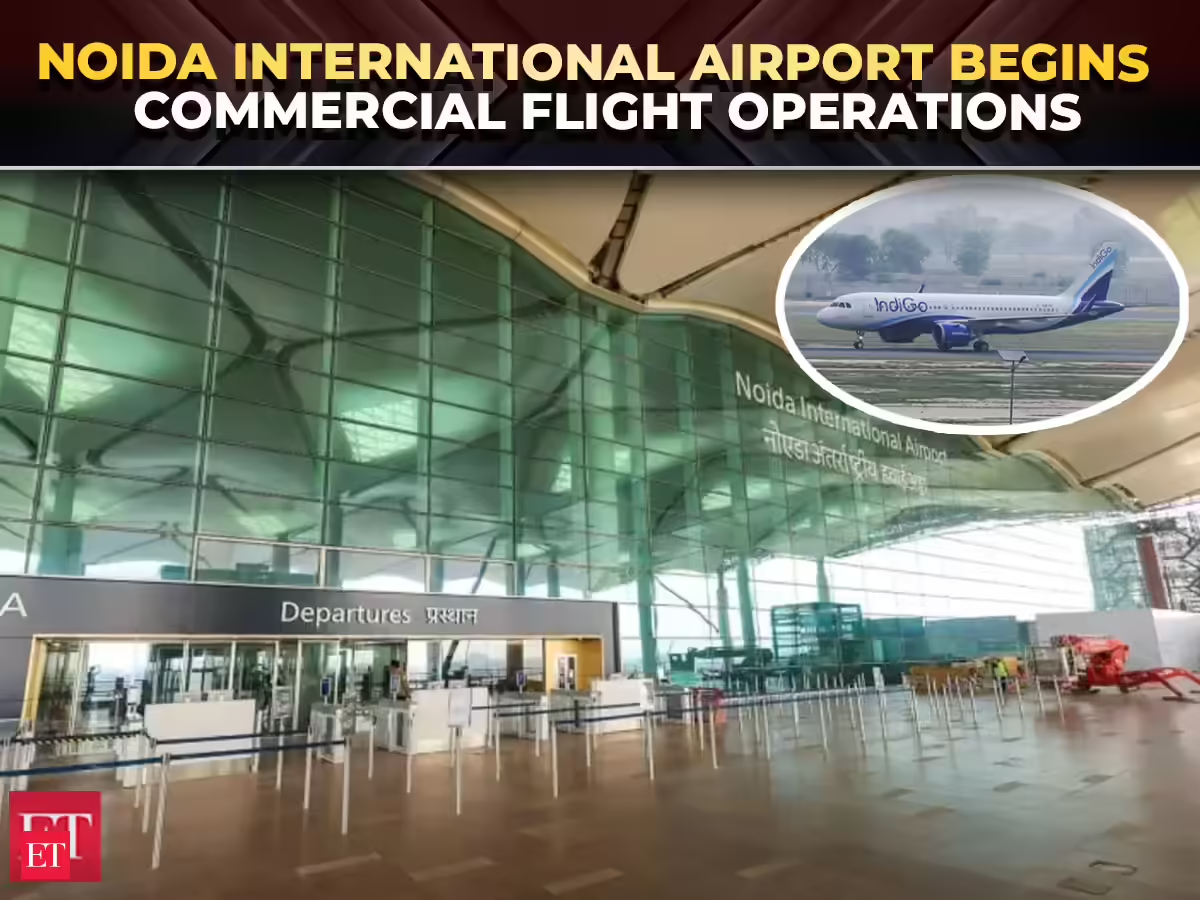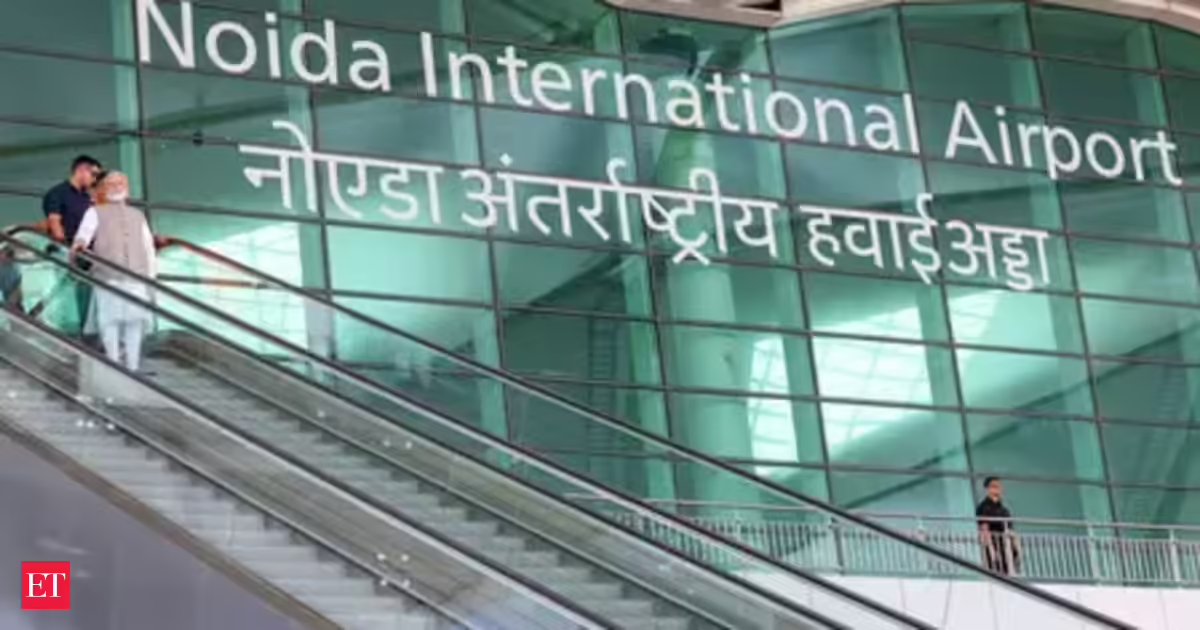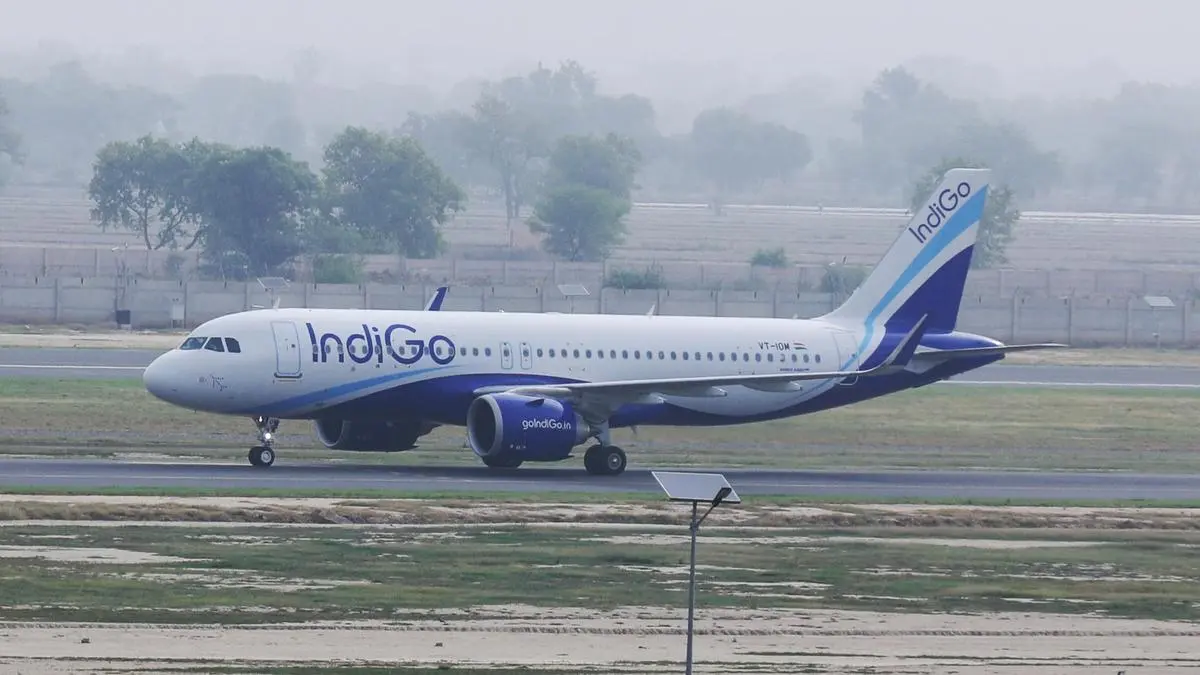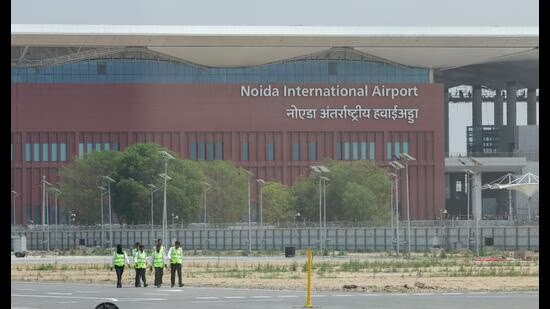
Connectivity is the make-or-break factor in this age of multimodal transport. This certainly holds true for Noida International Airport (NIA); the first phase of the airport, a ₹11,000-crore project, was inaugurated by the Prime Minister last month. With commercial operations set to start from June 15, the airport hopes to combine “Indian warmth with Swiss efficiency” — Zurich International Airports had won the tight contest for the airport project in November 2019.The commencement of operations offers a much-needed distraction from the dire straits the aviation sector finds itself in at the moment. (Reuters)The commencement of operations offers a much-needed distraction from the dire straits the aviation sector finds itself in at the moment, thanks to the war in West Asia: NIA promises to change the face of air travel in the national capital region (NCR).Till a few years ago, Jewar, where the airport has come up, was a sleepy little hamlet not far from Noida, Uttar Pradesh. But things changed after chief minister Yogi Adityanath and his team of ministers and bureaucrats assumed office in 2017. The state government acquired the land and got it vacated in record time for Zurich Airports to start building.For passengers, NIA can be a blessing, provided it is made easily accessible and cost-effective. The new airport is 700 metres from the Yamuna Expressway, which has already shrunk travel time in this region. To ensure smooth access, the National Highways Authority of India (NHAI) has built a clover-leaf interchange from the airport to the expressway.The Delhi Metro is expected to provide connectivity from Noida and Greater Noida to a station that opens right outside NIA’s entry — quite like many European airports that can be accessed through their respective metro-rail networks. A more ambitious high-speed rail connection between Delhi and Varanasi with a stop at the NIA passenger terminal has also been discussed, but is still on paper.NIA has bagged a few access-enabling agreements, including air-conditioned bus services from the airport to four key destinations in Uttarakhand and nine in Haryana, including Gurugram. It is also partnering Mahindra Logistics Mobility to offer a premium, 24X7 all-electric taxi service.The good news for NCR passengers is that Delhi Airport has pulled up its socks to retain traffic, investing ₹9,800 crore to expand and upgrade its present facilities. Airlines operate in a hyper-competitive environment themselves, and are excited that the two airports will be competing, ending the “take it or leave it” treatment often meted out by airport operators — apart from its own catchment spanning Noida to Mathura, NIA could also grab some of the central and east Delhi traffic if it offers significant cost and time savings.The biggest question before NIA is financial viability. Most are of the view that Zurich Airports and NIAL (the joint-venture between the airport and the UP government) will burn cash for at least the initial six to eight years before it starts getting returns. Experts argue that the airport is likely to be far more expensive to operate from since it is being built so long after Delhi Airport, and construction costs will be in keeping with today’s prices. Although the plan is to make sure there is no “gold plating”, the pressure from the economies of scale that Delhi Airport has already achieved can’t be wished away — it can afford to offer competitive rates to airlines, if it so chooses. This is where ease and costs of connectivity come into play. Catchment area notwithstanding, NIA is 25-26 kilometres from the heart of Noida. Time and cost of reaching will determine the choice of airport. Access, once you reach the Yamuna Expressway, may be quick, but reaching the expressway means navigating many stretches of clogged Delhi traffic.The official thinking is that even if NIA is a bit early in terms of traffic requirements of the NCR region and the UP government or the concessionaire lose money for a while, it is better to be early than sorry, as has been the case with Mumbai. In a country of India’s diversity and complexity, greenfield airports such as the Navi Mumbai one or even Goa’s MOPA have taken almost 20 years to build since they were first conceived. Inordinate delays in getting Navi Mumbai Airport off the ground have already taken a heavy toll on Mumbai’s aviation growth. The NCR shouldn’t see a repeat. Ambitious India no longer has 20 years to wait.Anjuli Bhargava writes on governance, infrastructure, and the social sector. The views expressed are personal
Noida Airport’s promises and portents at take-off
Even if NIA is a bit early in terms of traffic requirements & the UP government or the concessionaire lose money for a while it is better to be early than sorry
746 words~3 min read