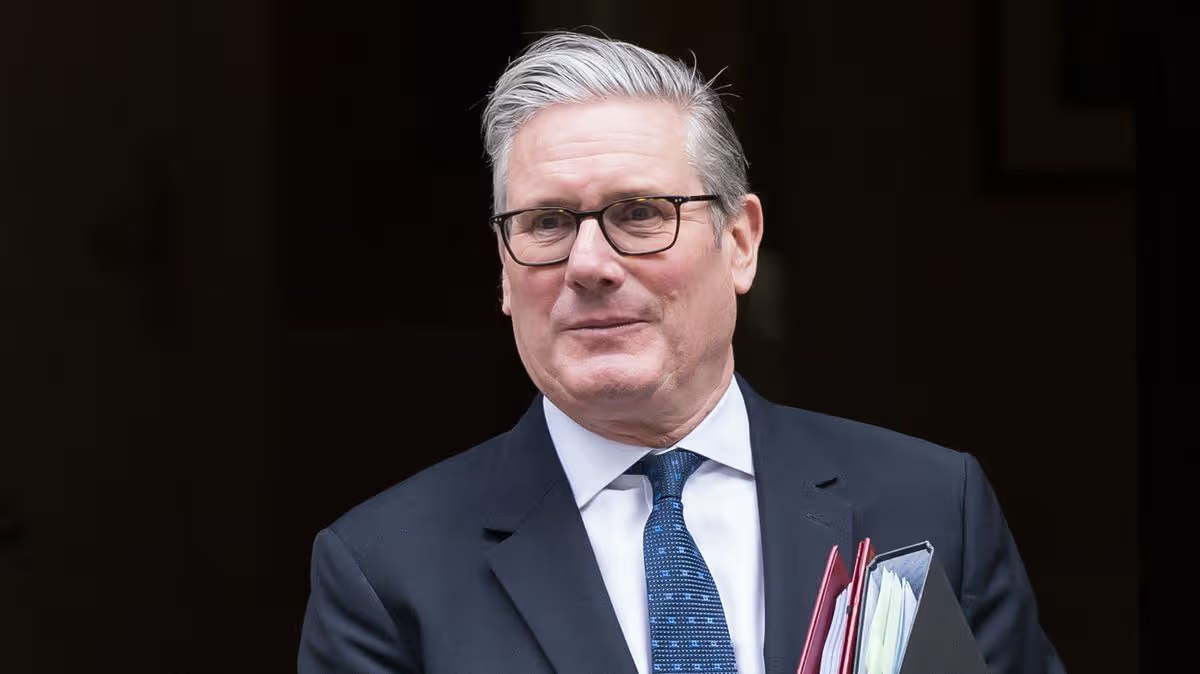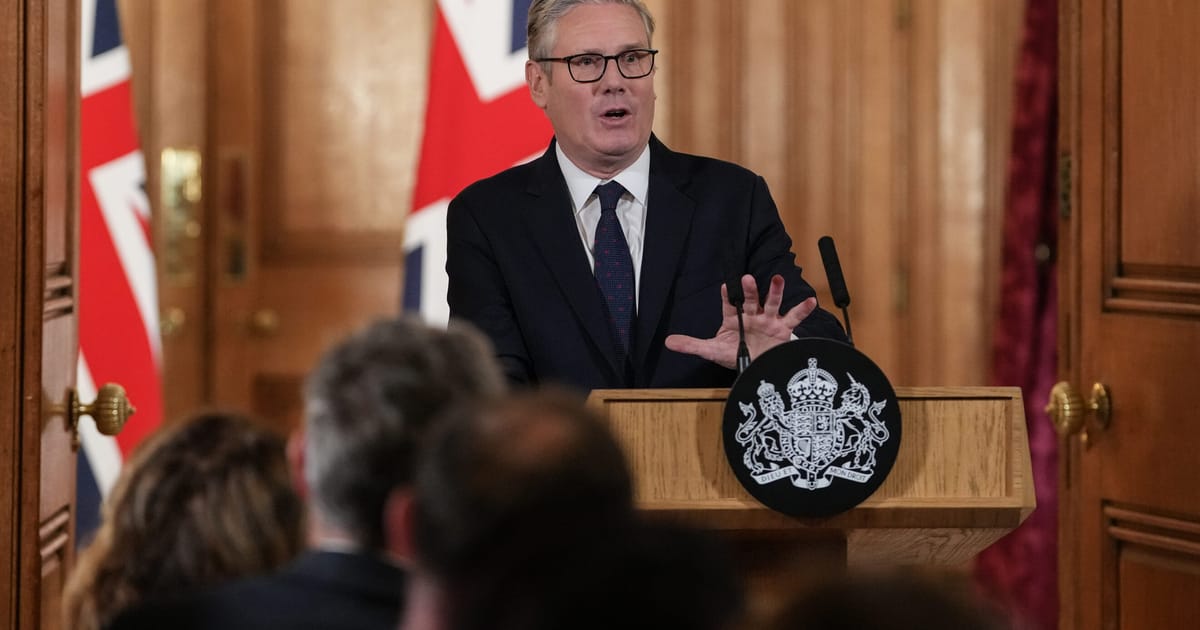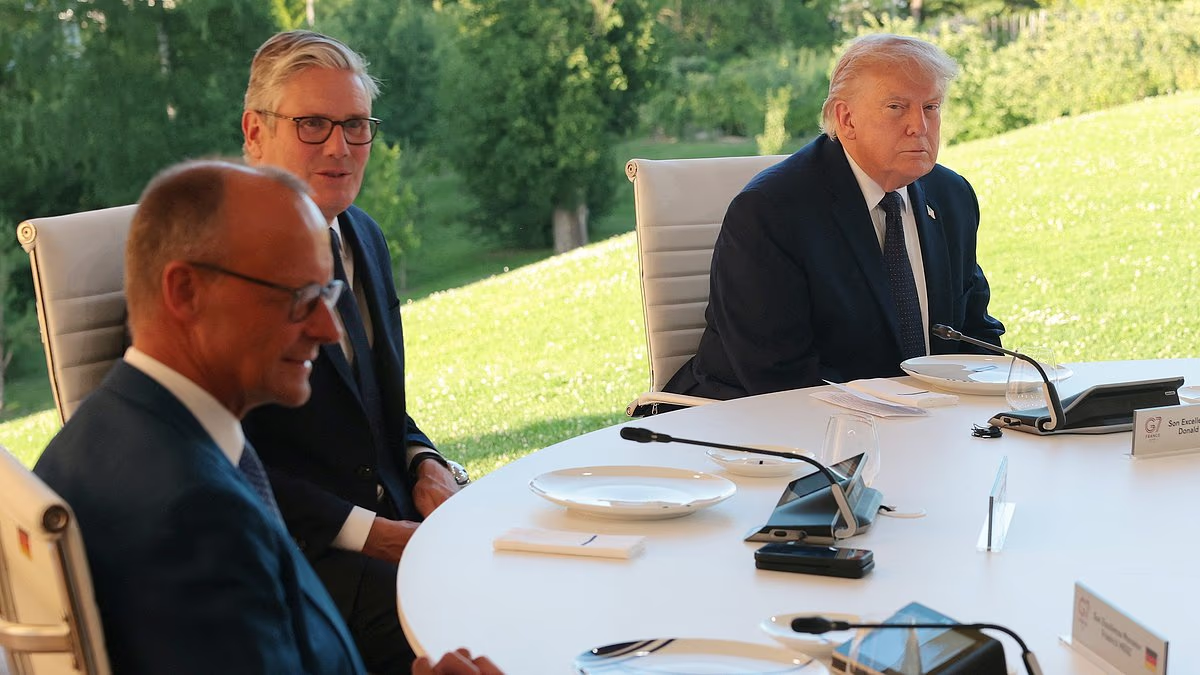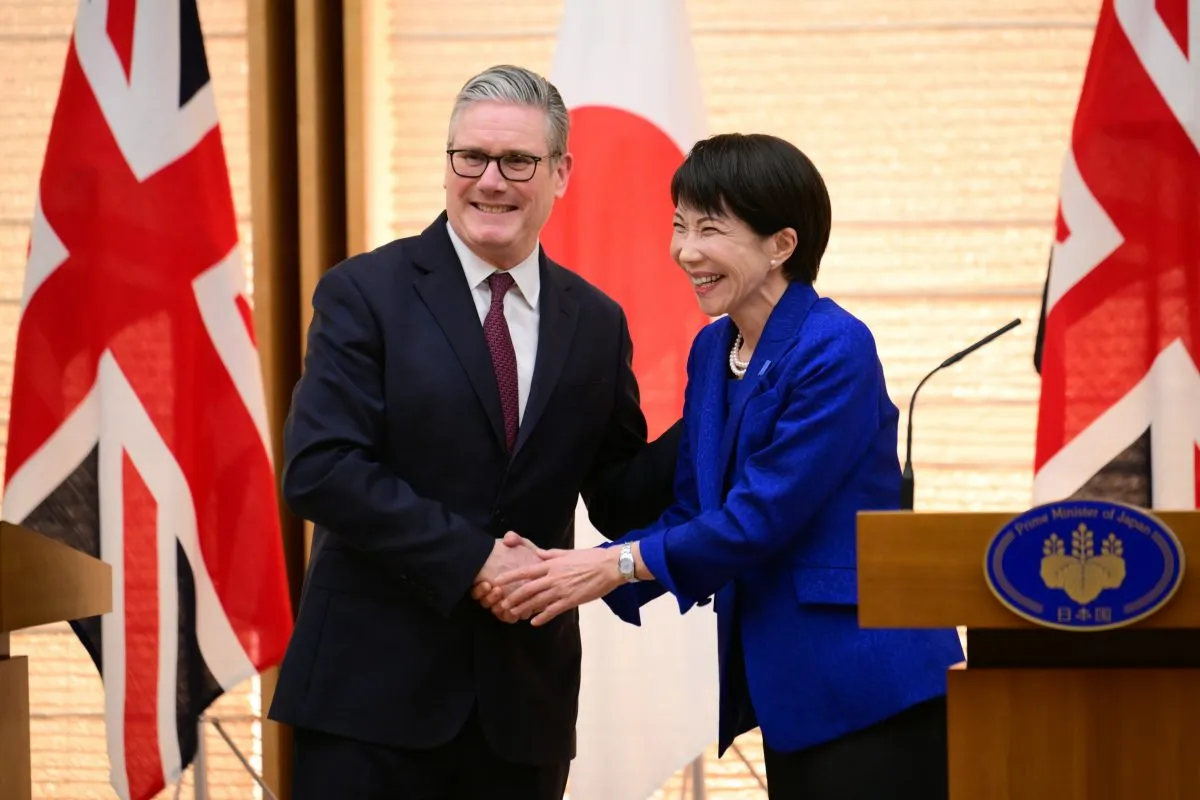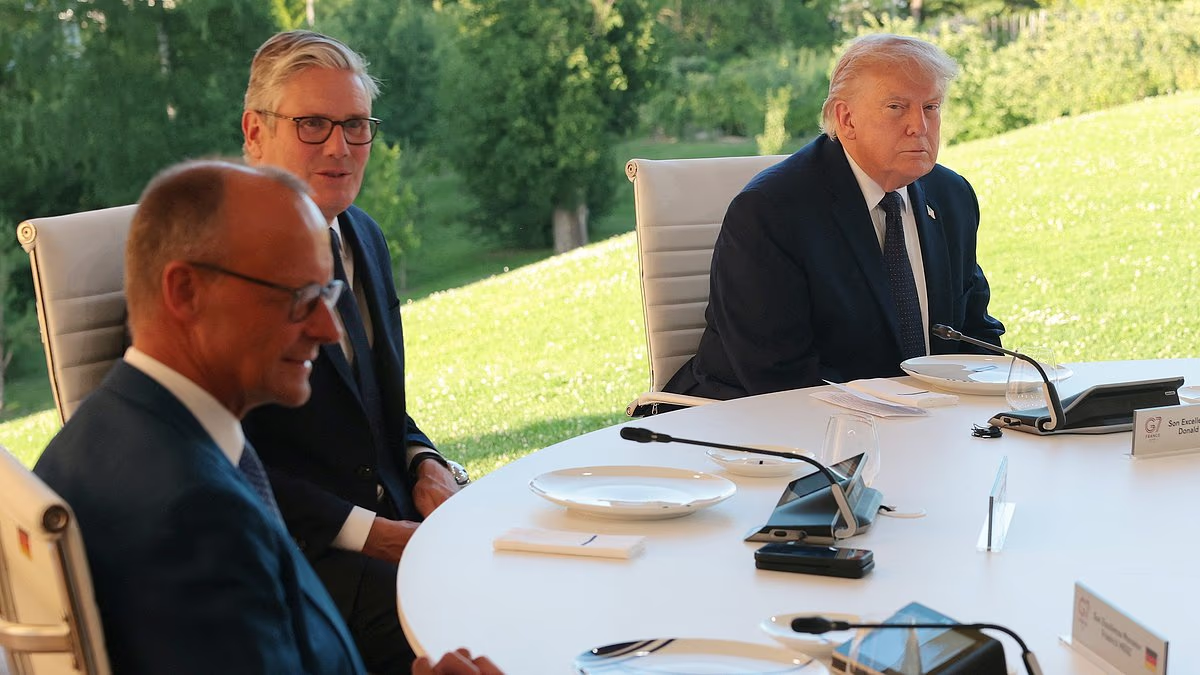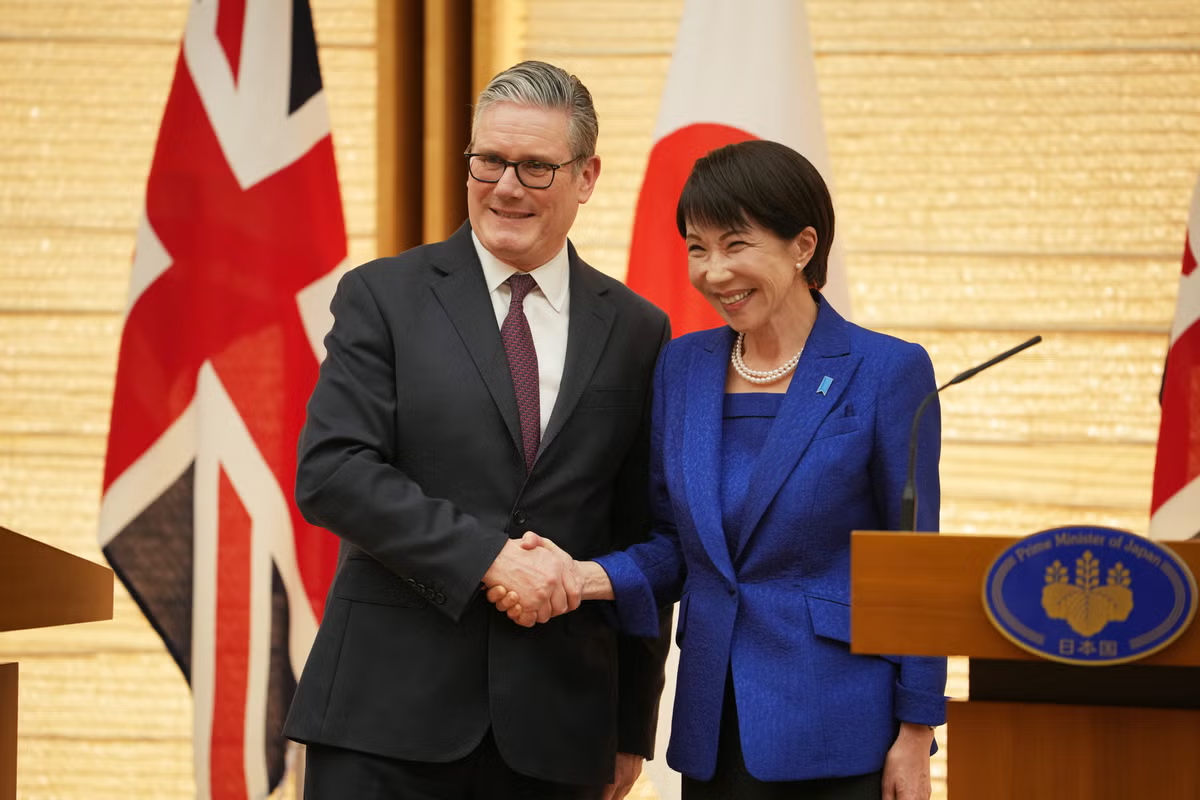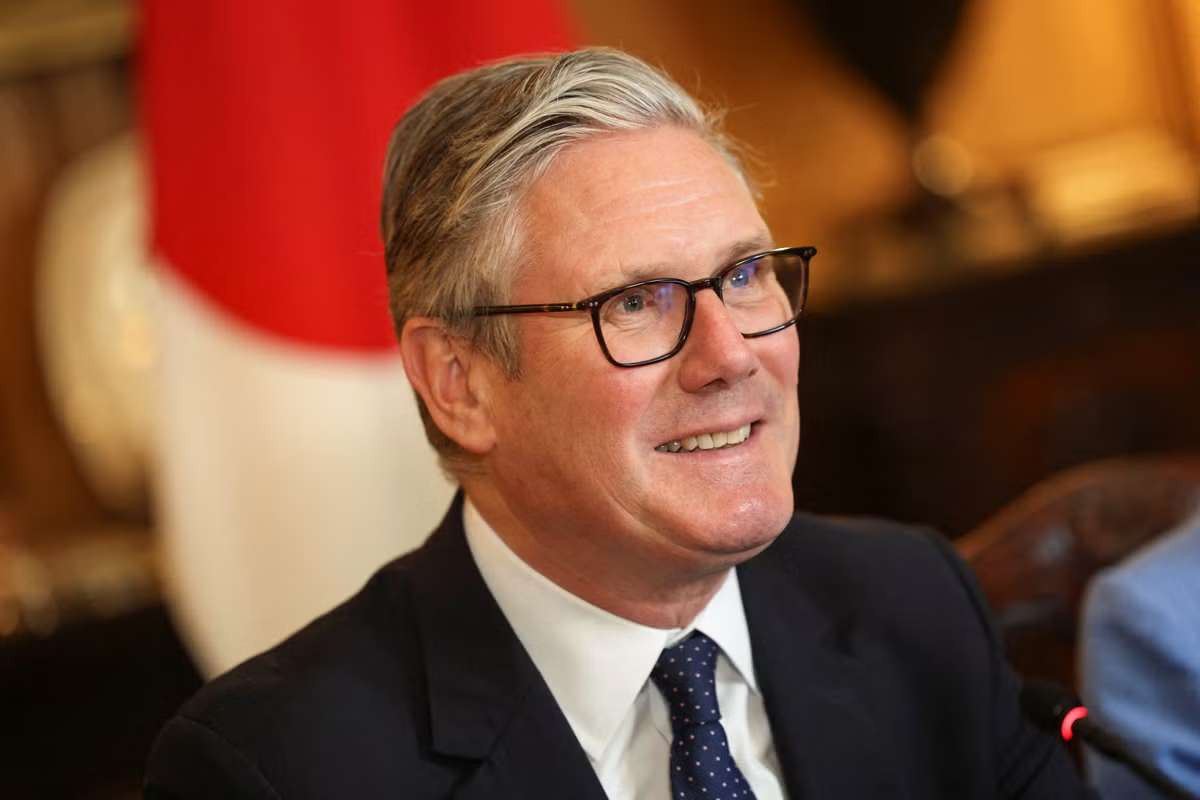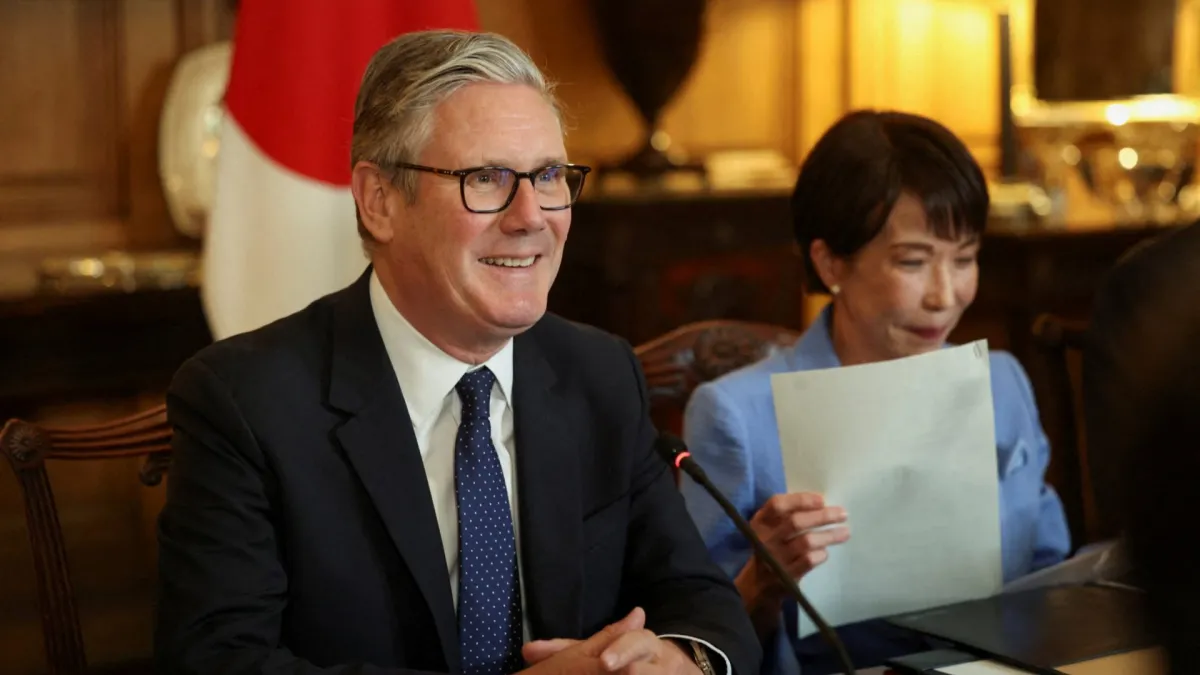
Sir Keir Starmer attends the G7 summit on the French-Swiss border this week as head of the world’s fifth-largest economy, just behind Japan and ahead of India. On the eve of it, he met Sanae Takaichi, his Tokyo counterpart, in London to ink an £18bn investment deal for offshore wind and nuclear energy co-operation. He also took a call from Donald Trump pledging UK help in an Anglo-French minesweeping operation in the Gulf, if a ceasefire with Iran can be agreed imminently.
Starmer can flex his leadership muscle in these matters, without courting the disasters which have haunted his domestic premiership. He arrives here with the dubious privilege of being the leader with the most probable firefly lifespan in the job.
Alas, the days when being active on the world stage acted as a shield for criticism at home ended with a bang last week. John Healey’s valedictory letter as defence secretary contained a sucker-punch about his boss’s propensity to overdo promises at global gatherings, but its bigger impact was to nudge Starmer faster towards the exit door, to allow a broader reset of the government and its spending and security priorities.
If Greater Manchester Mayor Andy Burnham does win the by-election in Makerfield and moves fast to challenge Starmer, the Prime Minister can stand and fight as he presently suggests is his “duty”, though the outcome looks highly unlikely to fall in his favour. Or he could engineer what two separate allies have told me would be the decisive moment: sit down with Burnham and agree a way forward, which entails him standing aside but with some say in the terms and aftermath, to avoid the Burnham era starting out in an atmosphere of Labour feuding from which it might struggle to recover.