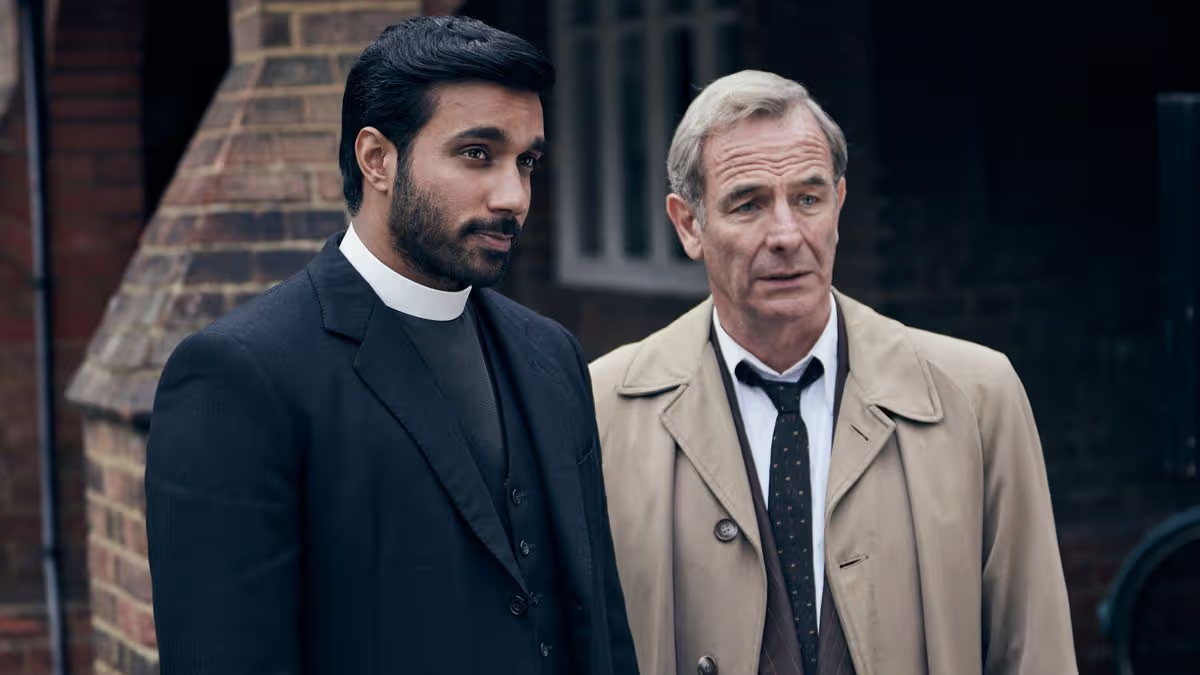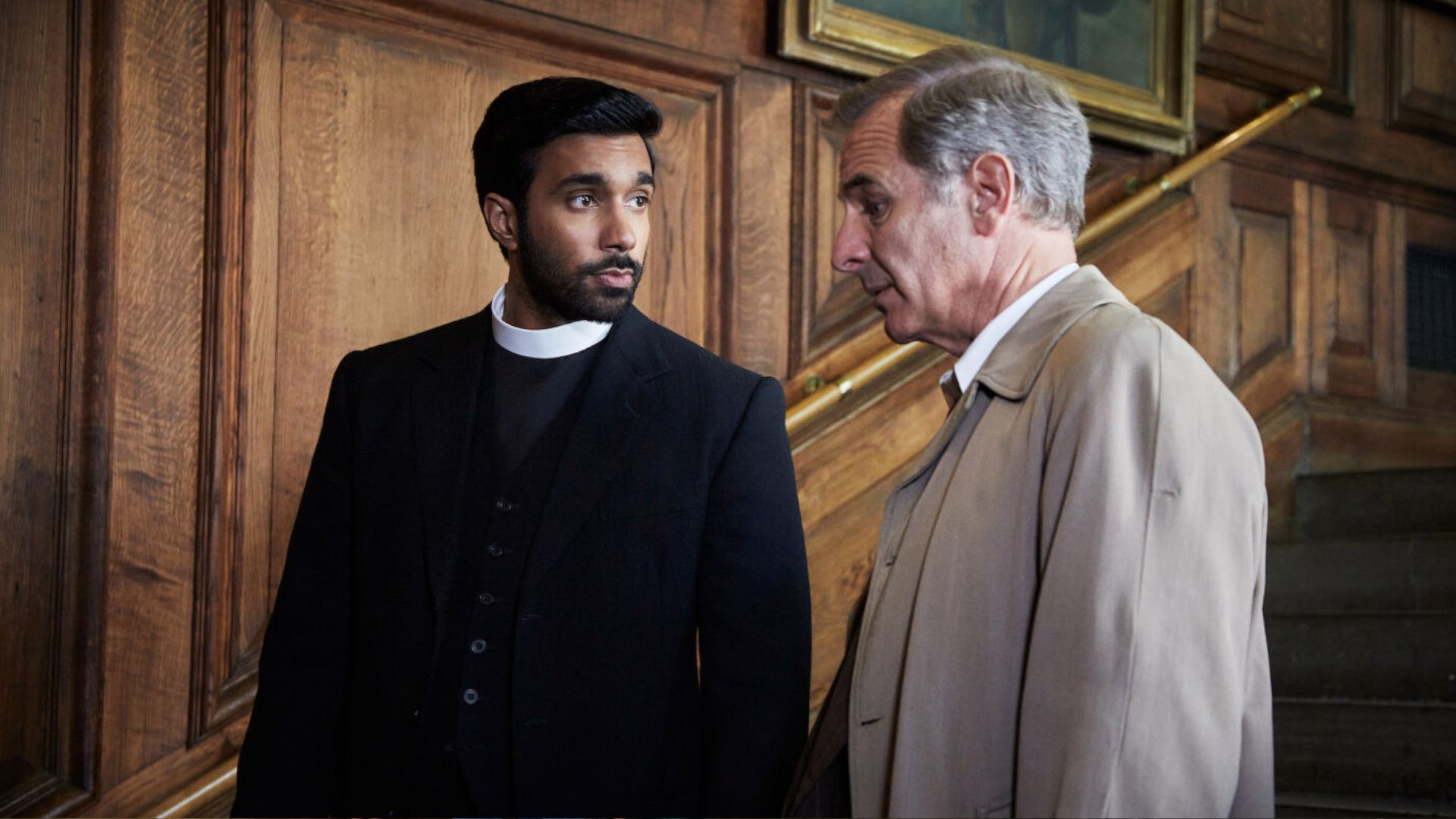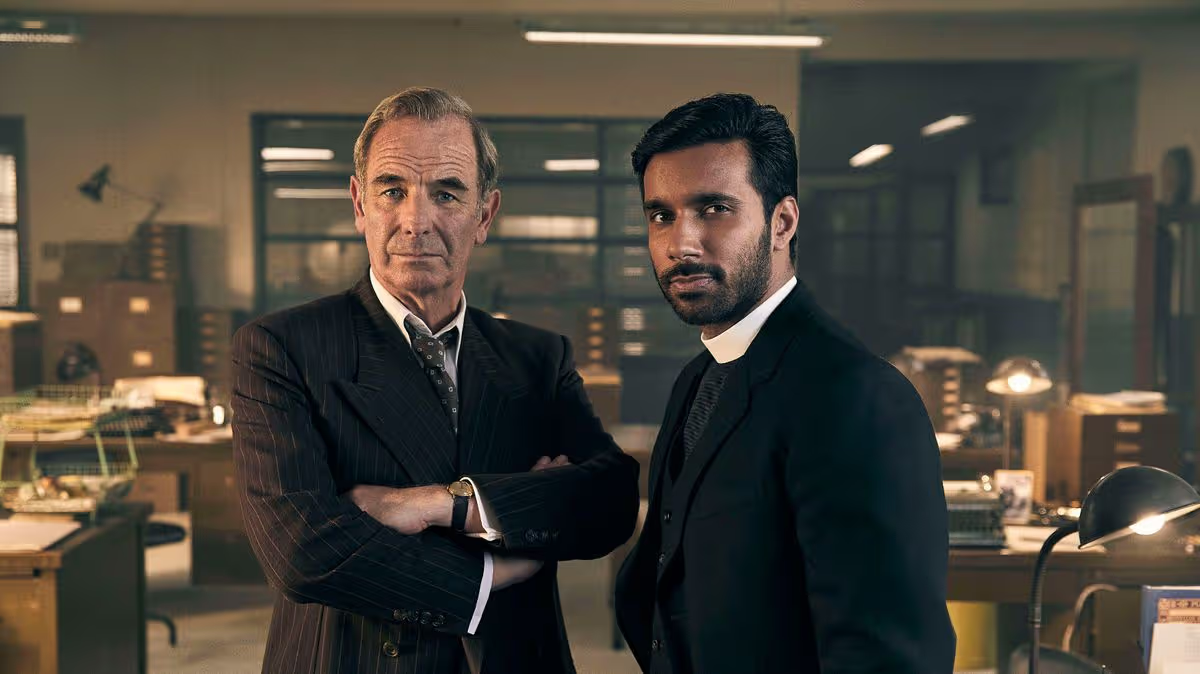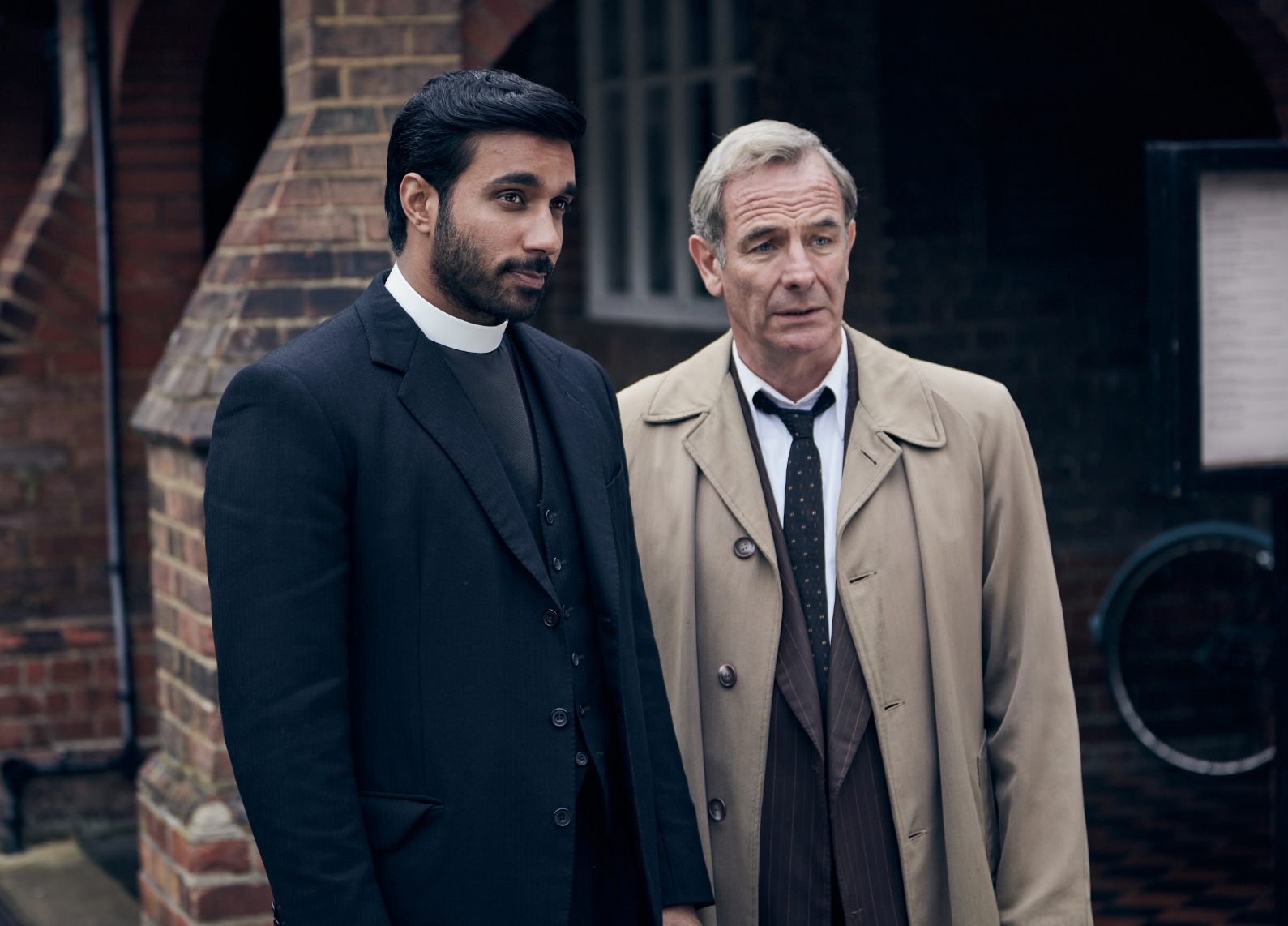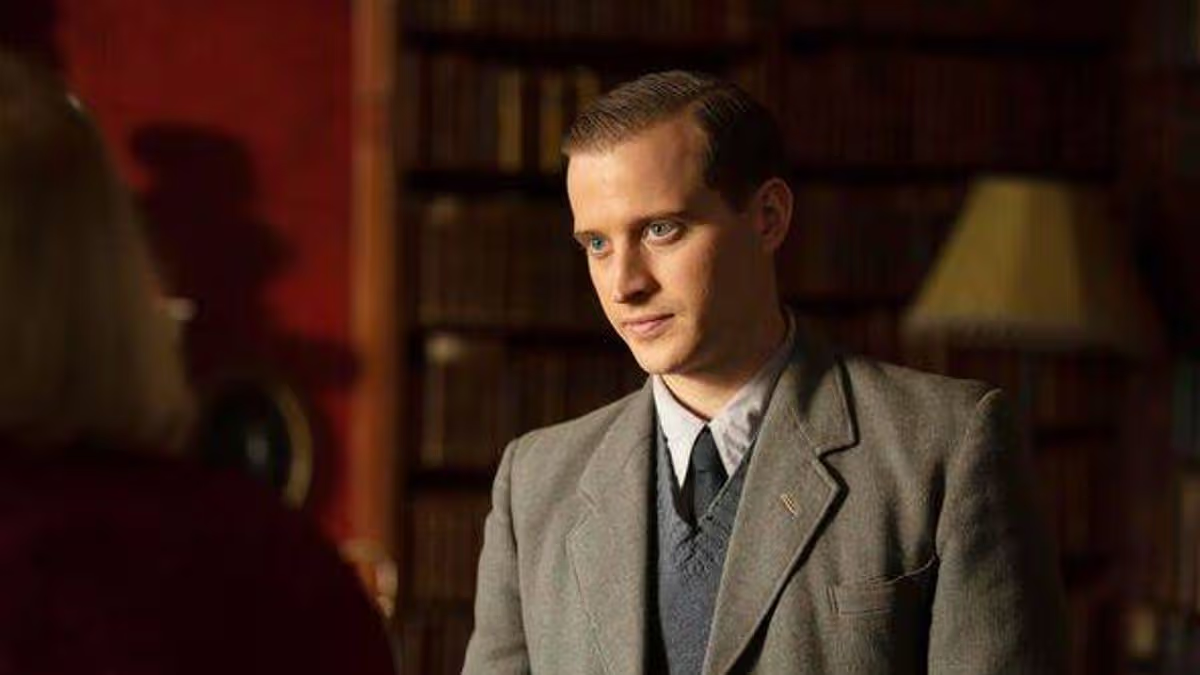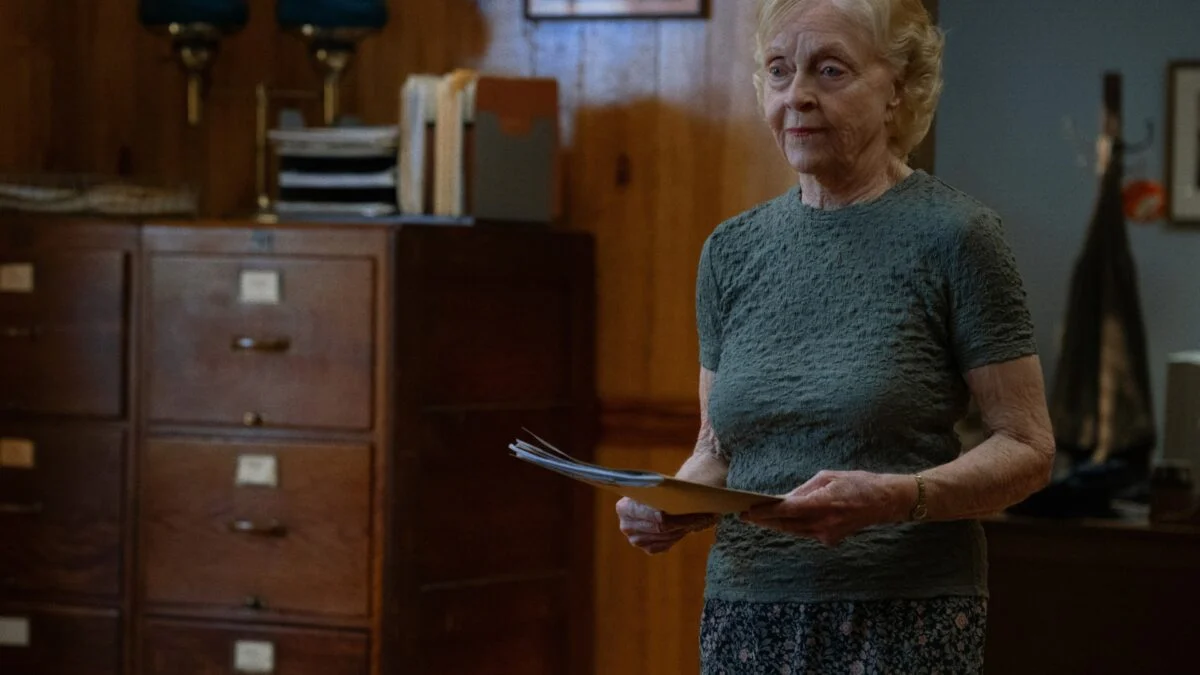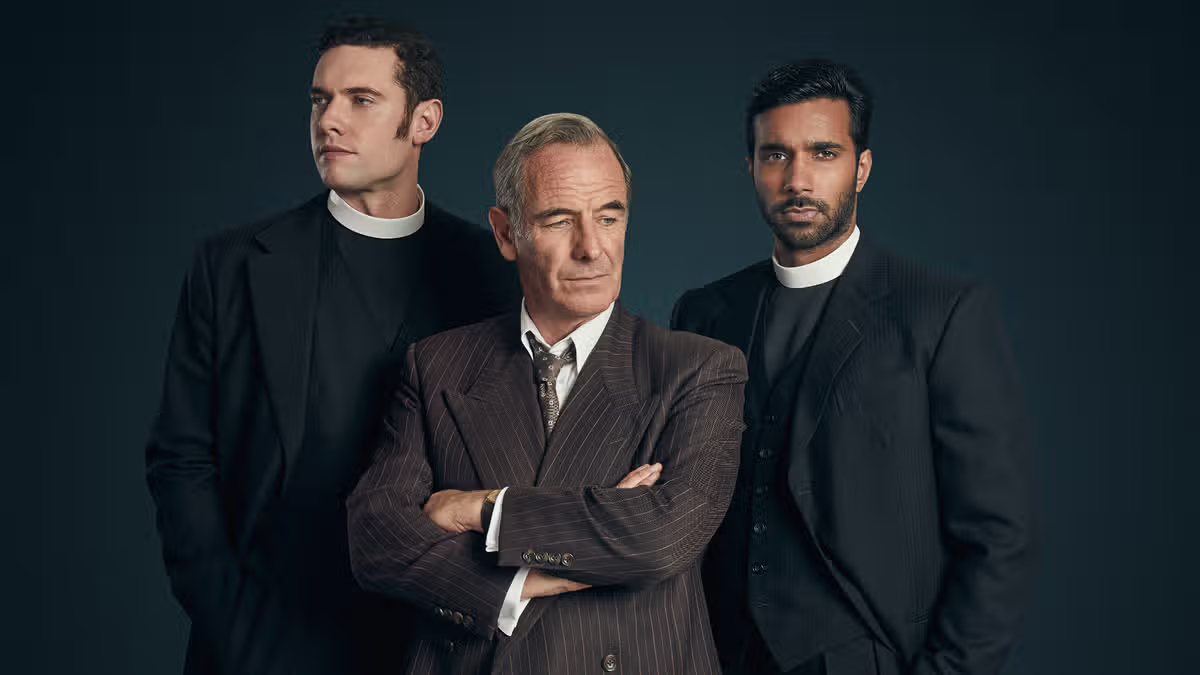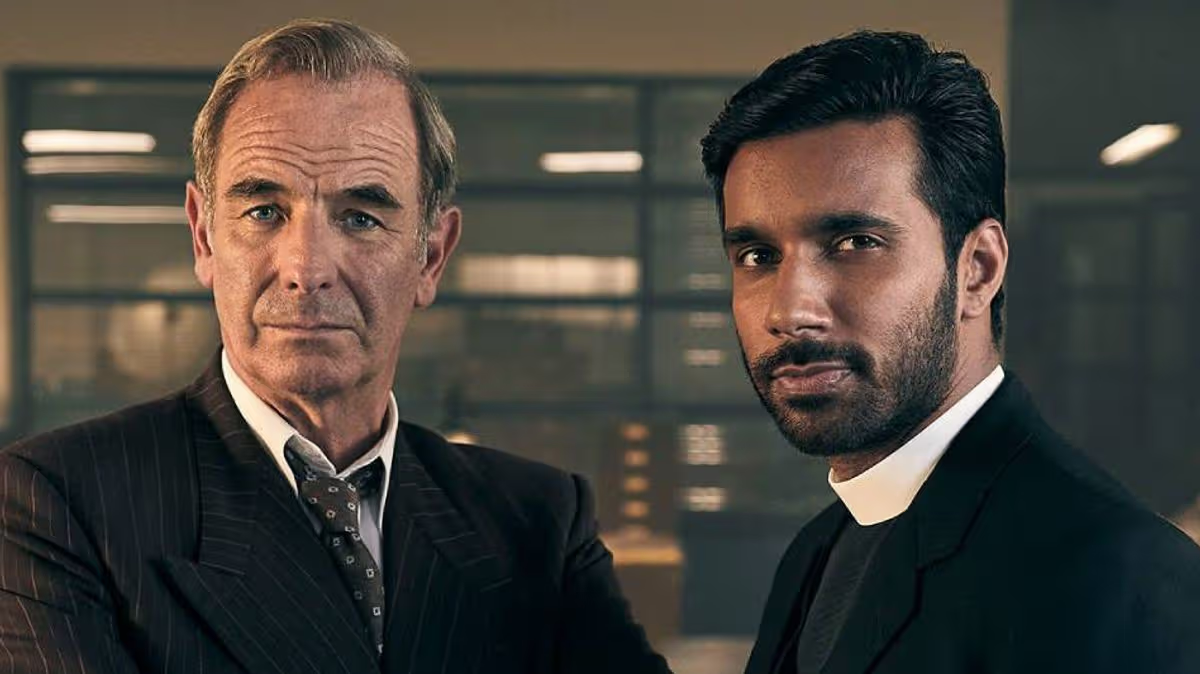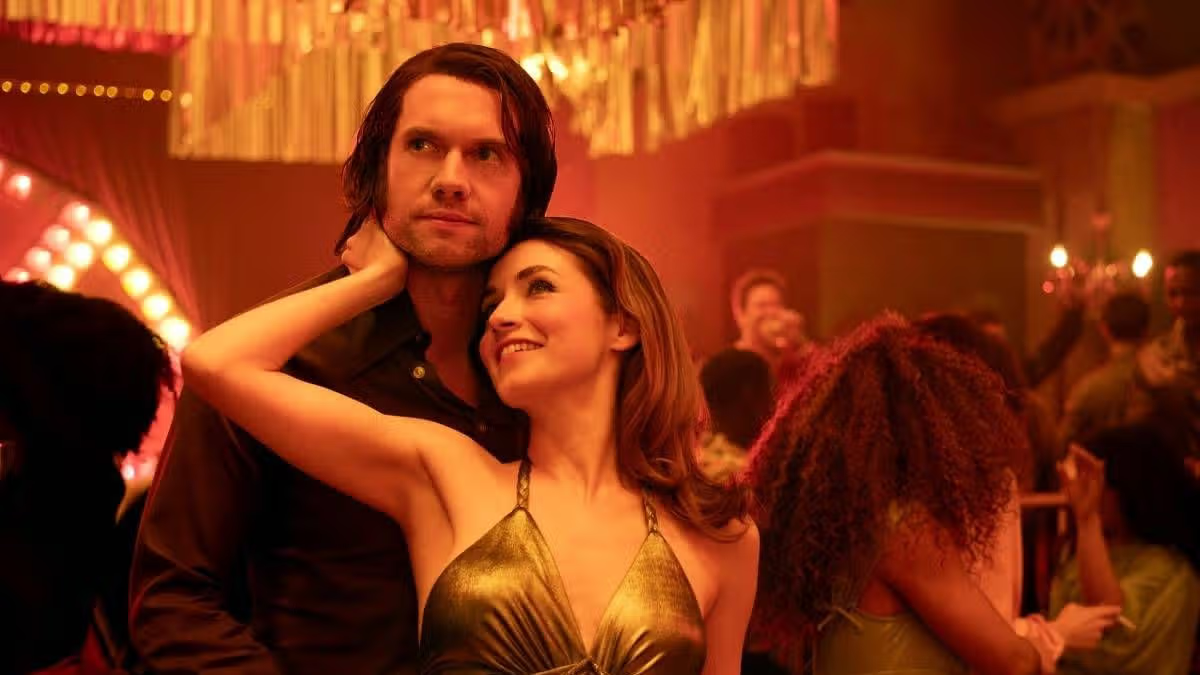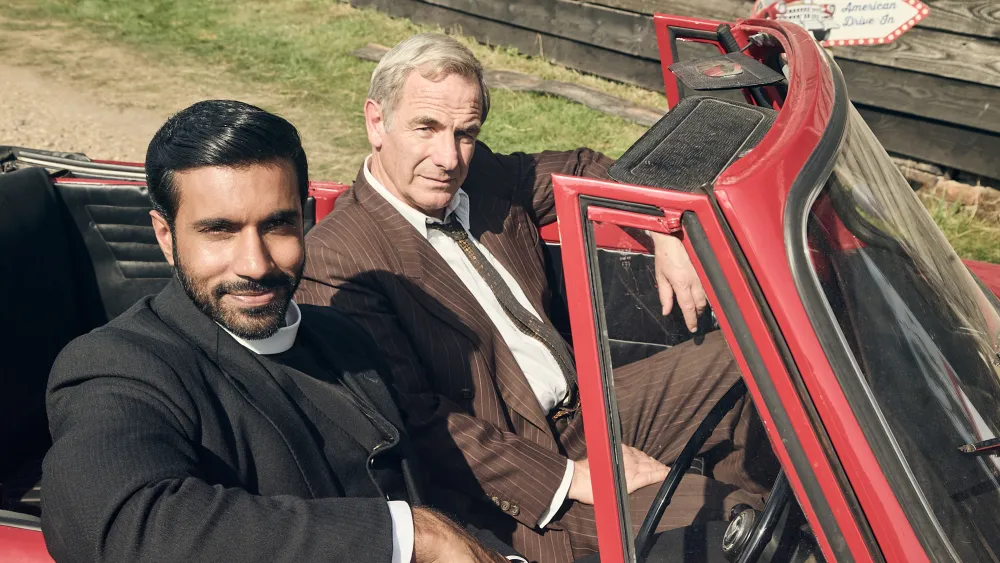
“Grantchester” begins its final season on June 14, with crime-solving vicars who seem to face far too many murders for one small British village. Variety spoke with the core cast members about staying with the same sharply written, witty and emotional show for 11 seasons, spanning the prim 1950s to the swinging ‘60s. It may be known as “Granny Chester” for its soothing country scenery and delicate balance of humor, crime and pathos, but that doesn’t stop the show from confronting a host of serious issues.
The show — which premiered in 2014 and will end with the 11th season — kicks off not that long after World War II. Britain is still deeply traditional, and a village like Grantchester is barely affected by the events of the outside world. Men are the stoic providers, women are mothers or prospective brides and vicars are basically saintly, even if they do like a wee tipple now and then. But as the series progresses into the 1960s, the good folk of Grantchester confront societal upheaval on a whole new level. James Runcie, the author of the book series “Grantchester” is based on, calls it “a social history of Britain.”
Vicars attracted to other men, non-white vicars, civil rights struggles, sex workers, rock ‘n’ roll and more — now, it’s all part of life for the residents of this Cambridge-area village. Against a backdrop of bucolic village fairs and secret romances, the characters are the constants — grouchy police officer Geordie (Robson Green), who begrudgingly becomes more tolerant; Tessa Peake-Jones’ Mrs. Maguire (later Chapman), the housekeeper who spreads her wings as she too embraces a changing society; Leonard Finch (Al Weaver), the fledgling minister who goes through massive life changes as he attempts to come to terms with his sexuality in a repressed era; and of course the three central vicars.