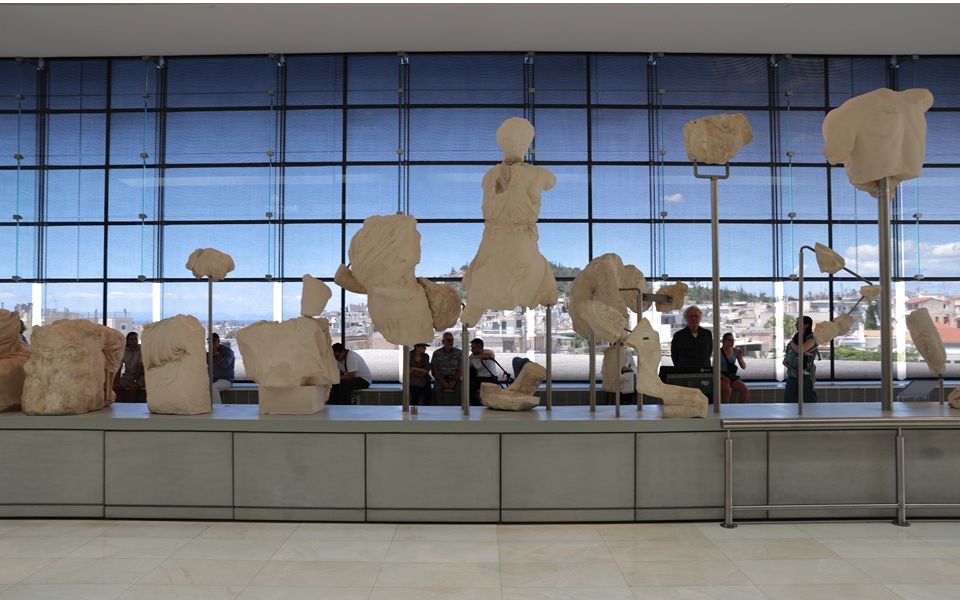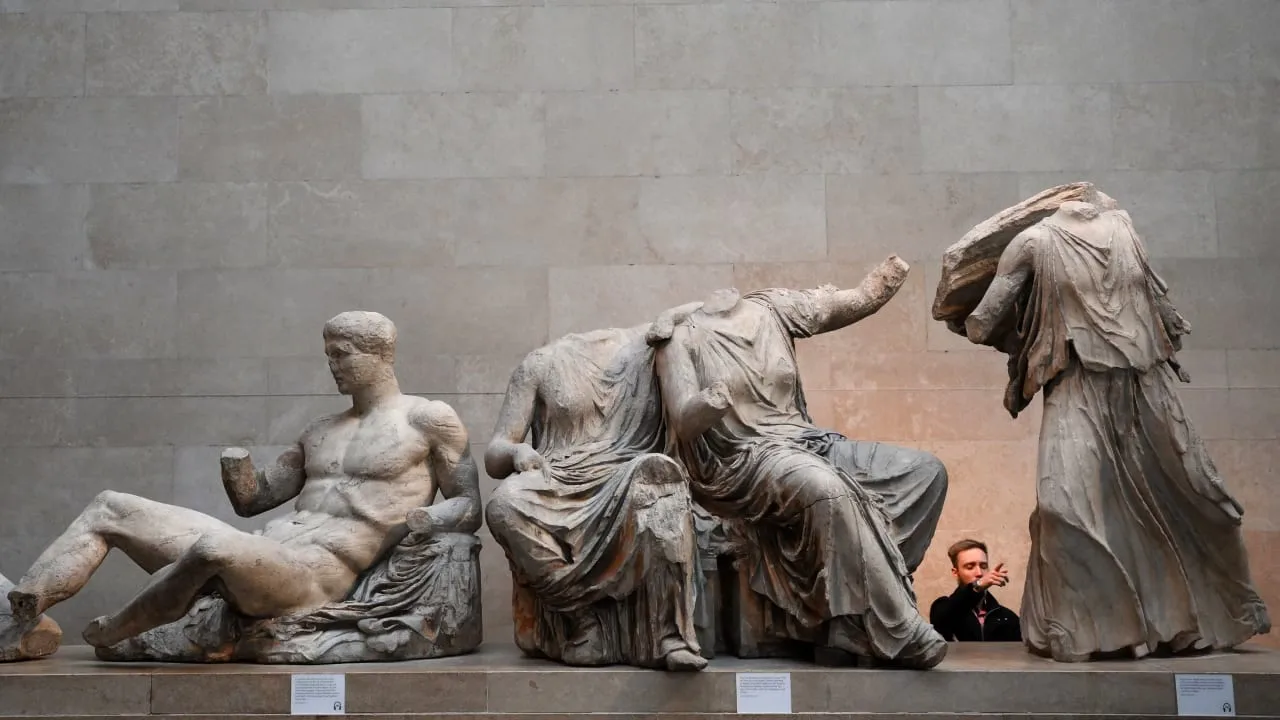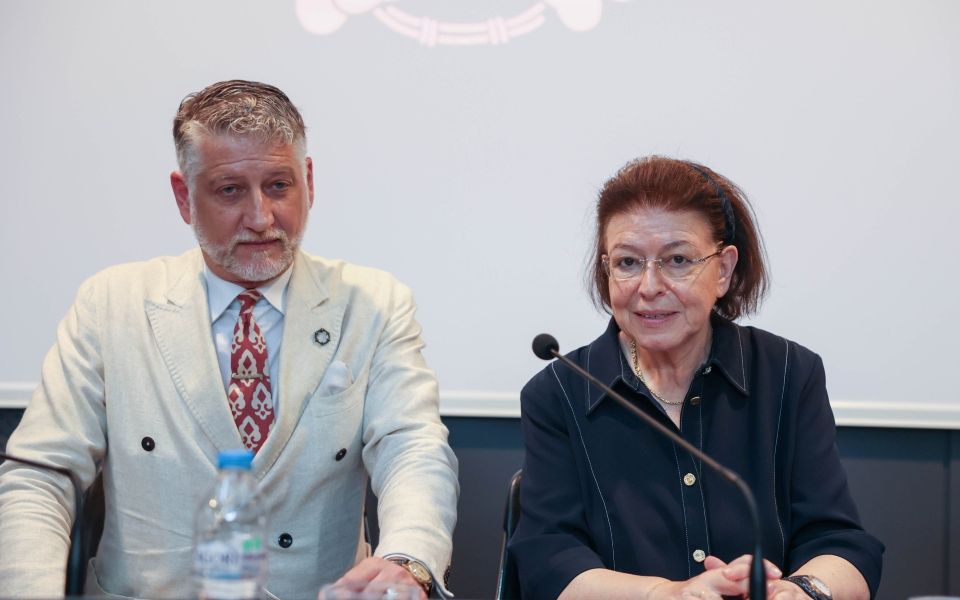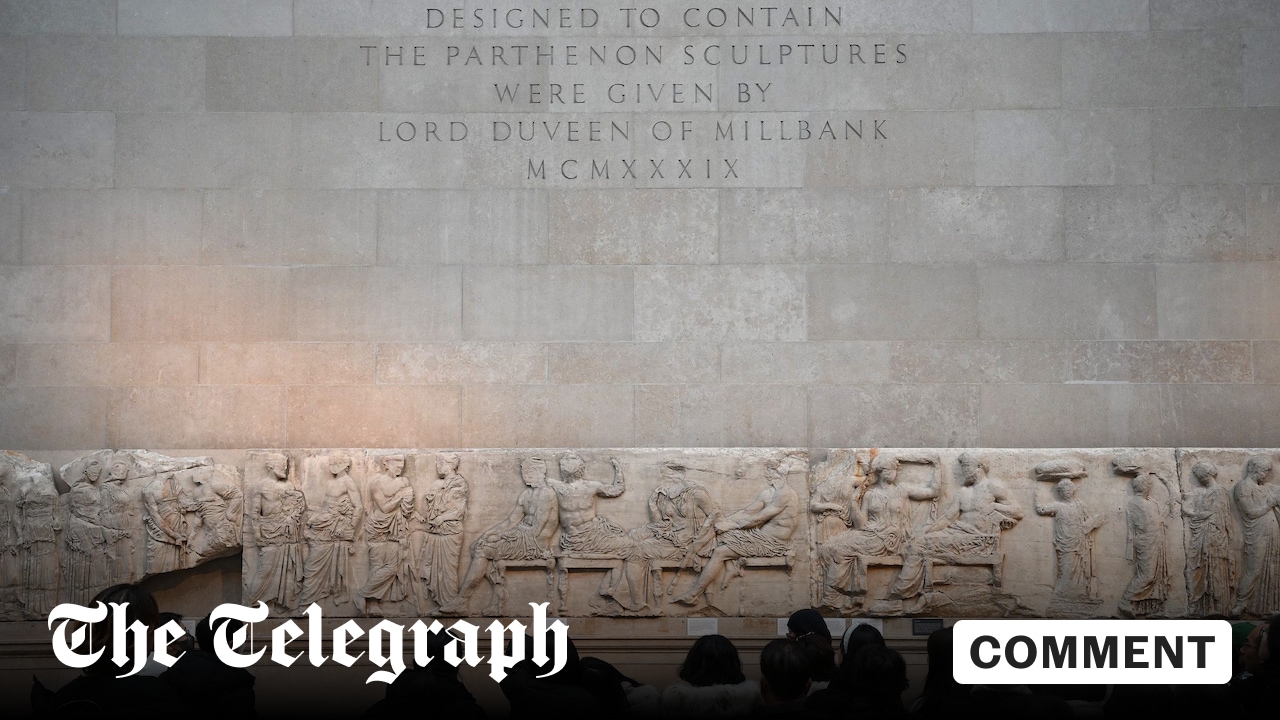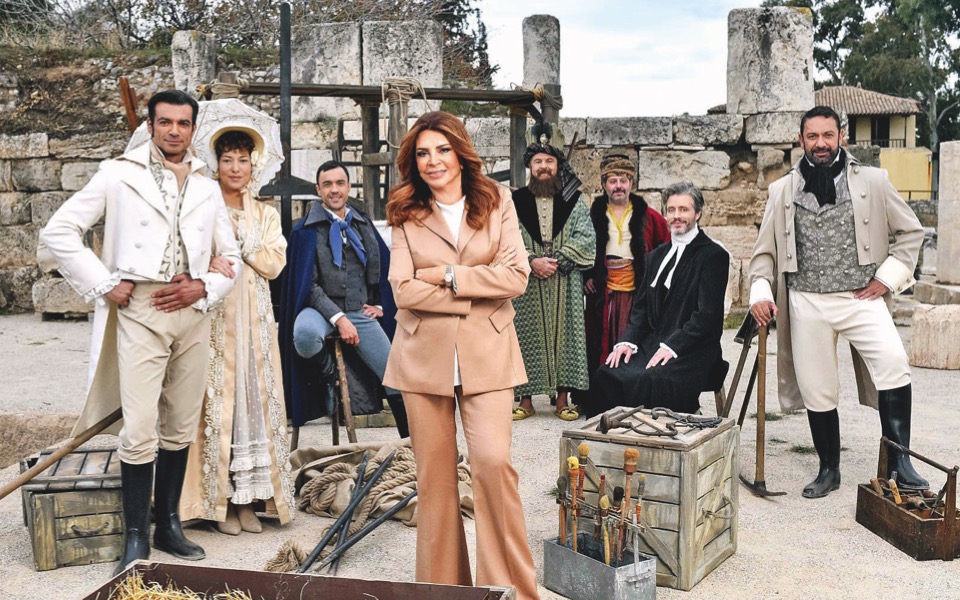
“No matter how many lectures, books and studies are published on the theft of the Parthenon Sculptures, and no matter how many sound arguments and evidence we present in support of their return, the wider public will never grasp the essence of the issue as powerfully as it can through the force of image and storytelling,” the director of the Acropolis Museum, Nikolaos Stampolidis, said in his introduction to the docudrama “The Woman Behind Elgin,” which premiered earlier this week opposite the Sacred Rock of the Acropolis.
The story of the Parthenon Sculptures has, indeed, been retold over and over again, from one side or the other, and argued from every tone: scholarly, propagandistic and personal, appealing to emotion or logic. This time around, the story is told through the perspective of a woman who was very close to the events, Lady Elgin, and is drawn from a series of private letters that shed light on how the sculptures were pillaged from the ancient Greek citadel.
This “micro-history that becomes macro-history,” according to Stampolidis, is the story around which this extensively researched documentary revolves. It is written and narrated by actress Mimi Denissi, who takes viewers to early 19th-century Europe to follow the footsteps of Lord and Lady Elgin as they leave Britain for the Ottoman Empire, where the British aristocrat is posted as a diplomat. From the outset, however, his true obsession is the monuments of the Acropolis.