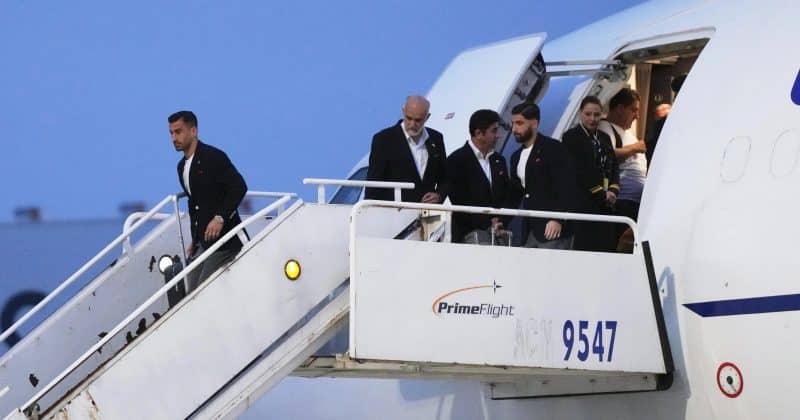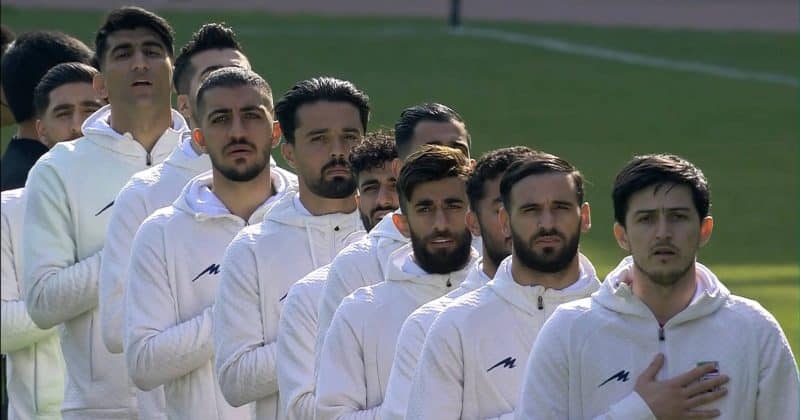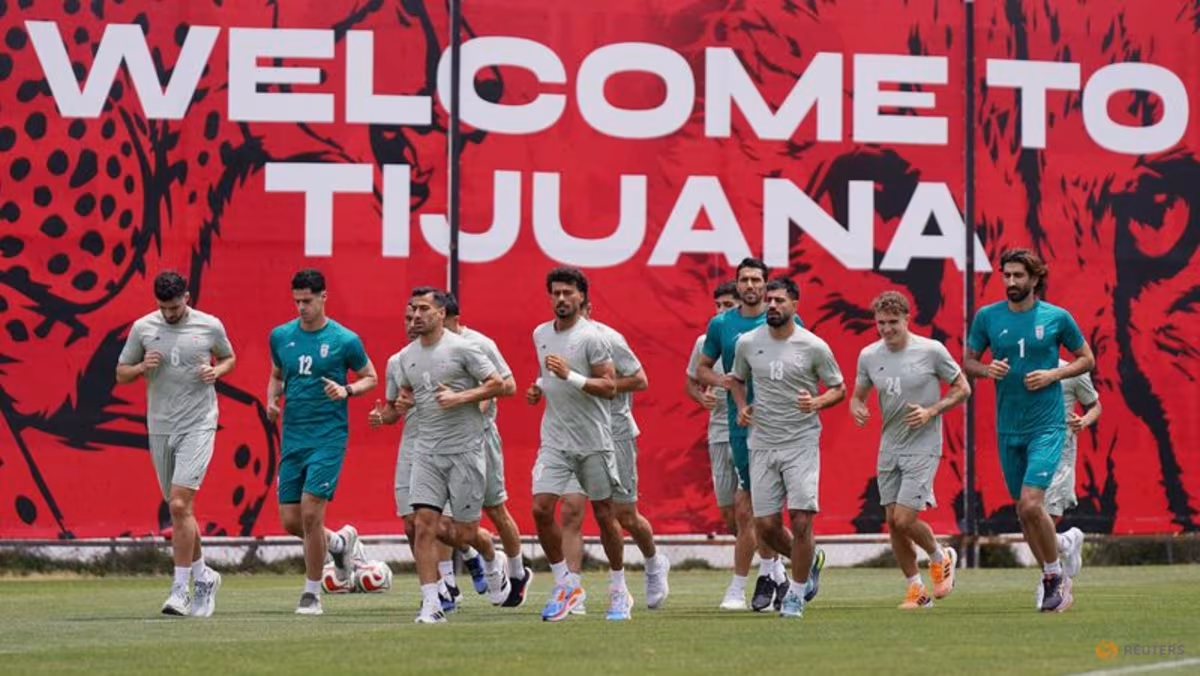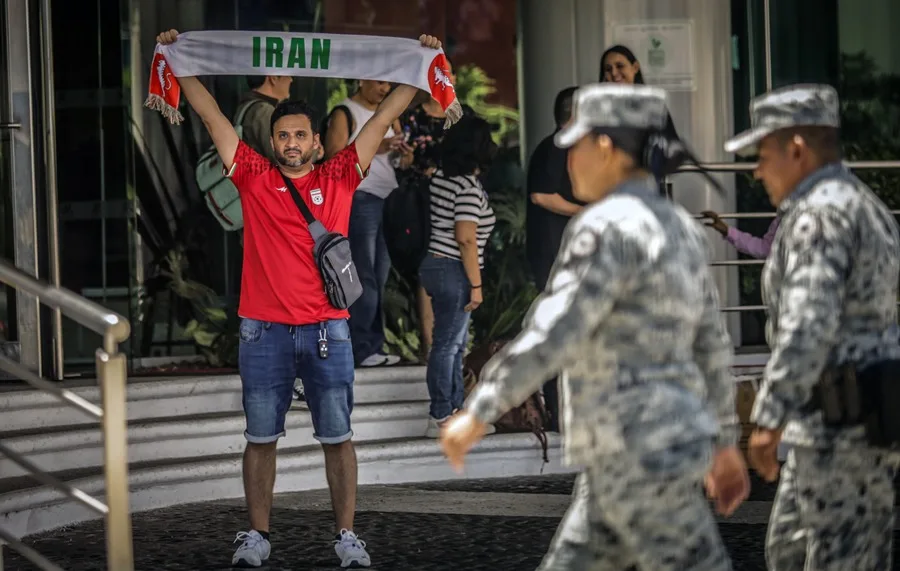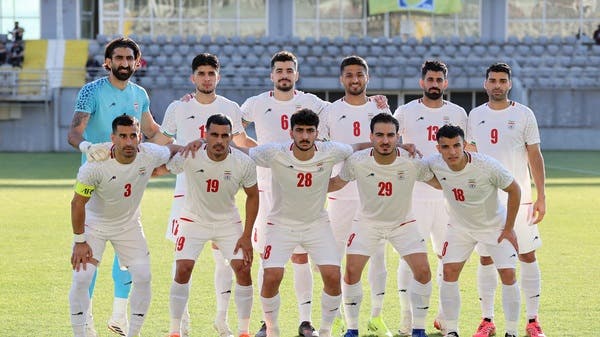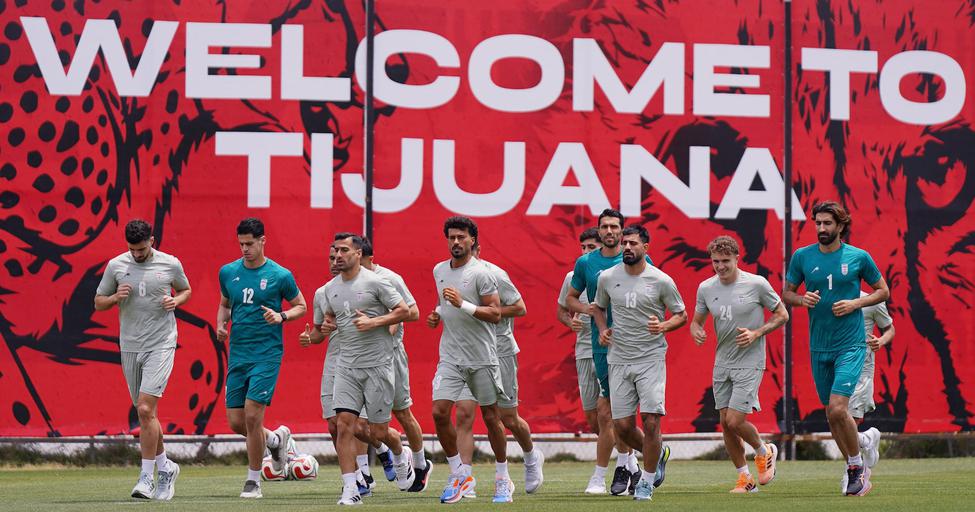
The most important news we know today about the football team of the Islamic Republic in Tijuana, Mexico, has little to do with football. The team, which is scheduled to play its first match of the 2026 World Cup on Tuesday morning, neither speaks publicly nor is visible in the media.
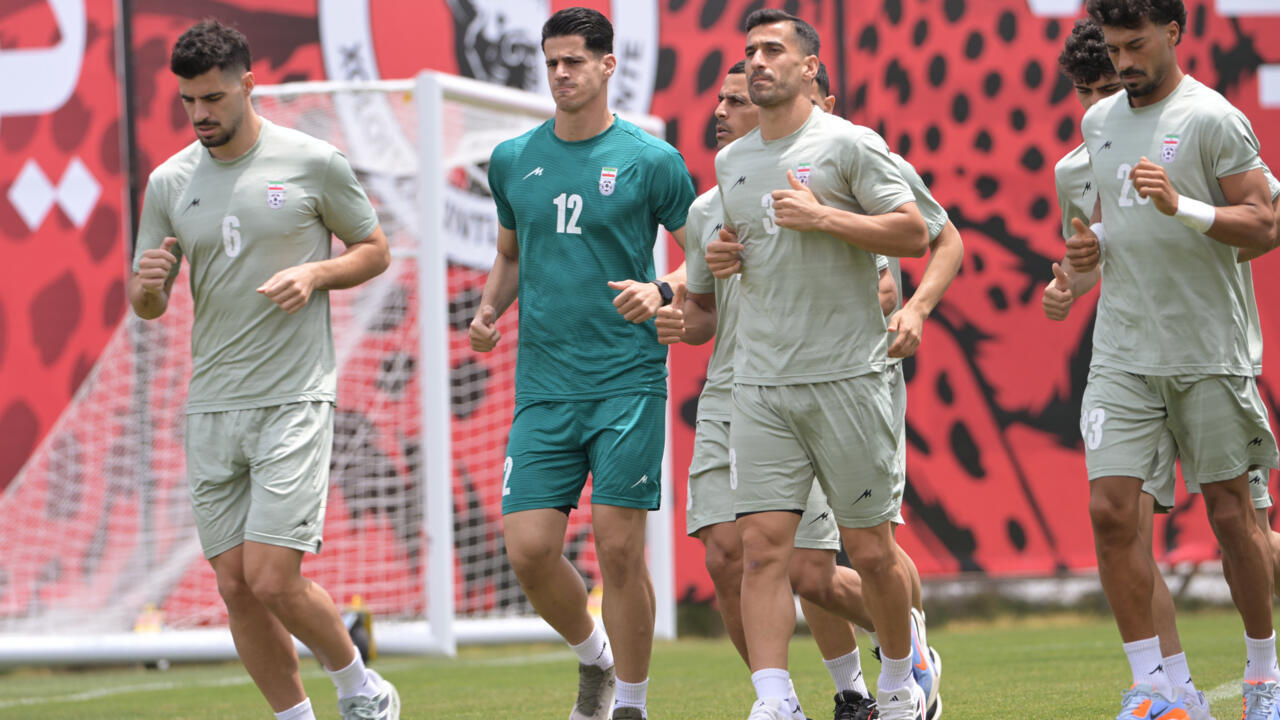
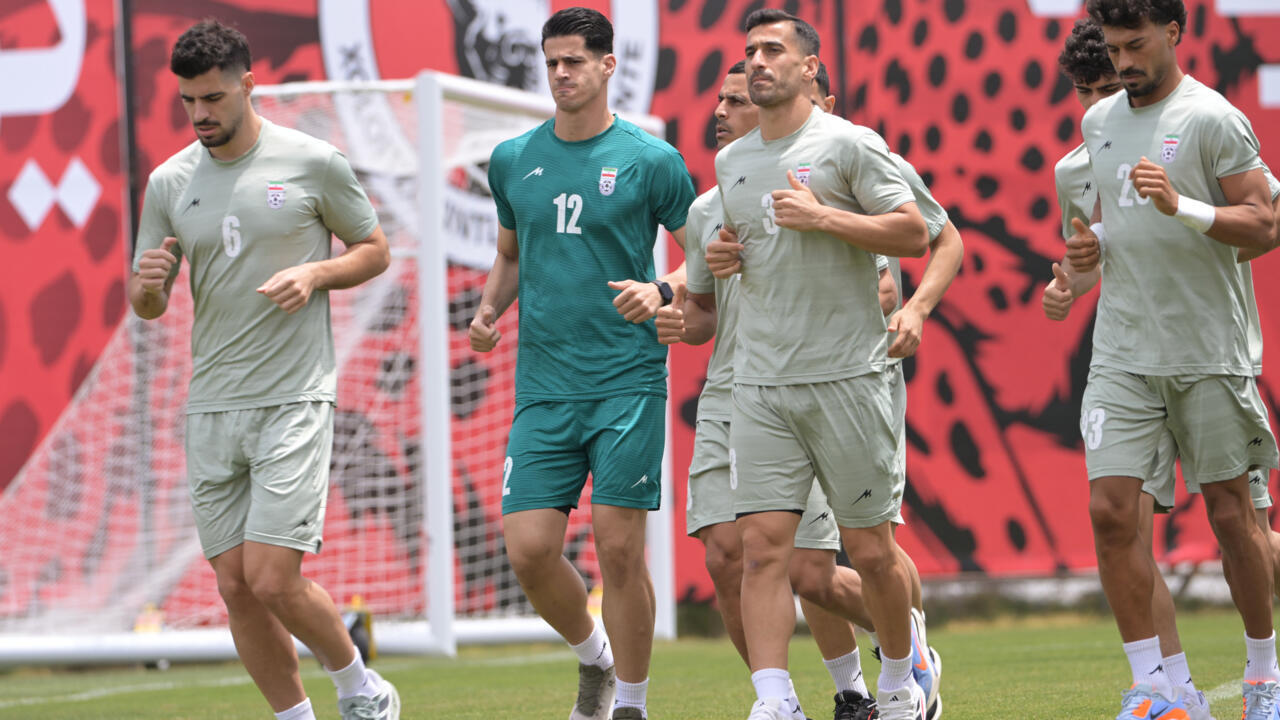
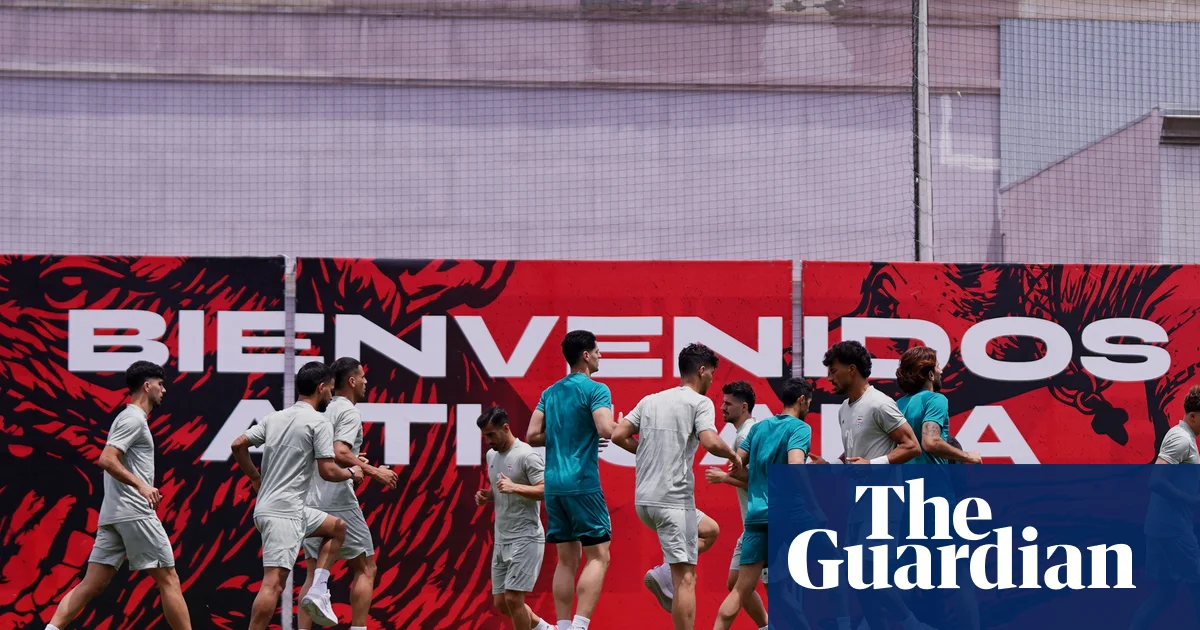
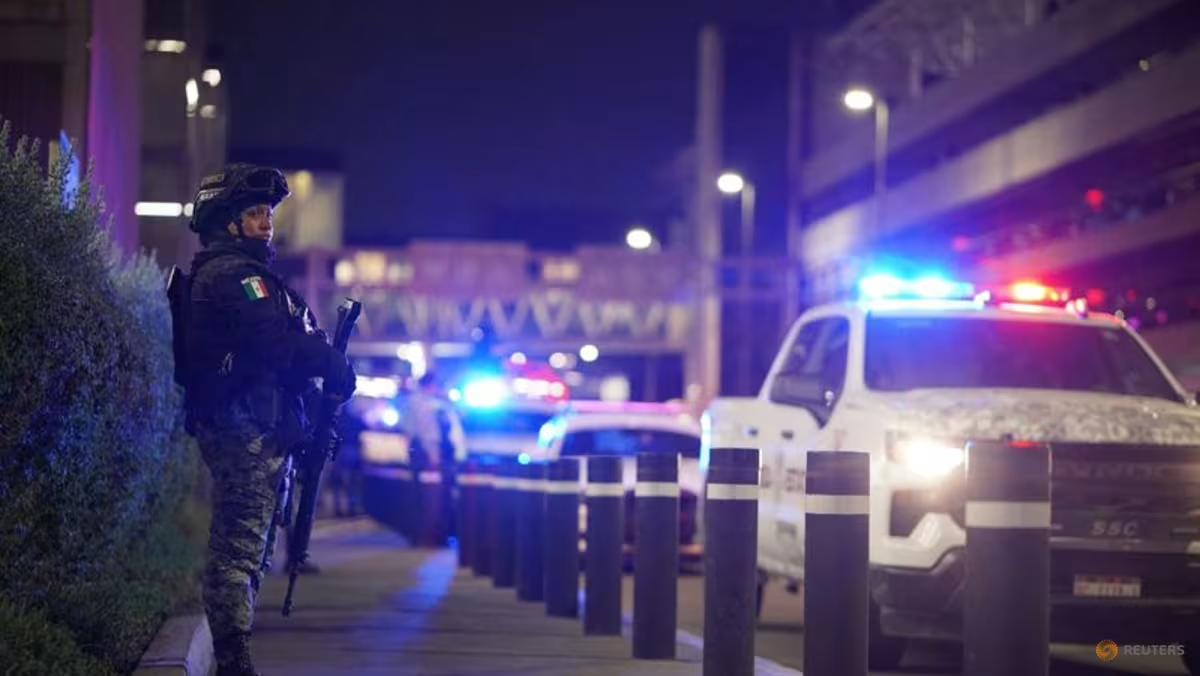
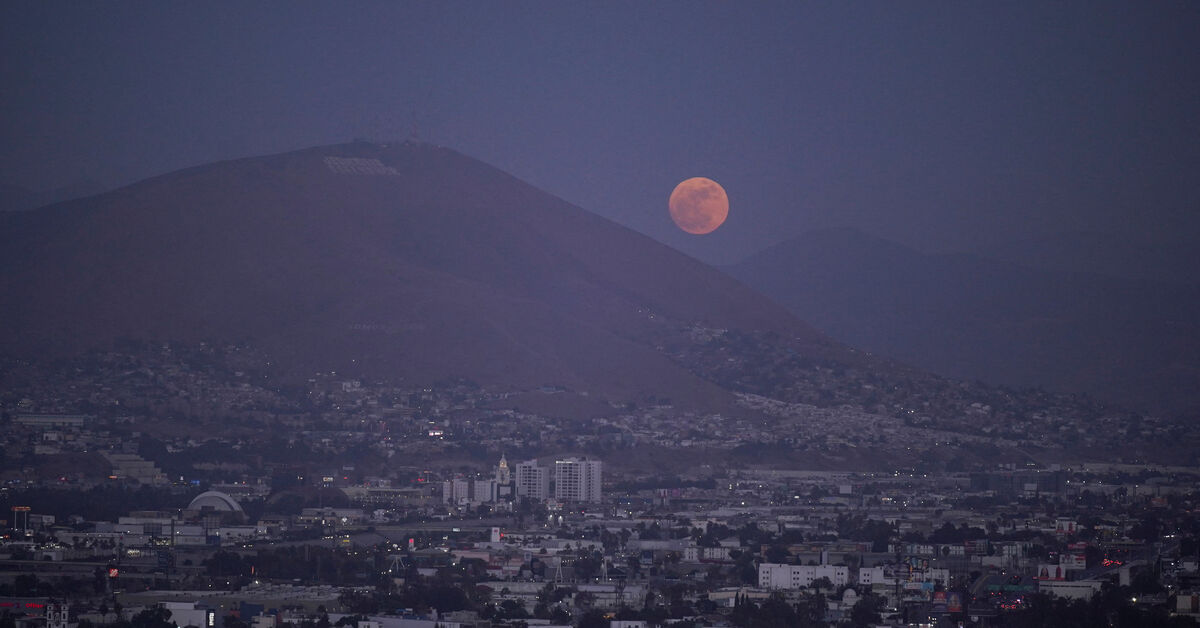
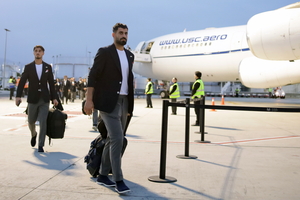
Iranian media only know that a significant portion of the managers, executive officials, and accompanying personnel have not yet received U.S. visas to enter the United States. International media have reported that a body was found near the team’s training ground, a consequence of staying in what is widely regarded as one of the most unsafe cities in Mexico. Furthermore, very few images of the team’s training sessions have been published, and journalists’ access to the players and coaching staff is severely limited, virtually down to zero.
Rather than making headlines for technical and footballing matters, the football team of the Islamic Republic of Iran in Tijuana is defined by news regarding the scramble of security and government officials to obtain U.S. visas, media restrictions, and security-focused narratives; a team that, in Tijuana, is being kept away from the media and public eye more than ever before.