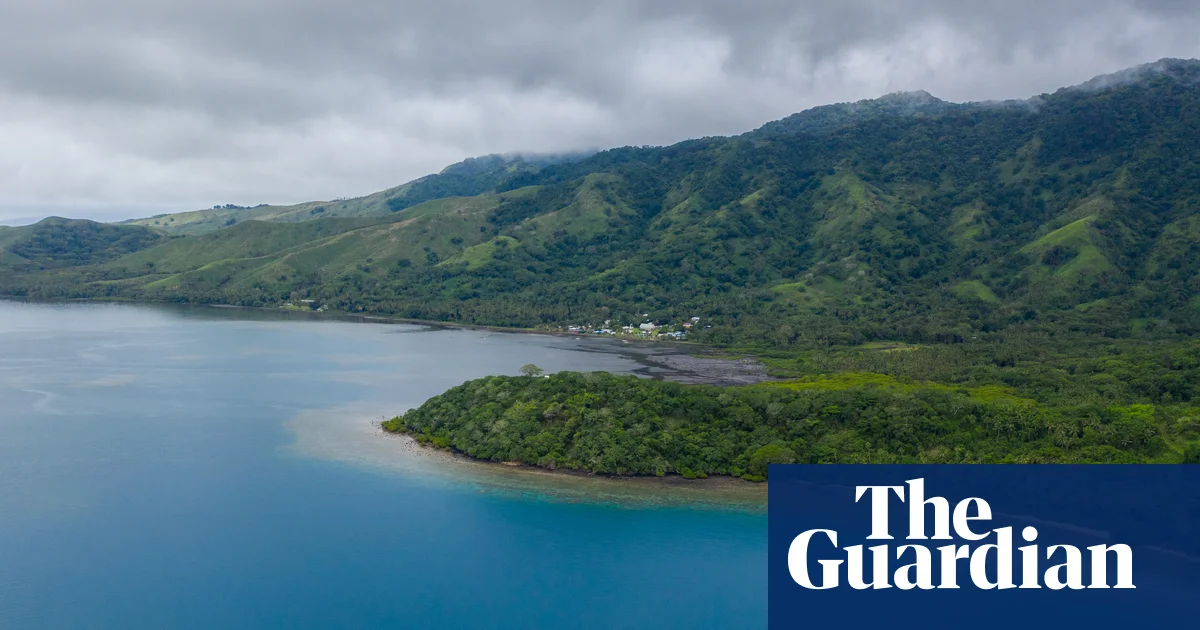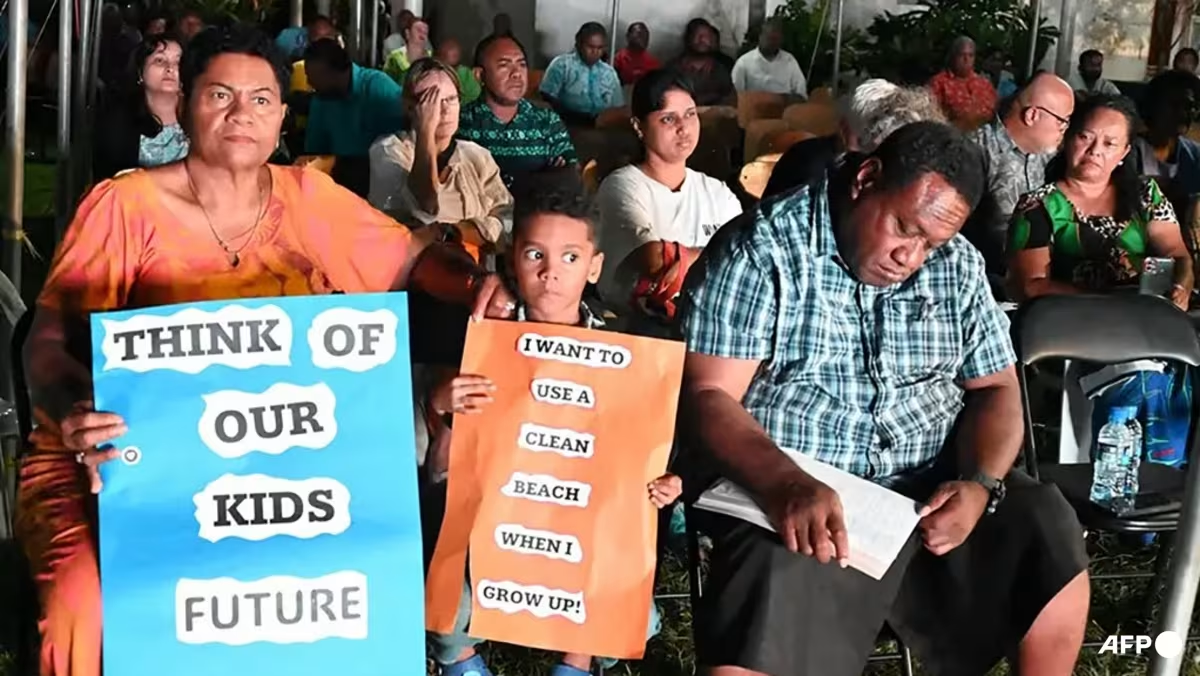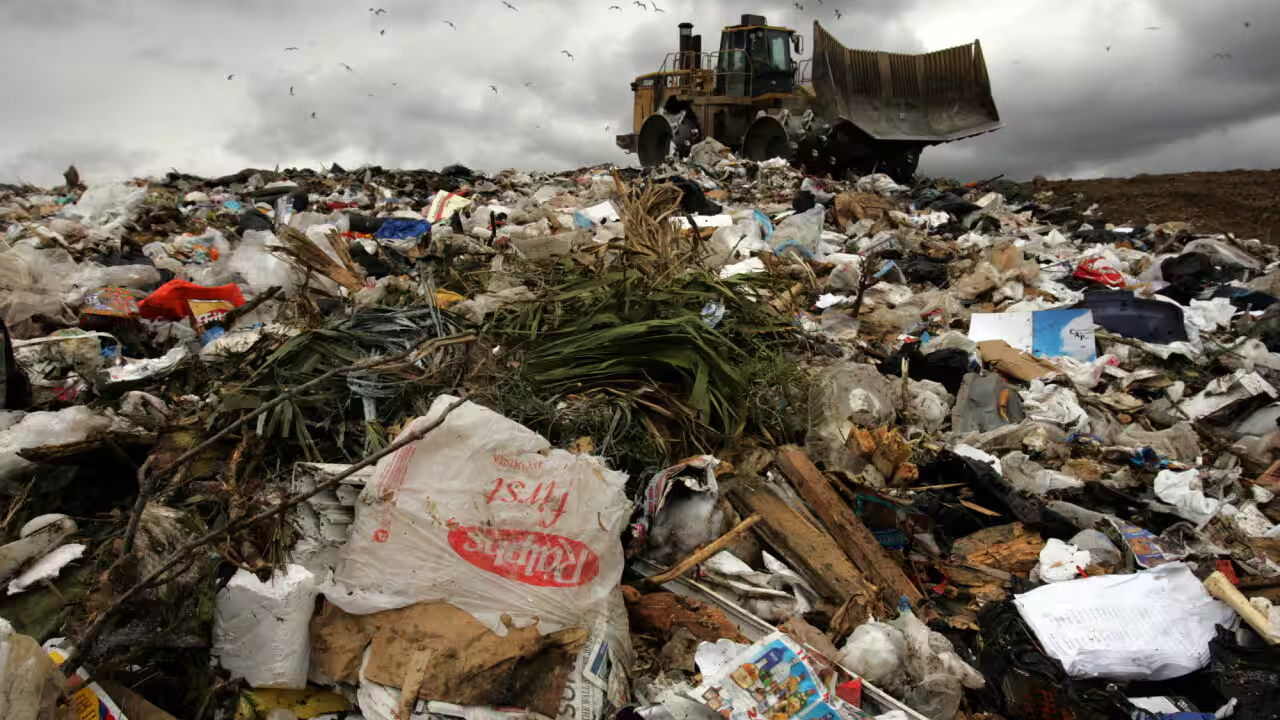
Fiji has rejected Australia’s proposal to ship waste to the South Pacific country to burn and produce energy, with Fiji’s ambassador to the UN, Filipo Tarakinikini, saying, “[We] must not become the Pacific’s ashtray.” The idea of exporting rubbish to Fiji to be burned for energy has quickly become known as “waste imperialism”, a concept that Fijians staunchly oppose due to health and environmental concerns.In June, the Fijian government rejected a plan proposed by Australian billionaire Ian Malouf to export waste from Australia to Fiji to burn for energy production after traditional landowners and tourism operators called for the proposal to be quashed. The Australia-based duo of Malouf and Rob Cromb, who is behind the Paris fashion label Kookai, had proposed the project to Fiji’s government, saying it had the potential to meet 40 per cent of the South Pacific country’s electricity needs, thereby reducing its reliance on diesel. The duo proposed shipping up to 900,000 tonnes of non-recyclable rubbish to Fiji each year to incinerate. Malouf is well-versed in the waste industry, having made his fortune in rubbish disposal with Dial a dump. The billionaire said that building a port and a waste incinerator near the popular tourist destination of Nadi could help Fiji generate large amounts of electricity. However, their company, Next Generation Holding (TNG), released an environmental impact statement that revealed the project would likely increase Fiji’s emissions by up to 25 per cent. Residents quickly became concerned that the project could undermine Fiji’s reputation for eco-tourism and threaten health and environmental safety. Following the proposal, Inoke Tora, a traditional landowner, argued, “There are hundreds of people living in villages in this place, and they fish each day, eat fresh crabs. They call that beach paradise… The government should stop this.” Meanwhile, Ambassador Tarakinikini warned that “Ash residue and dioxins would contaminate the food chain.”While Malouf and Cromb said that the Fijian government had previously demonstrated support for the project, many Fijians criticised the proposal, labelling it “waste imperialism”. Meanwhile, opponents of the project have pointed out that it would breach a 1998 convention signed by Australia, which prohibits the shipment of hazardous waste to any Pacific island country.The Fijian government cited issues with the project’s scale, as well as concerns around imported waste, hazardous ash management, and public health risks, as the reasons for rejecting the proposal. The government also voiced concerns about how the project may affect tourism and the environment. Fiji’s secretary for the environment, Sivendra Michael, explained, “This is not a decision against investment or against new waste solutions.” Michael added, “The department was not satisfied that the potential impacts and risks of the project could be adequately assessed or managed.”Malouf had also previously proposed developing a waste-to-energy incinerator in Sydney; however, concerns over the potential impact on human health led to its rejection in 2018. Despite widespread environmental and health concerns, Cromb believes the project would benefit Fiji. “By diverting waste from landfill where it would otherwise produce methane, a significantly more potent greenhouse gas and reducing reliance on fossil fuel-based energy sources, energy-from-waste can contribute to broader lifecycle emissions benefits,” he said.Several waste-to-energy projects have been developed across Asia to help manage rubbish while producing energy. However, operators of several projects have faced public backlash as they attempt to balance waste disposal with rising greenhouse gas emissions. One 2026 scientific article emphasises, “Waste-to-energy technologies are widely recognised for their greenhouse gas mitigation potential by diverting waste from disposal sites and displacing fossil fuels with energy recovered from waste. However, their cost-effectiveness for carbon abatement remains underexplored.” In Indonesia, a 54-day monitoring operation of a waste-to-energy plant in the capital of Java by Indonesia’s largest environmental group, Walhi, in 2025, found frequent breaches of the air quality limits set by the World Health Organisation. Walhi monitored air quality at five locations around the Benowo plant in Surabaya between November 2024 and January 2025 and found that PM2.5 and PM10 levels exceeded safety thresholds, posing potential risks to human health. “The most dramatic spikes occurred between 8 a.m. and 5 p.m., when the incinerator was running,” said Walhi East Java’s executive director, Wahyu Eka Setyawa.The plant was launched in 2021 under former President Joko Widodo as Indonesia’s first waste-to-energy facility, capable of processing 1,000 tons of waste daily to generate 12 MW of electricity. The facility consists of two power plants, a 1.65 MW sanitary landfill system, and a 9 MW gasification system. Fiji’s rejection of Malouf and Cromb’s proposal demonstrates the unwillingness of the government and residents to compromise on environmental and human health in the name of energy production. Recent studies suggest that waste-to-energy plants may cause air pollution and produce high levels of carbon emissions, even if they do help countries to manage their waste. In addition to environmental and health concerns, the labelling of the proposal as “waste colonialism” raises broader concerns around these types of projects.By Felicity Bradstock for Oilprice.comMore Top Reads From Oilprice.comOPEC Sees Oil Demand Growth Outpacing Supply Through 2027Another Gulf Producer Joins Dark-Mode Tanker Traffic Through HormuzSanctioned Private Chinese Refiner Seeks Non-Iranian Crude
Fiji Blocks Controversial Australian-Backed Waste Incinerator Project | OilPrice.com
Fiji has rejected a controversial Australian-backed waste-to-energy project, citing environmental, health, tourism, and public-interest concerns despite claims it could reduce the country's reliance on imported diesel.
TL;DRAI
Fiji rejected billionaire Ian Malouf's proposal to export 900k waste tonnes annually for energy generation, citing emissions and health risks. The rejection reflects tightening ESG and carbon governance in developing nations, reshaping global waste-energy business models.
848 words~4 min read