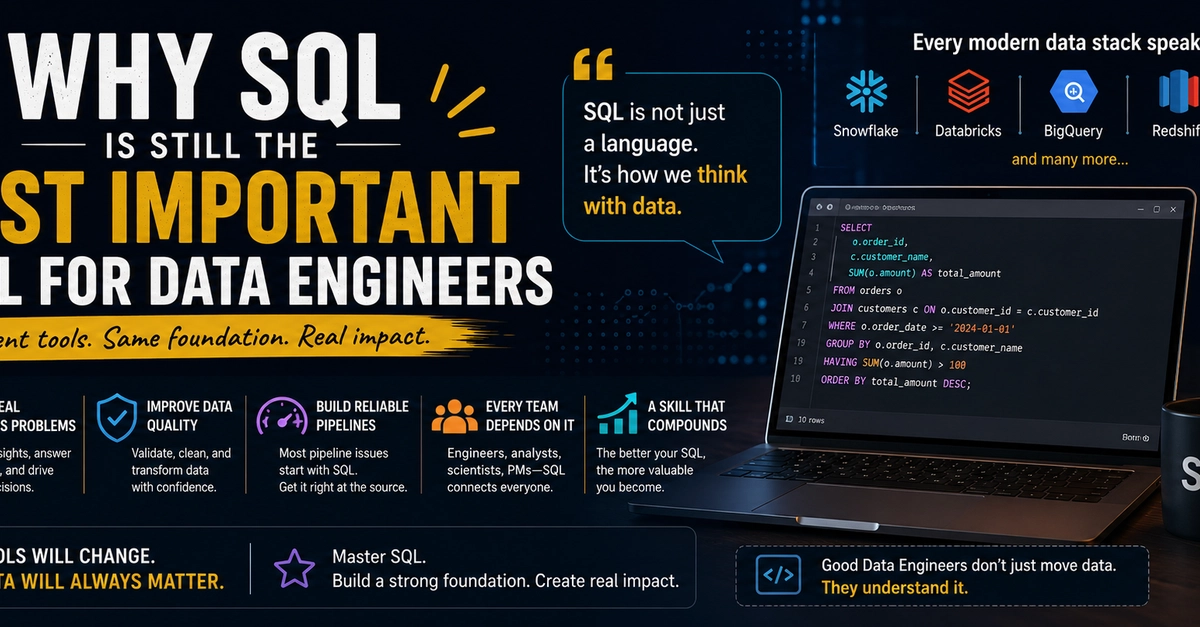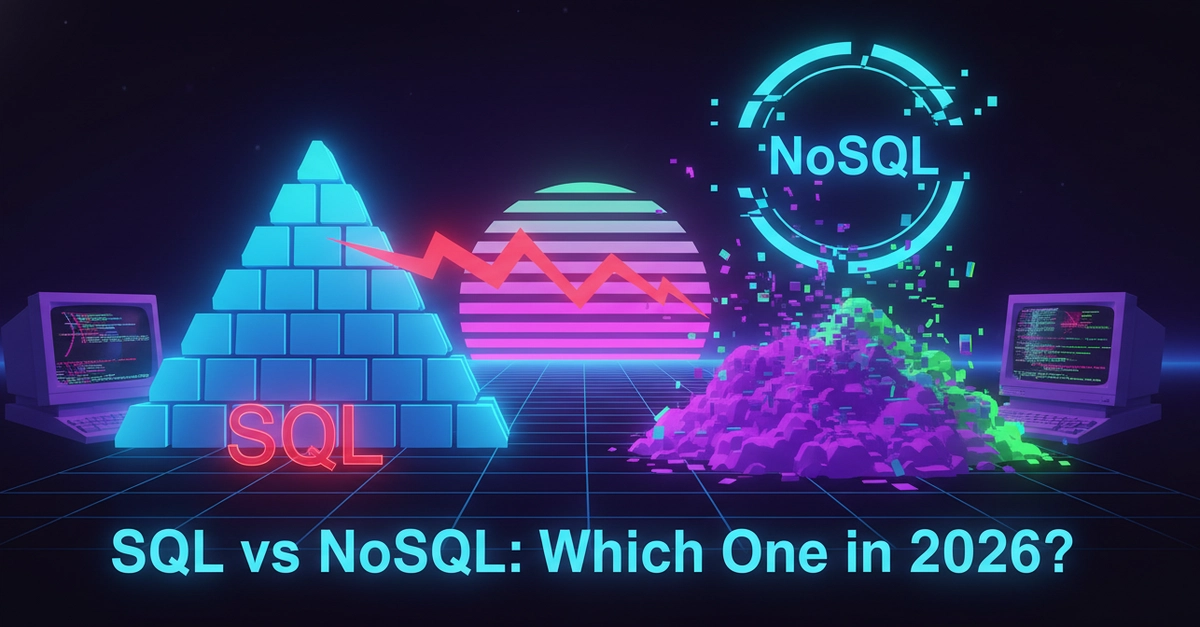
In the hyper-accelerated world of software development, where programming languages often have the shelf life of a smartphone, SQL stands as a defiant outlier. With roots stretching back to the early 1970s, it has not only survived the rise and fall of countless "modern" competitors but has thrived.
As we struggle to navigate an unprecedented deluge of digital information, it is a fascinating paradox: this "ancient" tool, born in the era of magnetic tapes, remains the industry’s most sophisticated way to manage the complexities of data. To understand why, we have to look past the syntax and into the architectural soul of the relational model.
The "High-Power Zoom Lens" of Data
The enduring success of relational databases lies in their unique ability to handle massive datasets without losing focus. Many alternative database management systems break down under heavy loads.
The reason is usually architectural: their focus is too narrow. They are designed to do one thing well, but they lack versatility. In these systems, the “lens” is effectively stuck on maximum zoom, making it impossible to see the forest for the trees.