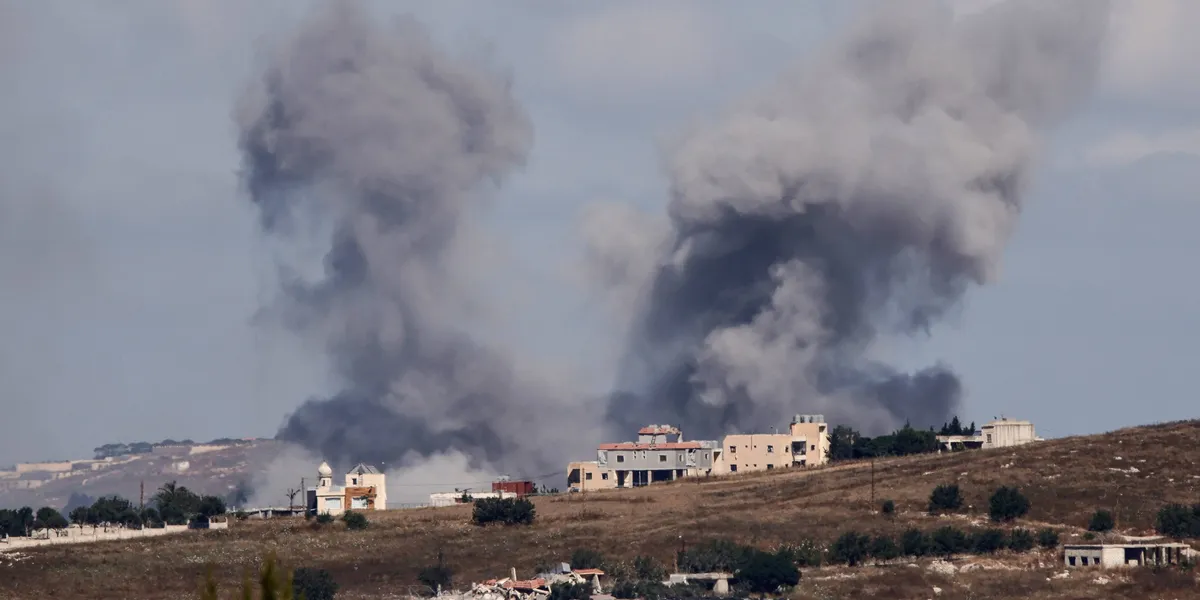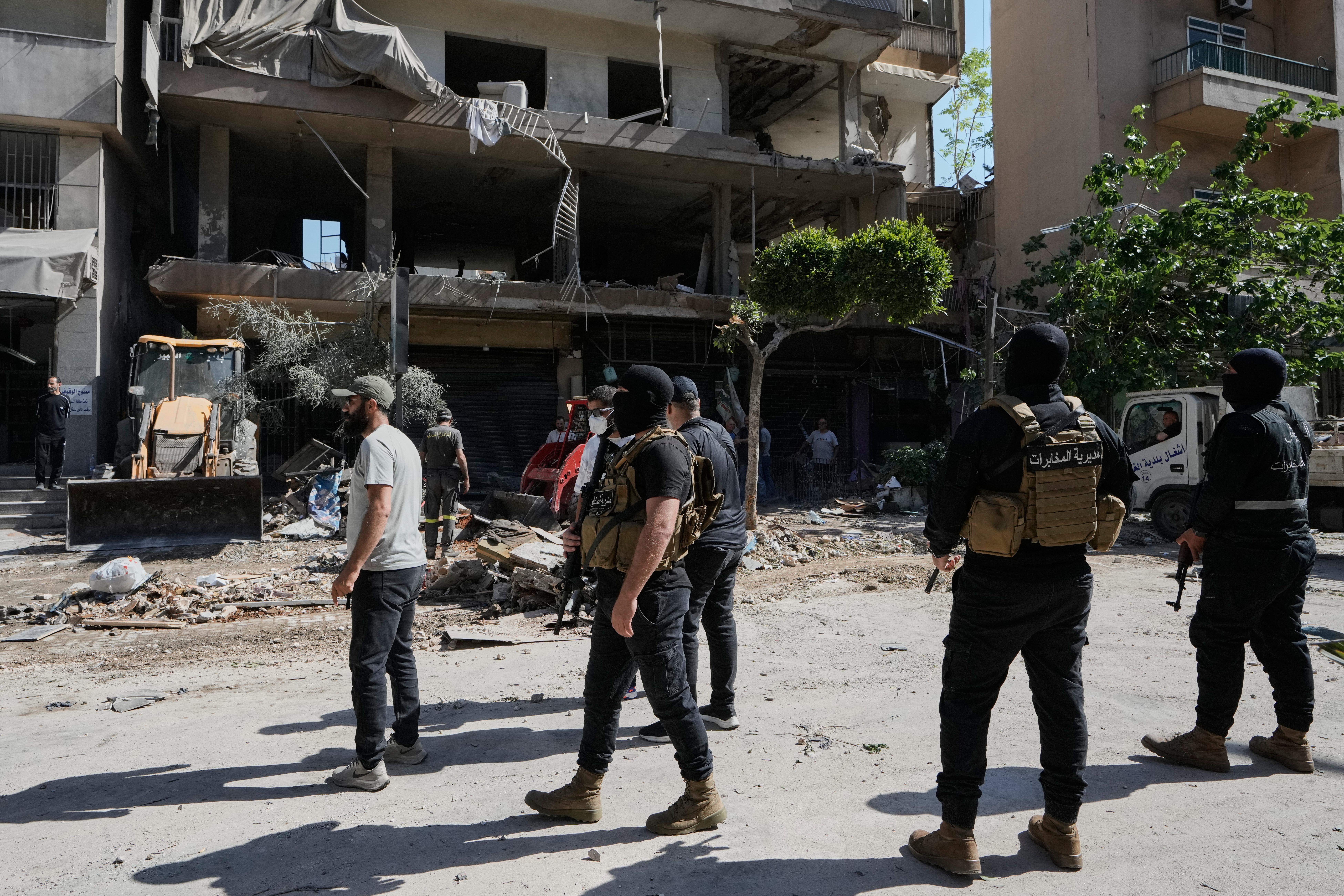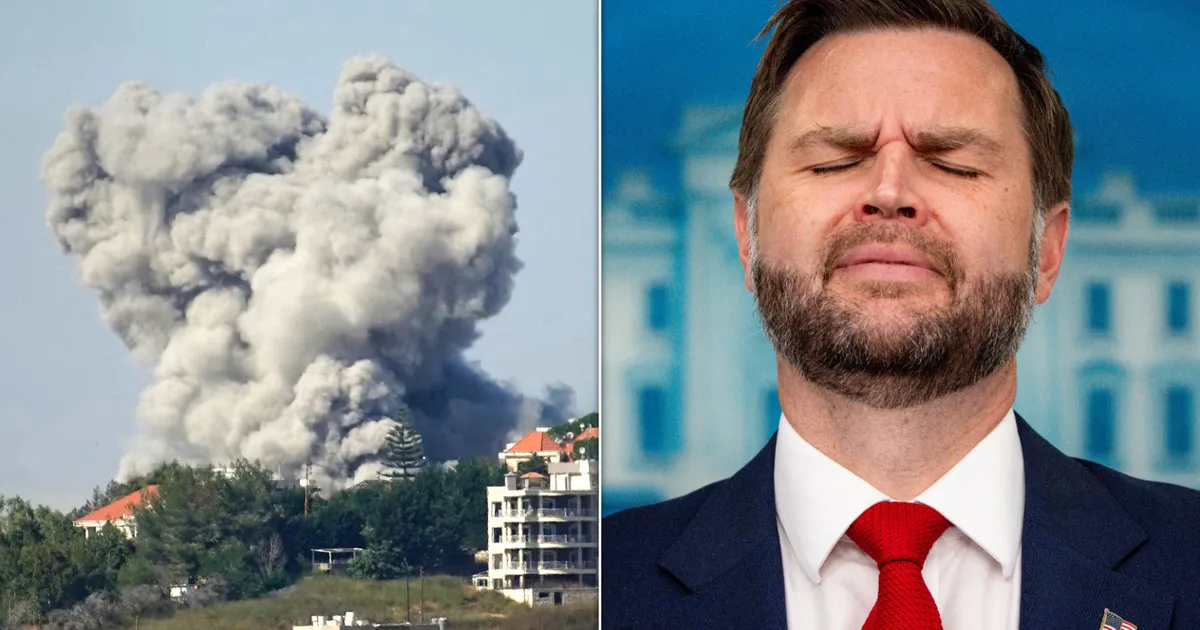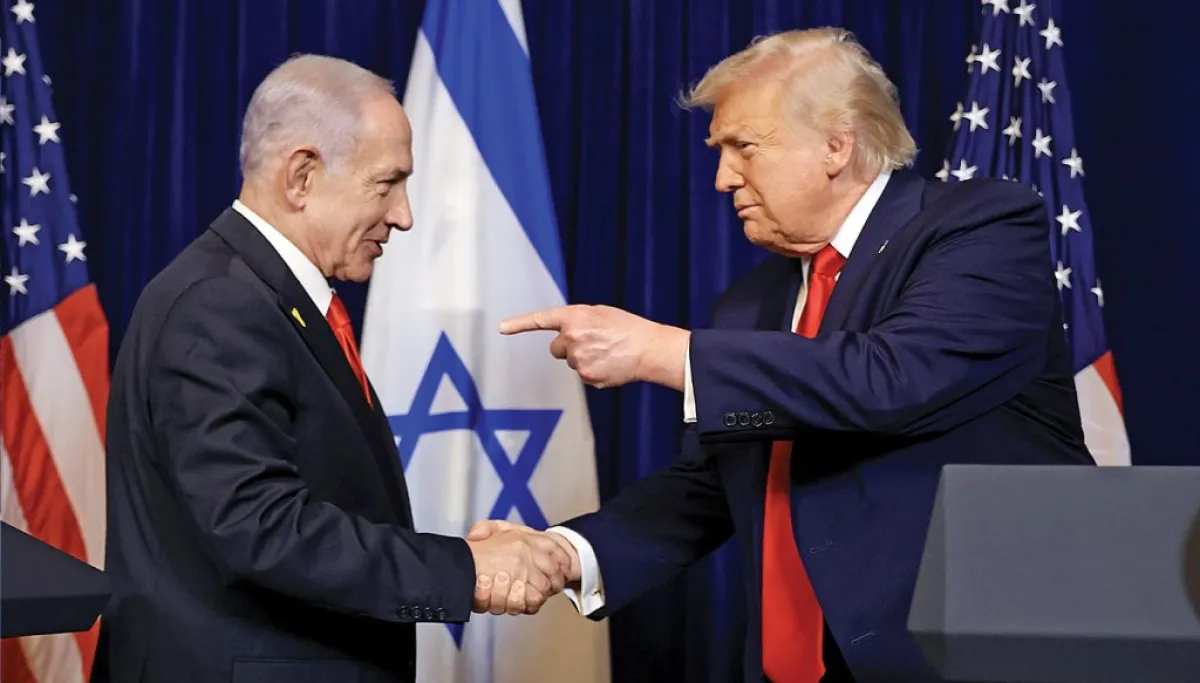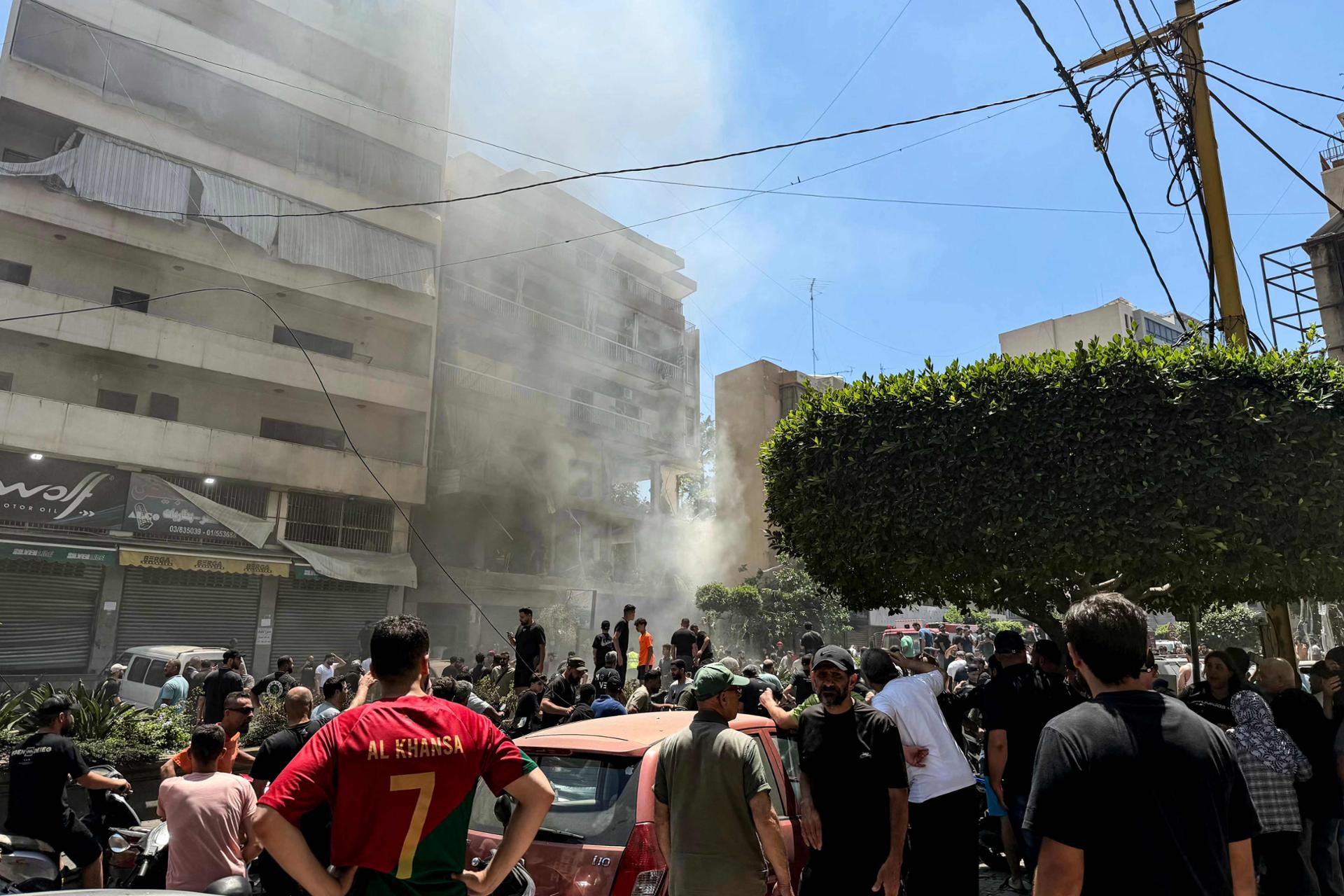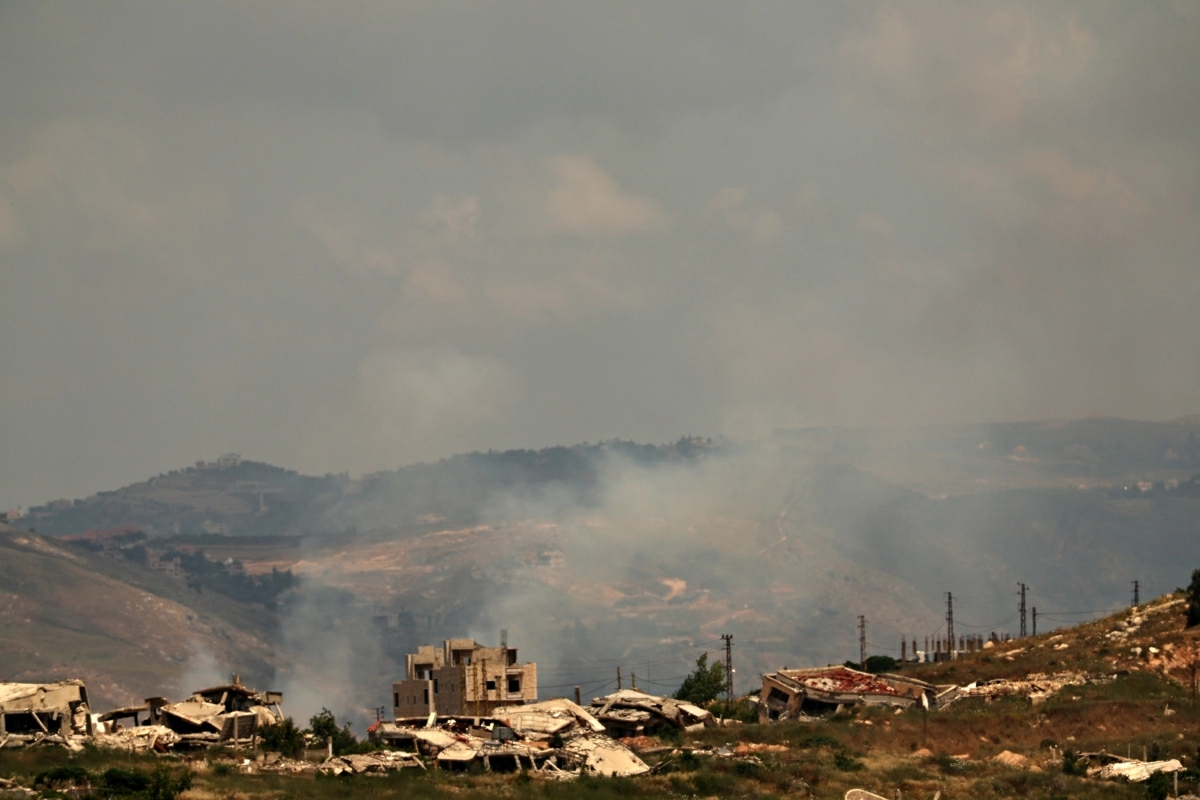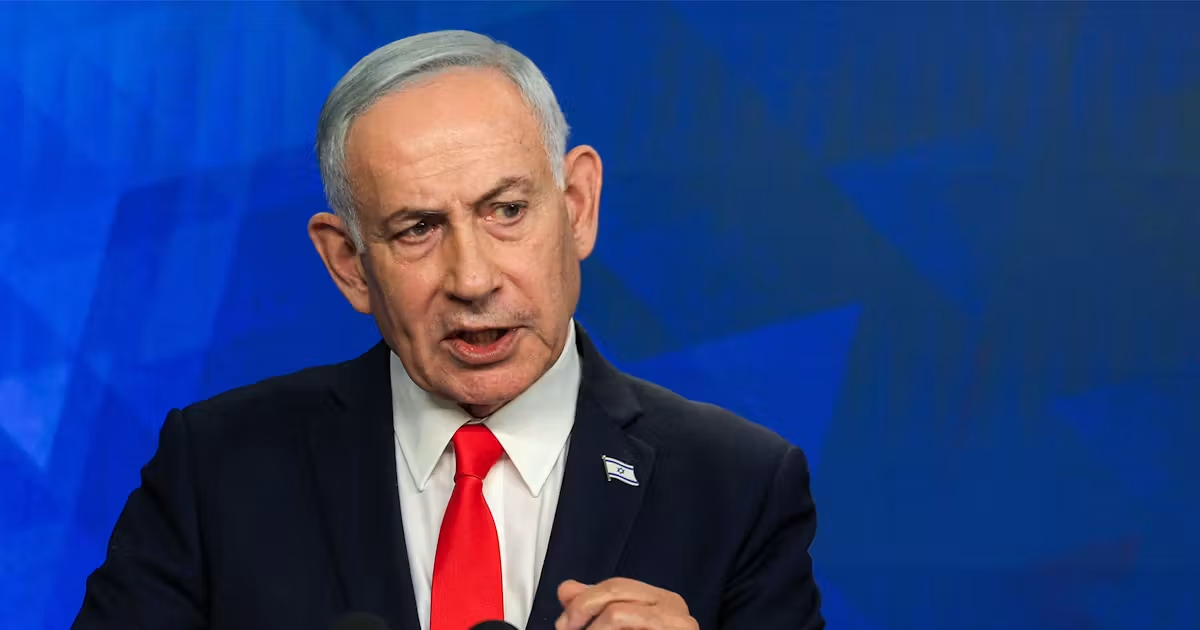
The Israeli military bombed the southern suburbs of Beirut on Sunday just as Iranian and US officials voiced optimism that a diplomatic agreement is in reach, prompting accusations that the government of Prime Minister Benjamin Netanyahu is trying to derail the negotiations.Israel's strikes reportedly targeted a five-story apartment building, killing at least three people, according to Lebanese authorities. Netanyahu said the bombing was a response to Hezbollah rocket fire into northern Israel.The latest bombing of Beirut came hours after US President Donald Trump said he expected a memorandum of understanding (MOU) to be signed as early as Sunday, potentially setting the stage for negotiations to end the illegal war Trump started in late February. Iranian officials have pushed back on the US president's claim that the MOU will be signed Sunday, but Iran's foreign minister said Friday that an agreement had "never been closer."The Associated Press reported Sunday that Israel's new strikes on Beirut "threatened to hamper negotiations over a deal, which in its current form is a deep disappointment to Israel’s government.""The last time Israel struck the Beirut suburbs a week ago, it set off the most serious escalation of fighting between Iran and Israel since the tenuous ceasefire took hold April 7," AP added.Kenneth Roth, former executive director of Human Rights Watch, wrote on social media that "as a US-Iranian deal seems like it might be closer, Israel predictably bombs the Beirut suburbs, evidently hoping to sabotage the deal.""Why does Trump put up with this and continue to arm and fund such obstructionism?" Roth asked.Mohammad Bagher Ghalibaf, Iran's chief negotiator and speaker of parliament, said Israel's strikes indicate that the US "either does not have the will or the ability to fulfill its obligations.""You cannot gain concessions by giving [Israel] a green light," he added. "The good cop, bad cop routine has become old. If you do not have the will or the ability to fulfill your commitments, then there is no basis for talking about continuing down this path."While the MOU that's reportedly under consideration has not been released in full, its broad outlines have been reported in media outlets and divulged by Iranian and US officials in recent days. Reuters reported Sunday that "a final draft of the memorandum of understanding with the US covered a range of issues, from Tehran’s nuclear work to reopening the Strait of Hormuz and US waivers on oil sanctions, with a final deal to be discussed in the 60 days following agreement by the two sides."Under the MOU, Iran would immediately reopen the Strait of Hormuz and the US would end its illegal blockade of Iranian ports, according to Reuters. The US would also agree to waive oil sanctions on Iran and release $25 billion in frozen Iranian assets, while Iran would agree to "maintain the current status of its nuclear program, refraining from further uranium enrichment and expansion of nuclear facilities."Abbas Araghchi, Iran's foreign minister, said in a television interview on Friday that the MOU's proposed 60-day ceasefire extension would include Lebanon.Axios reported that Netanyahu has "found himself in the dark" as US-Iran negotiations have progressed in recent days, "calling allies close to the Trump administration to try and gather information."
'Evidently Hoping to Sabotage' US-Iran Deal, Israel Bombs Beirut | Common Dreams
Iran's chief negotiator accused the Trump administration of giving the Israeli government a "green light" to continue attacking Lebanon and undermining diplomatic talks.
532 words~2 min read