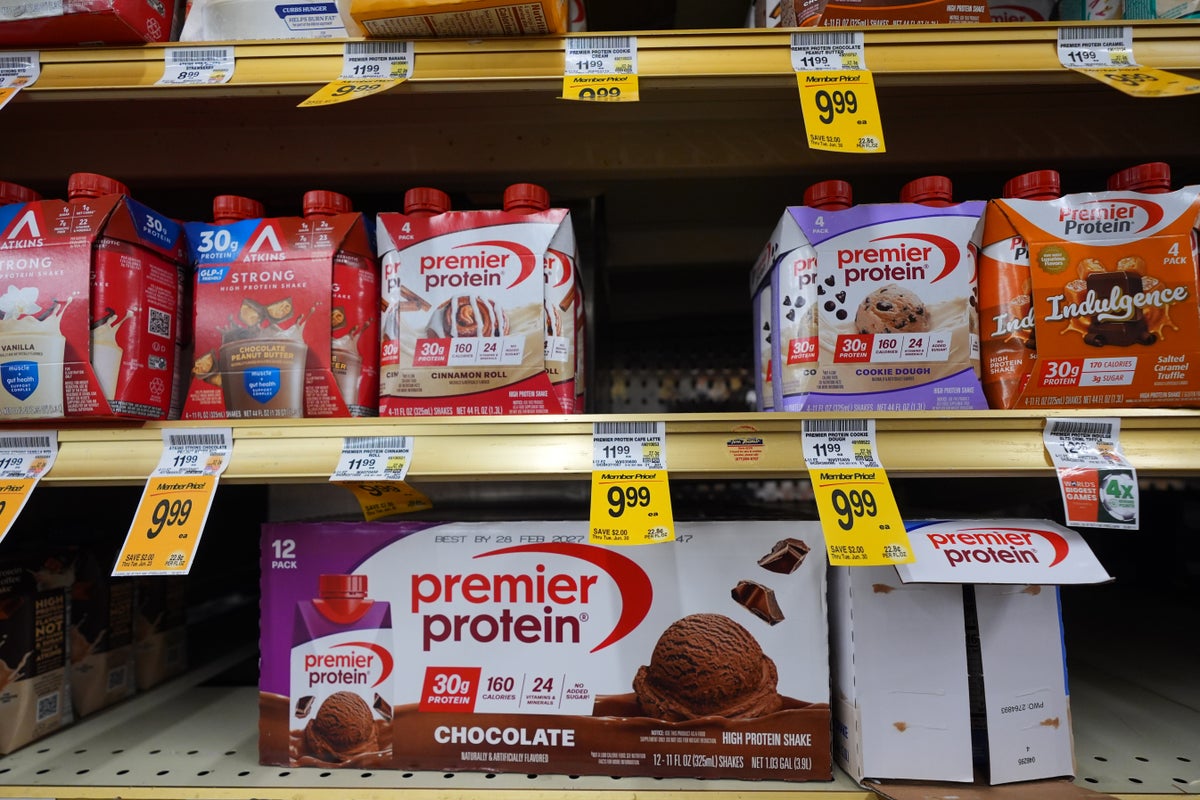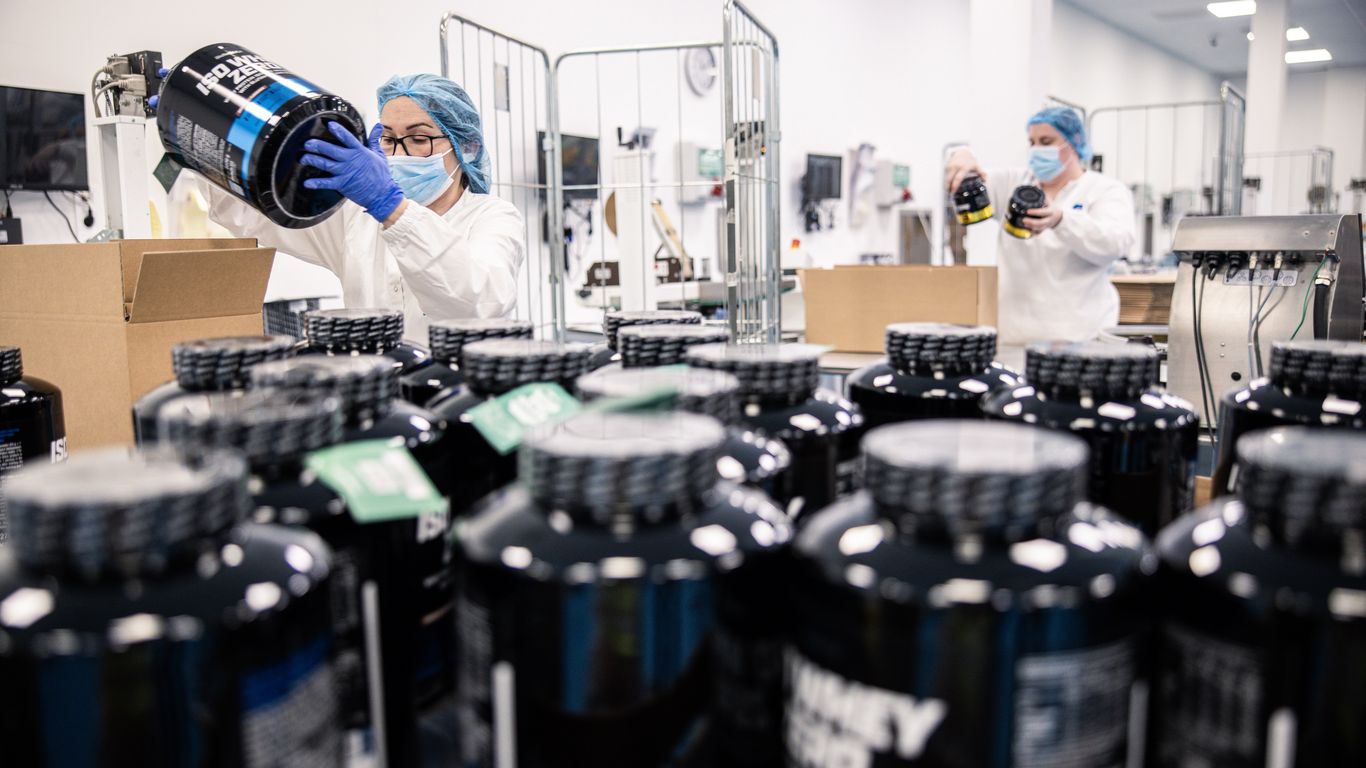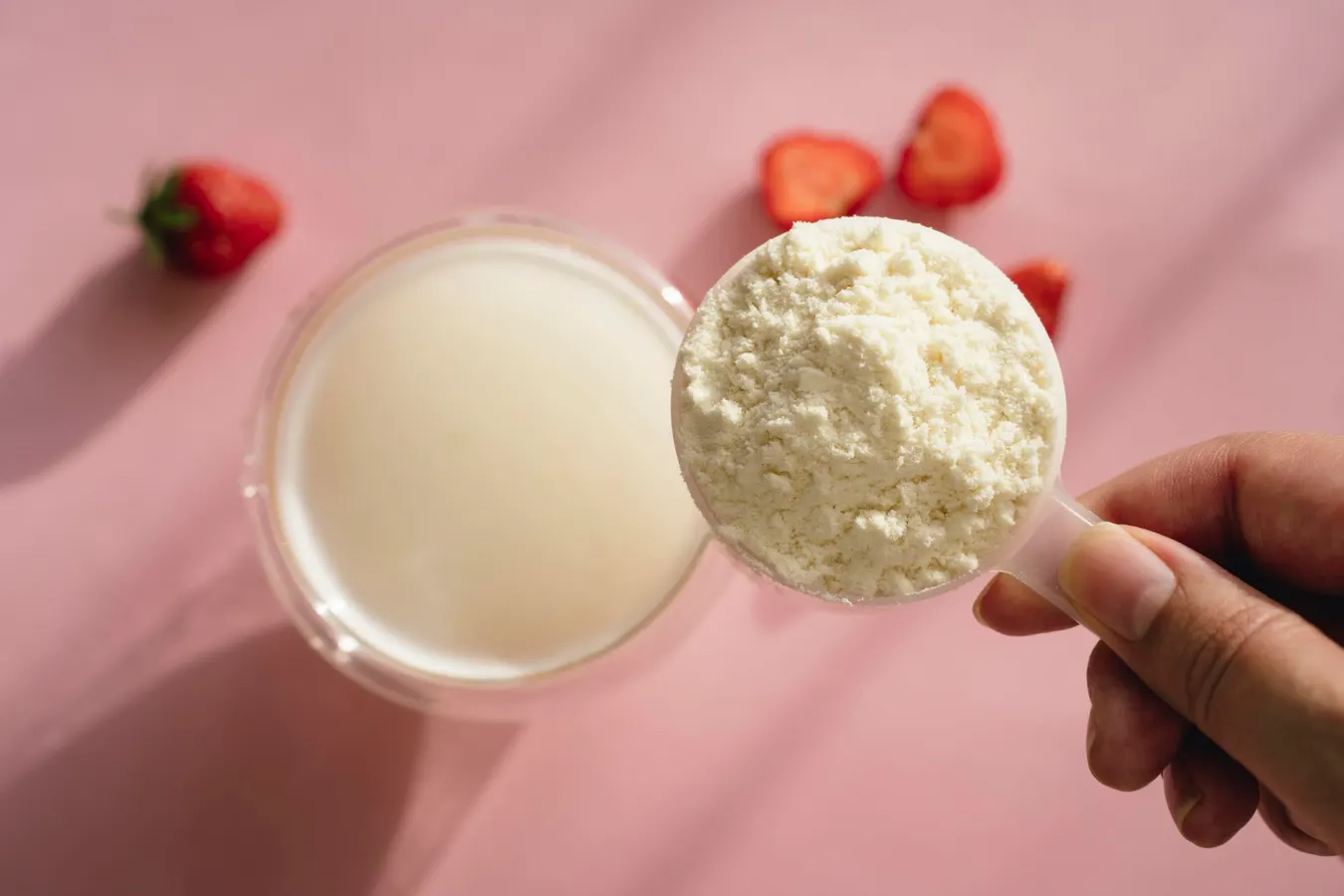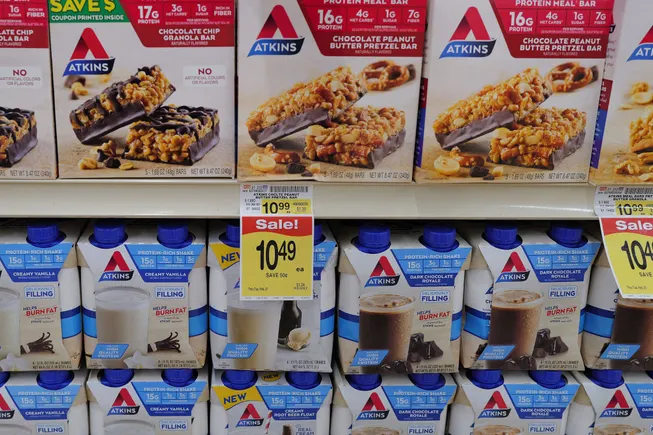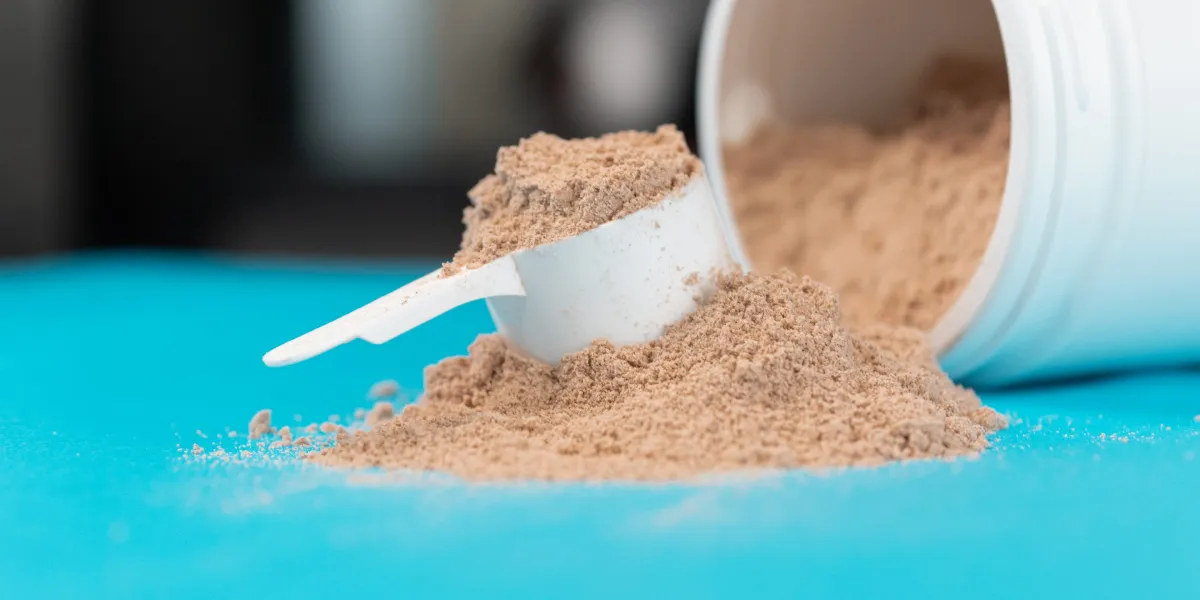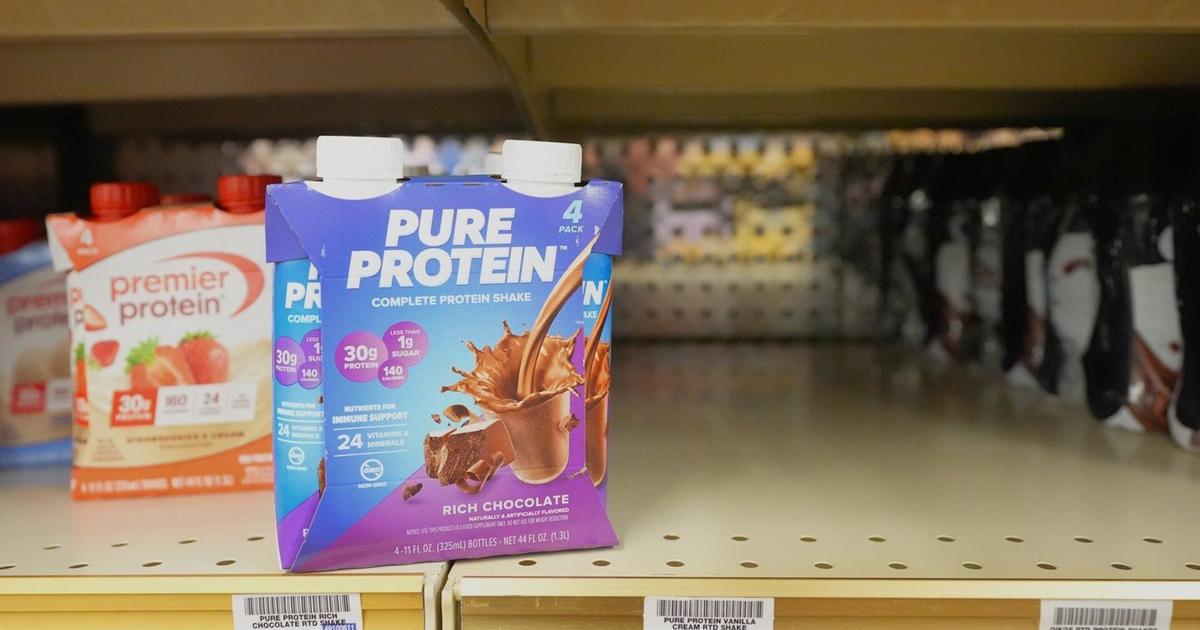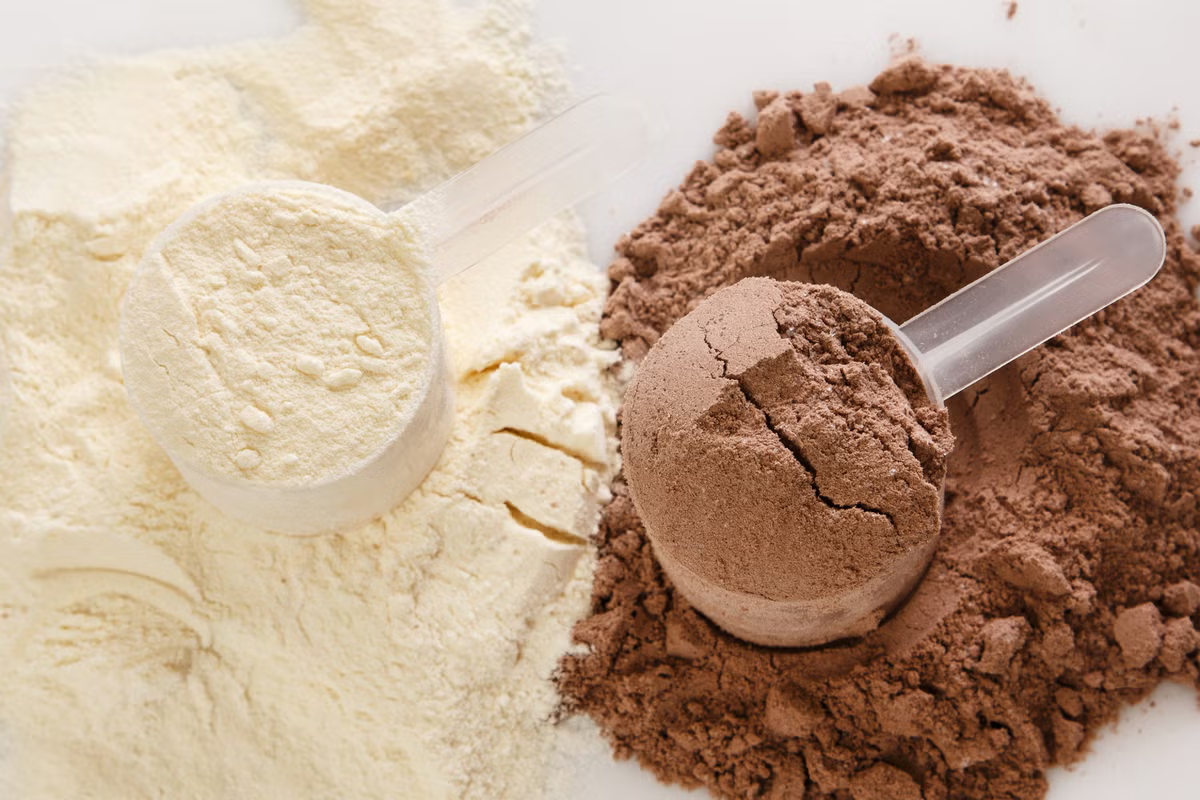
Stay up to date with notifications from The IndependentNotifications can be managed in browser preferences.Jump to contentThank you for registeringPlease refresh the page or navigate to another page on the site to be automatically logged inPlease refresh your browser to be logged inAllNewsSportCultureLifestyleWhey is being added to everything from breakfast cereals and Pop-Tarts to crisps, bagels, tortillas, and Starbucks beverages (Getty/iStock)The global demand for protein has led to whey protein, a byproduct of cheese-making, being incorporated into a wide range of everyday food items, from breakfast cereals to crisps and Starbucks beverages.This increased demand has caused significant shortages of food-grade whey protein and driven wholesale prices to unprecedented levels, with 80 percent protein concentrate rising by 250 percent in the US over the past year and similar increases in Europe.The surge in wholesale prices is translating into higher costs for consumers, with US prices for whey protein concentrate powder increasing by approximately 15 percent over the last year, prompting some manufacturers to raise product prices.A key factor supercharging demand is the growing use of GLP-1 weight-loss drugs, as users are advised to consume sufficient protein to maintain muscle mass and satiety, leading food companies to create more protein-enriched products.While manufacturers are investing in new production capacity, such as Glanbia's planned expansion in New Mexico by 2027, relief from the current tight supply and high prices is not expected immediately, though higher consumer prices may eventually temper demand.In fullNo whey! Shortage fears as people want more and more high-protein productsThank you for registeringPlease refresh the page or navigate to another page on the site to be automatically logged inPlease refresh your browser to be logged in
Protein craze sparks shortage fears after brands rushed to hop on trend
Stay up to date with notifications from The IndependentNotifications can be managed in browser preferences.Jump to contentThank you for registeringPlease refresh the page or navigate to another page on the site to be automatically logged inPlease refresh your browser to be logged inAllNewsSportCultureLifestyleWhey is being added to everything from breakfast cereals and Pop-Tarts to crisps, bagels, tortillas, and Starbucks beverages (Getty/iStock)The global demand for protein has led to whey protein, a byproduct of cheese-making, being incorporated into a wide range of everyday food items, from breakfast cereals to crisps and Starbucks beverages.This increased demand has caused significant shortages of food-grade whey protein and driven wholesale prices to unprecedented levels, with 80 percent protein concentrate rising by 250 percent in the US over the past year and similar increases in Europe.The surge in wholesale prices is translating into higher costs for consumers, with US prices for whey protein concentrate powder increasing by approximately 15 percent over the last year, prompting some manufacturers to raise product prices.A key factor supercharging demand is the growing use of GLP-1 weight-loss drugs, as users are advised to consume sufficient protein to maintain muscle mass and satiety, leading food companies to create more protein-enriched products.While manufacturers are investing in new production capacity, such as Glanbia's planned expansion in New Mexico by 2027, relief from the current tight supply and high prices is not expected immediately, though higher consumer prices may eventually temper demand.In fullNo whey! Shortage fears as people want more and more high-protein productsThank you for registeringPlease refresh the page or navigate to another page on the site to be automatically logged inPlease refresh your browser to be logged in