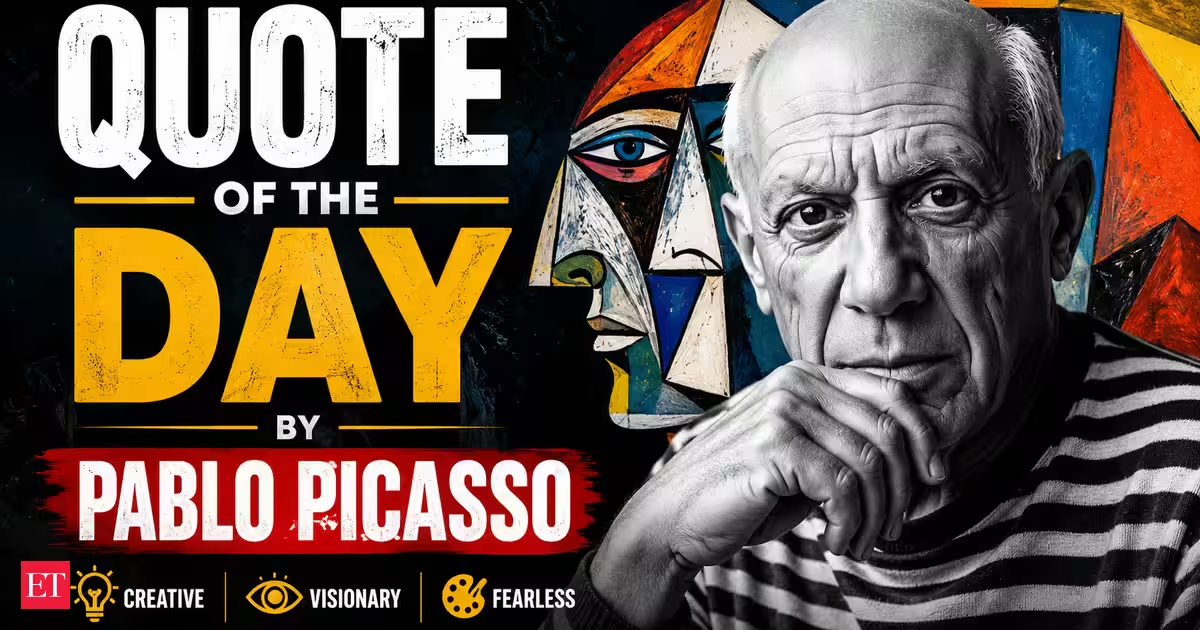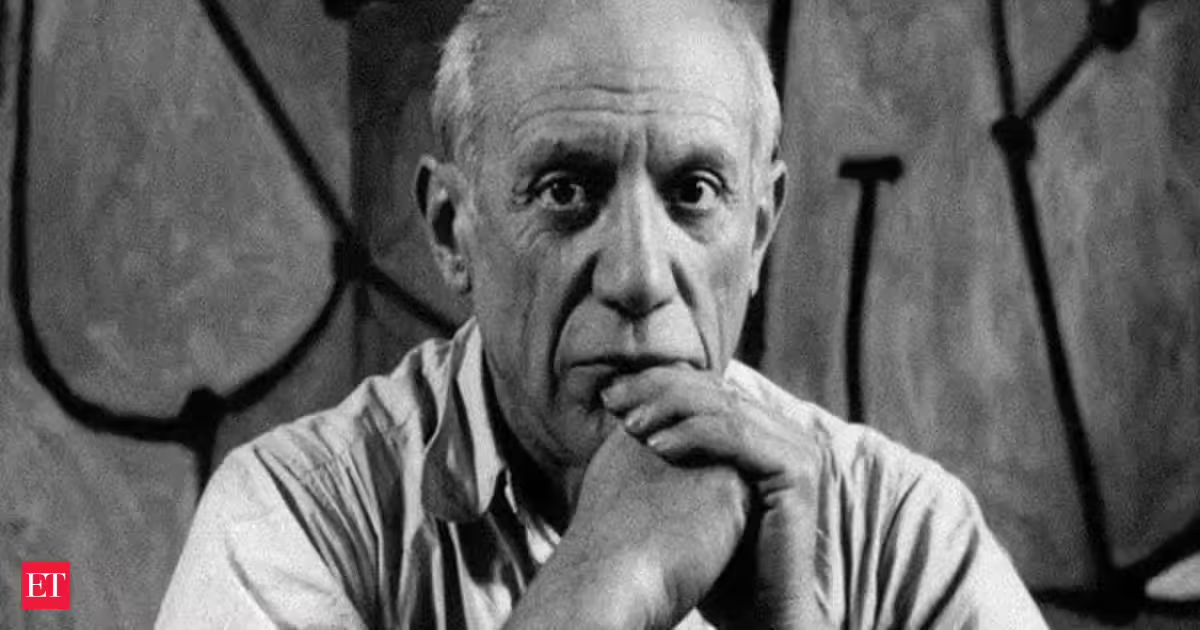
Quote of the Day by Pablo Picasso “Every child is an artist. The problem is how to remain an artist once he grows up,” carries a profound message about creativity, imagination, and the challenges of adulthood. The quote suggests that every child naturally possesses artistic qualities such as curiosity, creativity, and the freedom to express thoughts without fear. However, as people grow older, these qualities often diminish due to societal pressures, responsibilities, and fear of failure. Picasso’s words remind us of the importance of preserving our creative spirit throughout life.Children view the world with wonder and imagination. They ask questions, explore their surroundings, and create without worrying about perfection. A child drawing a picture does not fear criticism or compare their work with others. Instead, they express themselves freely and joyfully. This natural creativity is not limited to painting or music; it extends to problem-solving, storytelling, innovation, and the ability to think differently. In this sense, every child is indeed an artist.Pablo Picasso's Iconic QuoteThe word “artist” in Picasso’s quote has a broader meaning than someone who paints or sculpts. An artist is anyone who uses imagination, creativity, and originality to express ideas or solve problems. Children often demonstrate these qualities naturally. They invent games, imagine new worlds, and see possibilities where adults see limitations. Their minds are open, flexible, and unafraid of making mistakes. This creative mindset is one of the greatest strengths of childhood.As people grow older, however, many lose this artistic spirit. Society often emphasizes rules, routines, and practical achievements over creativity. Children are encouraged to seek correct answers, meet expectations, and avoid mistakes. While discipline and education are important, excessive focus on conformity can limit imagination. Adults become concerned about success, social approval, and financial security. As a result, they may suppress their creative instincts and become afraid to experiment or take risks.How to Cope with Fear of FailureOne major reason people lose their creativity is the fear of failure. Children are generally not afraid of making mistakes because they see them as part of learning. Adults, on the other hand, often fear criticism and rejection. They hesitate to try new things because they worry about failing or appearing incompetent. This fear can prevent people from expressing their ideas and exploring their talents. Picasso’s quote reminds us that maintaining creativity requires courage and the willingness to embrace imperfection.Another factor that affects creativity is routine. Adult life is often filled with responsibilities such as work, family, and financial obligations. While these duties are necessary, they can leave little time for creative activities. Many people become trapped in repetitive routines and forget the joy of exploration and imagination. Over time, they may lose touch with the passions and interests that once inspired them. Picasso encourages us to rediscover those passions and keep our creative spirit alive.Creativity in Personal, Professional LifeCreativity plays an important role in personal and professional life. It is not limited to the arts but is valuable in every field. Scientists use creativity to develop new theories and inventions. Entrepreneurs rely on innovative ideas to build businesses. Teachers use creative methods to inspire students. Even in everyday life, creativity helps people solve problems and adapt to changing circumstances. Therefore, preserving our artistic qualities is beneficial not only for personal happiness but also for social progress.History offers many examples of individuals who retained their creative spirit throughout life. Great inventors, writers, musicians, and leaders often maintained curiosity and openness to new ideas. They continued to ask questions, experiment, and imagine possibilities even as adults. Their achievements demonstrate that creativity does not disappear with age; it only requires nurturing and practice.Another important step is embracing mistakes as opportunities for growth. Creativity often involves trial and error. Many great discoveries and masterpieces emerged after numerous failures. Instead of fearing mistakes, we should view them as valuable lessons. A creative mind is willing to experiment and learn from setbacks. By adopting this attitude, we can overcome fear and unlock our potential.Engaging in artistic activities is also beneficial. Painting, writing, music, dance, and crafts provide outlets for self-expression and imagination. However, one does not need to be a professional artist to enjoy these activities. The goal is not perfection but the joy of creating. Participating in creative hobbies can reduce stress, improve well-being, and help us reconnect with our inner child.Relevant in Today's SocietyFurthermore, society has a role in encouraging creativity. Schools and families should create environments where children feel free to express themselves and explore their interests. Instead of focusing solely on academic performance, education should also nurture imagination and critical thinking. By valuing creativity alongside knowledge, society can help individuals retain their artistic spirit throughout life.Picasso’s iconic quote also encourages us to appreciate the child within ourselves. Growing older is inevitable, but losing our sense of wonder is not. Adults can continue to dream, imagine, and create regardless of age. By staying curious, open-minded, and willing to explore, we can preserve the qualities that make life meaningful and fulfilling.
Quote of the Day by Pablo Picasso: 'Every Child Is an Artist. The Problem Is How to Remain an Artist Once He Grows Up' teaches us how to preserve creativity in the harsh reality of world
Quote of the Day by Pablo Picasso highlights the importance of preserving creativity throughout life. Children naturally possess imagination, curiosity, and the courage to express themselves freely. However, as people grow older, responsibilities, social pressures, and fear of failure often limit their creativity. The quote reminds us that true artistry lies not only in creating art but also in maintaining a creative and curious mind. By embracing imagination, learning from mistakes, and staying open to new ideas, adults can retain their artistic spirit. Creativity enriches life and drives innovation.
830 words~4 min read