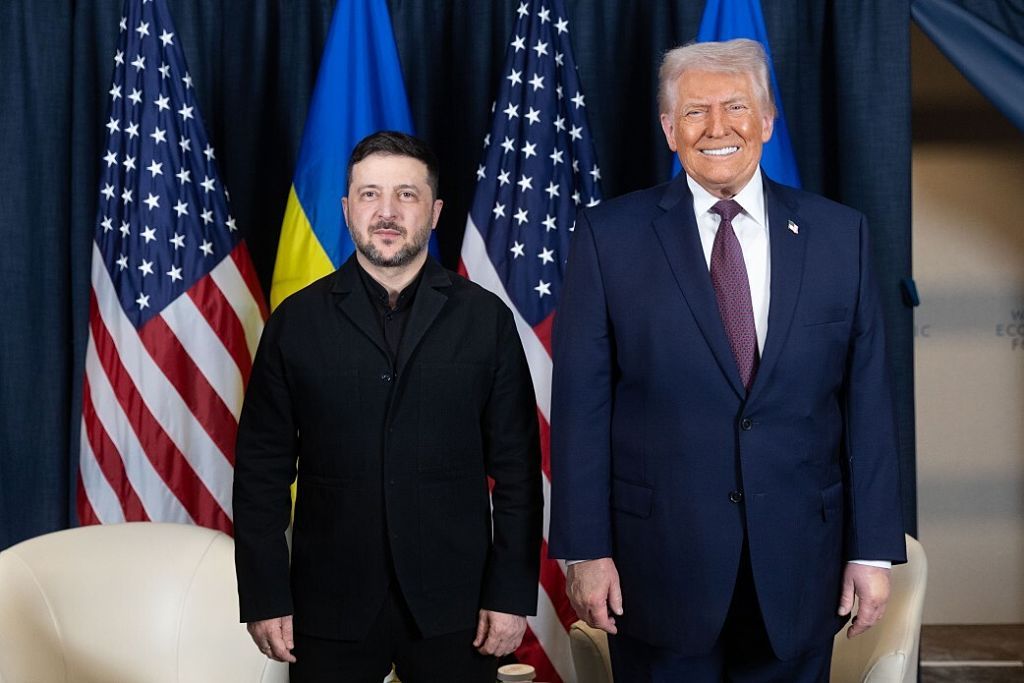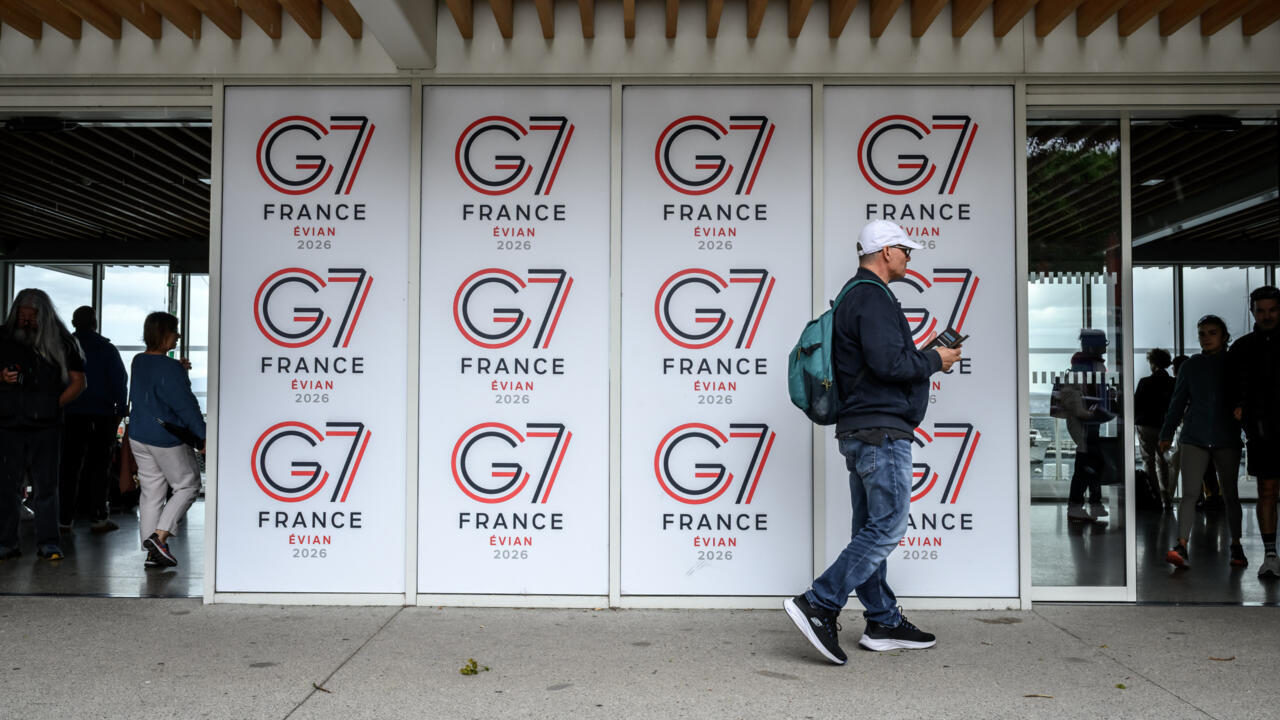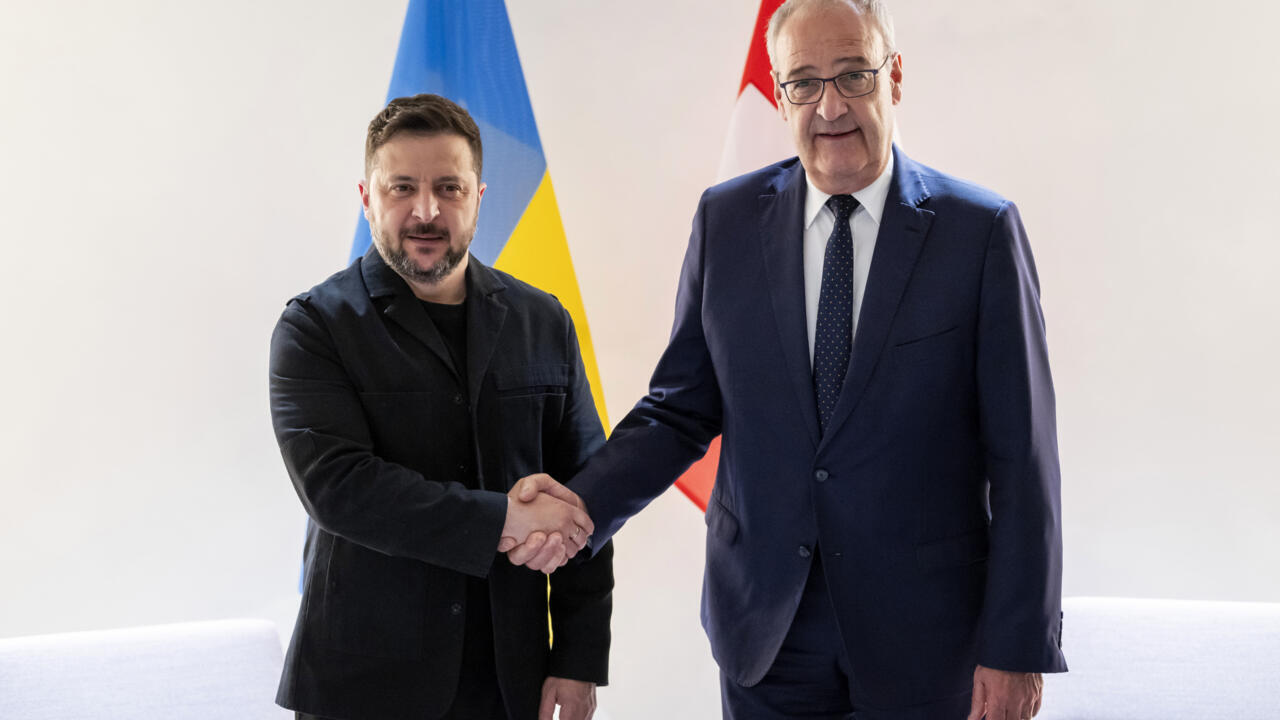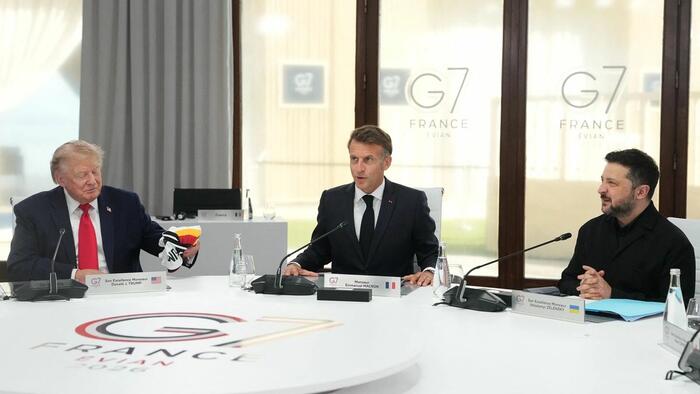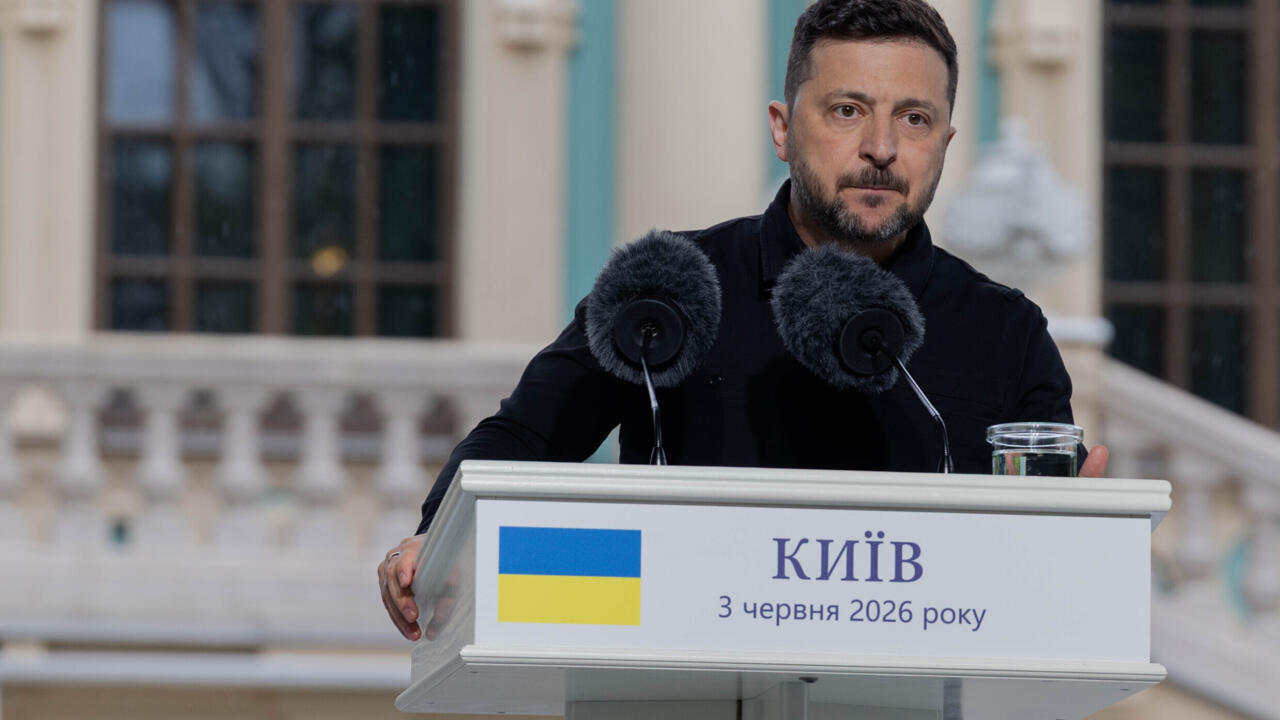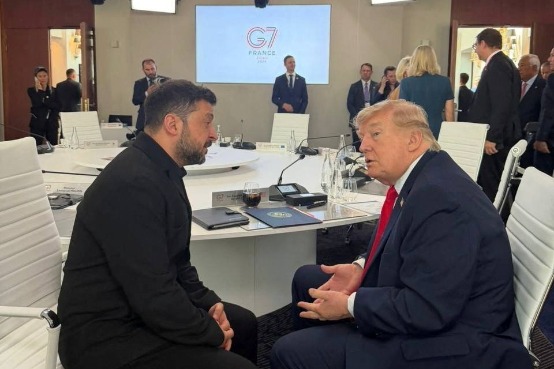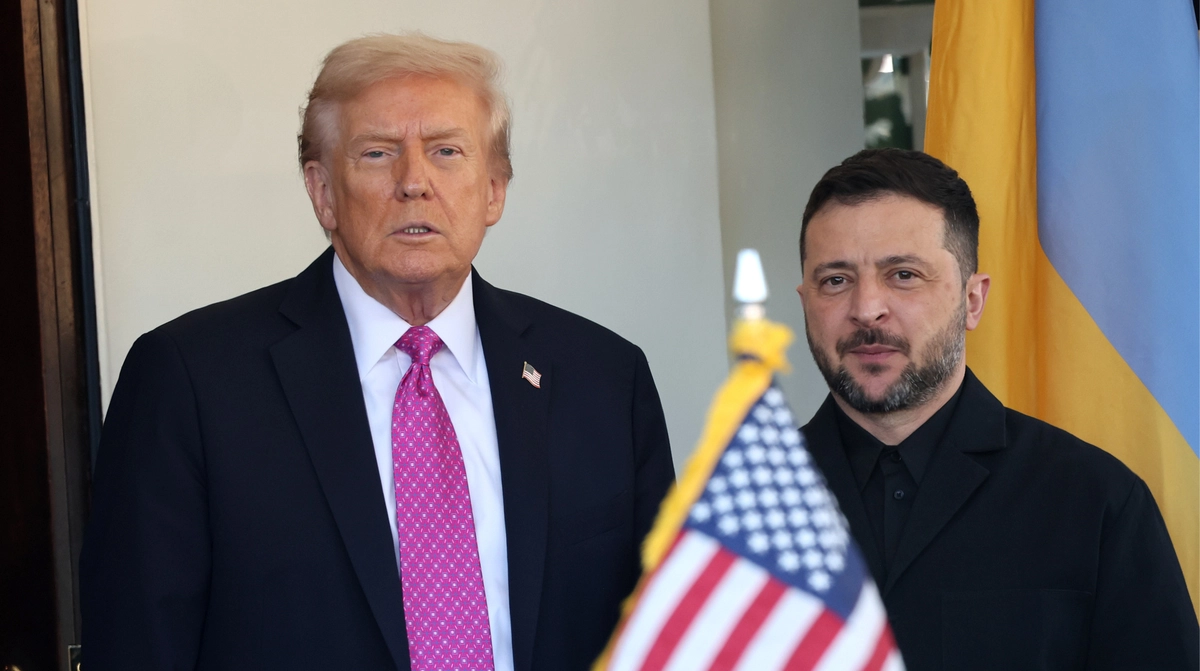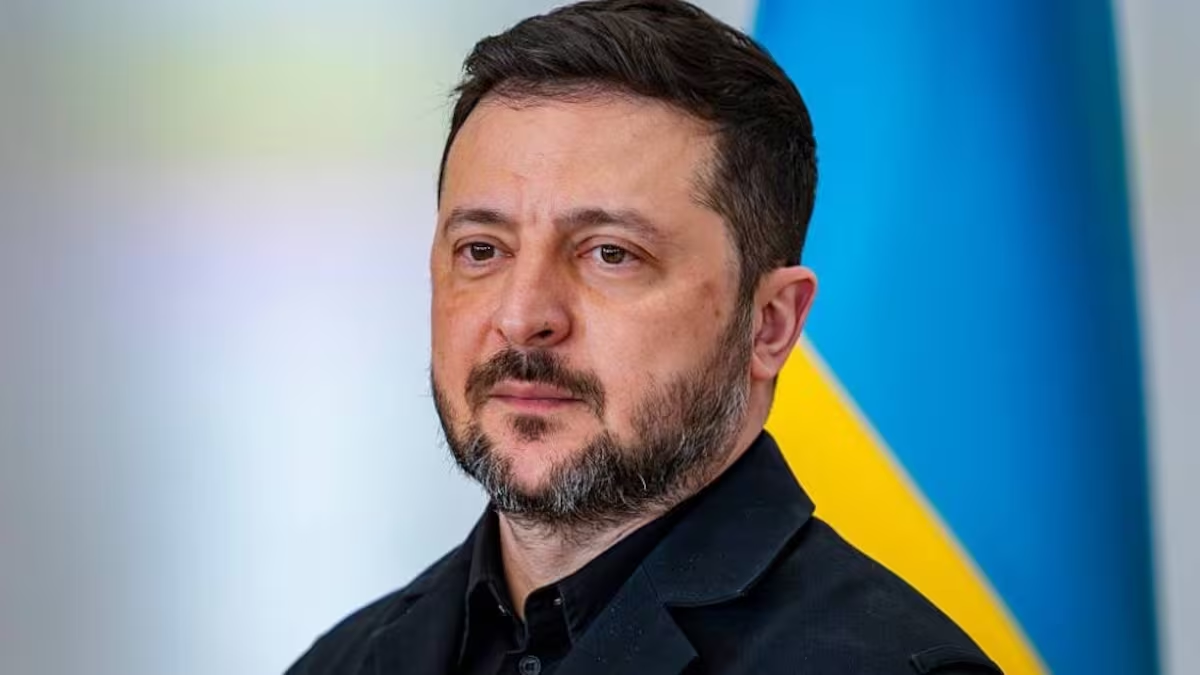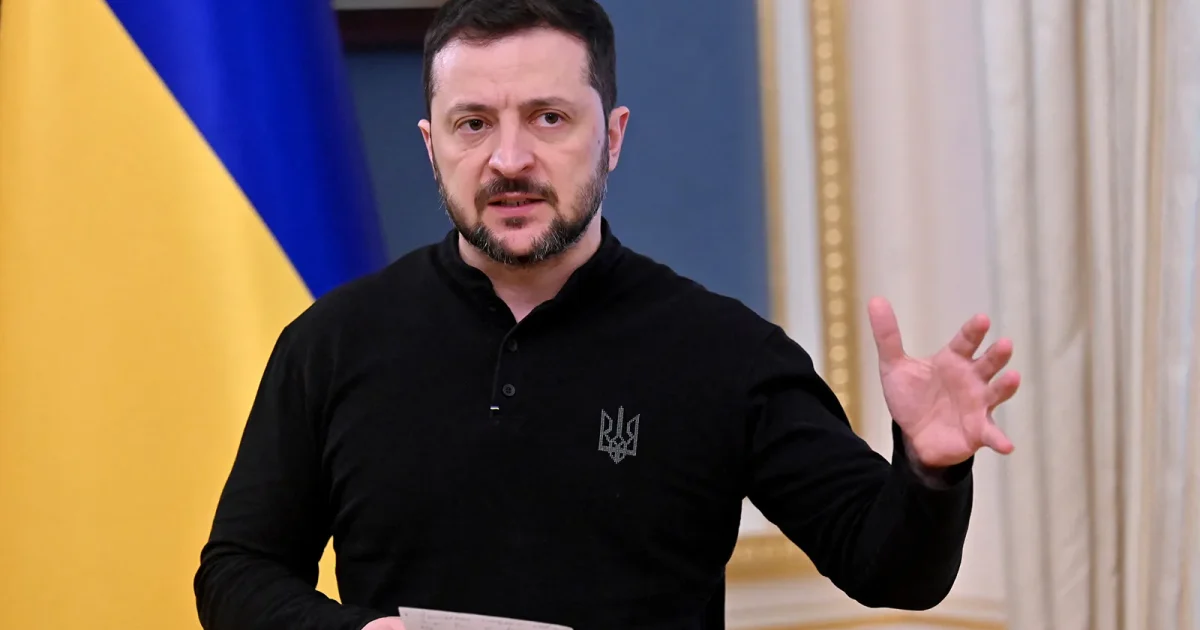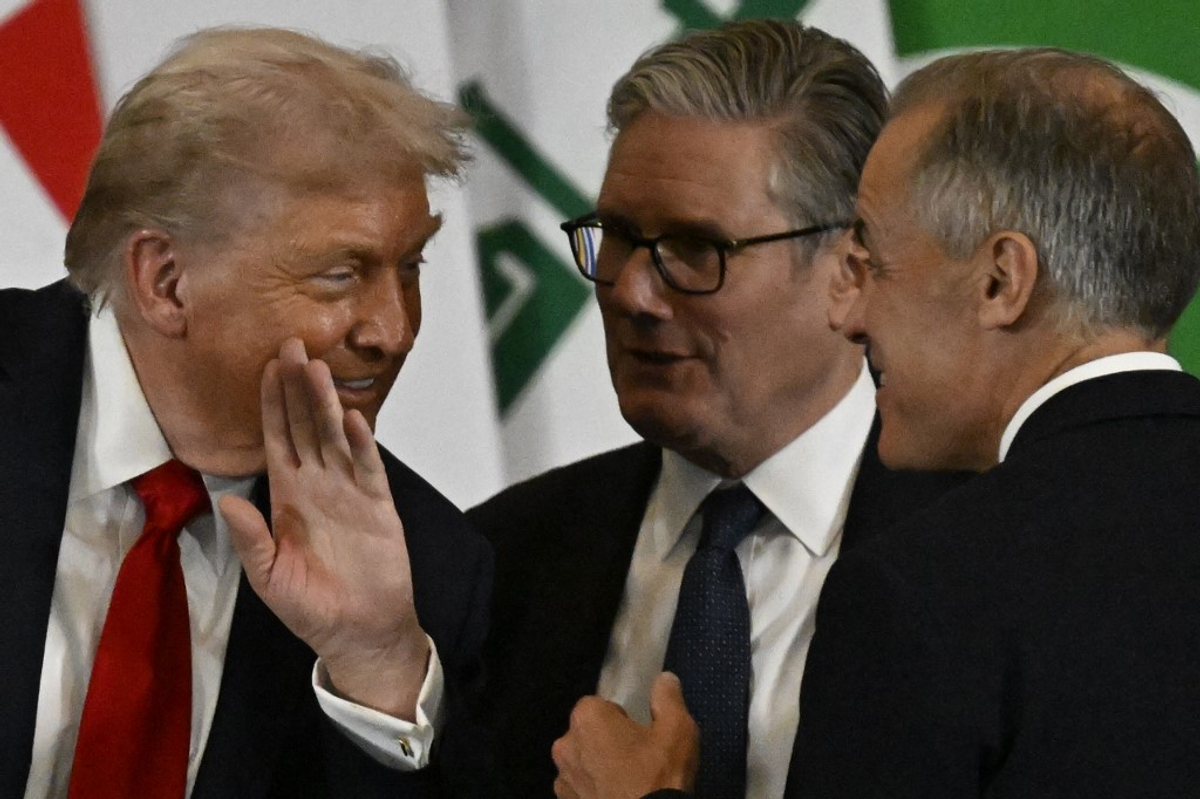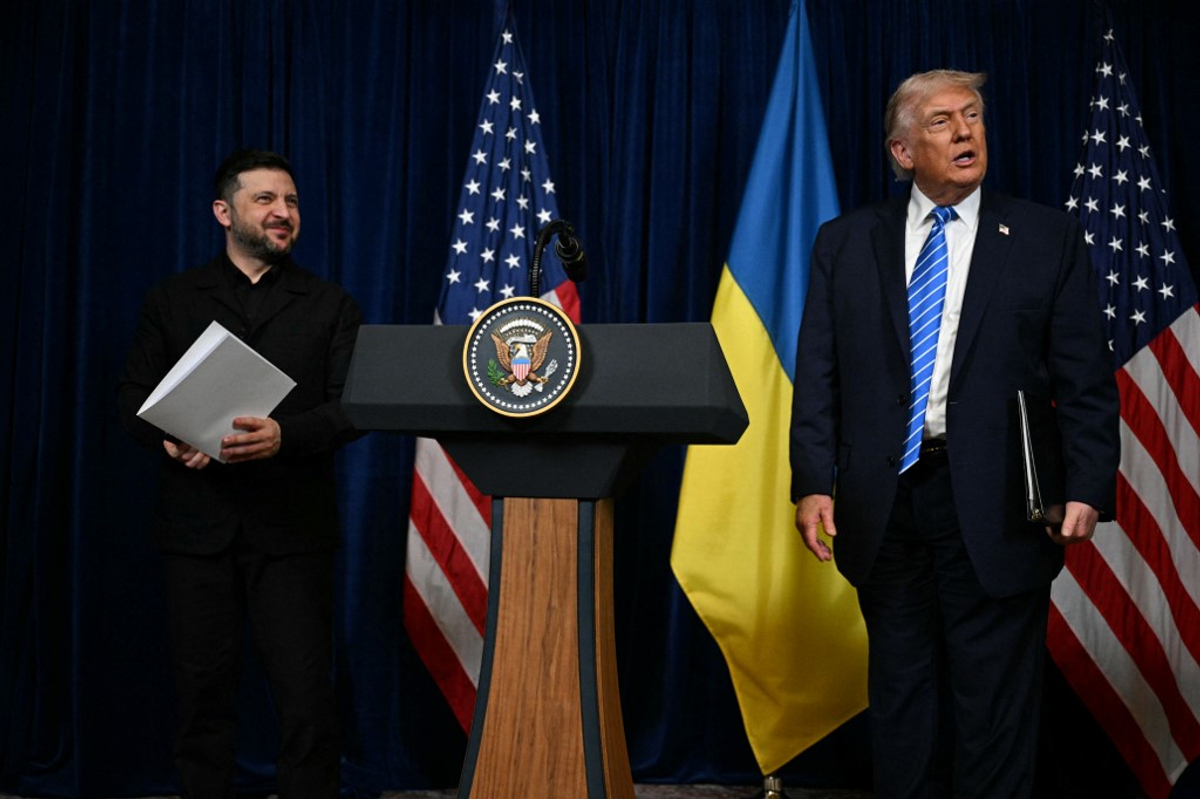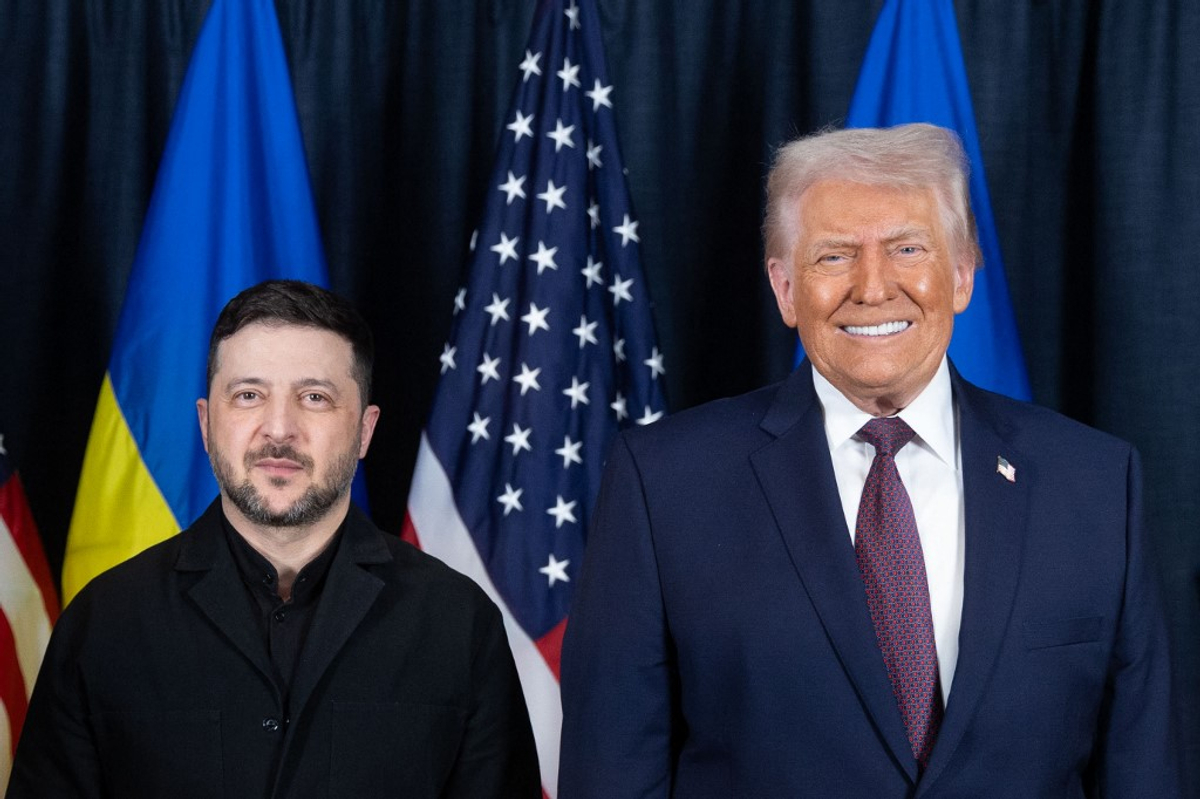
US President Donald Trump will take part in a G7 working session with President Volodymyr Zelensky in France on Tuesday, a senior administration official said. “President Trump will participate in a working session with G7 leaders and President Zelensky of Ukraine,” the official told reporters on the customary condition of anonymity.JOIN US ON TELEGRAMFollow our coverage of the war on the @Kyivpost_official. The G7 summit will take place in Evian on June 15-17 and kickstart with a leaders’ dinner. Ukraine will be addressed during the first working session, attended by Zelensky, held the following day. Europeans will be keen for the G7 to issue a united message of support for Ukraine. The US has stopped all bilateral military donations, with Europe doing the heavy lifting when it comes to military and financial assistance. But Europe has mostly been shut out of peace negotiations, despite repeated calls by Zelensky for the continent to be more involved. A key point in Evian, the Elysée said earlier this week, “is to determine under what conditions the G7 partners can encourage negotiations between Ukraine and Russia”. “It will be crucial to reach an agreement on the parameters or conditions of this dialogue, particularly on the issue of territory,” the French presidential palace said. Lastly, Europe will want to stress that now is not the time to lift sanctions against Russia. Another point on the agenda at the summit will be the situation in the Middle East and the security situation in the Strait of Hormuz.
G7 Summit in France: Trump and Zelensky to Discuss Ukraine-Russia Peace Terms
US President Donald Trump is set to join President Volodymyr Zelensky for a G7 working session in France, where leaders will attempt to align on the conditions for peace negotiations with Russia.
TL;DRAI
Trump to attend G7 working session with Zelensky in Evian (June 15-17) discussing Ukraine-Russia peace terms, territory negotiations, and sanctions strategy enforcement. Limited European involvement in peace talks underscores Western strategic fragmentation on Ukraine support, signaling policy unpredictability for enterprises with European operations and data governance obligations.
486 words~2 min read