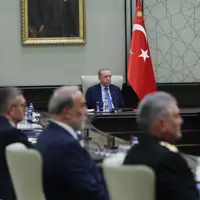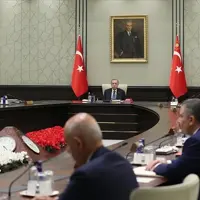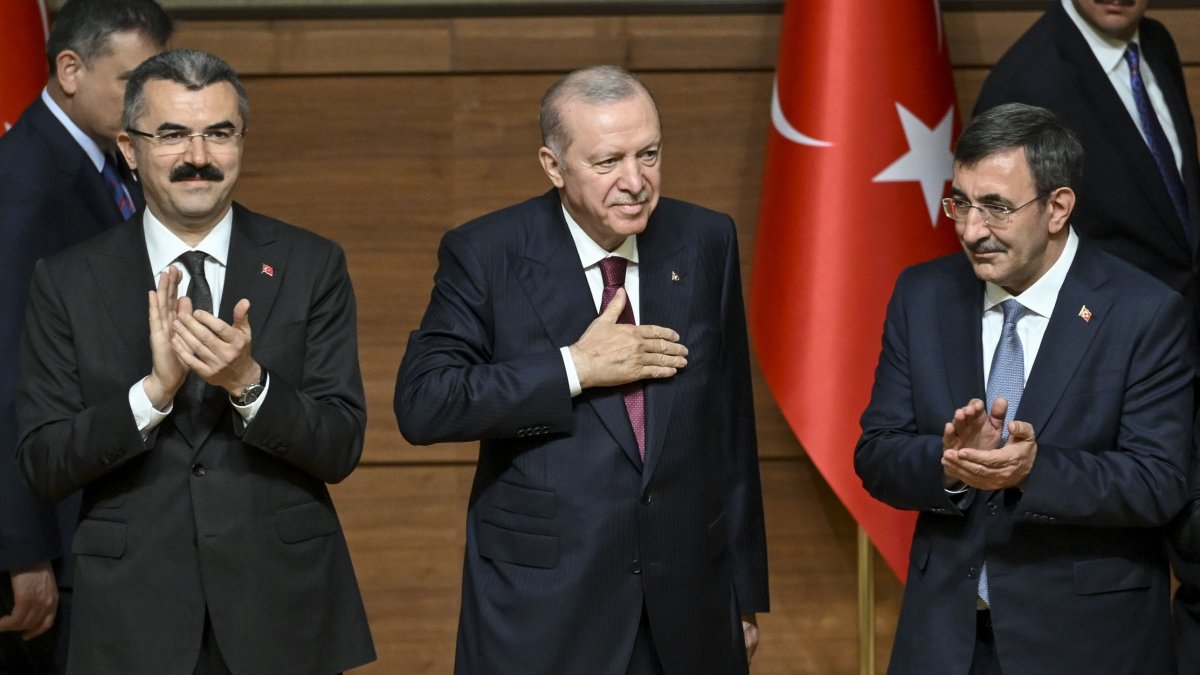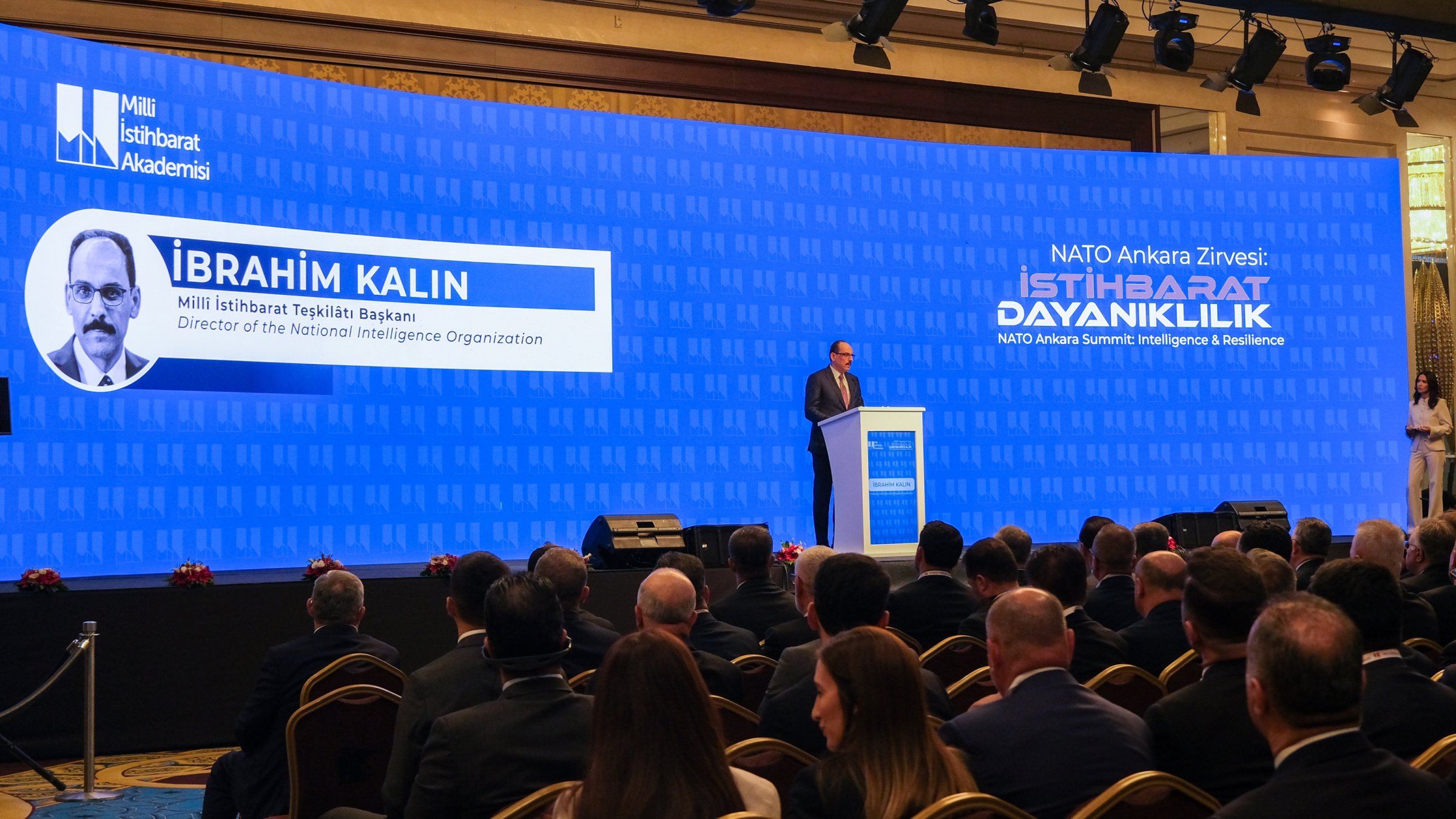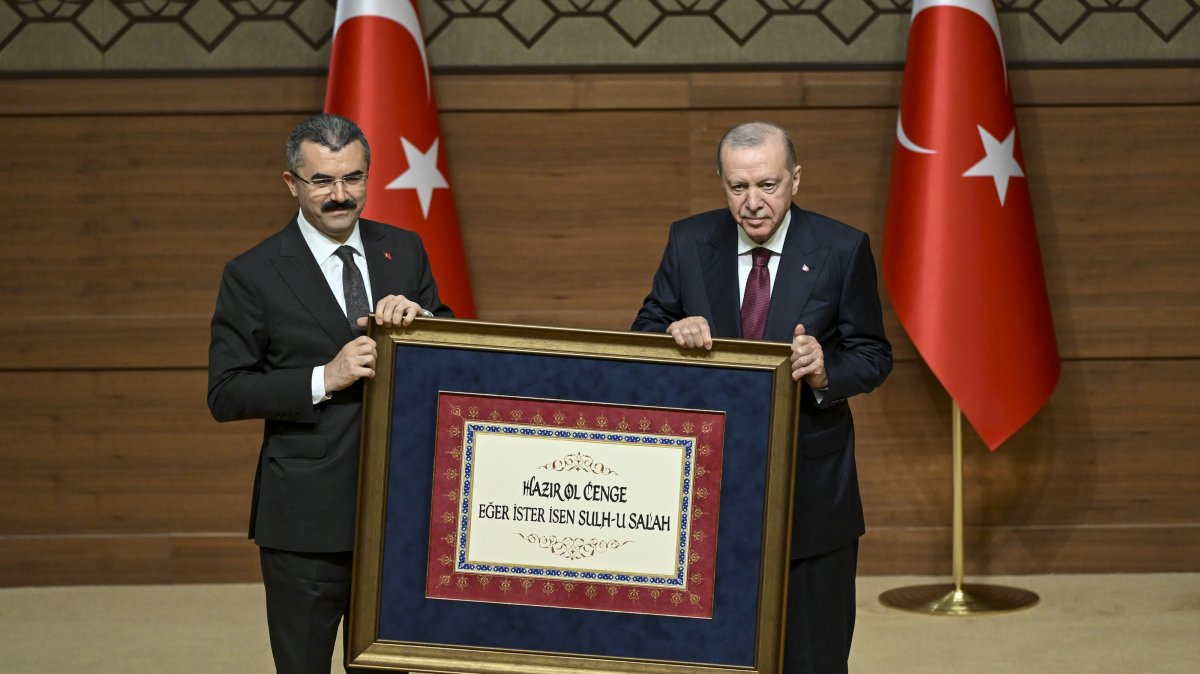
The National Security Council (NSC) is back in the spotlight, but not with the notorious image it once retained. The council, whose members include the president, vice president, ministers of justice, national defense, interior, foreign affairs, the Chief of General Staff and commanders of the Turkish Armed Forces (TSK), recently launched a series of conferences.
The conferences aim to expand the outreach of the council from ministers and commanders to other top officials. The NSC says the conference will help deepen the knowledge of administrators from different disciplines and institutions on matters regarding national security, expand their viewpoints and boost cooperation between different public institutions.
Eray Güçlüer, a staff member at Istanbul Altınbaş University and president of Eurasian Strategic Research Center (ASAM), recounted how the NSC in the past was simply a “tool” to advance the agenda of certain circles instead of the country’s security.
“The National Security Council was one of the most powerful tools used during the Feb. 28 era to allegedly legitimize the mentality of the Feb. 28 tutelage,” Güçlüer told Daily Sabah. The so-called “postmodern” coup of 1997 in Türkiye is known as the Feb. 28 coup, as that was the day when the NSC held a lengthy meeting and ultimately decided to issue a veiled ultimatum to the government. Soon after the meeting, the government collapsed, in another blow to Turkish democracy which already suffered from coups and military memoranda since 1960.