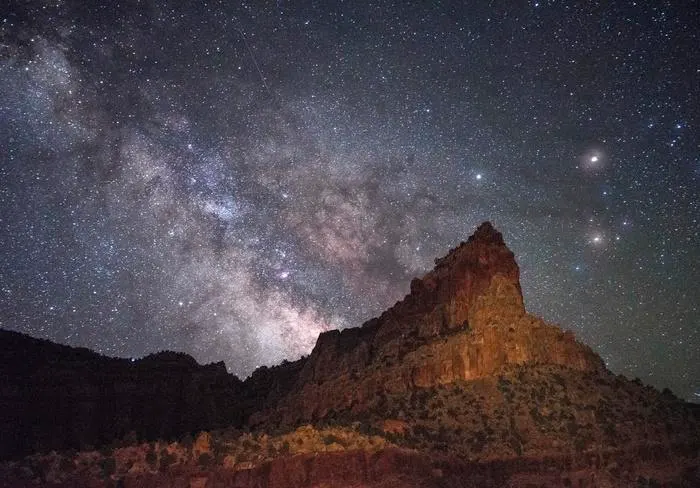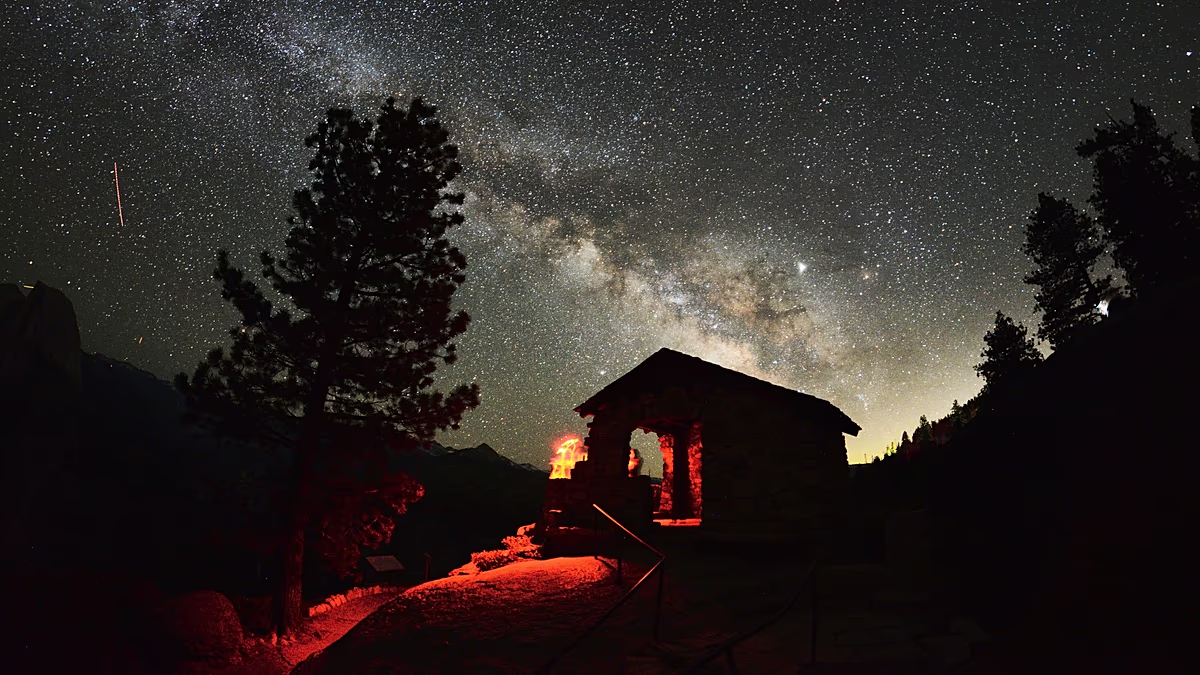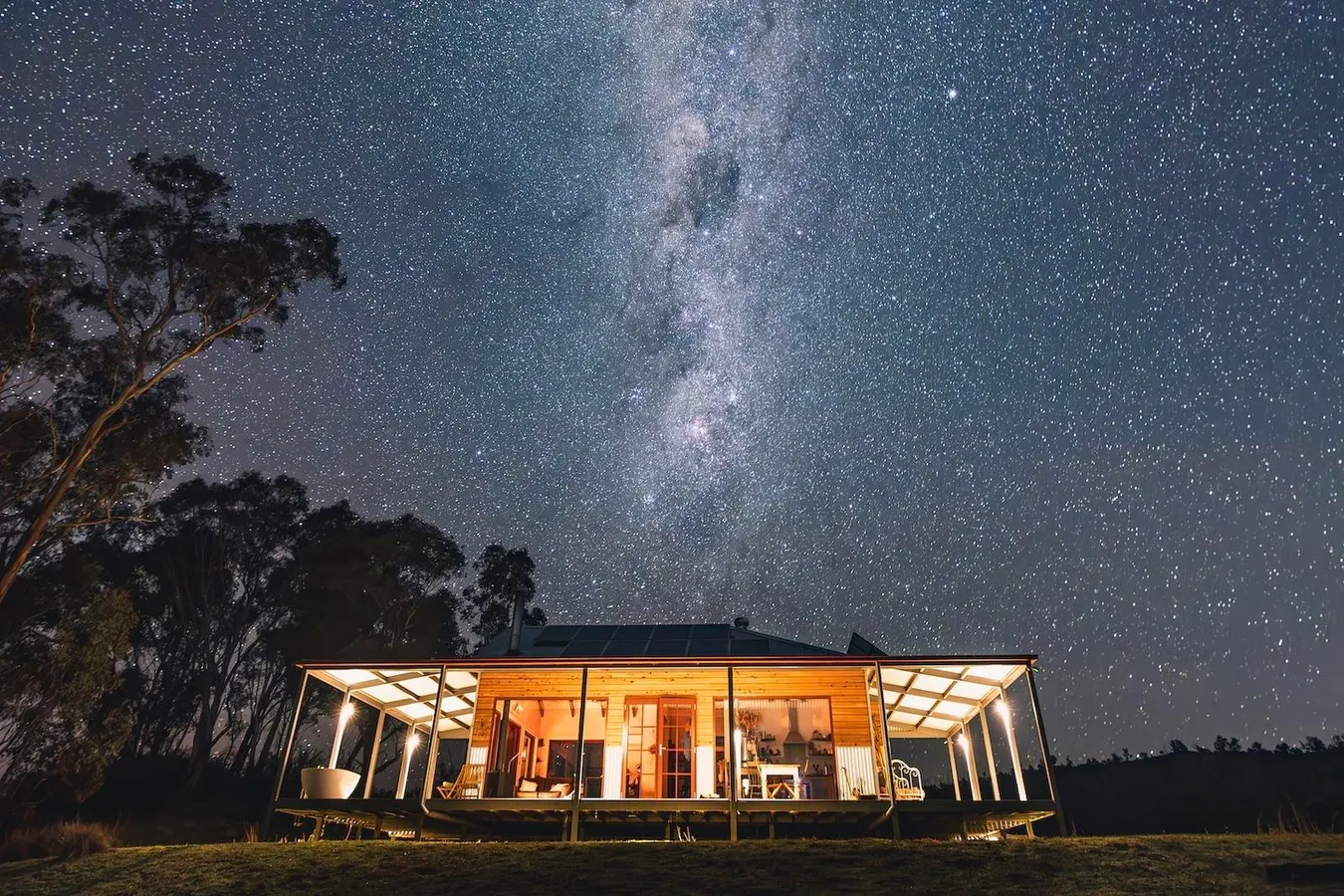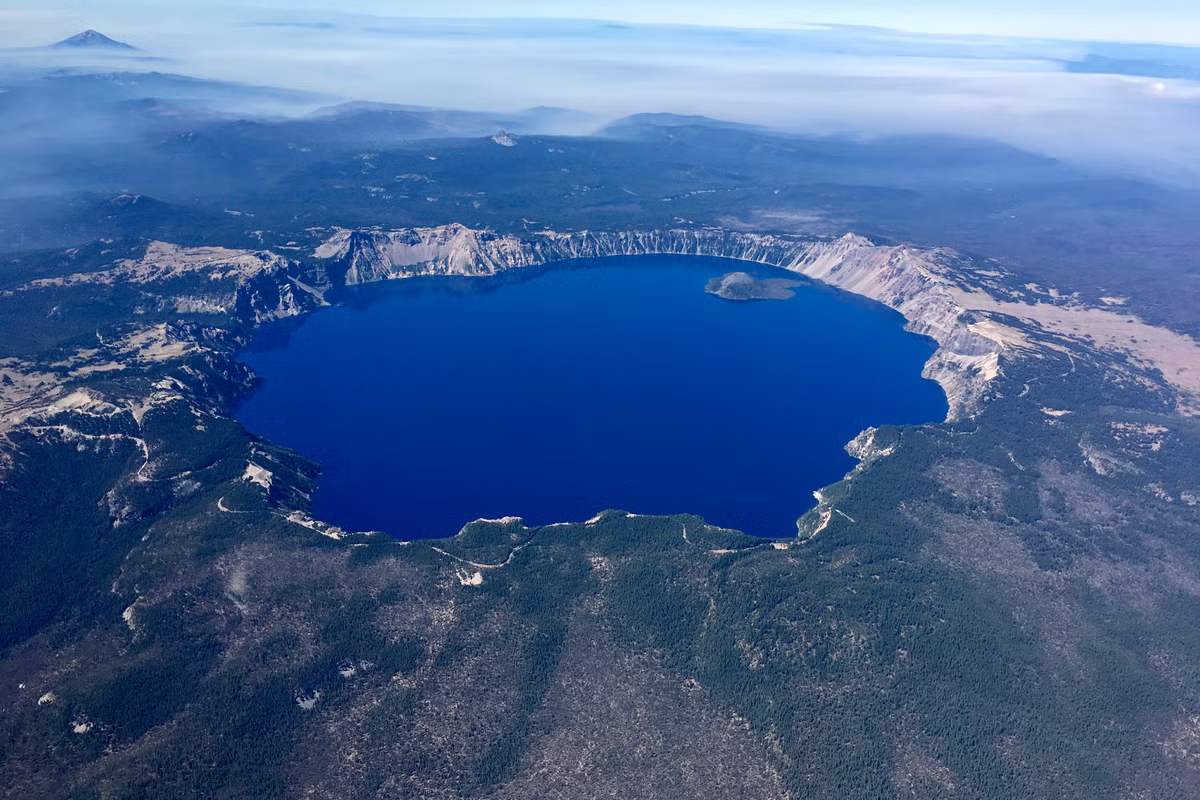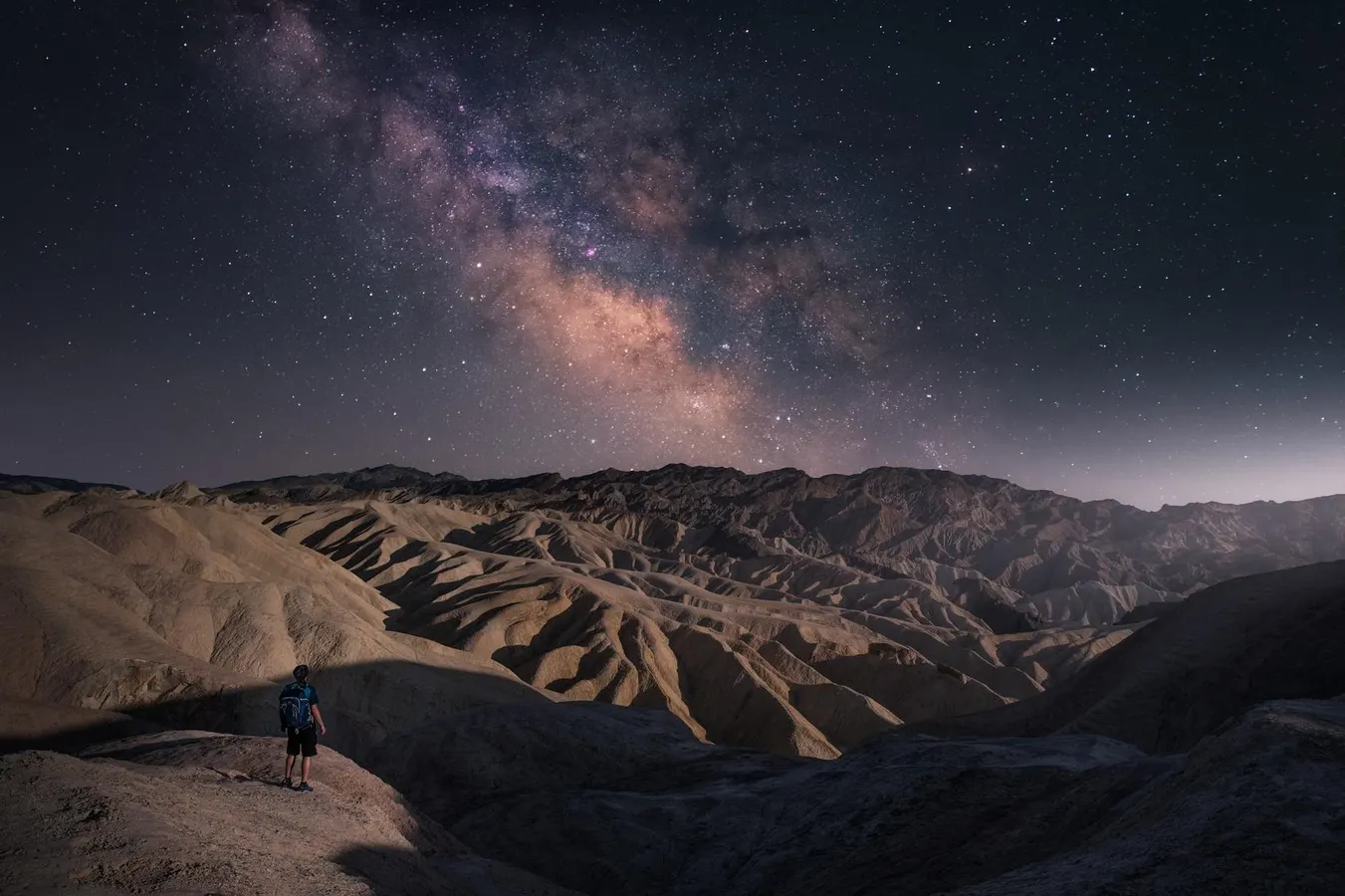
A new study has ranked the best U.S. national park sites for stargazing, with Death Valley National Park taking the top spot.gettyDeath Valley National Park has been named the best U.S. national park site for stargazing in a new study highlighting the country’s top dark-sky destinations.The research, carried out by Outforia, analyzed sites across the U.S. to determine where visitors have the strongest chance of seeing a truly dark night sky. The study looked at whether the park has been recognized and certified by DarkSky, the Bortle rating (a nine-level scale that measures the night sky's brightness) and the likelihood of clear nights, to create an overall stargazing score. The ranking is intended as a planning guide rather than a live forecast.Designing A Good Stargazing TripDeath Valley claimed the top spot with an overall stargazing score of 90.2. The California park recorded a Bortle value of 1, the darkest possible level on the scale, along with a 72% clear-night score. It’s visited by about 370,000 tourists annually. “National park sites can be some of the best places in the country to see the night sky, but darkness on its own does not guarantee a good stargazing trip,” said Carl Borg, outdoor expert and founder of Outforia, in an email. “You can be in a very dark spot and still miss out if the moon is bright, clouds move in, or you are too close to camp lights, cabins, parking lots or passing cars.”Always plan a stargazing trip between the last quarter moon and a few nights after the new moon to avoid bright moonlight in the evening sky — not to do so is the biggest mistake made by first-time stargazers.The Milky Way stretches above the desert landscape of Death Valley National Park, the top-ranked U.S. national park site for stargazing.gettyMORE FOR YOU1. Death Valley National Park, CaliforniaCertified as a Dark Sky Park: 2013Bortle Value: 1Clear Nights: 72%Stargazing Score: 90.2Death Valley National Park ranks as the best US national park site for stargazing. Its vast desert horizons, minimal light pollution and famously dry climate make it a favorite for stargazers and astrophotographers alike. With the darkest Bortle rating and the highest clear-night score in the ranking, it is the standout place to chase the Milky Way — at its best until September.Stars shine above the natural stone Owachomo Bridgeat Natural Bridges National Monument, the world’s first certified International Dark Sky Park.getty2. Natural Bridges National Monument, UtahCertified as a Dark Sky Park: 2007Bortle Value: 1Clear Nights: 66%Stargazing Score: 88.1Natural Bridges National Monument ranks second. Certified in 2007 as the world’s first Dark Sky Park, this remote Utah monument pairs pristine skies with natural stone arches that make striking foregrounds for night photography. Its Bortle 1 skies give visitors a rare chance to see true darkness.A star-filled sky rises above the hoodoos of Bryce Canyon National Park, one of Utah’s leading dark-sky destinations.getty3. Bryce Canyon National Park, UtahCertified as a Dark Sky Park: 2019Bortle Value: 1Clear Nights: 65%Stargazing Score: 87.8Bryce Canyon’s hoodoos are spectacular by day, but they become eerie silhouettes after sunset. The park’s high elevation, dry air and Gold-tier dark-sky recognition make it one of the most rewarding places in the U.S. to watch stars rise above its red-rock amphitheaters and spire-shaped formations.The Milky Way galaxy sets over Fajada Mesa at Chaco Canyon, New Mexicogetty4. Chaco Culture National Historical Park, New MexicoCertified as a Dark Sky Park: 2013Bortle Value: 1Clear Nights: 64%Stargazing Score: 87.4Chaco Culture National Historical Park ranks fourth, offering a powerful combination of archaeological history and dark-sky viewing. Its remote New Mexico setting keeps artificial light to a minimum, while the park’s archaeological ruins add a powerful sense of place. With Bortle 1 darkness, it is a compelling destination for anyone drawn to stars, silence and a quiet, remote stargazing experience.The night sky glows above the dunes and mountain backdrop of Great Sand Dunes National Park and Preserve.getty5. Great Sand Dunes National Park And Preserve, ColoradoCertified as a Dark Sky Park: 2019Bortle Value: 1Clear Nights: 60%Stargazing Score: 86.0Colorado’s Great Sand Dunes offer one of the most unusual nightscapes in the country. Huge dunes, mountain silhouettes and dark skies create endless possibilities for stargazing and astrophotography. Its Bortle 1 rating makes the park a strong choice for visitors seeking stars over a dramatic natural foreground — even from its main campsite.Grand Canyon National Park at night with milky way in the sky from Desert view ViewpointGetty6. Grand Canyon National Park, ArizonaCertified as a Dark Sky Park: 2019Bortle Value: 2Clear Nights: 69%Stargazing Score: 81.0Grand Canyon National Park ranks sixth, combining one of America’s most famous landscapes with strong stargazing conditions. Away from busy visitor areas, the canyon’s vast scale makes a spectacular setting for the stars. With strong, clear-night odds and Dark Sky Park status, it rewards those who stay after its famous sunsets.Petrified Forest National Park offers wide-open desert horizons, a Bortle value of 2, and a 69% clear-night score.getty7. Petrified Forest National Park, ArizonaCertified as a Dark Sky Park: 2021Bortle Value: 2Clear Nights: 69%Stargazing Score: 81.0Arizona’s Petrified Forest is a wide-open desert park where the horizon feels made for the night sky. Its colorful badlands, ancient fossilized wood and low levels of light pollution give visitors plenty of space to look up. It’s also close to Flagstaff — Dark Sky City and home to Lowell Observatory, one of the best public observatories in the U.S.The Milky Way appears behind the Rio Grande at the U.S.-Mexico border on March 15, 2024 in Big Bend National Park, Texas. Located in the Chihuahuan Desert in West Texas, the park is largest, most remote and has the darkest sky in the contiguous United States, making it easier to view the stars on clear nights. (Photo by John Moore/Getty Images)Getty Images8. Big Bend National Park, TexasCertified as a Dark Sky Park: 2012Bortle Value: 2Clear Nights: 68%Stargazing Score: 80.7Big Bend’s remoteness is its greatest advantage. Far from major cities, the Texas park is known for expansive desert skies, rugged mountains and exceptional darkness. Its protected status and strong viewing conditions make it one of the best places in the country to experience the Milky Way overhead.The Milky Way over Grand View Point Overlook at the edge of the Island in the Sky mesa in Canyonlands National Park, Utah.getty9. Canyonlands National Park, UtahCertified as a Dark Sky Park: 2015Bortle Value: 2Clear Nights: 67%Stargazing Score: 80.3Canyonlands is a dream for night photography. Its mesas, arches and deep canyons give the stars a dramatic stage, especially from remote viewpoints away from direct artificial light. As one of four Utah sites in the top 10, it shows why the state is a dark-sky powerhouse.Stars brighten the night above Eph Hanks Tower in Capitol Reef National Park in Utah.getty10. Capitol Reef National Park, UtahCertified as a Dark Sky Park: 2015Bortle Value: 2Clear Nights: 66%Stargazing Score: 80.0Capitol Reef rounds out the top 10 with classic Utah dark-sky appeal. Its cliffs, desert valleys and remote location make it ideal for watching stars emerge after sunset. Certified in 2015, the park offers protected night skies and a quieter alternative to some of the region’s busier destinations.Wishing you clear skies and wide eyes.
10 Best U.S. National Park Sites For Stargazing Revealed
A new study has ranked the best U.S. national park sites for stargazing, with Death Valley National Park taking the top spot.
TL;DRAI
Questo articolo non è tech news — riguarda stargazing nei parchi nazionali americani, completamente fuori scope di Warptech Tech News. Non ha senso riassumerlo con il tono di manager tech italiano. Se l'hai trovato in uno scraper, verifica che non sia entrato in `news` per errore (check regex dominio / URL filters in `lib/url-filters.js`). Hai un articolo tech reale da riassumere?
1,190 words~5 min read