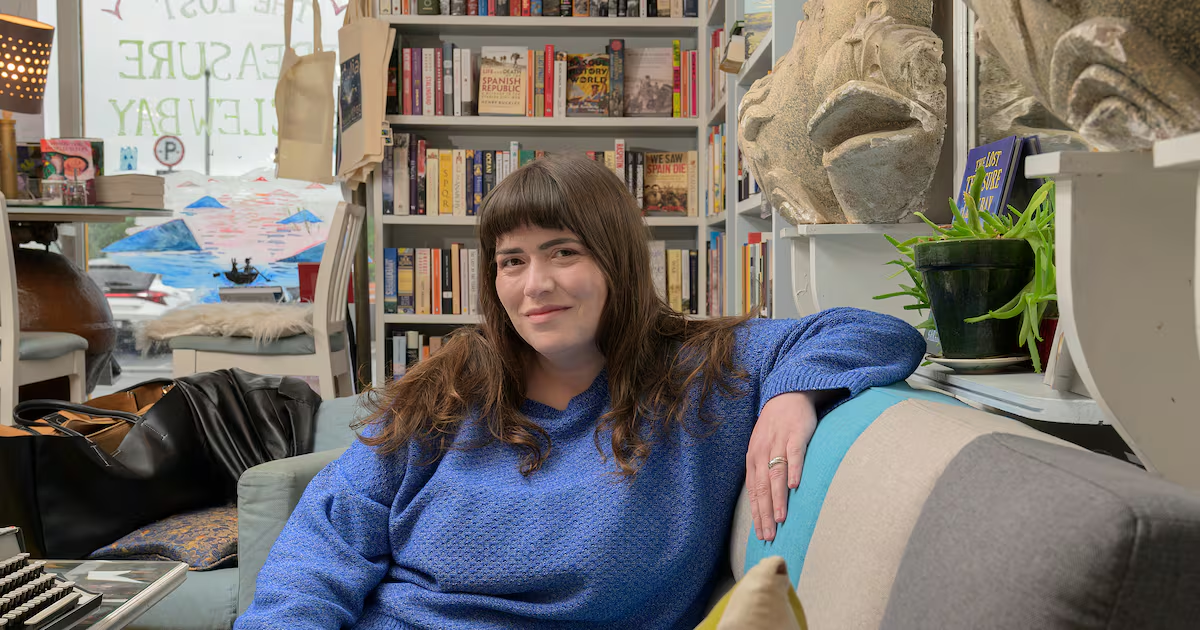
Like anyone who came of age in the 2010s, I grew up with an internet where saying anything could result in a wave of abuse. Naturally, despite being vaguely present online for 20 years, I’ve been reluctant to fully embrace social media. When I was beginning my career as a writer, I followed several Irish women writers on Twitter. Between 2012 and 2018, seven of those women were harassed by a man. I remember watching this unfold, terrified for them. I learned a large following wasn’t essential for harassment when I made a joke about her-story (rather than his-tory), and had to put my account on private when a horde of future Maga enthusiasts started trying to find out where I lived. Every woman I know has received creepy DMs (direct messages), unwelcome comments, and harassment online, and there are many instances where that moves beyond the internet into the physical world. As a woman you learn pretty early on to keep your head down. I love to walk, but in my late teens I became aware of the danger in isolated rural laneways, and stopped walking alone to avoid unnecessary risk.I became a mother in 2019, and as a mother, your instinct is to protect your family, which means keeping yourself safe too. That extended to the internet. If I gained a profile by writing about motherhood, could this affect my child? Though I wrote a memoir about motherhood, it seemed safer not to spend too much time on the internet, to keep a very clear line between my life and my public-facing self. Still, I am a writer. I want people to read my work, or I’d just keep a diary. Last year, following a rejection of a grant application, I burned out. I was exhausted, I’d been working as a writer for 13 years, and while I’d had success in many ways, the constant hustle of funding and producing work finally got to me. I’d received an ADHD diagnosis which clarified a lifetime of cyclical productivity and burnout and I needed to find a more sustainable way forward as a writer. You don’t need a social media profile to sell books, but an author needs a profile. Especially if they want to make a living. That’s what publishers are for, right? But anyone working as a writer today knows at least 50 per cent of the marketing is the responsibility of the author. You can be a breakout hit without social media, but if you write slightly obscure nonfiction like I do, you should probably use all the available tools to give your books a helping hand.I’m a woman in my 30s. Instagram is the digital space of my people: the exasperated millennials not cool enough for TikTok and not interested in the comment sections wars of Facebook. Instagram is a strange mix of businesses faking personalities, family holiday albums of people you went to school with and freelancers using it for work while also sharing photos of their cats. I told myself real artists don’t need to fish for likes on the internetIt’s this combination of professional and human that makes Instagram the ideal place for the creative entrepreneur of our time: the personal brand. I’ve had Instagram for years, but have always approached it with an “it’s a necessary evil” attitude. I kept my account private, using it more like a newsletter crossed with a WhatsApp group dedicated to cat pictures. I told myself real artists don’t need to fish for likes on the internet. I don’t want to be a content creator, never mind an influencer. The cringe of it. I’ve published five books, one of which is a memoir that covers extremely personal subjects, but social media felt like crossing some sort of creative boundary. I was concerned about the work being shaped to appeal to an existing following. What nonsense. I mean, it’s true, but it’s not an exclusive feature of the internet. I knew this, but telling myself I kept my digital presence to a minimum for creative reasons was better than “men on the internet scare me”. [ Summer reading hitlist: New novels, classics and nonfiction books recommended by writersOpens in new window ]My work has always been about one thing: making people feel less alone. I don’t care all that much about artistic purity, I do my best, that’s enough. I’d seen some other creatives setting themselves challenges to grow their accounts. It looked time-consuming, but effective. I figured I’d give it a go. I’m no stranger to fear. I lived with debilitating anxiety in my late teens and early 20s, and have proudly gone about doing things I’m afraid of ever since. My life has involved childbirth, driving, living with a man, all of which are statistically more dangerous than having an Instagram account. If I did receive abuse, I could block them. I could call the police. I couldn’t hide indefinitely out of fear. So I set myself a challenge. I’d post every day for 30 days, talk about who I am, what I write, why I write it, and hopefully connect with more women and mothers in the arts. I told people I was going to post every day. The likes and comments were supportive. No one sent me photos of my books on fire. What had I been so afraid of? As a poet, I’d had it drilled into me that once a poem is published that’s it. Don’t let anyone see your drafts, it ruins the genius. I was operating on an old model. Nicola Washington is a social media strategist who works with authors. Her posts helped to reframe Instagram for me. It isn’t there to replace the writing. It’s a direct line to readers, without hoping they’ll pick up your book or read an interview that came out in the week around publication. In what other time have writers had something like this? You may not like the trends, the scroll, the constant marketing, but when used well it provides the opportunity to genuinely connect with people who care about the same subjects you do. Social media has allowed us to demystify the creative process, killing the myth of the tortured genius in their garret, and it’s about time.Alice Kinsella: 'As a poet, I’d had it drilled into me that once a poem is published that’s it.' Photograph: Michael McLaughlin At the beginning of the 30 days, I didn’t pay much attention to followers going up and down and up again. The first two weeks were great. I played around with the design tool Canva and had fun making posts about subjects I care about. DMs came in from other writers who were going to try the same. It was the most human interaction I’d had online in ages. Yet, as I got closer to the end, and it became pretty clear that I wasn’t going to increase my follower number, all those childhood feelings of why doesn’t anyone like me? were amplified. You may be thinking, what sort of self-respecting woman in her 30s cares if people like her? But digging a little deeper on why I was anxious about that, I realised my attitude online mirrored my real life. I’d spent a lot of my life people-pleasing, bending and smiling in the hope people would like me, or, more to the point, leave me alone. This wasn’t the sort of existential crisis I’d been expecting from posting pictures on InstagramOne of my posts started to do slightly better than normal. It didn’t go viral, not even close, but it started to pull in comments from people who didn’t follow me. I began to panic. What was wrong with me? Did I want new followers or not? I was afraid of being seen to do something, and if that thing had negative consequences, everyone would know I only had myself to blame. I suspected it wasn’t fear that had been holding me back at all. It was something more insidious. Shame. No one needs to be reminded of Ireland’s relationship with shame. We have a long history of taking people who had experienced something awful, were in some way different, who were born into circumstances out of their control, and loading them with shame. We’re a culture that’s used shame as a tactic to prevent our fears becoming reality. If a woman is ashamed of how she dresses or acts, surely she’s less likely to be assaulted, or become pregnant before marriage? The world, and by extension, the internet, is a dangerous place. What are you going to do? For too long the answer has been to stay small, stay quiet, stay hidden, and if you don’t and something goes wrong? Be thoroughly ashamed of yourself.[ People Like Us by Julie Parsons: A life formed around a deeply personal mysteryOpens in new window ]When you put yourself out there in your art and online, the more people you connect with, there’s more of a risk of abuse. If I did receive abuse, would it just be confirming that I was wrong, not in opinion, but in my very being? What was I going to do, hide indefinitely? Hold myself back just in case? This wasn’t the sort of existential crisis I’d been expecting from posting pictures on Instagram. An unexpected result of this challenge has been my growth in confidenceI became a writer because I connected to humanity through books. My aim was never to write because I loved sentences, it was always about communication. I genuinely believe in the power of art to change lives and society, sentimental creature that I am.If you have something important to talk about and know there are people out there that need to hear it, why not use the tools at your disposal?It’s been more than 30 days and I’m still posting. I’ve had lovely conversations with other mothers and writers. I’ve had fun making videos, usually interrupted by my cats. People have been sending me DMs saying they’d wanted to tell me what my book meant to them and my recent posts made them feel welcome to do so. I’m going to keep going. An unexpected result of this challenge has been my growth in confidence, and the questions that arose around my approach to creativity, time and how telling a story could look. I’ve shifted the challenge to an experiment, tying it to my next project (which is due in October, so at least I have a clear deadline beyond posting every day for life). Shame itself is a core focus of that project. A desire to counteract a lifetime, generations really, of being absolutely mortified. What better way to explore that than by sharing my most shameful self online, shamelessly. I won’t pretend to love social media, but it’s an accessible way to connect with others and, if that’s what I want to do as an artist, I’d be a fool not to utilise it. Maybe I’ll make a bit of a fool of myself, maybe I’ll get a few rude messages, but I may also loosen up, expand my creative practice and meet some cool people. Whether the experiment is a success or not, I’ll do it shamelessly. Alice Kinsella is the author of Milk: on Motherhood and Madness (Picador, 2023) Instagram: @alkinsel
To counter my fear of being ‘absolutely mortified’ I posted on Instagram for 30 days. Here’s what happened
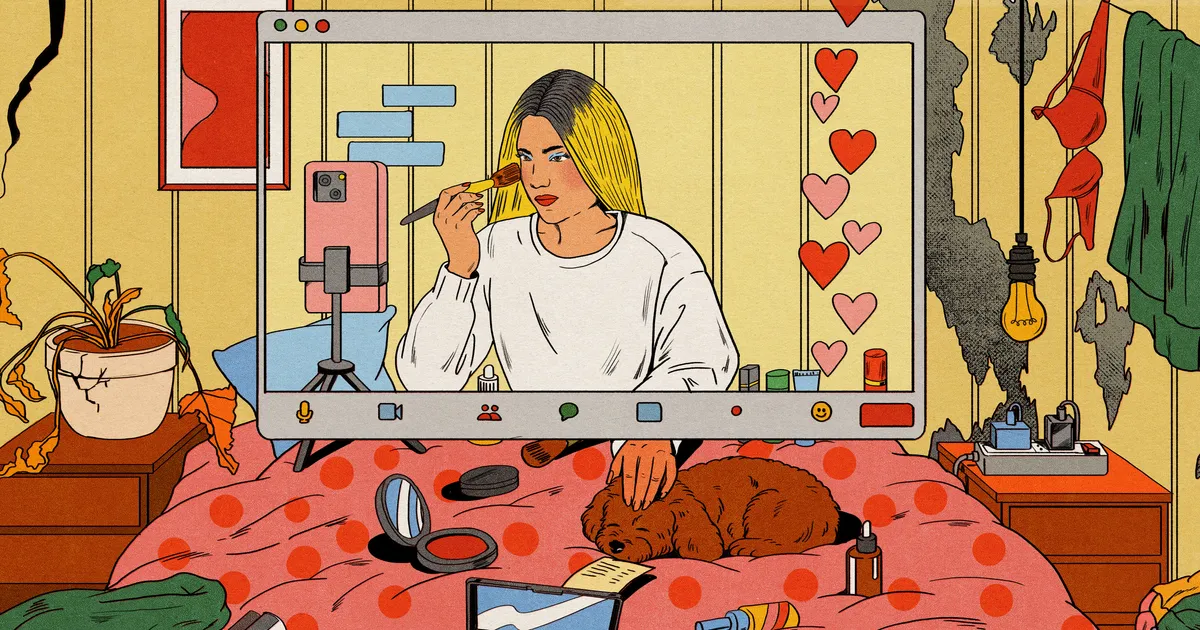
Instagram is the digital space of my people: exasperated millennials not cool enough for TikTok and not interested in the comment sections wars of Facebook
1,893 words~9 min read