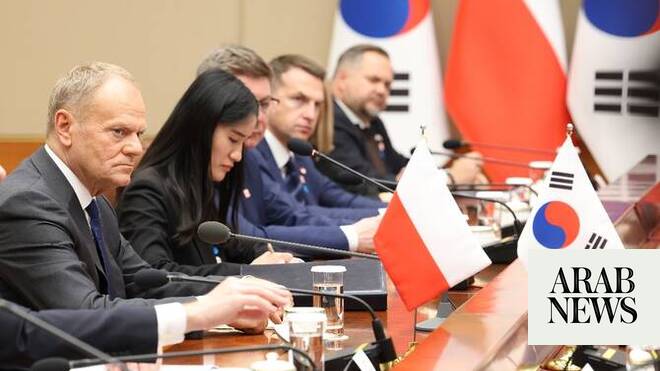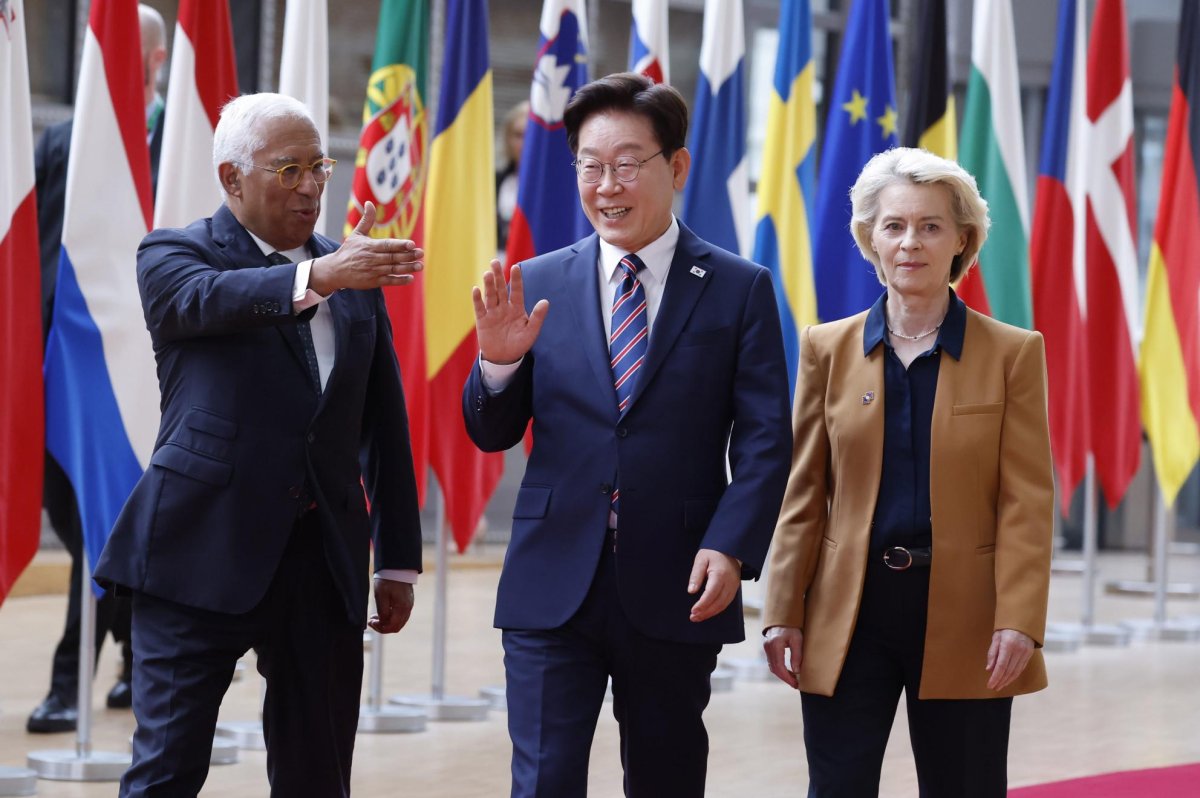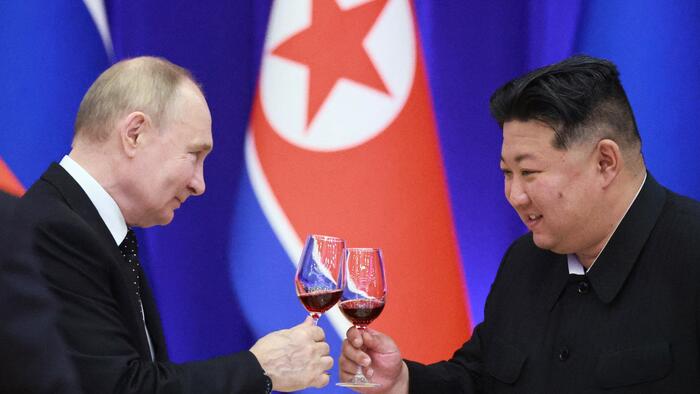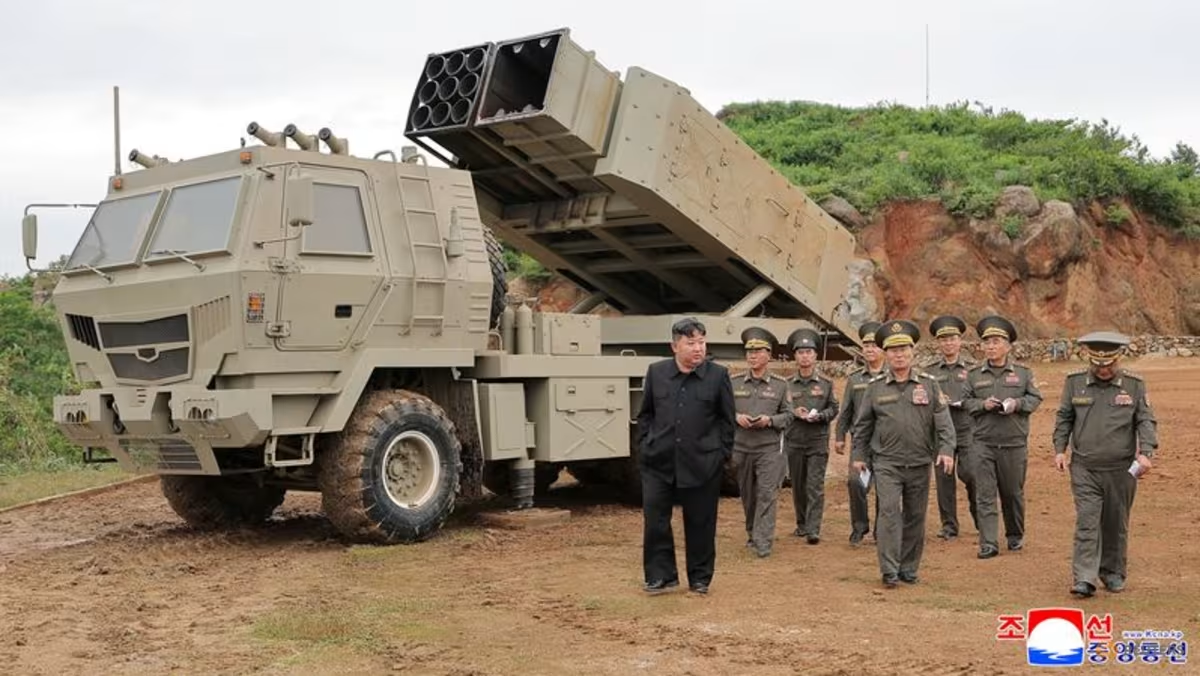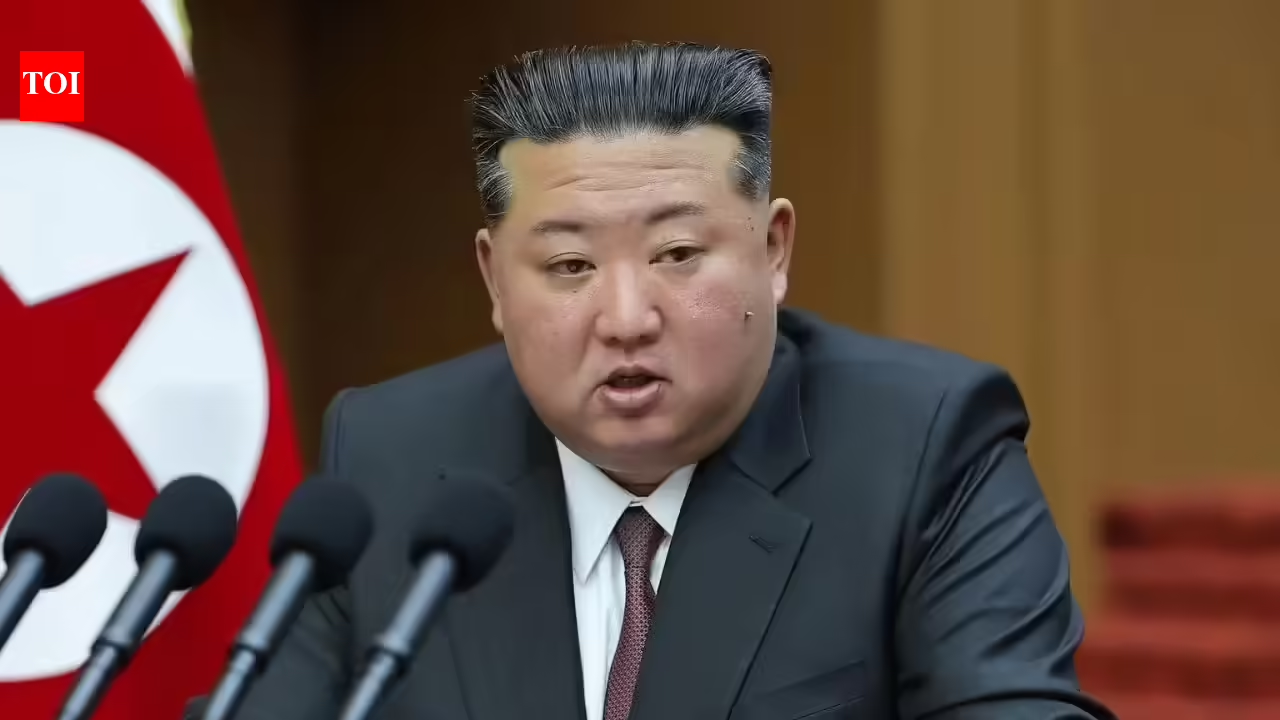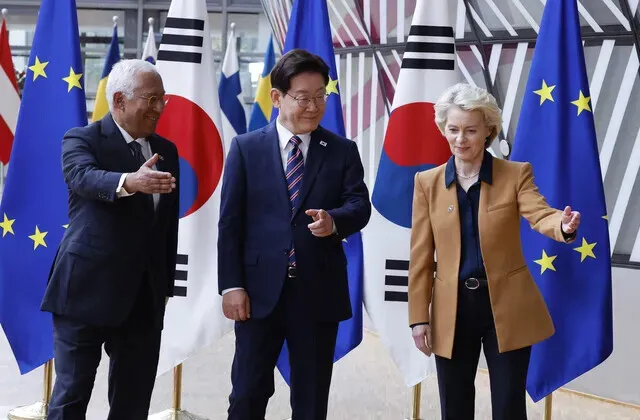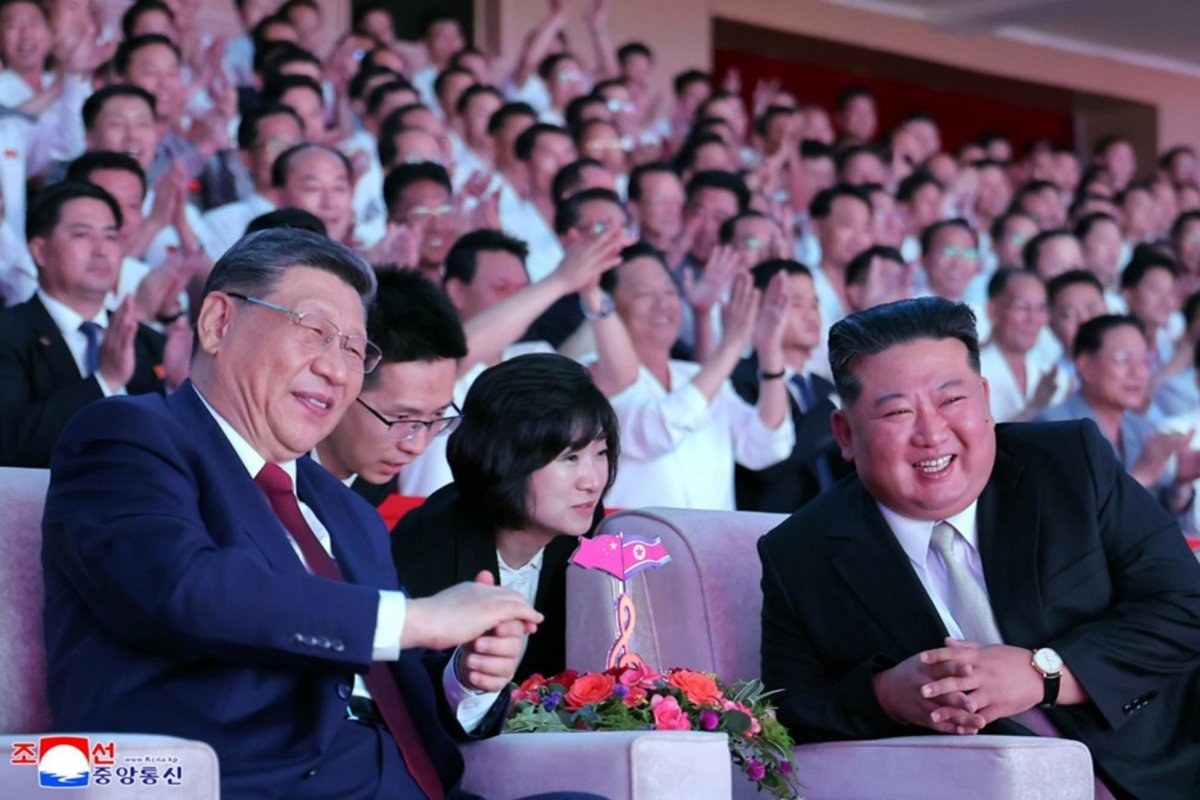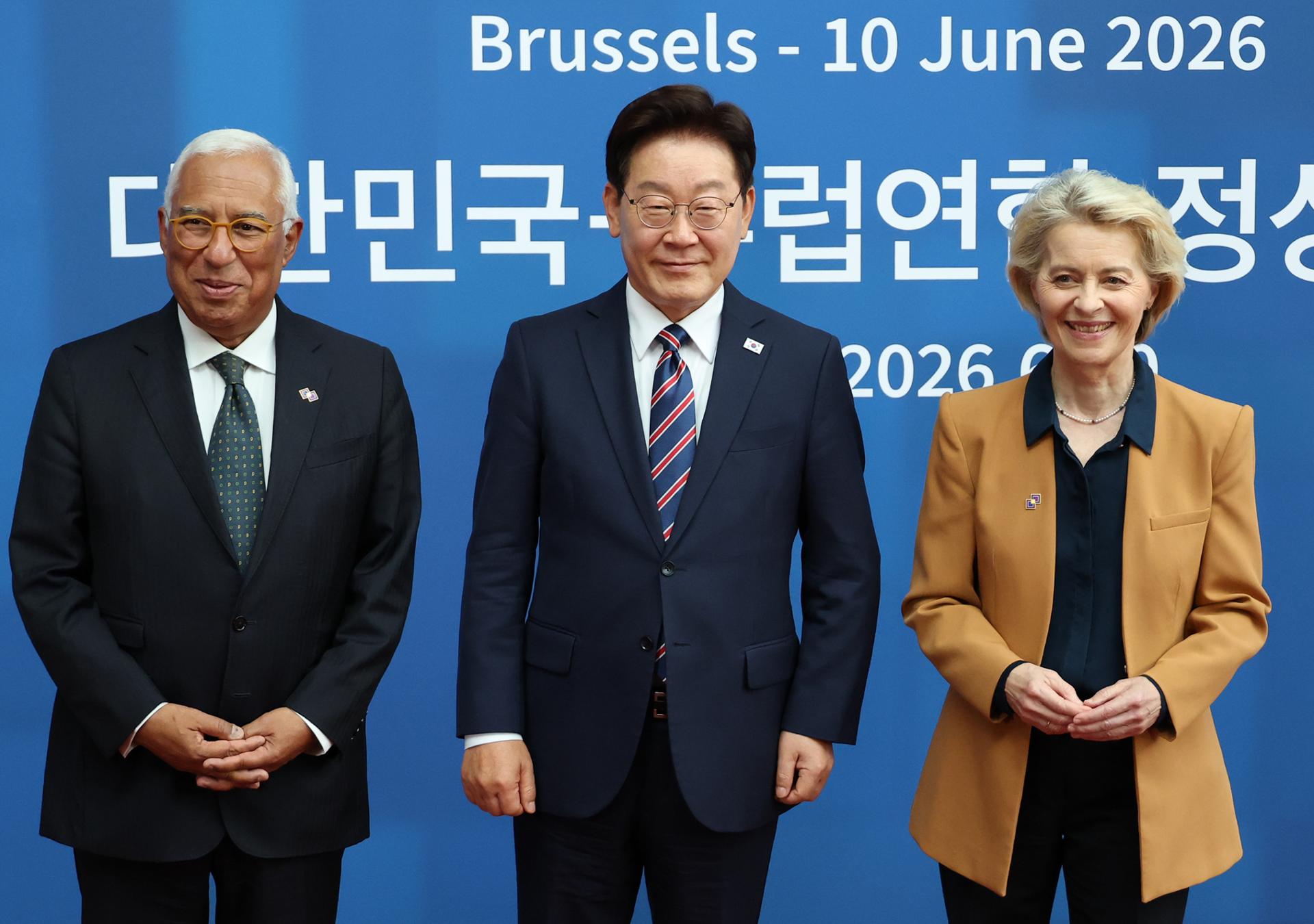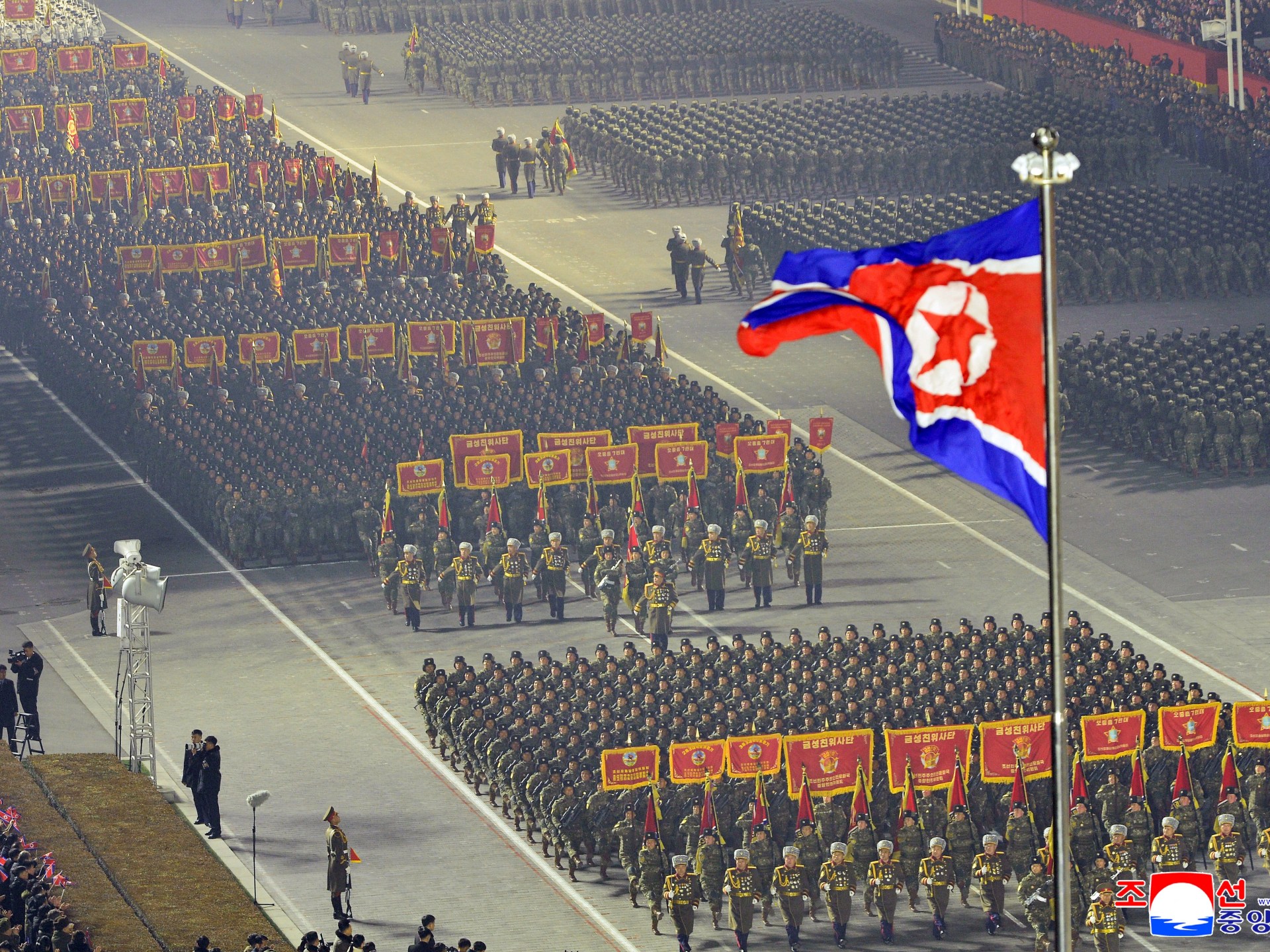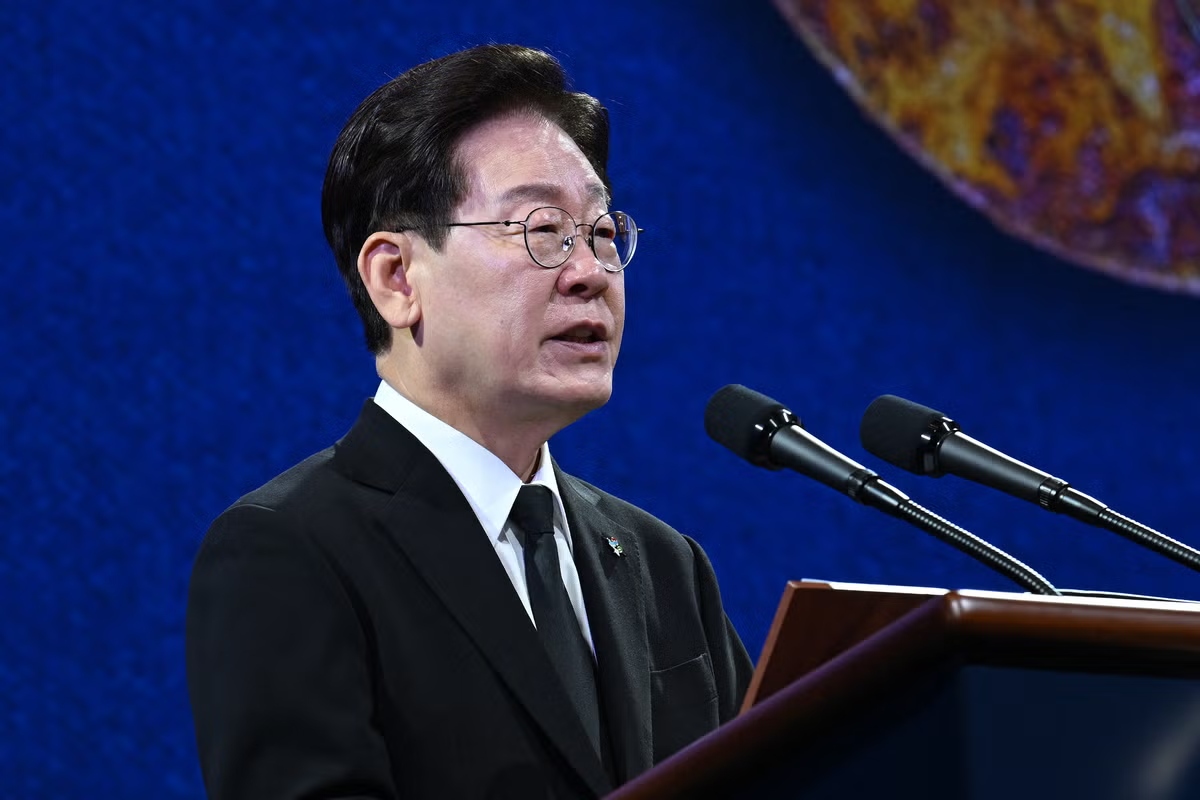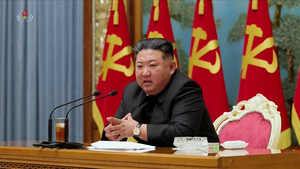
Pyongyang says Seoul has shed its 'mask of peace' North Korean leader Kim Jong-un (KCTV via Yonhap) North Korea is stepping up hostile rhetoric against South Korea, slamming the joint statement adopted by Seoul and the European Union, and reiterating its commitment to nuclear armament.Seoul, in response, reiterated its commitment to pursuing peaceful coexistence on the Korean Peninsula from a long-term perspective.In a statement released Saturday, a spokesperson for the North Korean Foreign Ministry's 10th Bureau said Seoul had discarded its "mask of peace" by endorsing language condemning North Korea's military cooperation with Russia and rejecting its status as a nuclear weapons state."Whatever words or actions South Korean authorities take, they constitute a challenge against us," the bureau's spokesperson said, adding that Pyongyang's principle of treating South Korea as a hostile state would remain unchanged.The 10th Bureau is a North Korean Foreign Ministry unit handling inter-Korean affairs, succeeding the United Front Department, Pyongyang’s former key agency for South Korea-related operations. The restructuring followed leader Kim Jong-un's remarks in late 2023, in which he redefined inter-Korean relations as those between "two hostile states" rather than a single nation seeking reunification.The remarks came after President Lee Jae Myung, European Commission President Ursula von der Leyen and European Council President Antonio Costa adopted a joint declaration during a South Korea-EU summit in Brussels on Wednesday.The statement condemned illegal military cooperation between North Korea and Russia and reaffirmed that Pyongyang would never be recognized as a nuclear-weapon state under the Nuclear Non-Proliferation Treaty.The North Korean spokesperson further said the declaration showed Lee had displayed his "characteristic frankness" by proving that there was no room for "peaceful coexistence" between the two Koreas and that Seoul would no longer be able to stage what Pyongyang called deceptive rhetoric about a "declaration of peace" or a "peaceful two-state theory."The Lee administration, which took office in June last year, has emphasized reducing tensions and pursuing peaceful coexistence on the Korean Peninsula while maintaining that North Korea's denuclearization remains a long-term objective.In the same statement, North Korea also described South Korea as a "dagger" used by the United States for aggression against North Korea and the Asian continent, an apparent reference to recent remarks by Gen. Xavier Brunson, commander of the South Korea-US Combined Forces Command and US Forces Korea, who described South Korea's position using the same term during a US Army War College podcast released last month.Responding to Pyongyang's criticism, Seoul's presidential office said Sunday it would continue to pursue its policy of peaceful coexistence with North Korea from a long-term perspective."The government will consistently pursue policies aimed at establishing peace on the Korean Peninsula," a presidential official said, adding that the European Union also supports Seoul's efforts to ease tensions and promote peace.The official said that the joint statement merely reflected Seoul's existing position and did not go beyond what the South Korean government had already stated.Separately, North Korea also denounced a recent South Korea-US statement reaffirming the goal of denuclearizing the North.In a statement carried by the Korean Central News Agency on Sunday, a Foreign Ministry spokesperson dismissed calls for denuclearization as an "empty illusion," saying Pyongyang's status as a nuclear weapons state was irreversible.The spokesperson said "denuclearization" was a matter that had been "finally and irreversibly concluded," arguing that repeated calls for the North to give up its nuclear weapons would have no effect on what it called the country's nuclear status.The remarks came after South Korea and the United States held the sixth meeting of the Nuclear Consultative Group in Seoul on Thursday.In a joint statement, the allies reaffirmed their shared goal of North Korea's denuclearization while discussing ways to strengthen extended deterrence against the North's nuclear and missile threats.The NCG, launched in 2023, serves as a bilateral consultative body through which Seoul and Washington coordinate nuclear deterrence planning and strategic responses to North Korea's advancing nuclear capabilities.
North Korea rebukes Seoul, EU over rejection of its nuclear status
North Korea is stepping up hostile rhetoric against South Korea, slamming the joint statement adopted by Seoul and the European Union, and reiterating its commi
646 words~3 min read