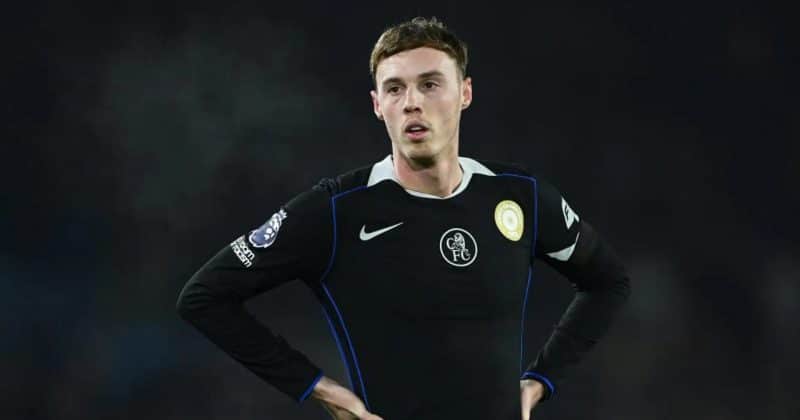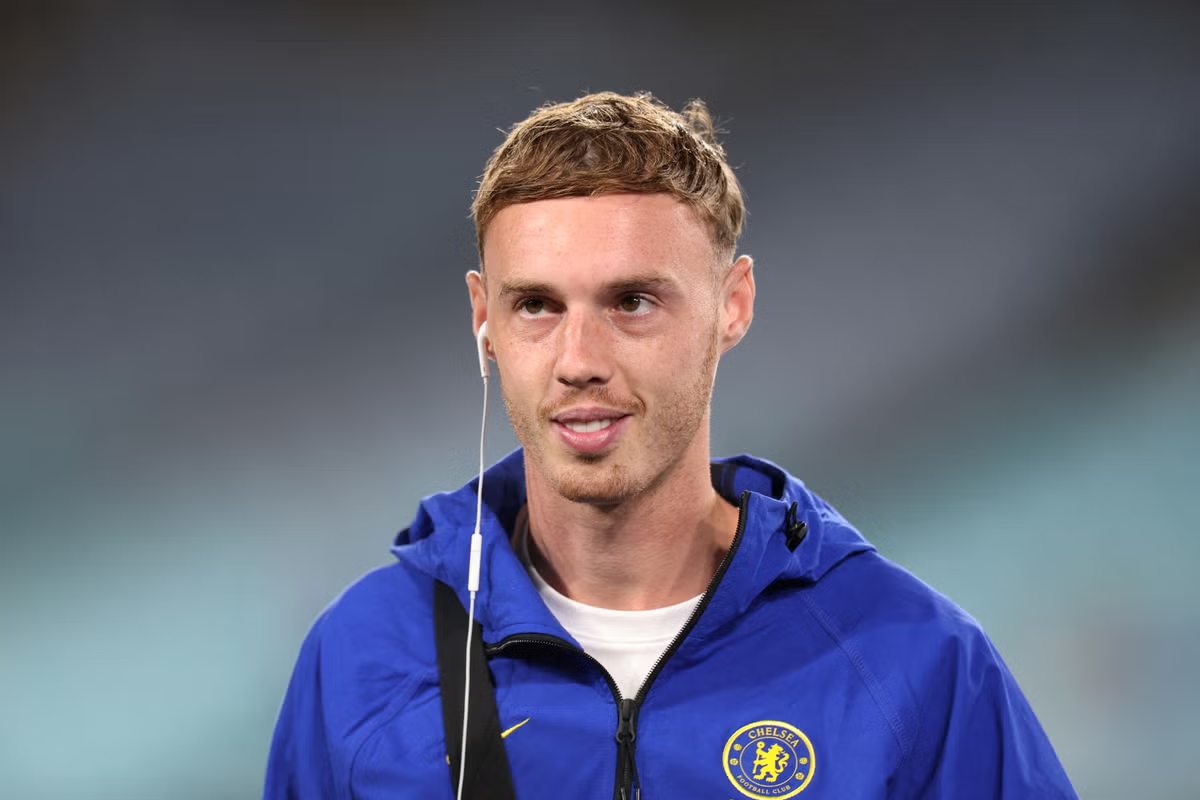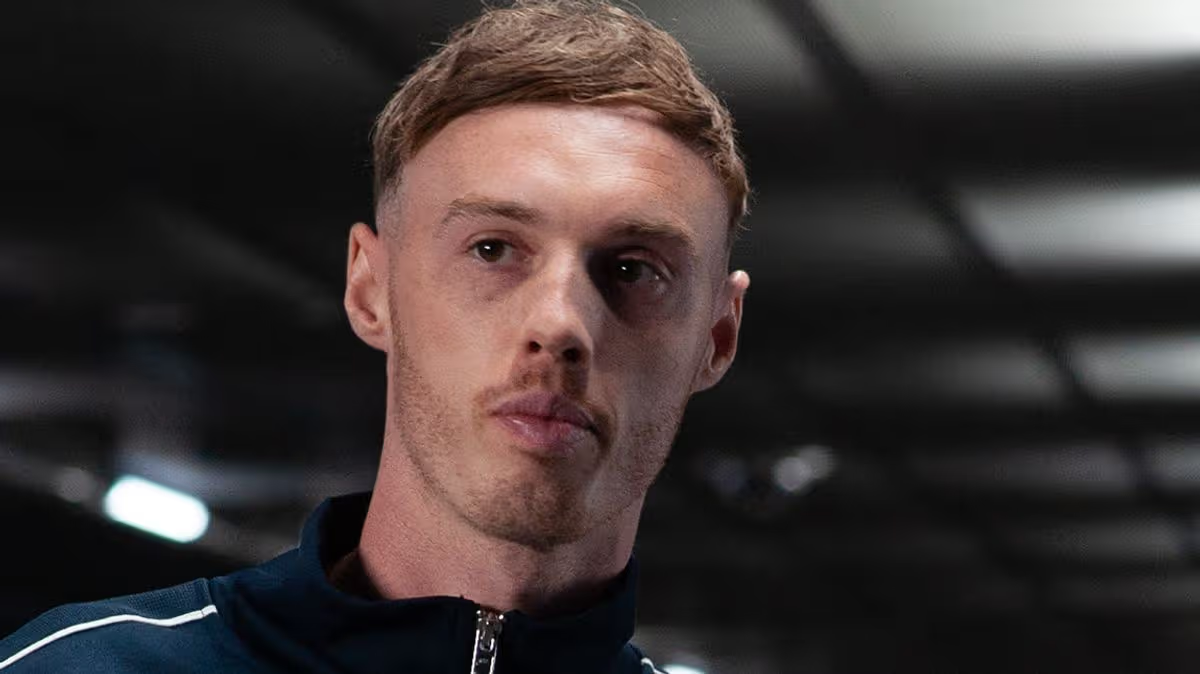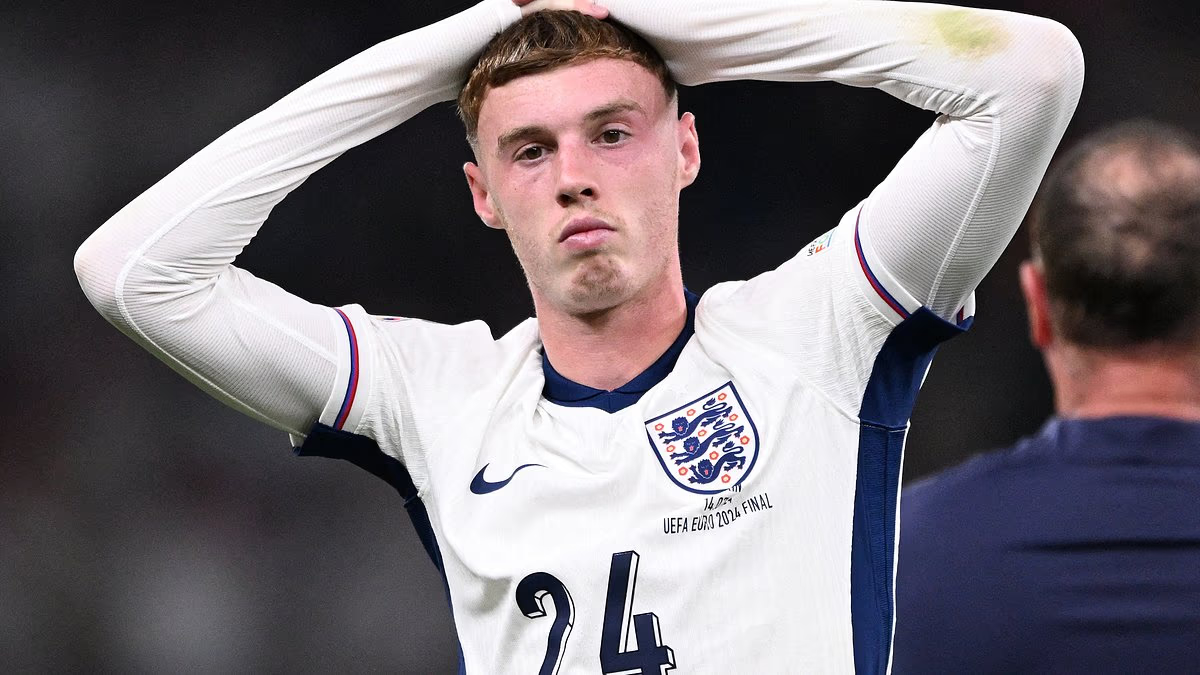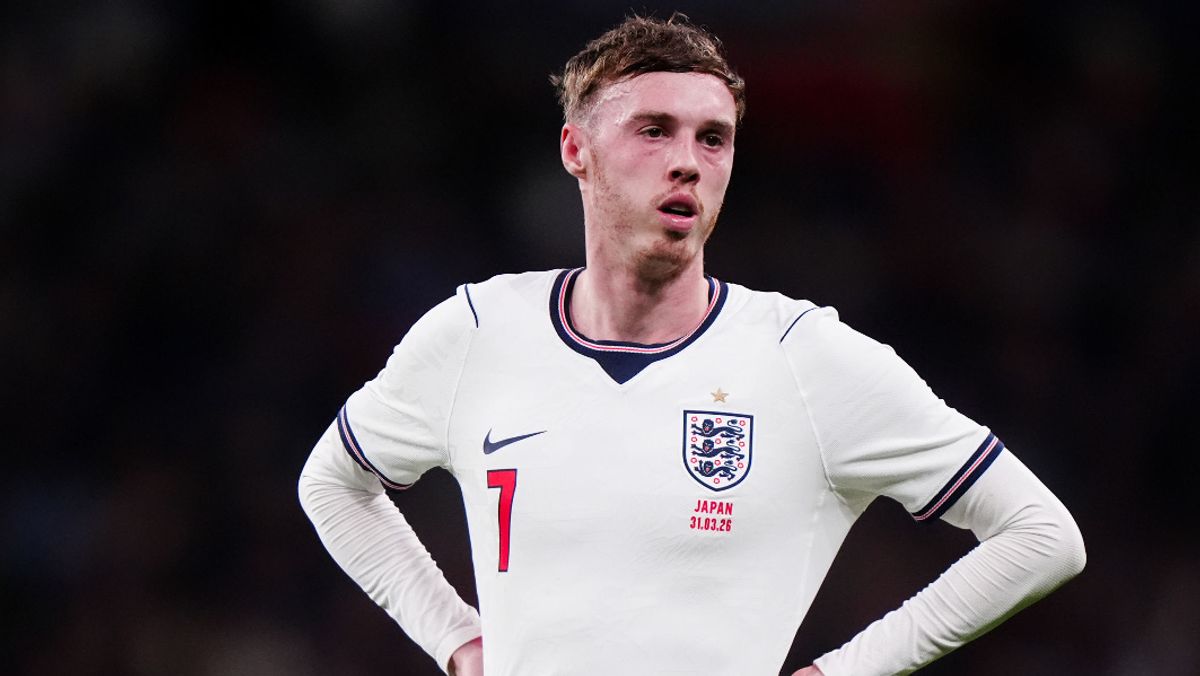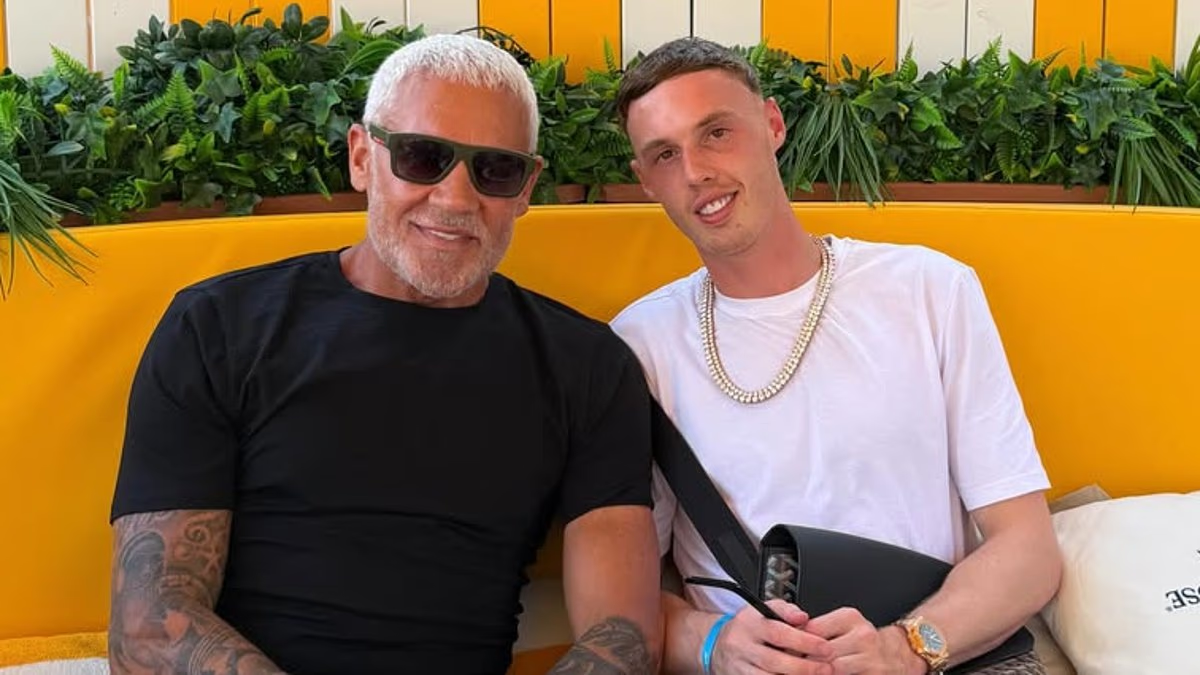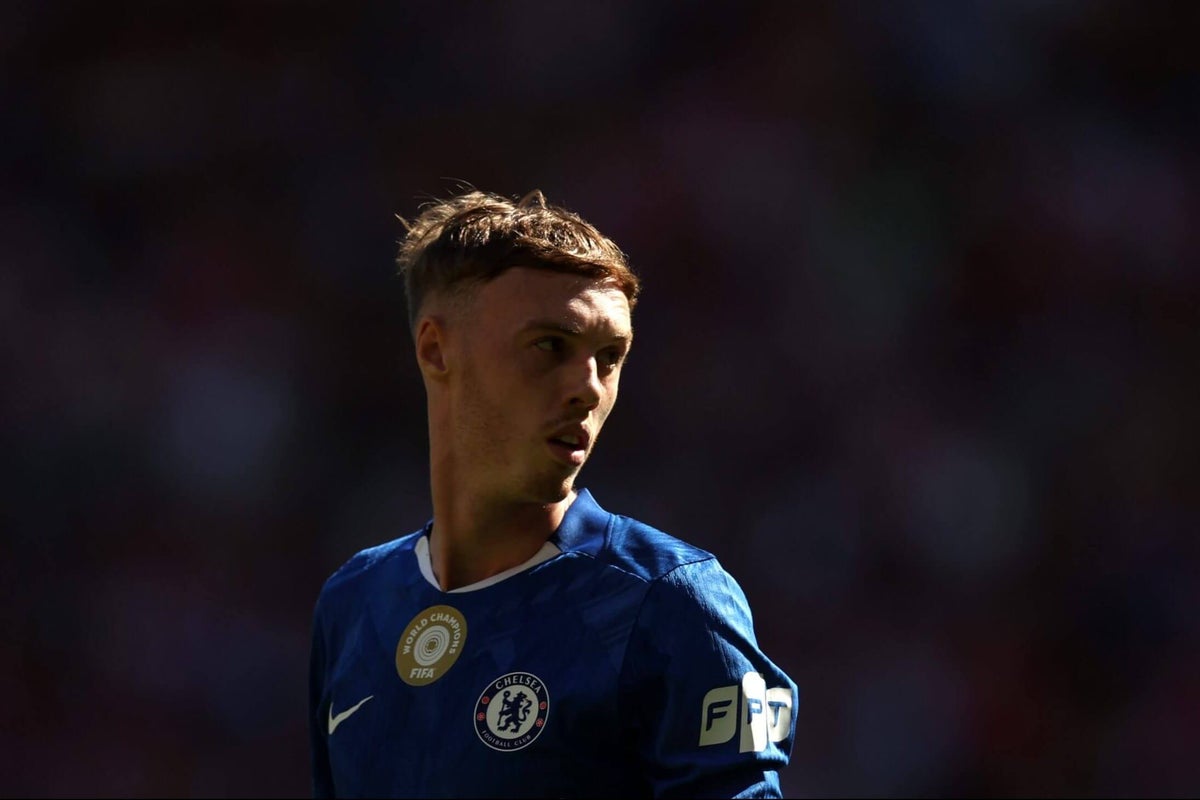
It was a little under two months ago that Coca-Cola announced it had signed Cole Palmer as a “football brand ambassador”.In a press release on April 22, it declared the “multi-year partnership will see dynamic ice-cool player Palmer front Coca‑Cola and Powerade activations across the Premier League and FIFA World Cup 2026”.The statement went on to explain how bringing Palmer on board “strengthens Coca-Cola’s long-standing commitment to Gen Z and mass football audience”.Referencing football’s showpiece event again, it added that the Chelsea and England forward would “also support activations around the upcoming World Cup as part of Coca-Cola’s longstanding partnership with the tournament, as his influence continues to grow both on and off the pitch”.Come late May, however, that deal with the fizzy-drink manufacturer had fallen rather flat.Palmer was omitted from Thomas Tuchel’s 26-man England squad for the World Cup in the United States, Canada and Mexico, putting Coca-Cola in an awkward spot.As England were preparing to play Croatia near Dallas on Wednesday in their opening game of the tournament, Palmer was instead being photographed next to Wayne Lineker at O Beach, a day club in Ibiza.But with the Chelsea star playing no part at the finals, what does it mean for his link-up with Coca-Cola, as well as his other sponsorship deals? And how difficult are situations like this for big brands?The Athletic spoke to industry experts to find out.Cole Palmer missed out on selection for Thomas Tuchel’s World Cup squad (Ryan Pierse/Getty Images)Tim Crow, former head of international sports marketing agency Synergy, gets straight to the point.“It’s not ideal,” he tells The Athletic, addressing the Palmer issue. “You don’t go to all the trouble of signing a new ambassador and making all the necessary arrangements around that without hoping he’s going to get picked.“There would have been a lot of frustration around it. But equally, if they’d done their due diligence, and I’m sure they had, then they would have had a plan for this eventuality.“It’s really about a lack of salience. All of a sudden, you’ve got an asset you would have been hoping would be on the field of play, who isn’t, so it’s just lacking ability to capitalise on his performances on the field and his presence in the World Cup.“It does take away a lot of options and force you into a different way of thinking about it.”Steve Martin, founding partner at MSQ Sport and Entertainment, explains how such scenarios reflect the harsh realities of working in the sports industry.“Most brands who are thinking ahead to what they do to activate their campaigns around any big events — such as the Olympics, but particularly around a World Cup — are always about who’s going to be in the squad,” he says. “If you asked any fan in the street, the vast majority would have said Palmer would have been in the squad. It’s just one of those awkward coincidences that he hasn’t been picked.“You have to put those bets on a bit earlier, because you’re creating campaigns months before they actually go live. People aren’t naive, there’s always a risk.”Ricardo Fort, former head of global sponsorships at Coca-Cola and Visa, agrees.“For a company like Coca-Cola, that has been doing this for a long time, they know they sometimes get players who are not selected, or get injured,” he tells The Athletic. “That’s part of the working-with-players business.”Cole Palmer finds himself on the outside looking in at the World Cup (Alex Pantling/Getty Images)Looking ahead, Crow says, for Coca-Cola, it is likely a case of tweaking rather than scrapping the campaigns involving Palmer that its executives had in the pipeline this summer.
Cole Palmer, Coca-Cola and what happens when a World Cup brand deal falls flat
The Chelsea forward's omission from Thomas Tuchel's squad left those companies who had signed him as a brand ambassador facing a dilemma
1,697 words~8 min read