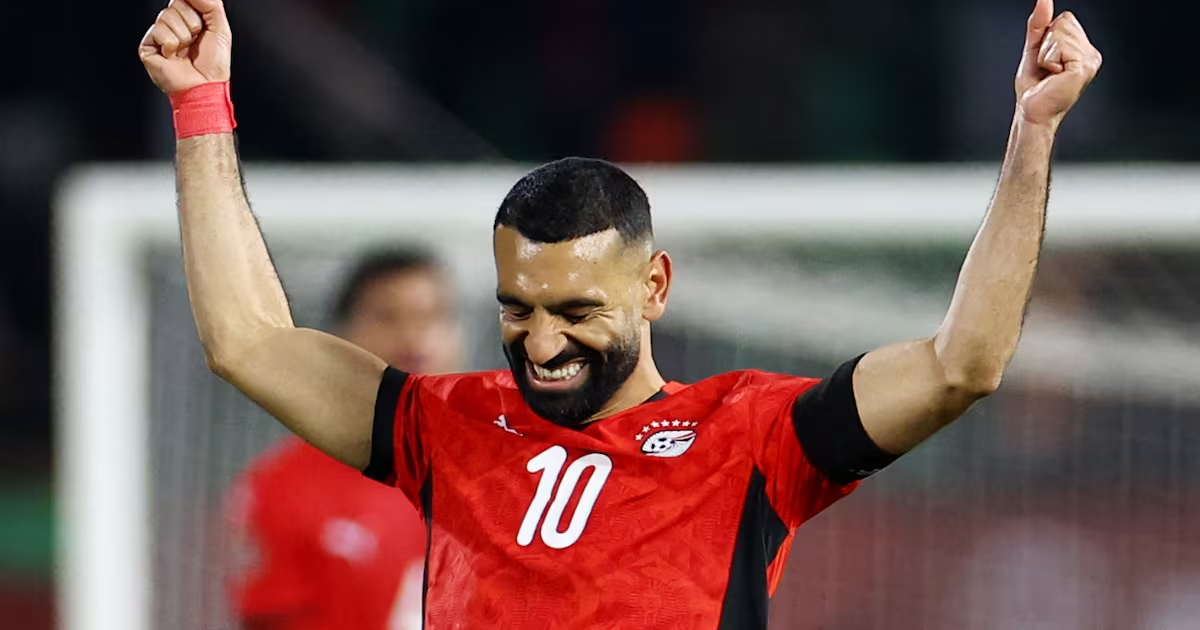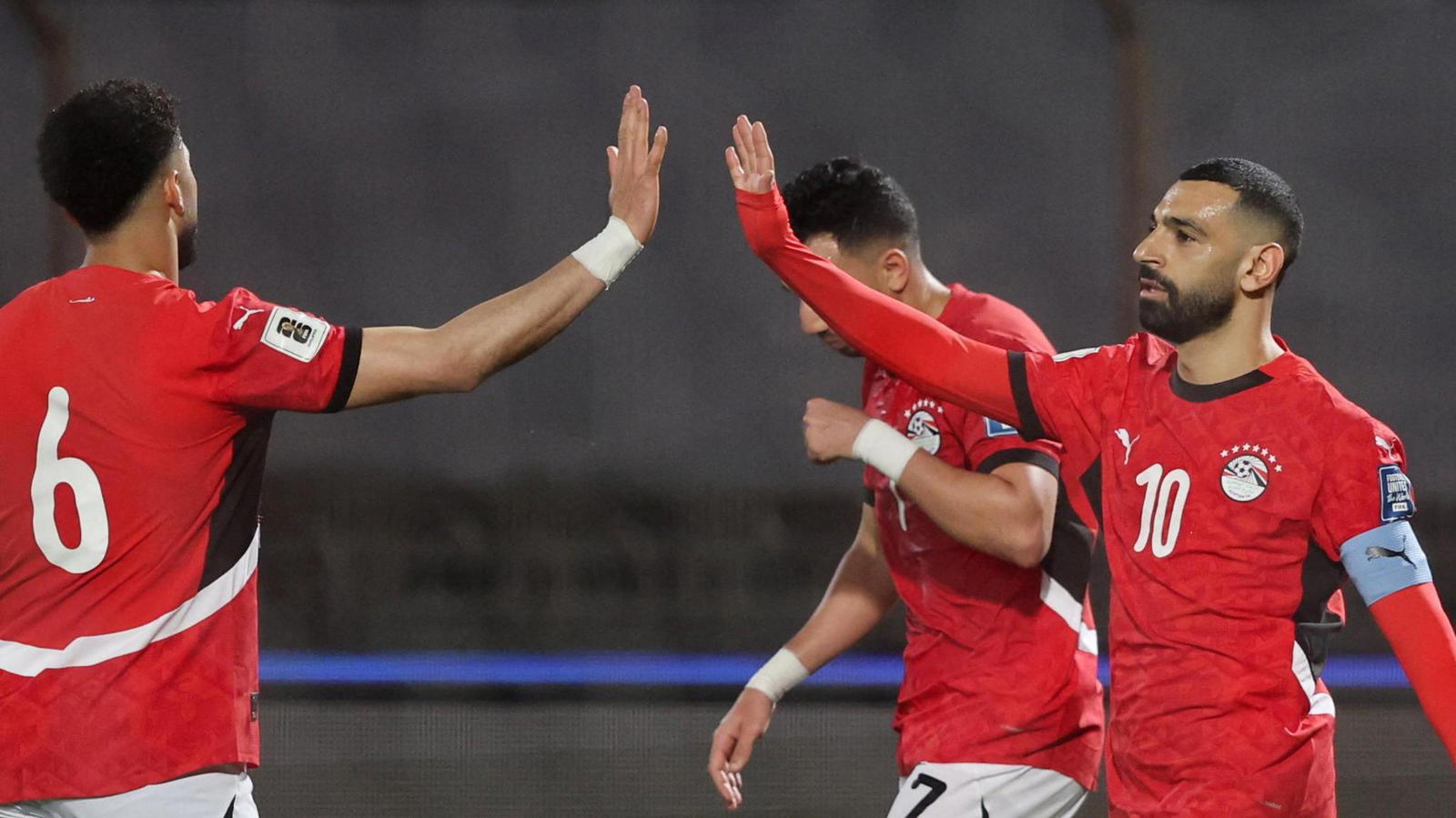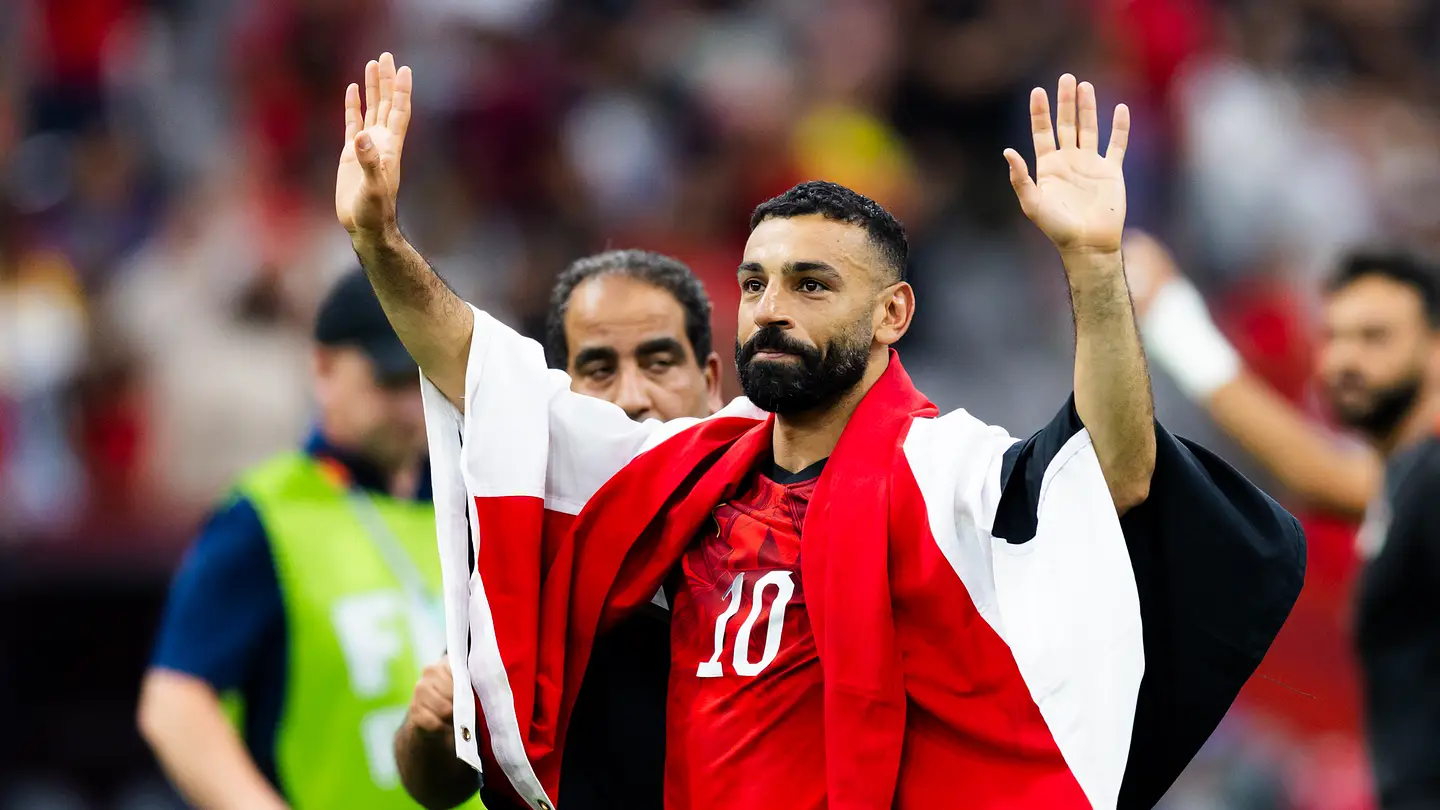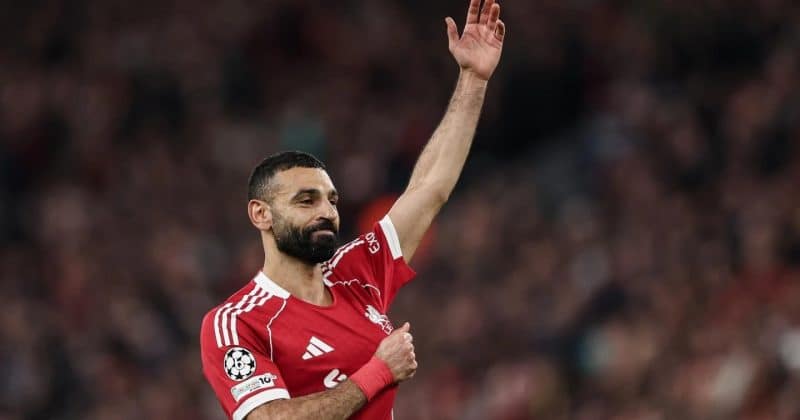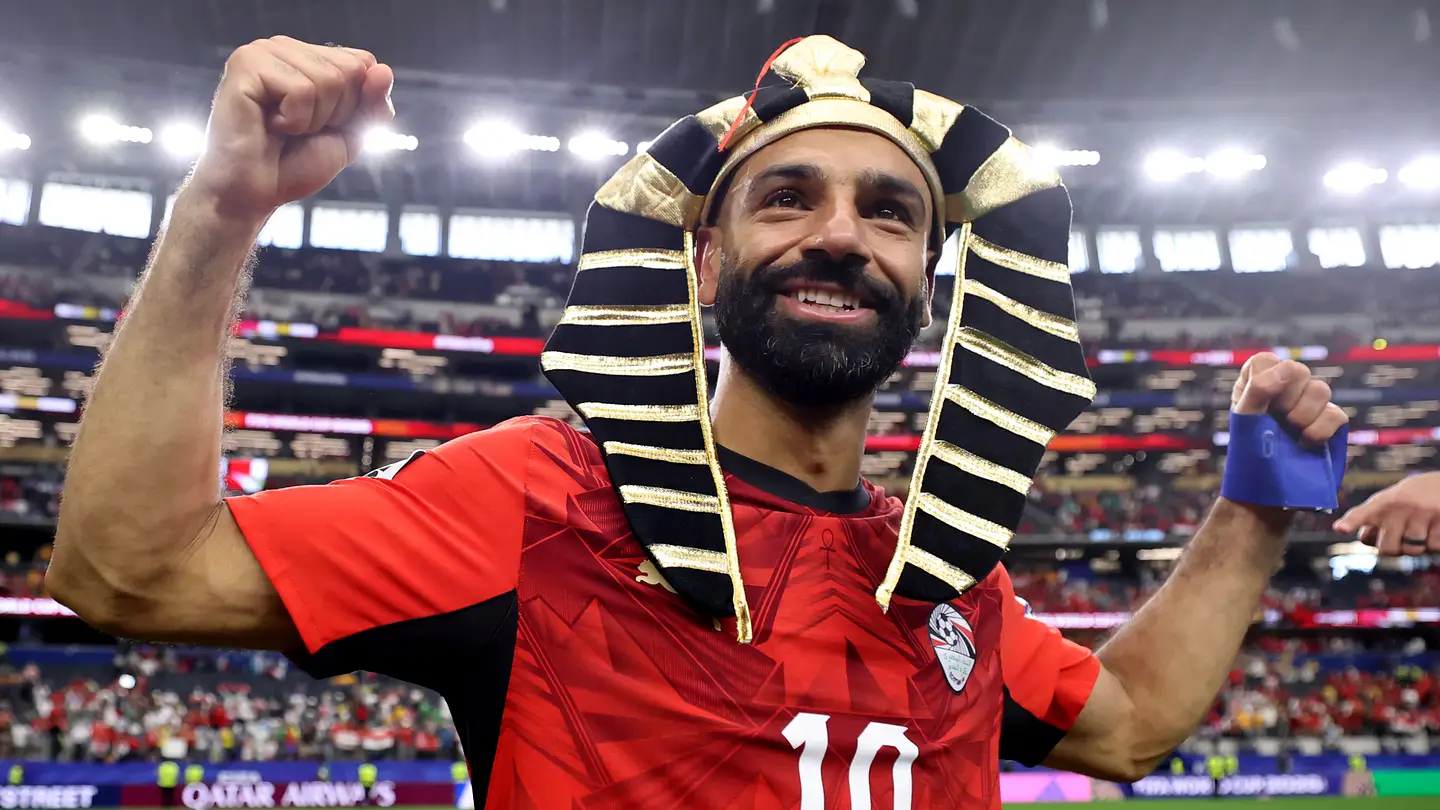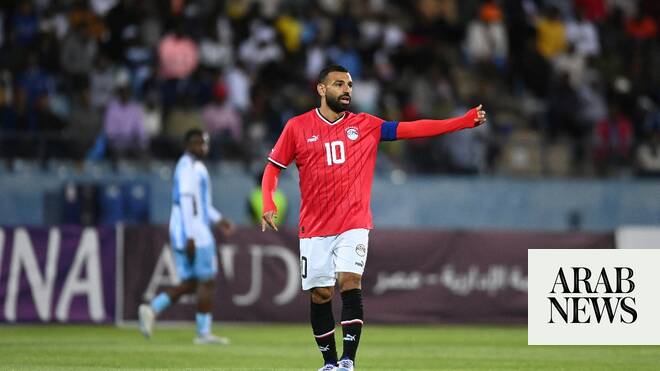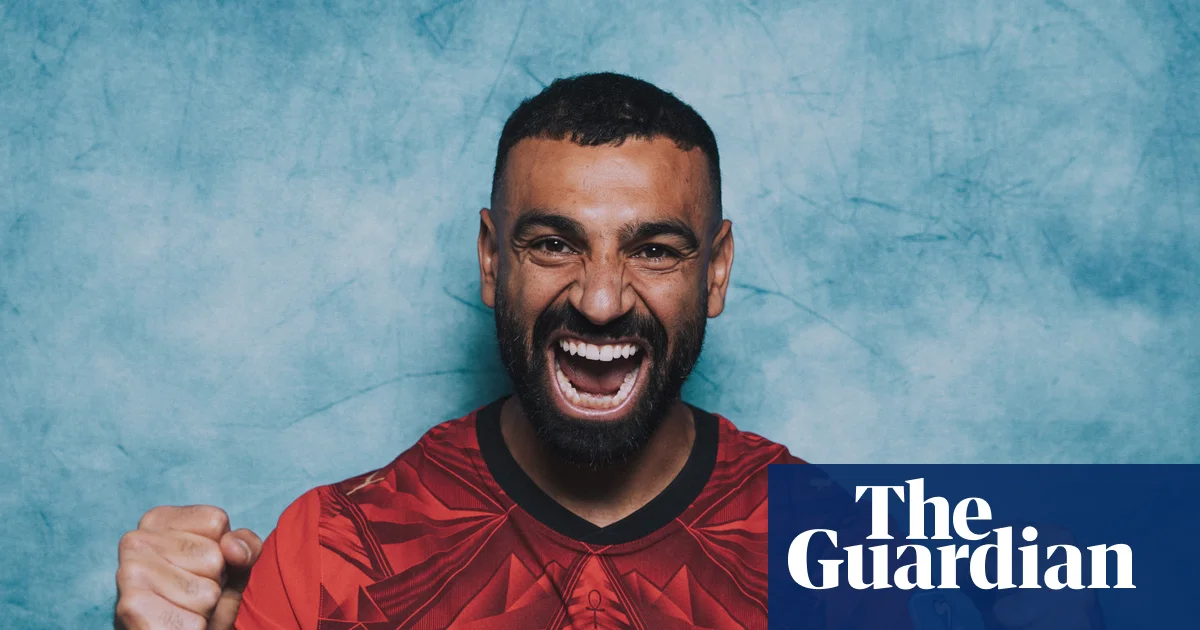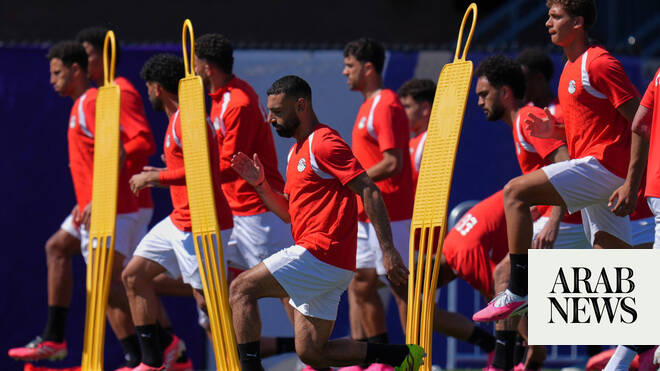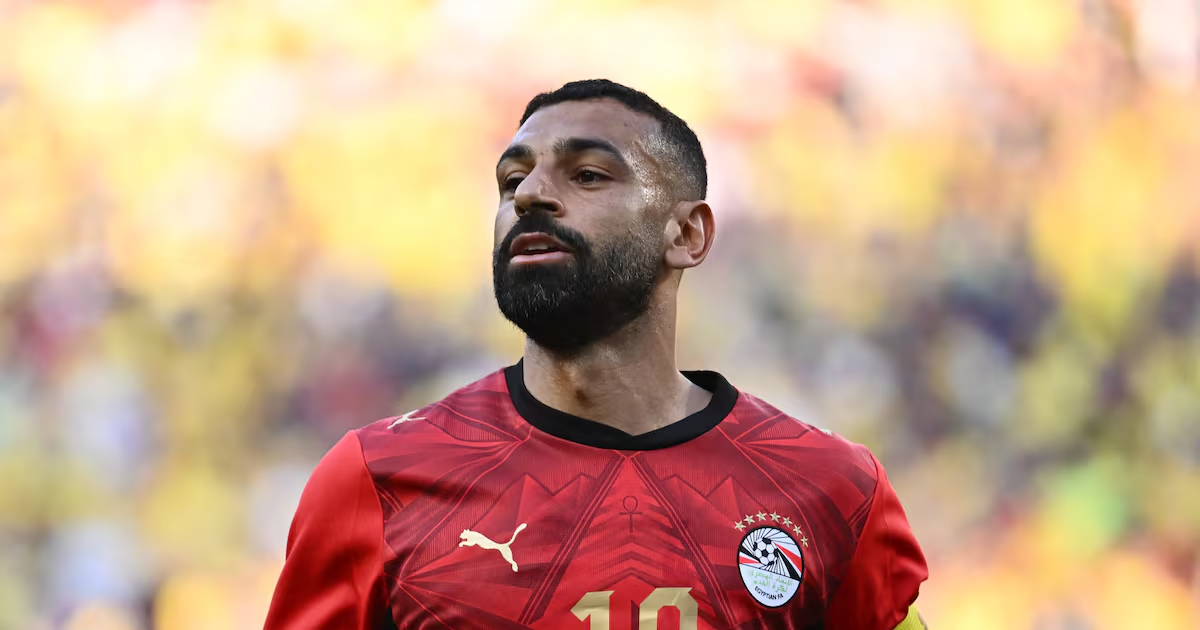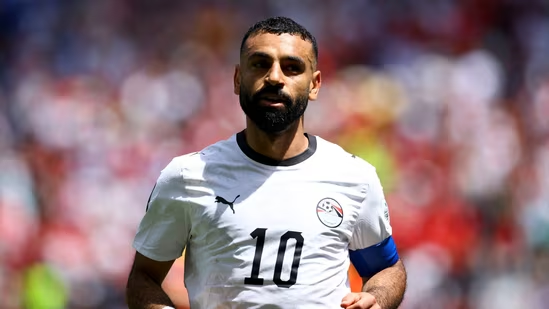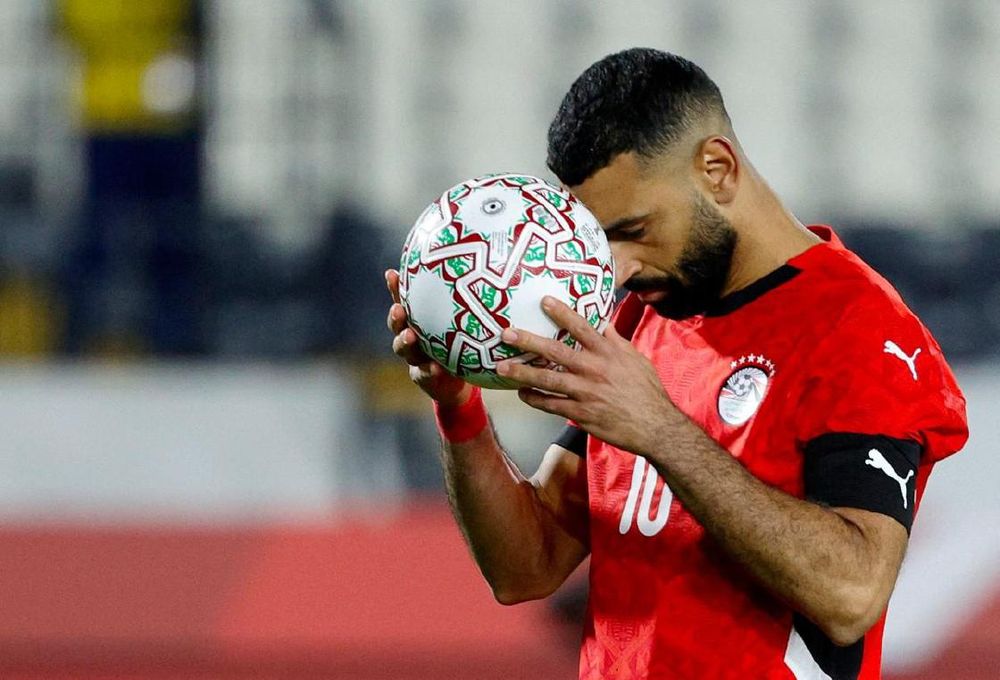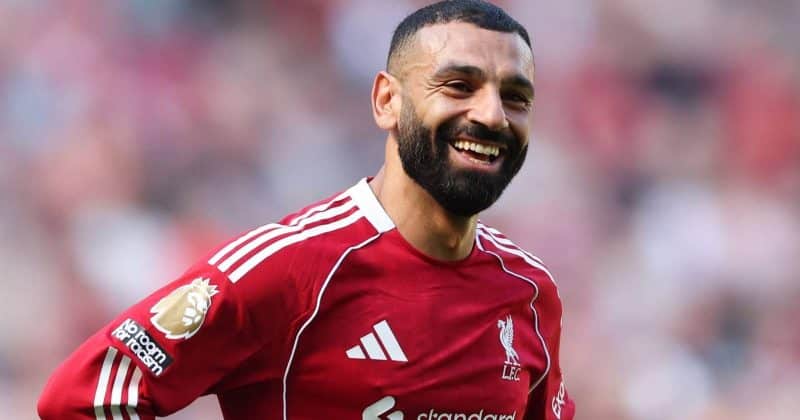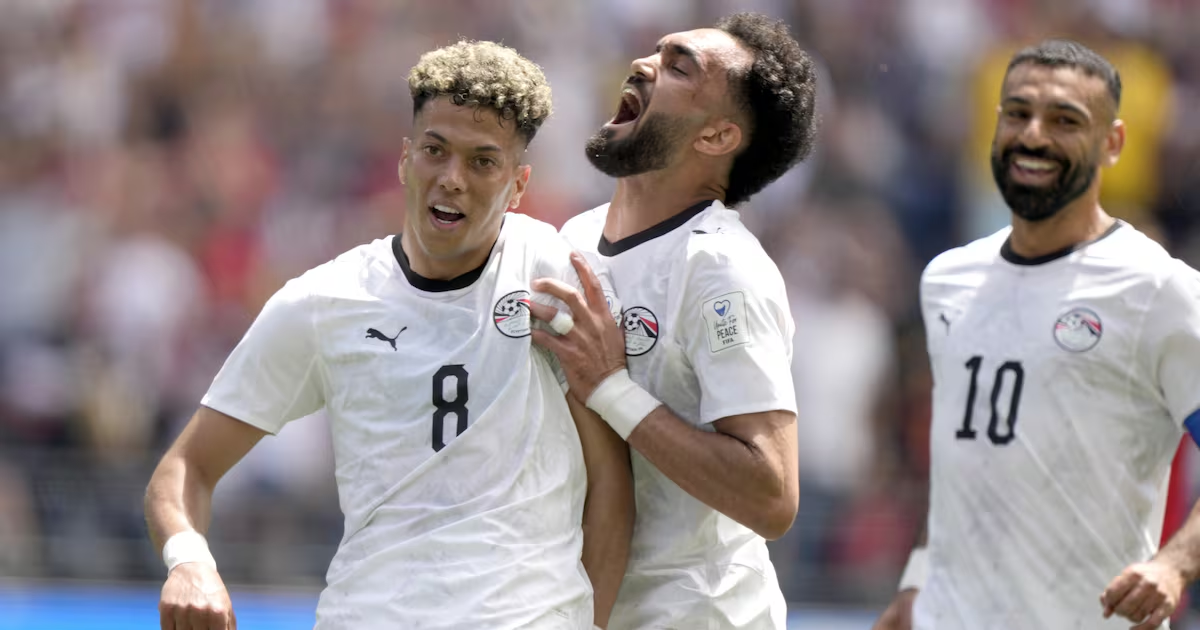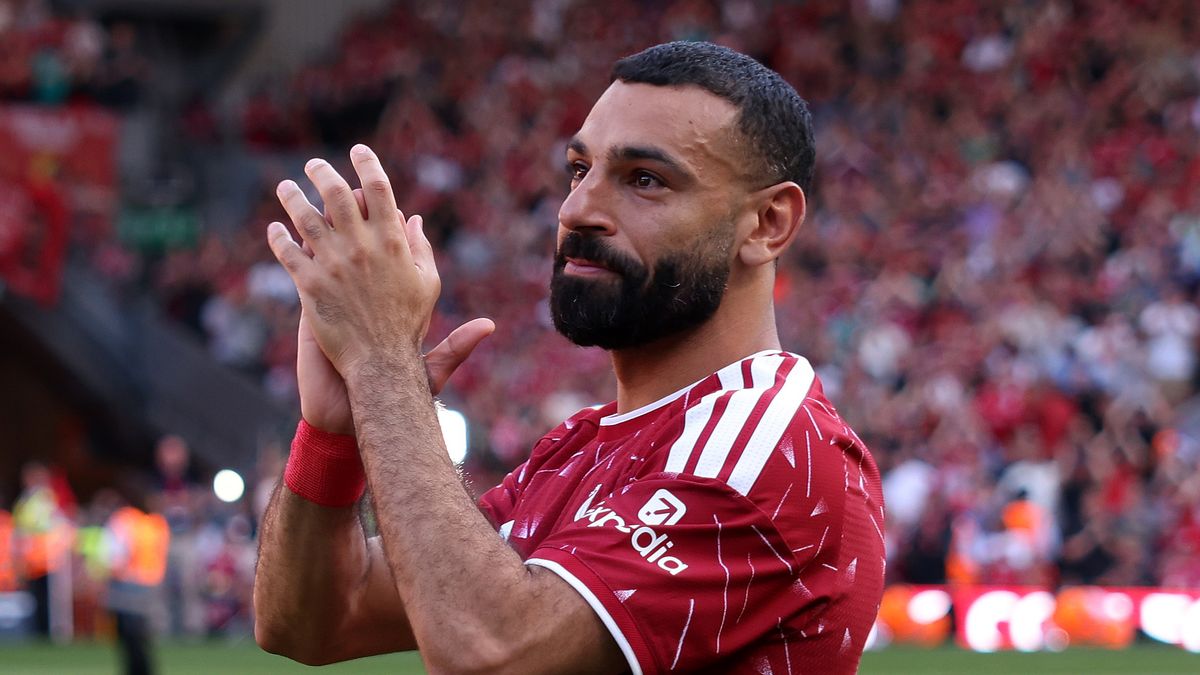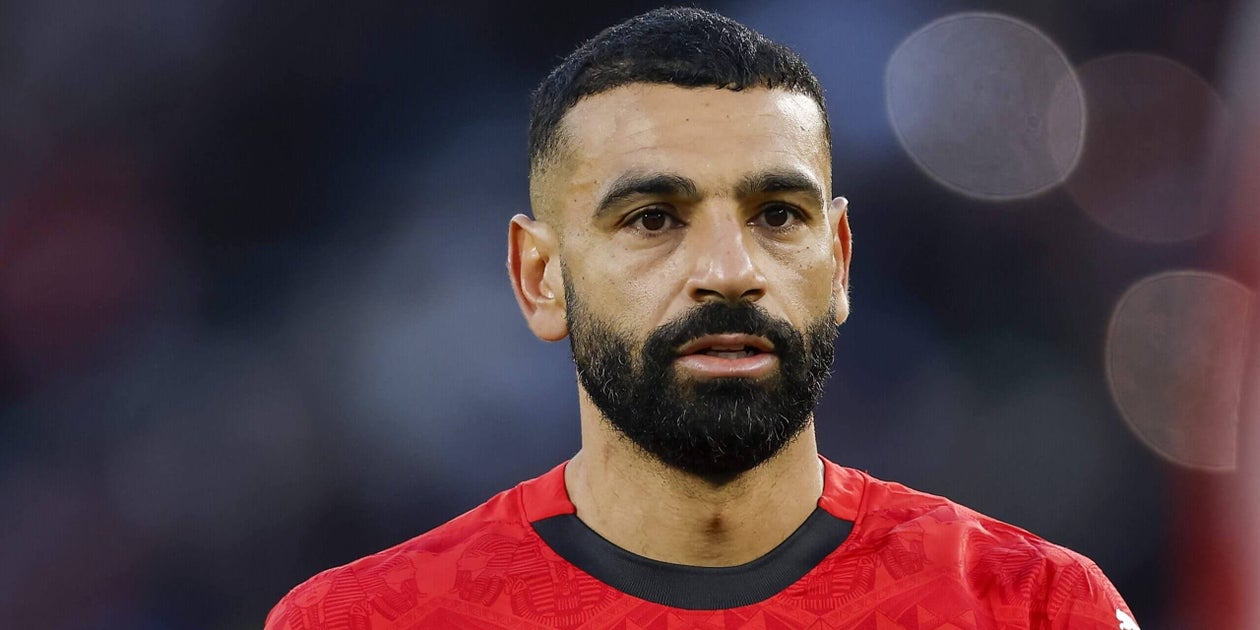
Take West Sunset Highway out of Spokane, Washington, and before cowboy country opens up, just beyond a strip of barbecue spots, truck washes and kennels, is the rather incongruous modern, glass-panelled hotel hosting the Egypt squad at the 2026 World Cup.The setting has been chosen for logistical convenience.The Northern Quest Resort and Casino is on one side of the road and on the other is Spokane’s airport, which offers easy passage to places including Seattle and Vancouver, the cities where Egypt will play their three group games over the next couple of weeks. The planners at the Egyptian Football Association (EFA) believe the squad have everything they need in terms of facilities, with training taking place on Luger Field at Gonzaga University, close to the childhood home of Bing Crosby.Yet it also affords Egypt’s players the type of space they enjoyed in Taghazout during their recent Africa Cup of Nations (AFCON) campaign in Morocco, which ended at the semi-final stage with a 1-0 defeat to eventual champions Senegal.Spokane might be five hours’ drive from Seattle but it is only an hour or so by plane, and in Group G — also featuring Belgium, New Zealand and Iran — Egypt will travel the shortest distance of any team at this tournament for their opening-phase matches. Quietly, the Egyptians are confident. They arrive in the United States having compiled one of the best records in qualifying, and their star player Mohamed Salah has a point to prove (and a new club to find) after leaving Liverpool last month at the end of their season. In Spokane, he was welcomed by a few of the club’s supporters.The Egyptian King has arrived at Gonzaga’s Luger Field for today’s training session along with his Egypt teammates. @MoSalah @SalahUpdates pic.twitter.com/RtKuEmkXvS— Andrew Quinn (@andrewquinny) June 10, 2026Yet history urges caution. Egypt’s record in World Cups is starkly bad when you consider they are the most successful country in the history of the AFCON, with six titles. Having qualified for the first World Cup in 1930, Egypt did not arrive in Uruguay, the host country, after storm delays meant they missed their nautical connection in Marseille. Four years later in Italy, they became the first African or Arab nation to appear at the World Cup but failed to win a game, a record they maintained in 1990 and 2018. They have never advanced to the knockout stages.Ten African countries can better that record, with Cameroon, Ghana and Morocco — the first nation from the continent to reach the semi-finals in 2022 — all enjoying far more recent success.“I see the ambition in the players, they want to achieve more than what Egypt did in past World Cups,” head coach Hossam Hassan told reporters ahead of a 2-1 friendly defeat to Brazil last week in Cleveland, Ohio. “We need to perform better at the World Cup. This is my main goal.”If Egypt are to achieve that, Salah will almost certainly be the pivotal figure. The 33-year-old may have just endured his least productive season since 2014-15 (12 goals in all competitions for Liverpool) and is without a club, having left Anfield a year before his contract was due to expire. Salah on his farewell appearance for Liverpool in May (Jack Thomas/Getty Images)Egypt’s chances tend to be formed around impressions of Salah, who is just two goals away from matching now-coach Hassan’s record as the national team’s all-time top scorer with 69.There is an interesting dynamic between the pair because while Hassan is representative of a more traditional Egypt and a winner of three AFCON titles, Salah — the most famous footballer their country has ever produced — has enjoyed far more success with clubs abroad but is yet to lift a trophy with Egypt since his international debut in 2011.Not so long ago, Hassan was one of Salah’s most notable critics in his prior role as a television pundit. This reached a height during the 2023 AFCON in Ivory Coast, where Egypt performed badly, exiting at the round of 16, and Salah sustained an injury in the second of their three group matches that looked like it might end his involvement in the competition. When it was floated that Salah would go back to Liverpool for treatment before potentially returning to camp if Egypt made it to the latter stages, Hassan suggested he shouldn’t bother — implying that leaving, as captain, was as good as desertion. “Back here, we have men to do the job,” insisted Hassan, leaning on his own sense of masculinity, part of his appeal among older generations across Egypt.
Mohamed Salah and Egypt have never won a World Cup game. Is this their moment?
The former Liverpool forward and his country have underachieved on the biggest stage. At 33, this is his last chance to set it right
2,052 words~9 min read