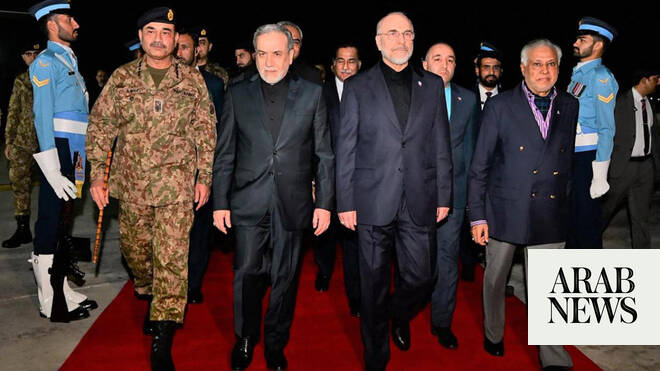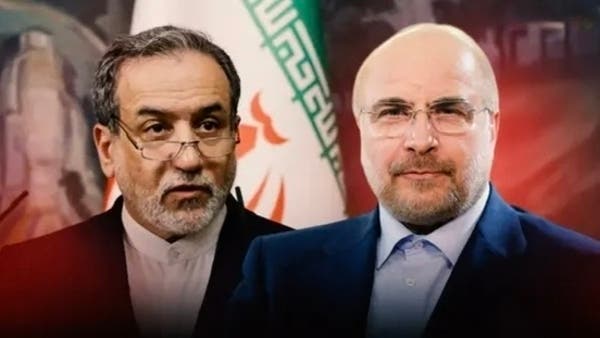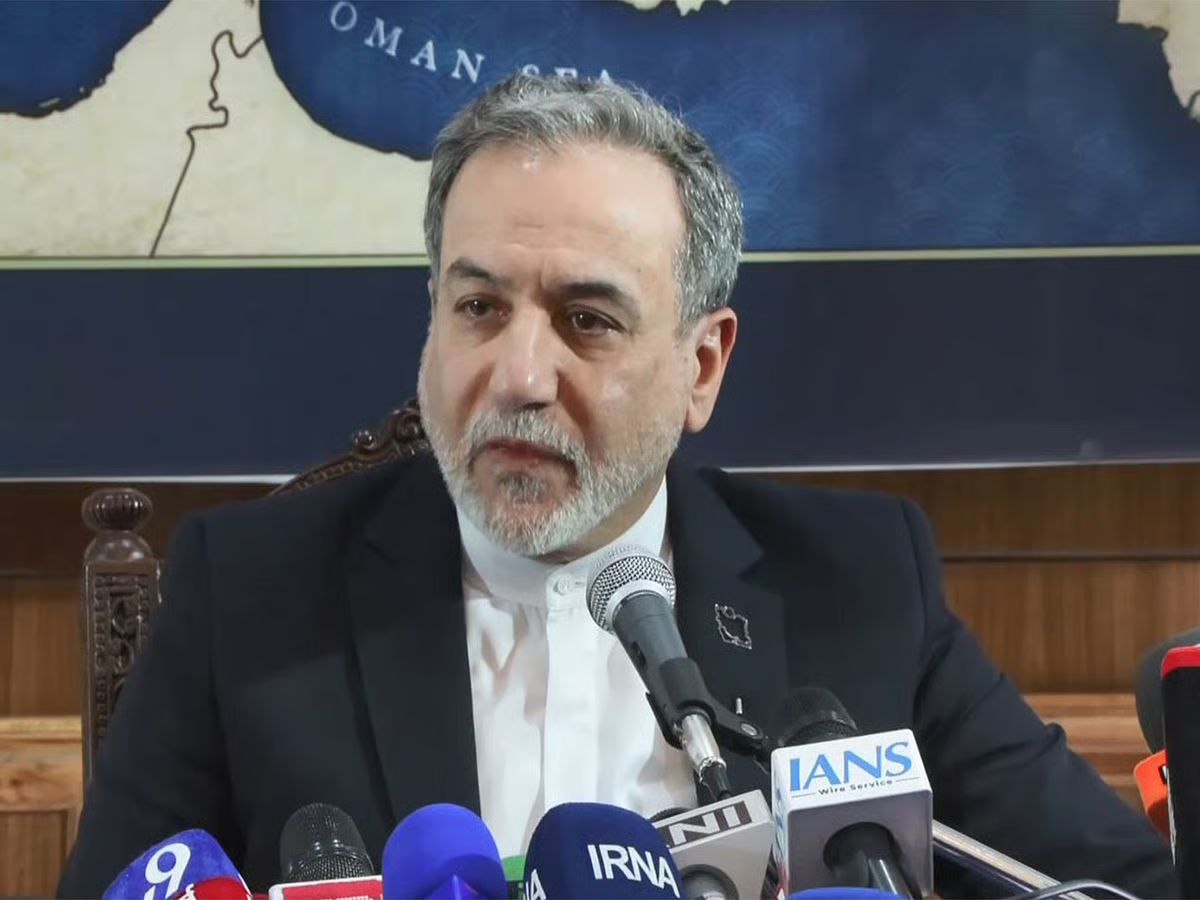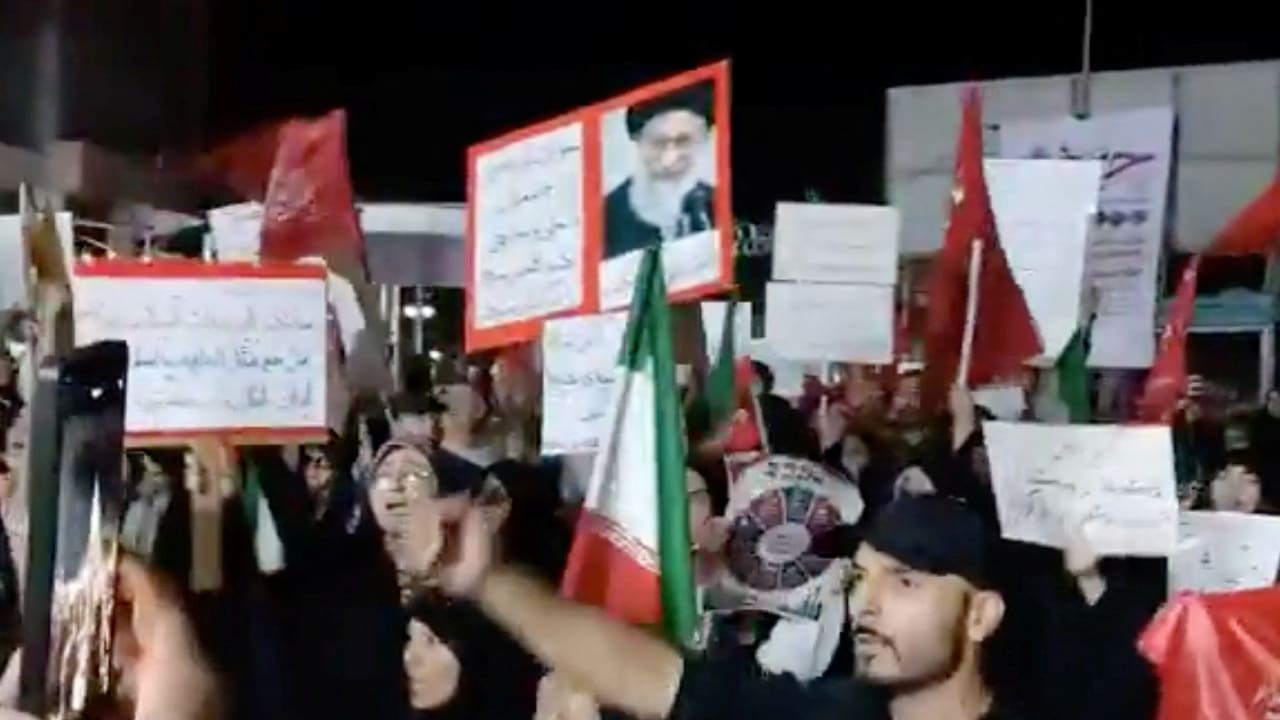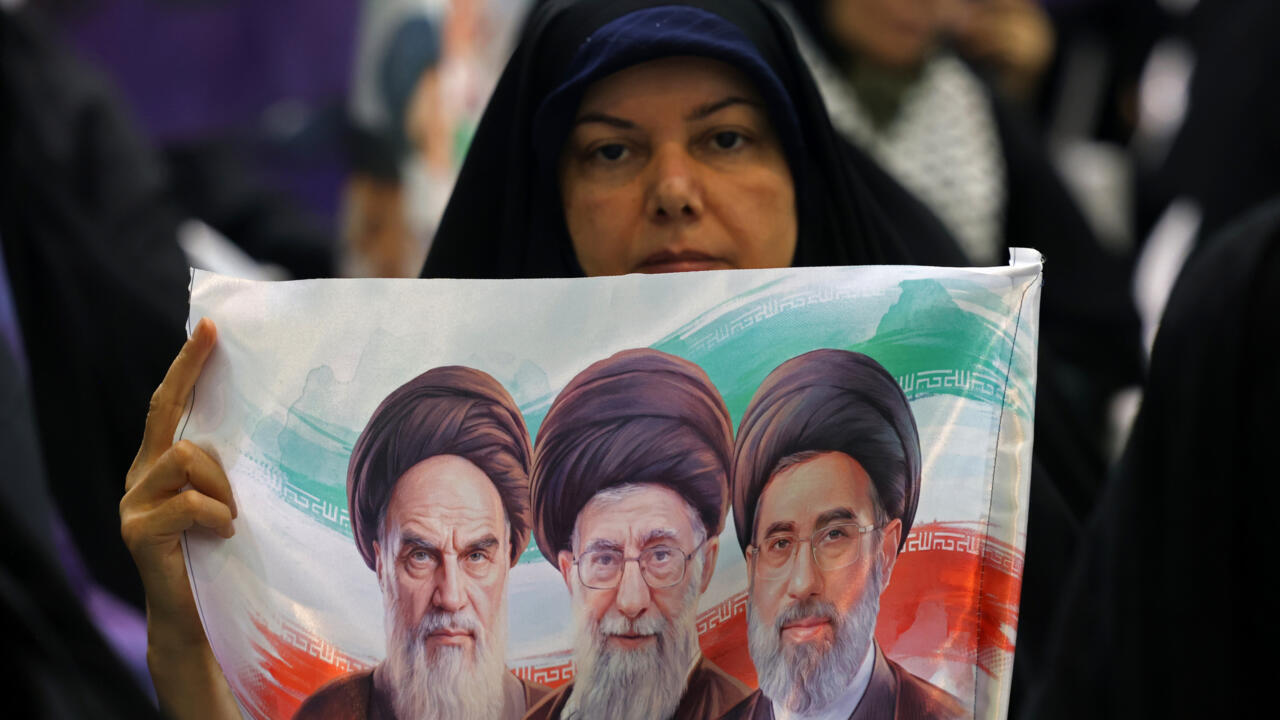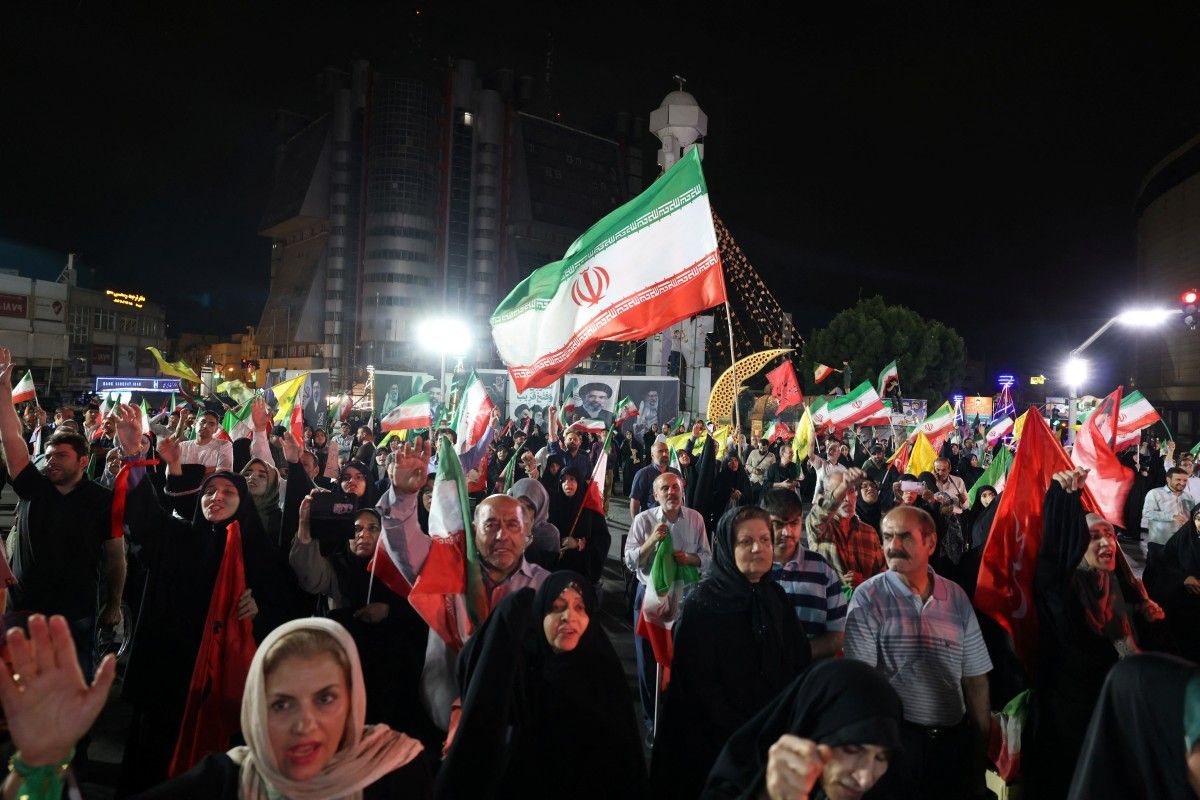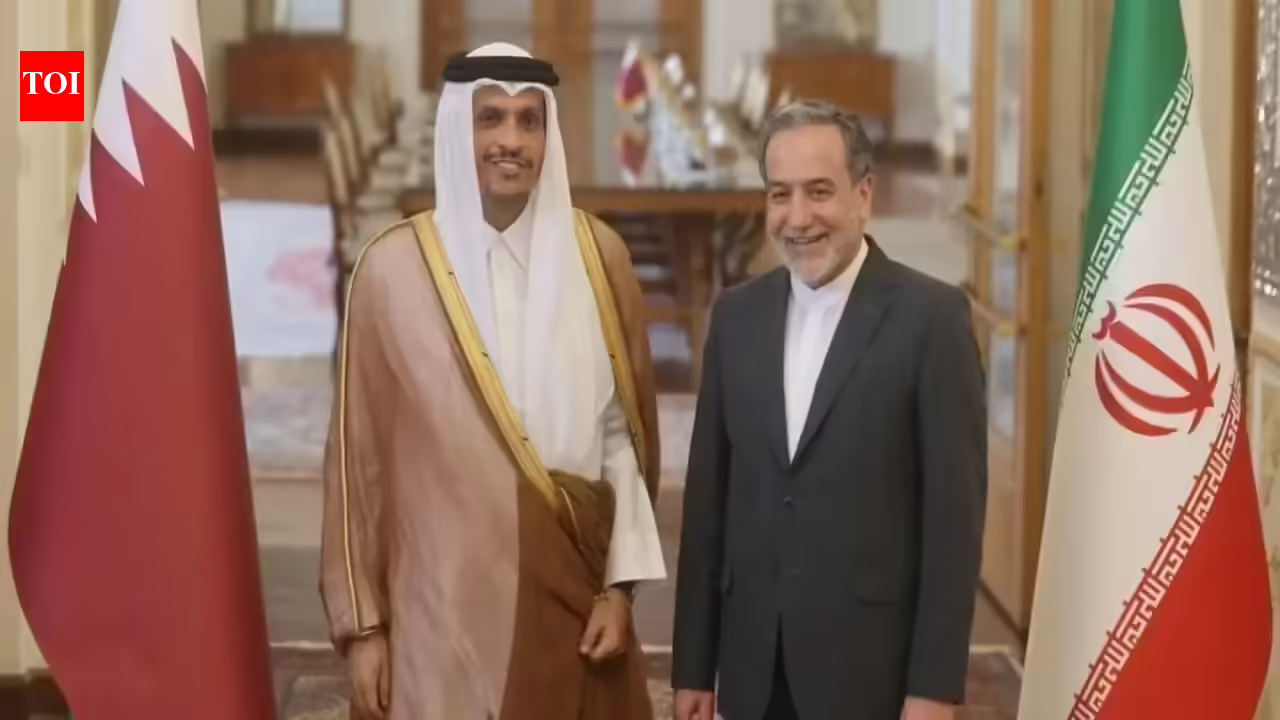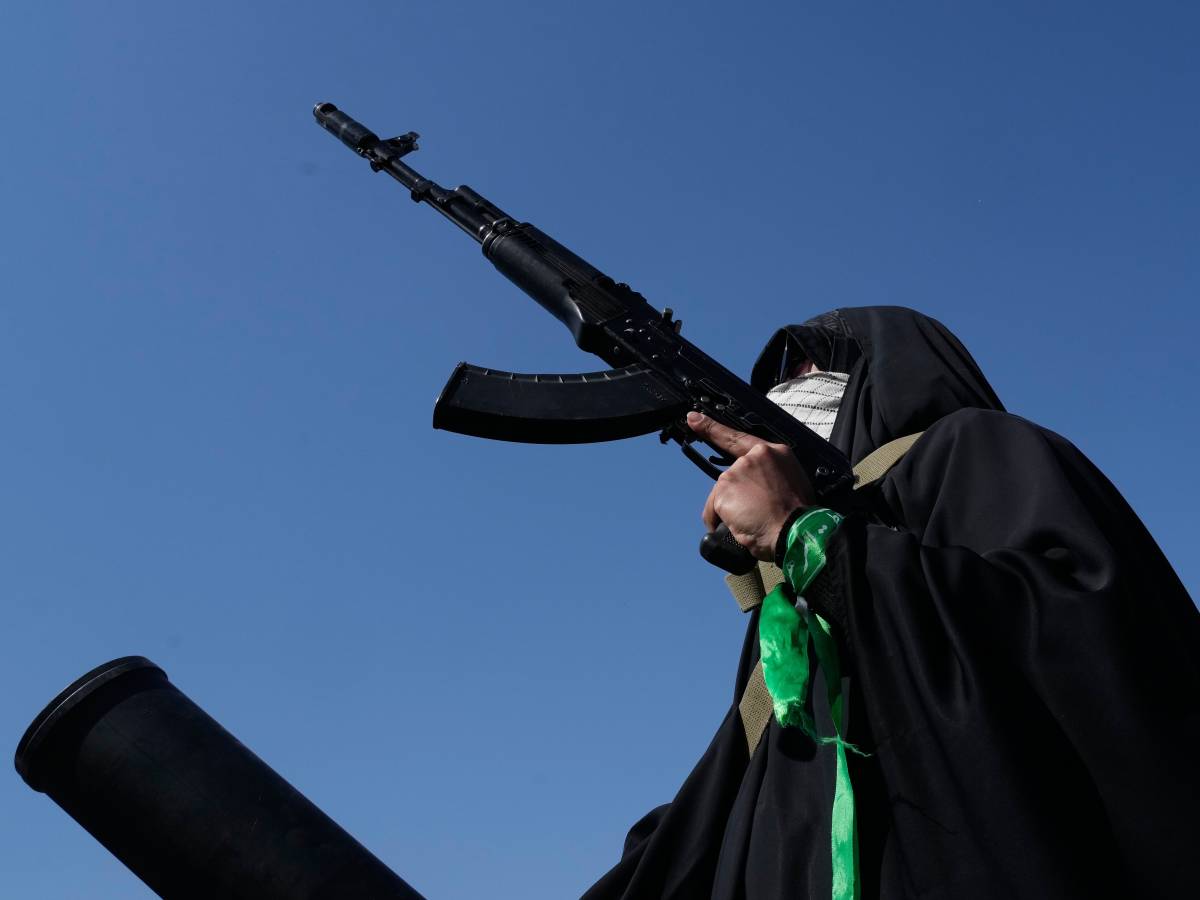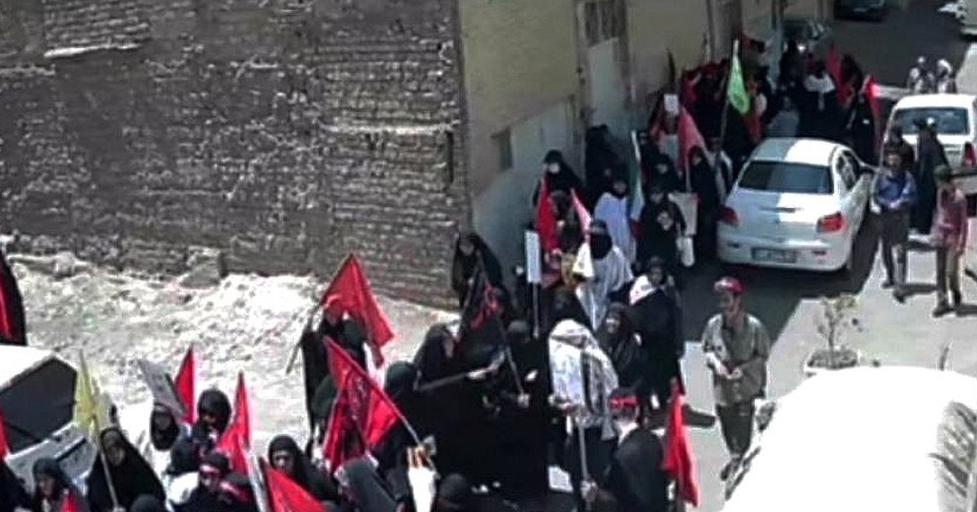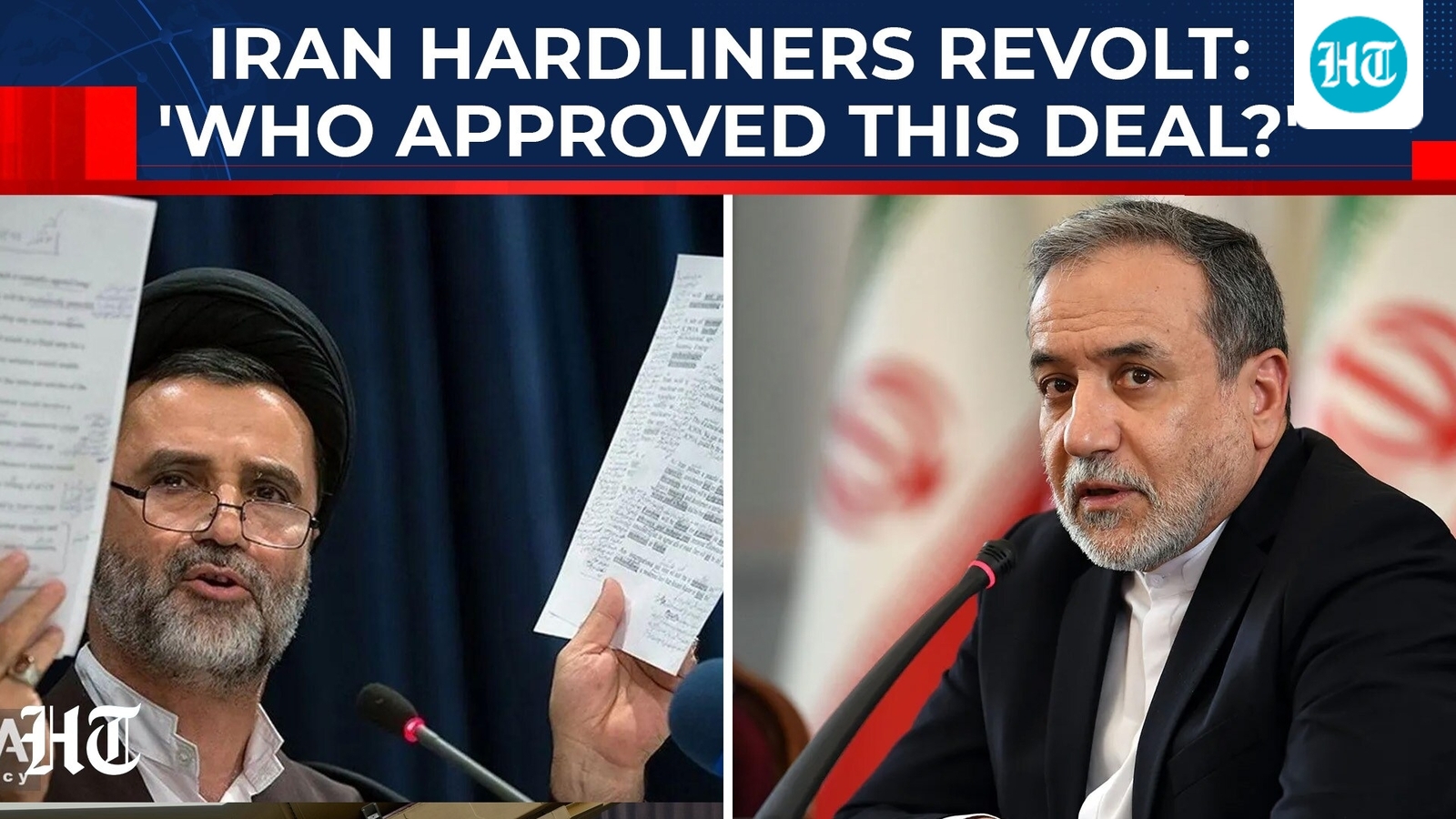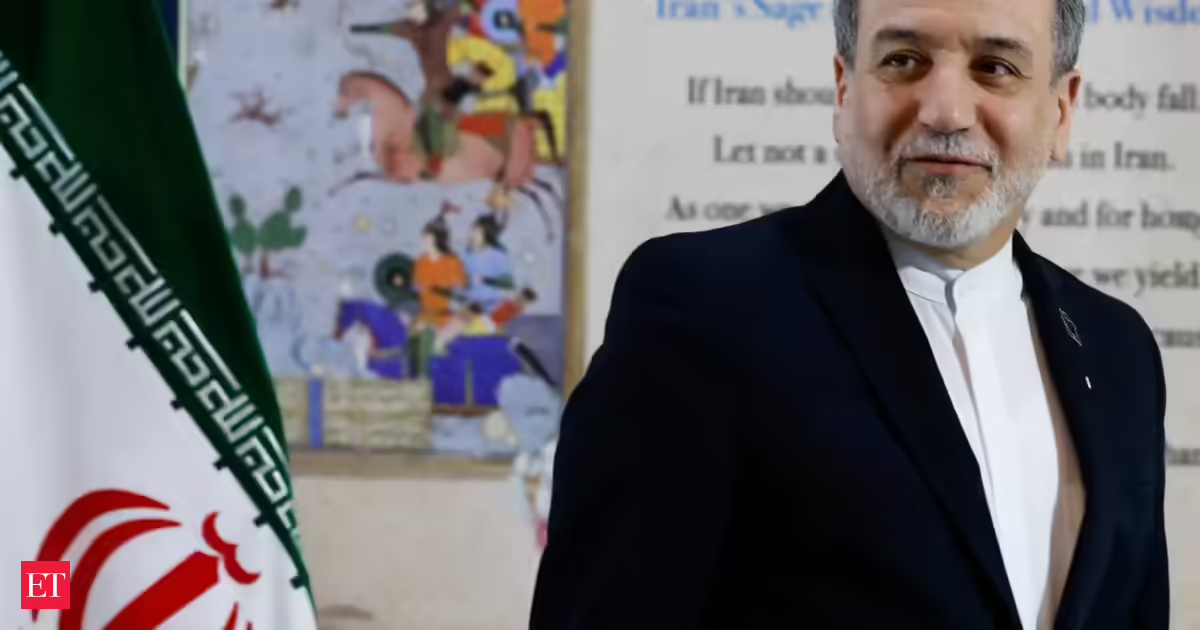
Paris: Dozens protested Saturday outside a foreign ministry office in Iran's northeastern city of Mashhad, chanting slogans against top diplomat Abbas Araghchi after a televised interview in which he discussed signing a peace deal with the US.In a video shared by Fars news agency, women in black chadors chanted "death to dishonourable Araghchi, the infiltrator" in front of the building, while waving red and black flags.The protest comes as the peace deal touted by US President Donald Trump and mediator Pakistan faces opposition from hardline Iranian figures.They argue that it does not serve Iran's interests and would deprive Tehran of leverage over the Strait of Hormuz. They also accuse Iranian negotiators of having made too many concessions to secure the deal.In an interview with state television Friday, Araghchi had said the deal on the table called for the lifting of the US naval blockade on Iranian ports, imposed in response to Iran's own blockade in the Strait of Hormuz."The administration of Strait of Hormuz will no longer be the same as before," he added, calling the waterway one of Iran's "main instruments of deterrence".Other videos on social media that AFP could not independently verify showed people in front of the foreign ministry building in Tehran chanting "Araghchi, resign" and "Ghalibaf, resign", in reference to parliament speaker and chief negotiator Mohammad Bagher Ghalibaf.Trump and Pakistan on Saturday said the deal to end the war could be signed as early as Sunday, though Tehran was more circumspect regarding the timing.
Protest erupts in Iran against Araghchi over prospective US peace deal
Protests have erupted in Iran following discussions of a peace deal with the United States. Demonstrators in Mashhad and Tehran are voicing strong opposition to top diplomat Abbas Araghchi and Parliament Speaker Mohammad Bagher Ghalibaf. Hardline figures argue the proposed agreement compromises Iran's interests and its leverage over the Strait of Hormuz.
TL;DRAI
Araghchi discussed a peace deal lifting the US naval blockade; hardliners protested loss of Strait of Hormuz leverage. De-escalation could reduce risk premiums on energy and logistics for enterprises managing Asia-Europe supply chains.
248 words~1 min read