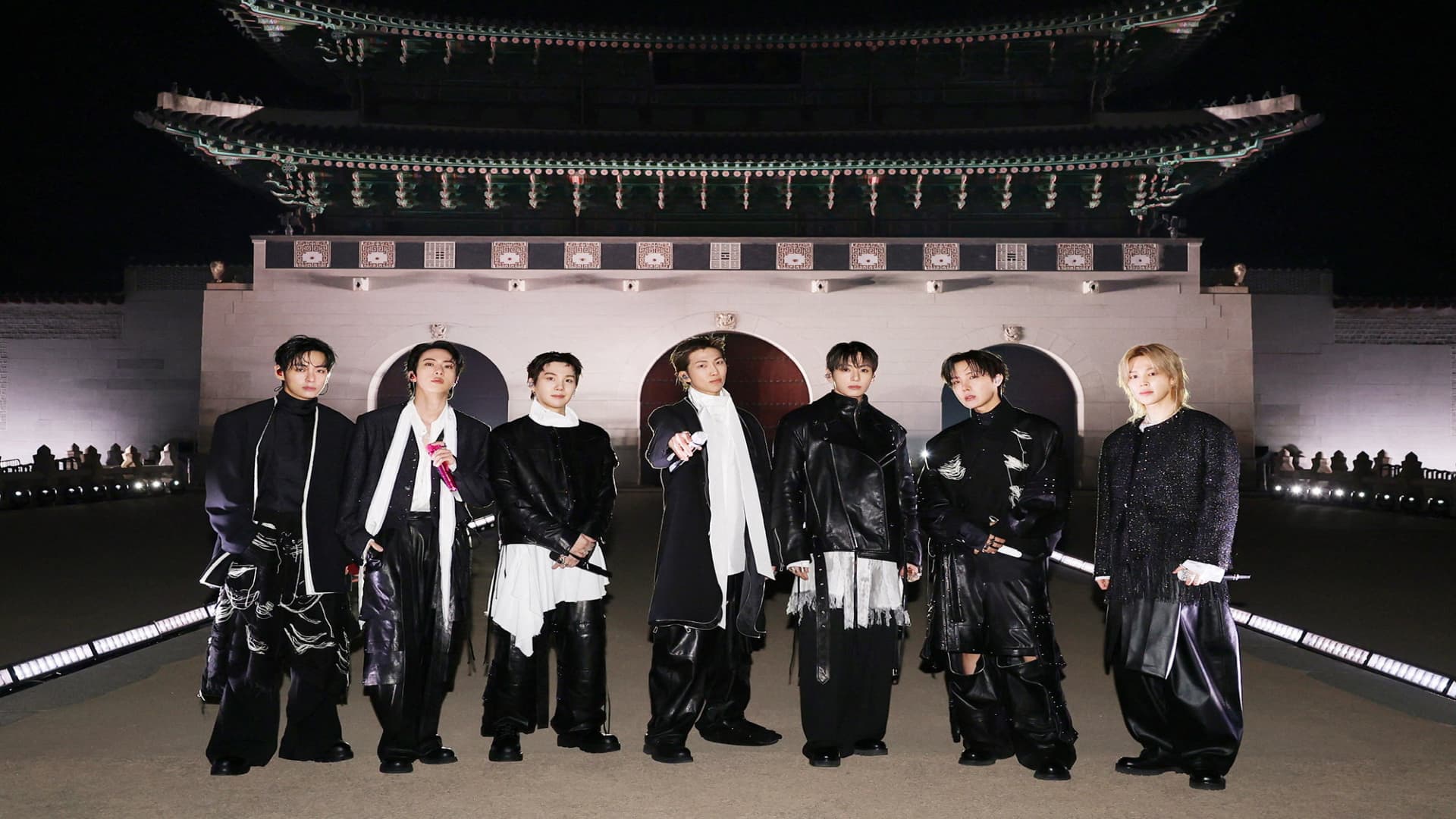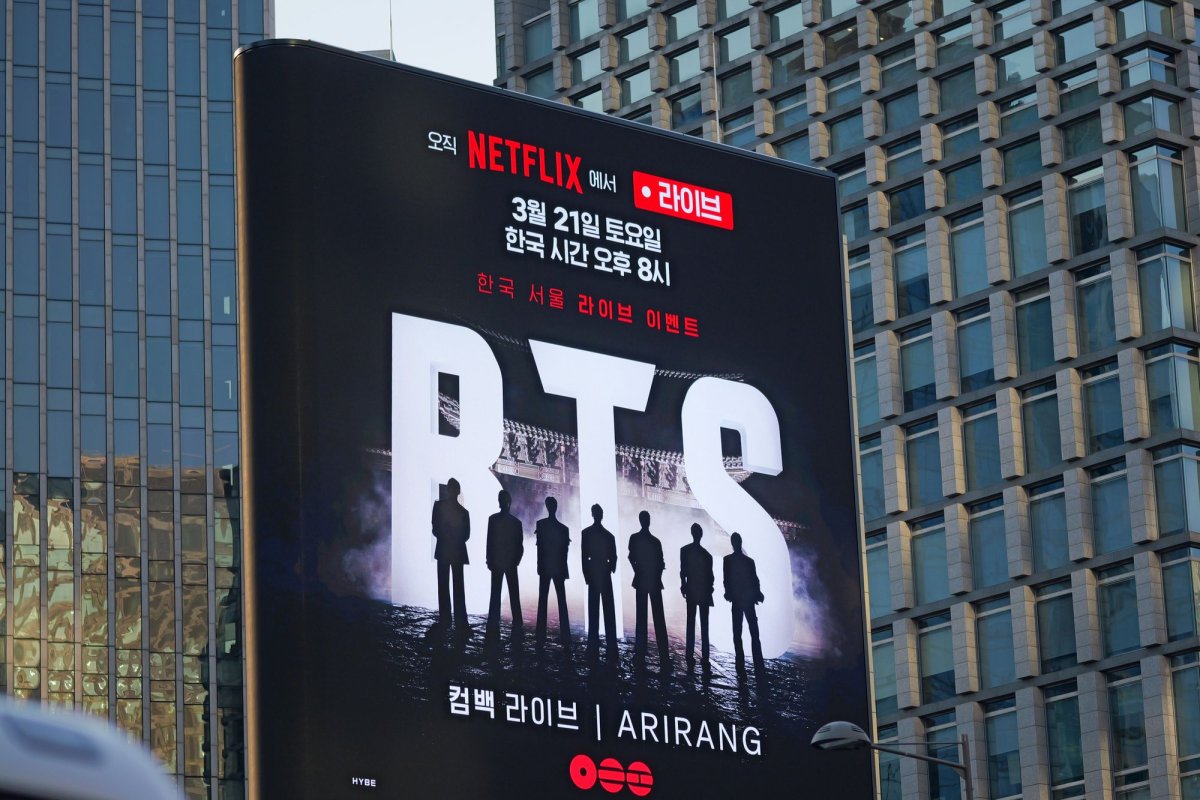
Following BTS’ return after their military service, the number of Duolingo users in the U.S. learning Korean rose by 22 percent compared to the previous year, according to The New York Times.
Well, Korea is usually described through its cultural exports: K-pop, TV dramas, cosmetics, brands and perhaps kimchi. It’s a handy formula, but it only explains the audience’s initial reaction. What’s far less obvious is this: very often, interest in Korean content doesn’t stop at the content itself.
It’s just the starting point. Because many people start with music or K-dramas and unexpectedly end up somewhere completely different. At first, it’s a single music video or an episode. Then comes the second episode, followed by a playlist, then short videos about life in Seoul. Next, videos about Korean universities, cities, customs and even everyday details like how people spend a typical day suddenly appear.
And at some point, it becomes a little awkward to admit: the interest is no longer in the content. The interest is in the country. This is precisely what makes the influence of Korean culture so peculiar.
Most countries export cultural products: films, music, brands. These may be popular and can even achieve cult status. But in most cases, interest in them remains confined to the product itself.