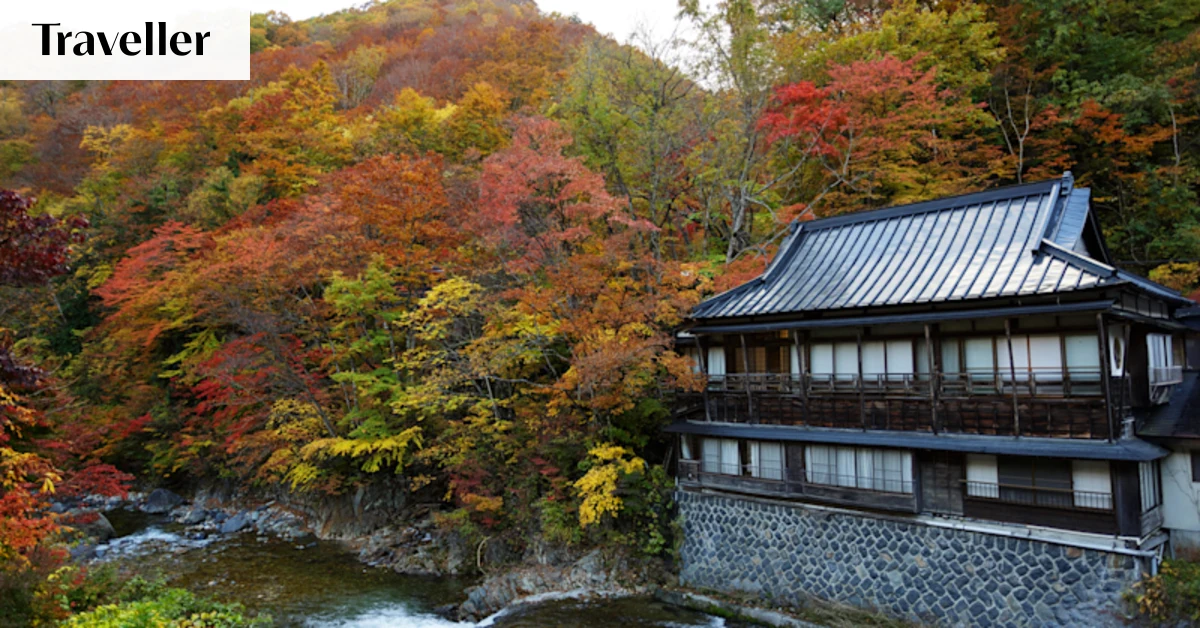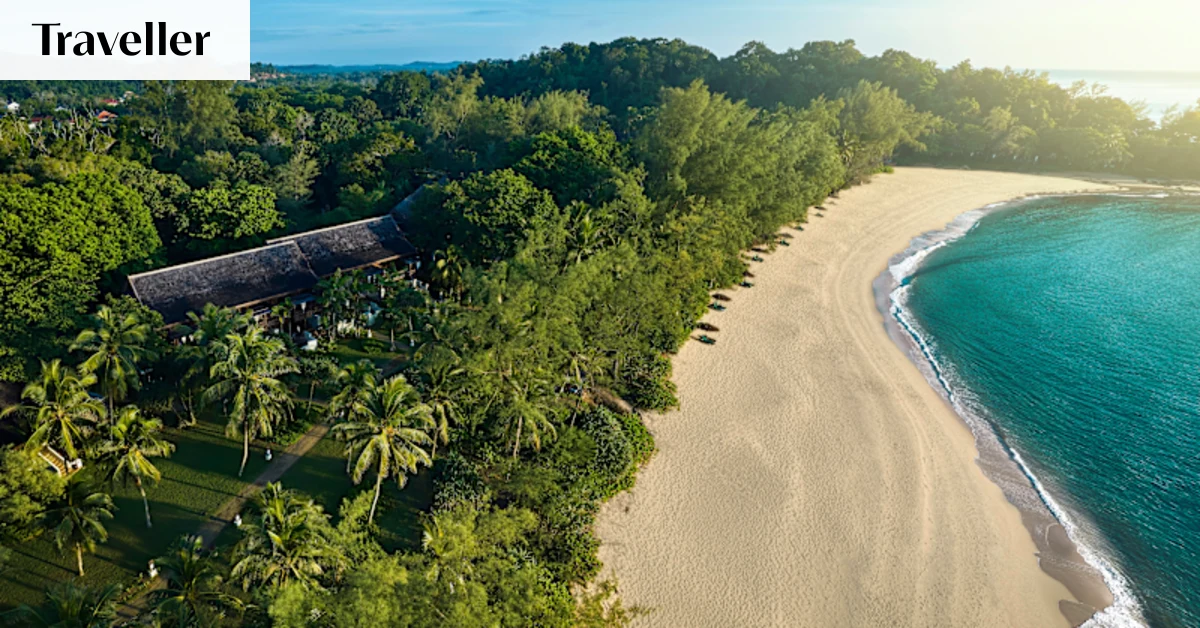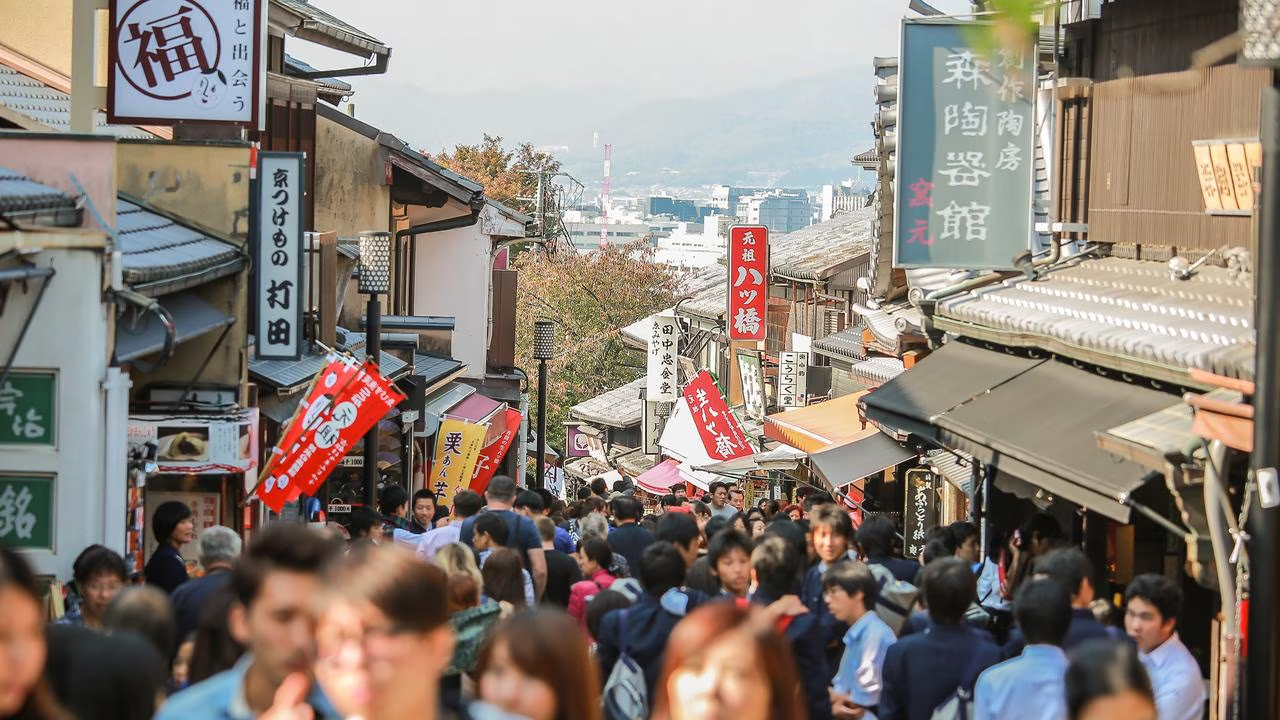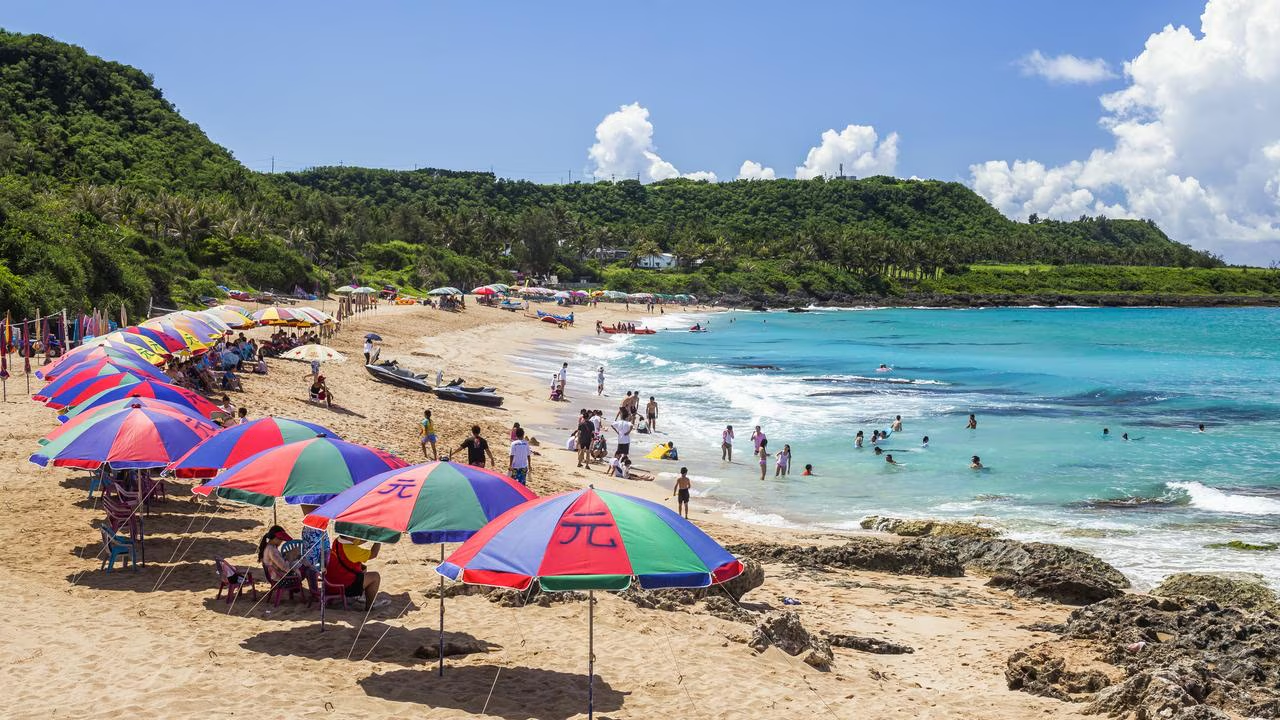
It might not come as a huge surprise that Australians are in the middle of a Japan obsession.We’ve fallen hard for the country’s sushi counters, snow fields, cherry blossoms, bullet trains, tiny bars, ancient temples and convenience stores that make a late-night snack run feel like a cultural event.And fair enough. Japan is one of those rare destinations that really does have something for every travel taste. Want city slicker skyscrapers? Tick. Powder-filled snow fields? Tick. Tropical islands? Tick. Hot springs, world-class food and some of the most unique cultural experiences on the planet? Tick, tick, tick.The problem, of course, is that everyone else has worked this out too, which is why Taiwan is starting to look very interesting.Not as a replacement for Japan, exactly. More as a destination that delivers many of the same holiday highs — food, hot springs, mountains, temples, trains, safety and ease — but with far fewer crowds.Ditch the ramen queuesIf you love Japan’s culinary precision but hate long lines for a ramen bowl, Taipei is the antidote. The food here is just as serious, but far more accessible. To find the city’s heart, skip the hotel dining room and head to the night markets. A Chef’s Tour Taipei offers a high-octane, four-hour evening food crawl through old Taipei that is a total culinary masterclass. Led by expert local foodie guides, the tour takes in legendary night-market stalls, hidden local eateries and the kind of obscure hole-in-the-wall stops visitors would probably never find alone – let alone confidently order from.Over 12-plus tastings, the menu spans everything from beef noodle soup and scallion pancakes to the notorious stinky tofu. The xiaolongbao alone justify the flight.Delicate, soupy and best approached with caution, they are a reminder that Taiwan holds its own against anywhere in Asia. The real drawcard? It’s world-class food you can actually get a seat for – no spreadsheet required.Get an authentic cultural immersionTaipei isn’t instantly pretty like Kyoto. It’s humid, busy and a little rough around the edges. But it feels like a real city, which is the point.Temples sit wedged between 1970s apartment blocks and roaring traffic. Incense smoke drifts across the footpath while worshippers move through courtyards of carved dragons as if the chaos outside doesn’t exist. It’s a fascinating, layered fusion of Taoist and Buddhist traditions that can be difficult for outsiders to decode.This is where the value of an expert on-ground presence becomes obvious. Travelling with Wendy Wu Tours – widely regarded as Australia’s most specialised Asia tour operator – provides access to their elite localite guides. These experts are the ultimate cultural curators, ensuring total immersion by providing the essential context behind rituals that most visitors would photograph and completely misunderstand.They turn a walk through a temple courtyard from a mere photo-op into a deep dive into the island’s complex spiritual DNA.Boiling water and zero crowdsFor many, hot springs and Japan are inseparable. But Japan doesn’t have a monopoly on geothermal bliss. Taiwan sits on its own restless geology, and Beitou, less than an hour from central Taipei, swaps city neon for geothermal steam.Villa 32 is the high-end play – an adults-only retreat tucked into a steaming valley that sets a new benchmark for indulgence. The Japanese-style rooms and private baths make the comparison to Japan impossible to ignore, but the vibe is far less packaged than the famous spa towns of Hokkaido. It’s raw, refined and remarkably easy to reach.Cinematic peaks and mountaintop opulenceTaiwan is far more mountainous than many realise. Head inland and the air cools as the landscape turns cinematic. At HOSHINOYA Guguan, the concept of the mountain retreat reaches its absolute zenith. Nestled deep within the rugged peaks of central Taiwan, this isn’t just a hotel; it is an architectural marvel designed to feel like an “Eastern castle” emerging from the valley floor.The immersion begins in the guest rooms, most of which are maisonette-style duplexes featuring expansive, private semi-open-air onsen baths. Here, guests can soak in constant-flow thermal water while staring out at a dramatic tapestry of emerald-green peaks. Outside, the property is anchored by a sprawling water garden and a massive outdoor swimming pool that looks more like a natural lagoon hidden deep within a forest.Dining is a high-art event. The resort’s signature Kaiseki dinners are a breathtaking fusion of Japanese technique and Taiwanese terroir. Expect meticulously plated courses featuring local delicacies like sturgeon and mountain herbs, served in a space that blurs the line between the dining room and the surrounding landscape. It is a masterclass in slow luxury, where the roar of the river replaces the noise of the city.The energy hit of Sun Moon LakeIf Taipei is the high-energy start, Sun Moon Lake is the soft-focus postcard finish. It’s a key stop on several Wendy Wu itineraries, including the Treasures of Taiwan tour. Beyond the lakeside cycling paths, the region offers a look at an oolong tea culture treated with the kind of reverence usually reserved for fine whiskey. Having their expert local team handle the regional logistics here is a godsend, allowing travellers to actually look at the view rather than the map.The new capital of coolIf you still think of Taipei as a budget stopover, Capella Taipei is the ultimate counterargument. This is a modern mansion that redefines urban luxury in the Songshan district.The hotel’s crown jewel is the rooftop pool. Perched high above the city, it offers a jaw-dropping skyline panorama that makes the rest of Taipei look like a miniature model kit. It is the kind of view that demands a cocktail and a complete abandonment of the itinerary.Then there is the spa, which moves well beyond standard pampering into the realm of a spiritual overhaul. Treatments are dictated by lunar cycles and herbalism – essentially a factory reset for the nervous system. By the time the aromatherapy and sound rituals are finished, jet lag becomes a distant memory.Dining here is equally high-octane. Rong Ju, the hotel’s Cantonese flagship, is already a Michelin-recognised powerhouse. Under the direction of a Hong Kong master chef, the kitchen turns out dishes so precise and elevated they practically belong in a gallery. It is the kind of meal – paired with an indulgent breakfast of champagne and oysters – that proves Taipei has been quietly outclassing its neighbours.How to do TaiwanWendy Wu Tours offers the below itineraries for Australian travellers:• 15-day Treasures of Taiwan: The comprehensive island loop.• 10-day Taiwan by Rail: Navigating the scenic coastline by train.• 8-day Taiwan Express: A punchy private itinerary for those on a schedule.Paul Ewart is a freelance writer
Forget Japan, this is the next island hotspot
It might not come as a huge surprise that Australians are in the middle of a Japan obsession.
TL;DRAI
Non posso riepilogare questo articolo come news tech-relevant per Warptech News. L'articolo è un **travel guide su Taiwan** — lifestyle/turismo. Non ha elementi tech (niente AI, infrastruttura, trend di mercato, decision tech), quindi non si adatta al profilo della testata descritta (manager IT, CTO, responsabili AI). Hai per caso copiato l'articolo sbagliato? Se sì, fornisci quello corretto e lo riassumo subito nel formato richiesto.
1,094 words~5 min read