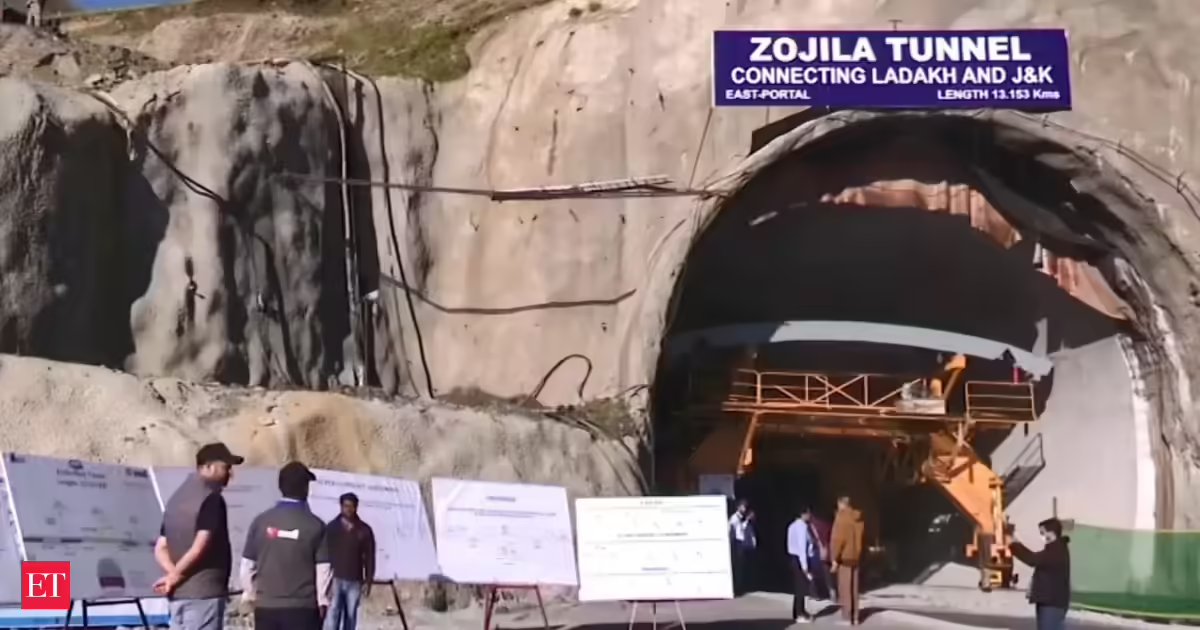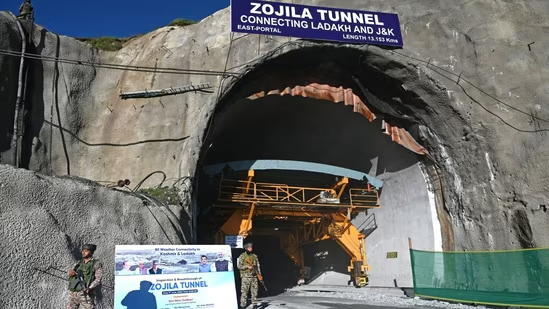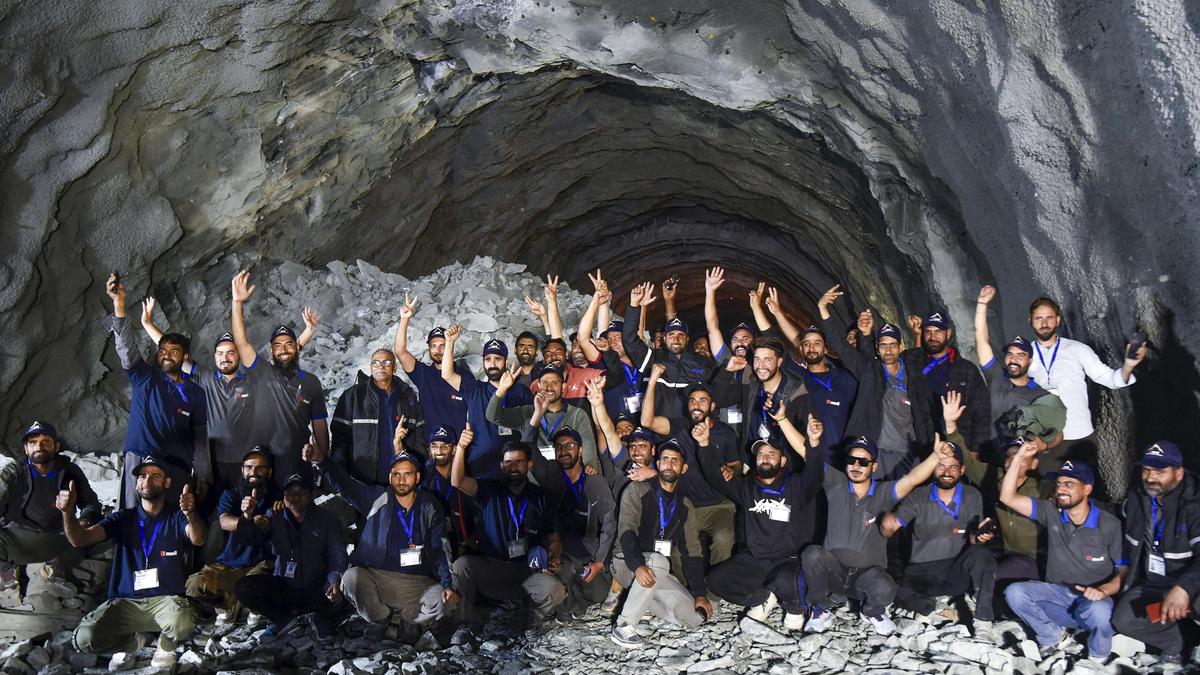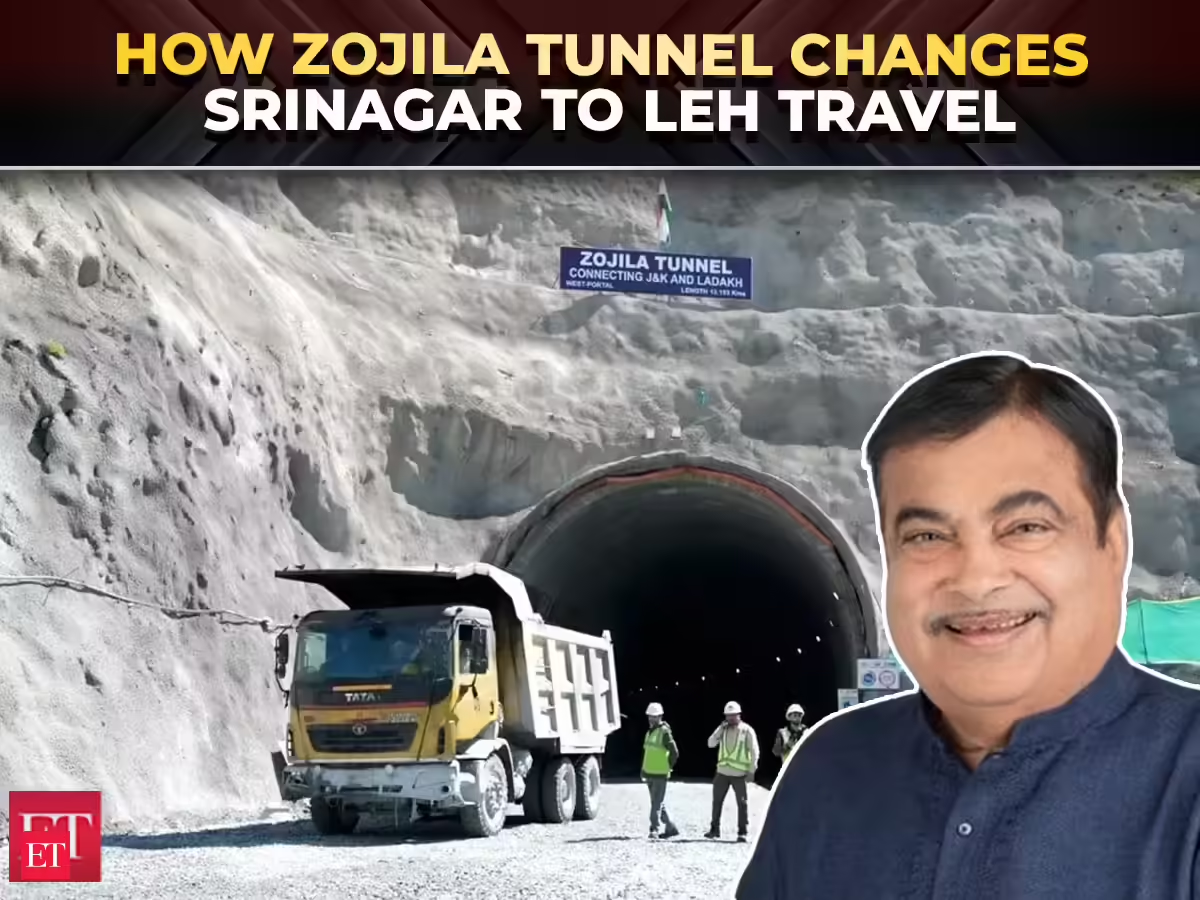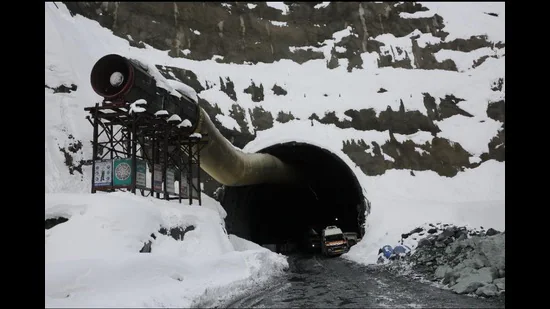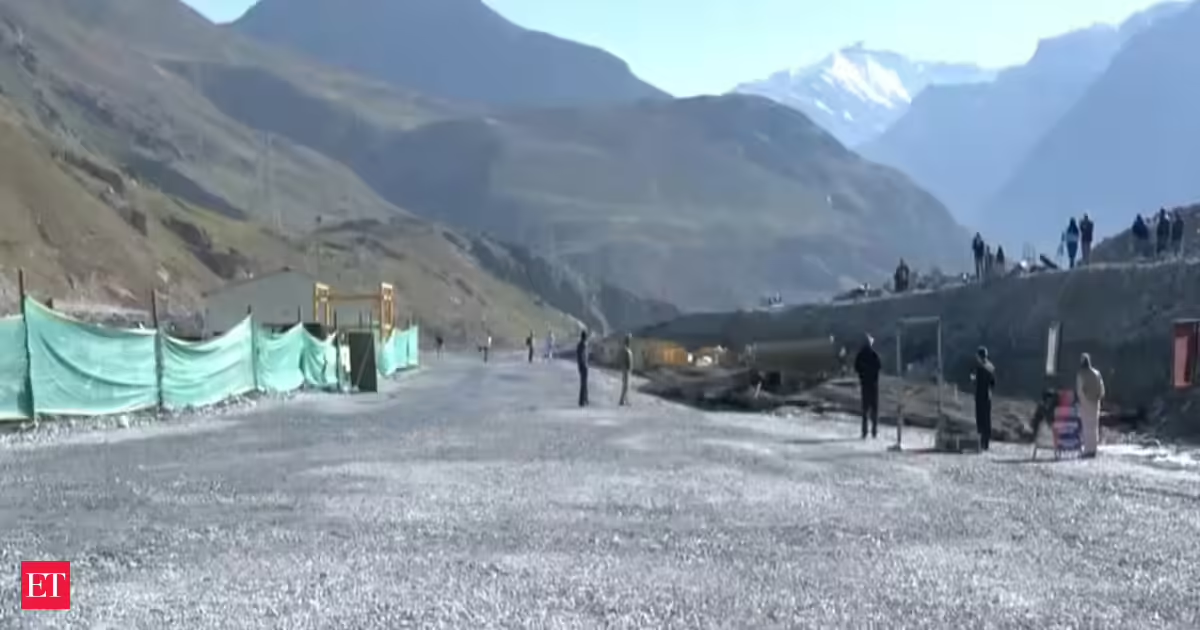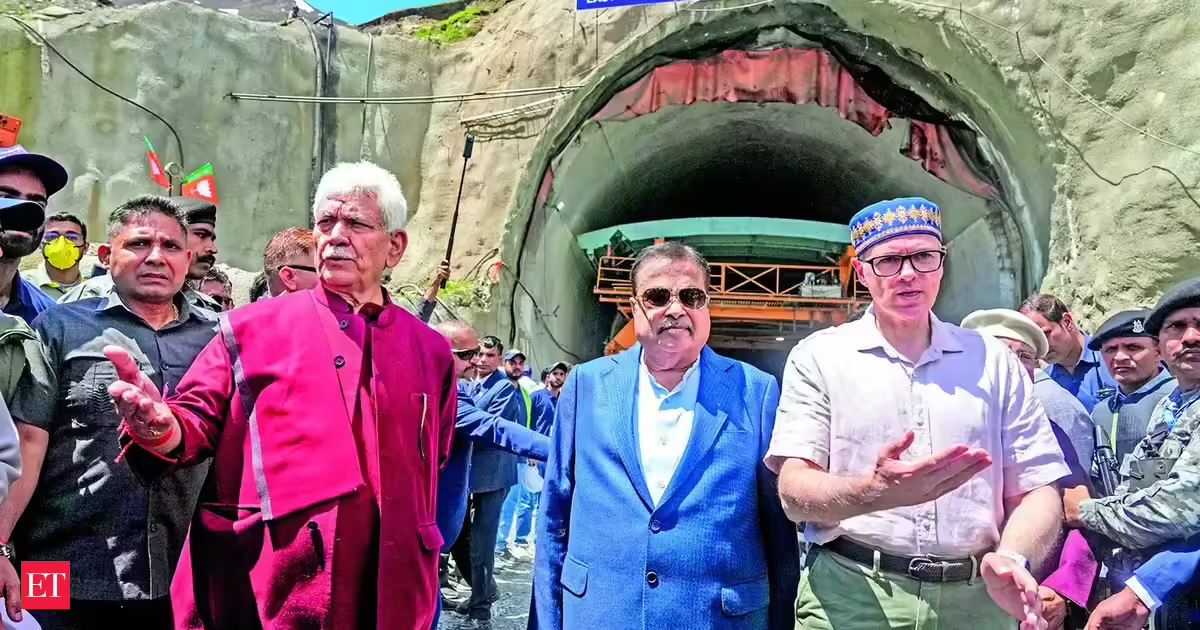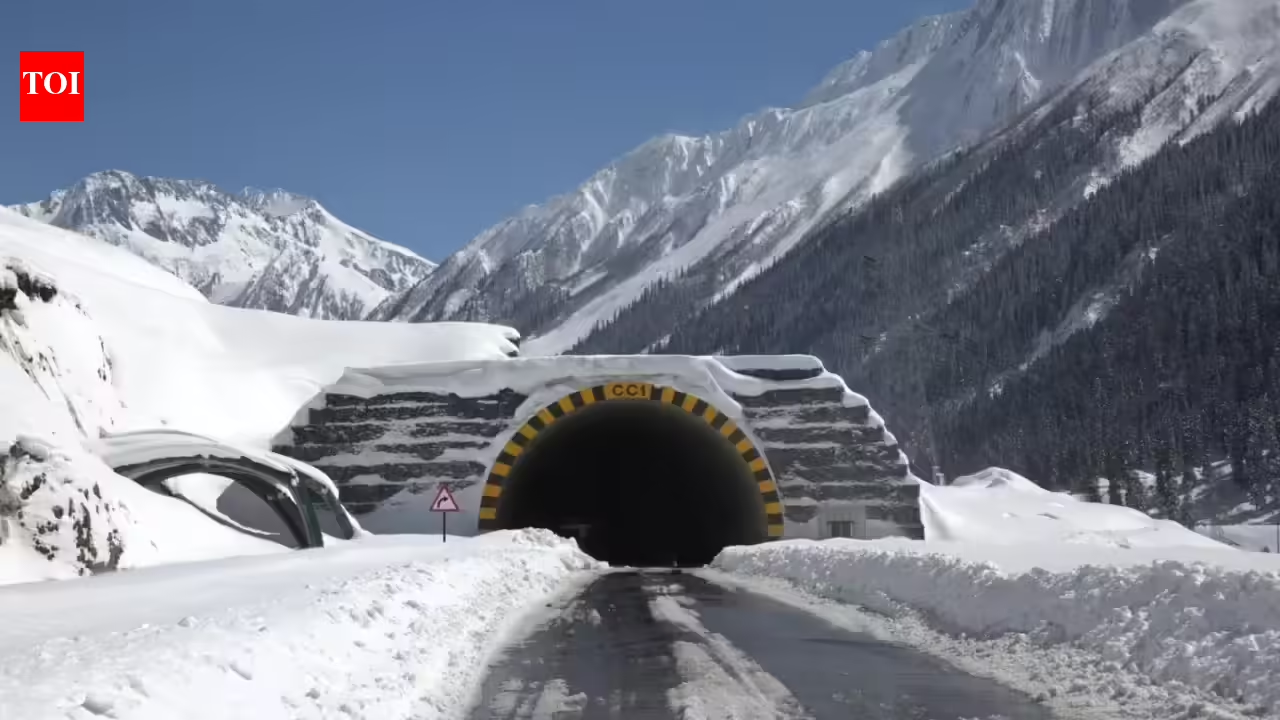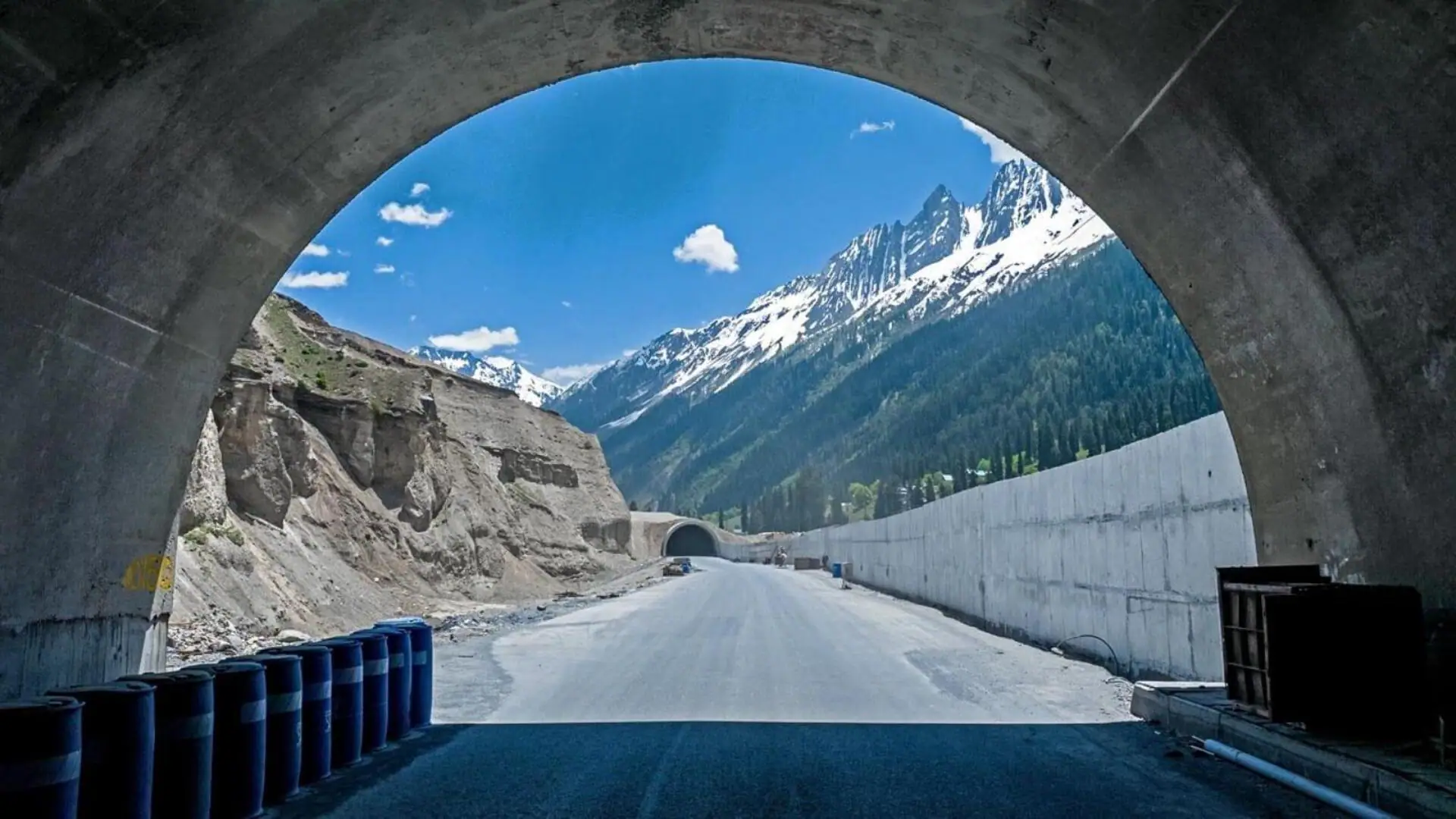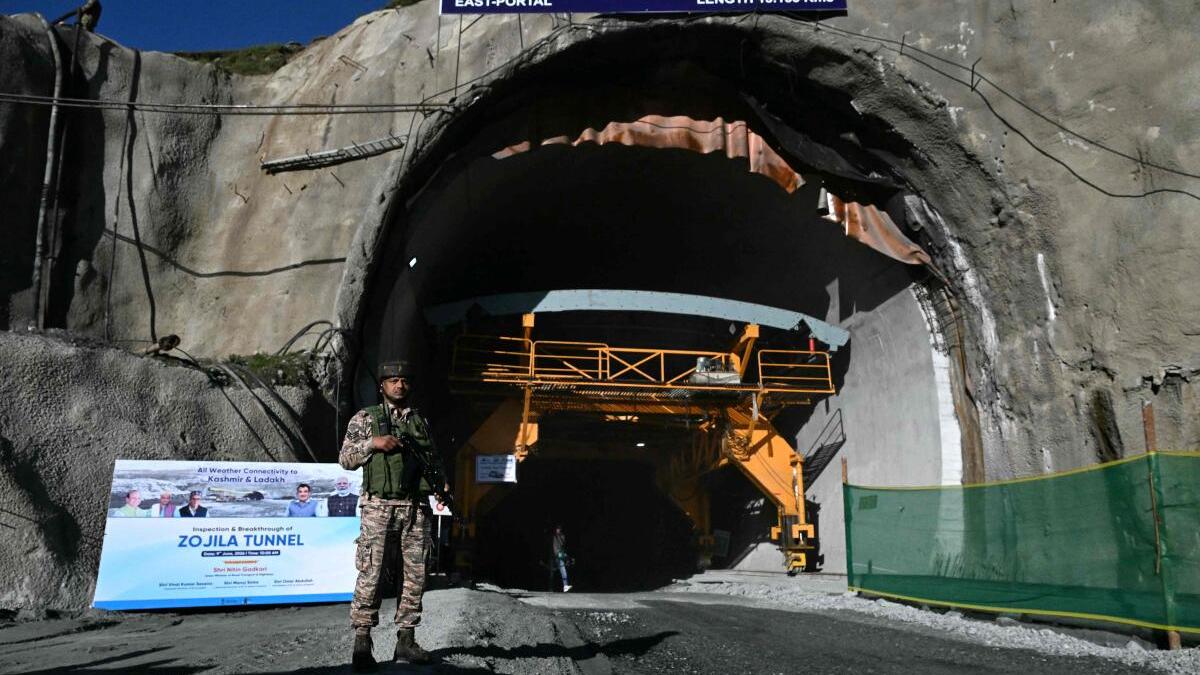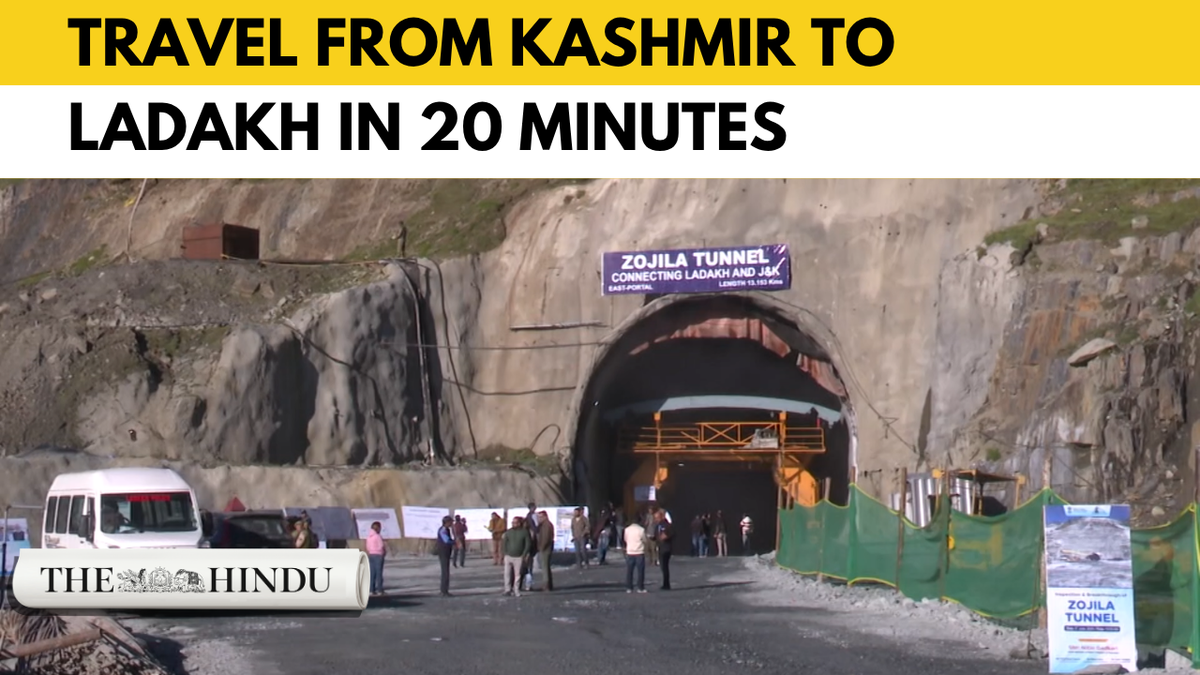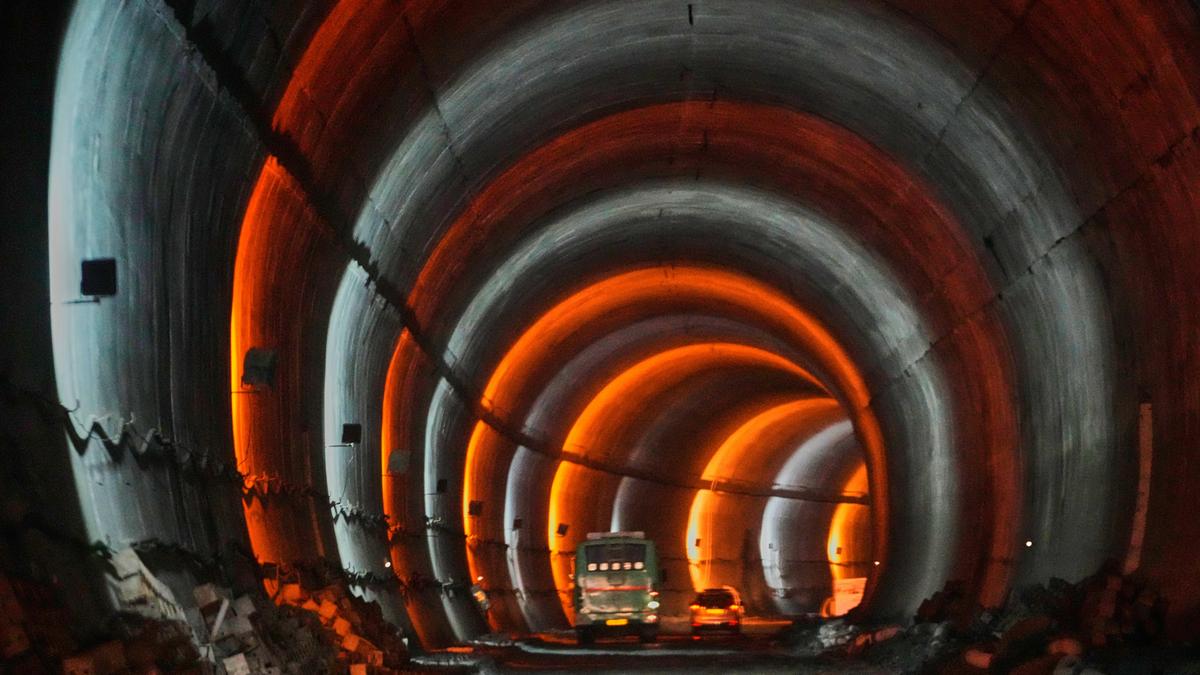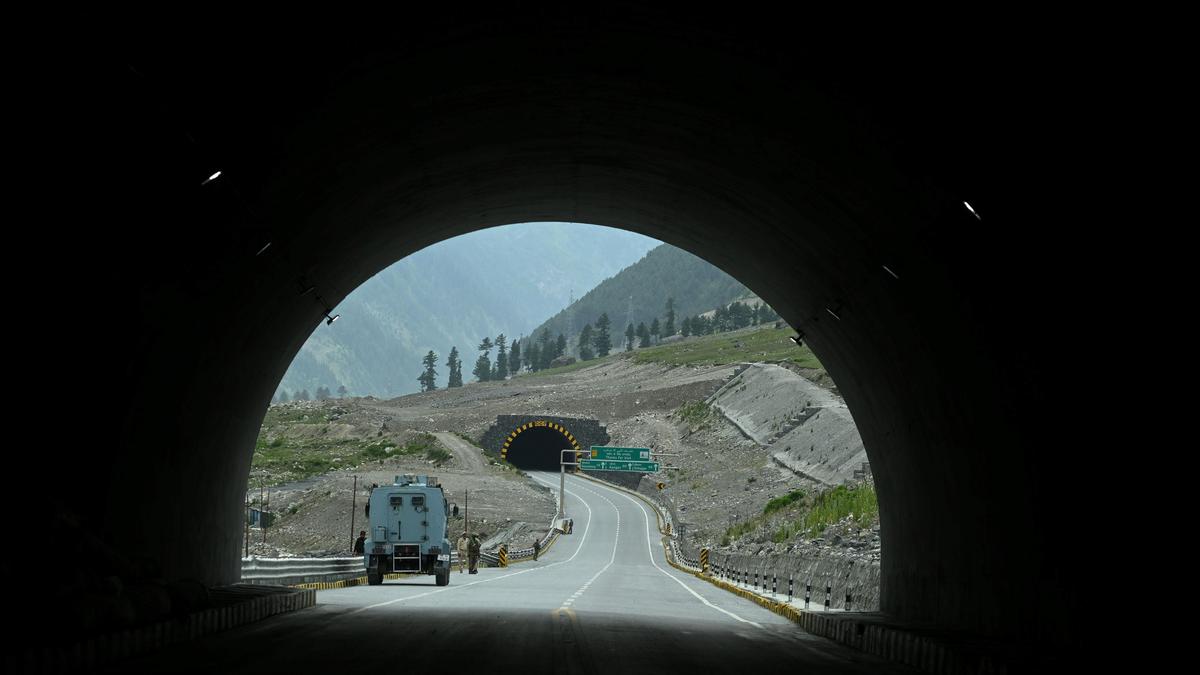
On June 9, when the 13.14-kilometre-long Zojila Tunnel witnessed a construction breakthrough, Muhammad Shafi Sagar, 50, and Ashiq Wazir, 30, unknown to each other, experienced both relief and sadness. Relief that they and their friends will, in a couple of years, be able to travel between Ladakh’s Drass district and the Kashmir Valley relatively free of the fear of dangerous terrain. Sadness, because they had both lost loved ones in the treacherous Zojila Pass.The Zojila Tunnel by-passes the pass that runs across 30 km, cutting through the vertical, craggy Himalayan range in Drass. In the district’s Pandrass village, the mountains are parallel walls; there are no trees in sight at this altitude of 10,800 feet. In winter, the temperature drops to less than -25 degrees Celsius. In summer, the peaks are still surrounded by snow, but the melting glaciers relent. They spring out waterfalls from elevated mountain sides, adding to the roar of the Drass river below.Shepherds from the plains converge on the high-altitude meadows dotted with wild grass and fresh-water bodies. The children are out in Pandrass High School, the sun shining brightly over them and their L-shaped, single-storey campus, but piercing gusts still make wearing a wind-blocker necessary. The night temperature continues to dropbelow freezing point, even in June.It is in these conditions that 1,200 people, working from a camp site, have been building the Zojila Tunnel, which will connect Baltal in Kashmir’s Ganderbal district and Minamarg in Ladakh’s Drass, on National Highway-1. In the past, the pass was rife with tragedy.“Shooting stones, snow slides, sudden temperature dips, and avalanches have killed travellers on the Zojila Pass for centuries. Kargil (in Ladakh) is full of stories of loss and disappearances,” says Sagar, a teacher at the Pandrass High School, who is also an author of a book on the culture of the Shina tribe in Ladakh.
In Zojila, light at the end of tunnel
Discover the transformative impact of the Zojila Tunnel, enhancing connectivity, safety, and economic prospects in the region.
TL;DRAI
Zojila Tunnel, 13.14 km, broke through June 9 at ₹6.8 billion cost; opens 2028. Eliminates a treacherous pass (7 killed March 2026); reduces hospital distance from 279 km to 141 km.
1,942 words~9 min read