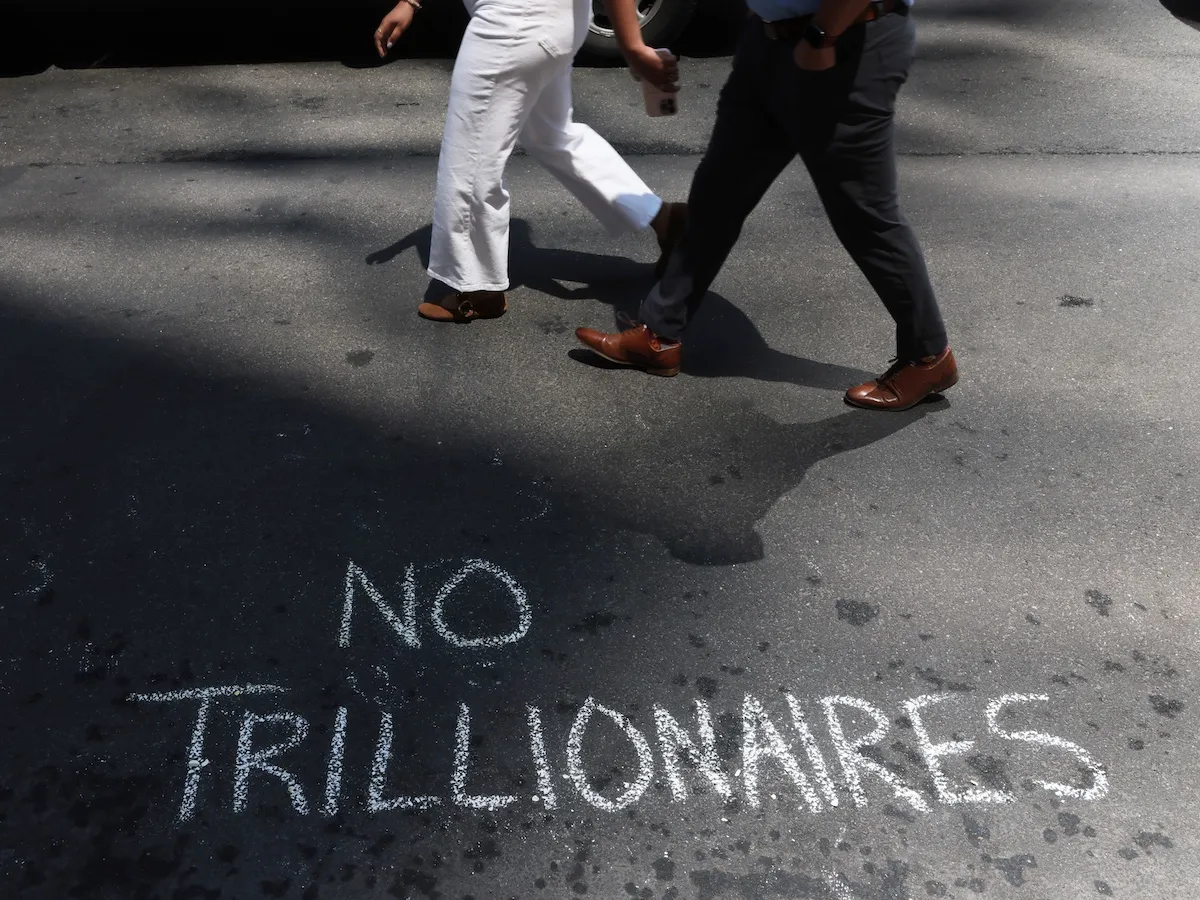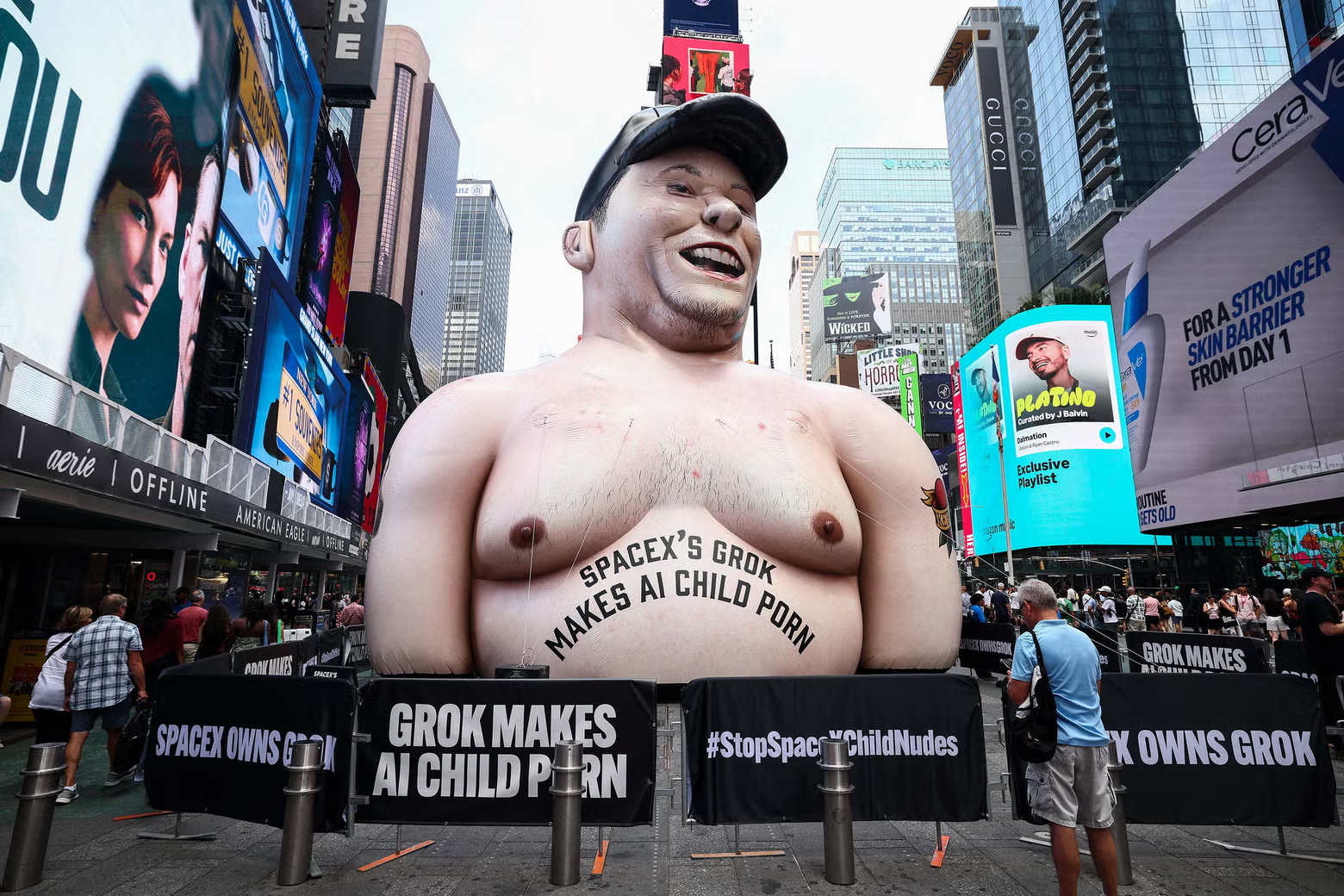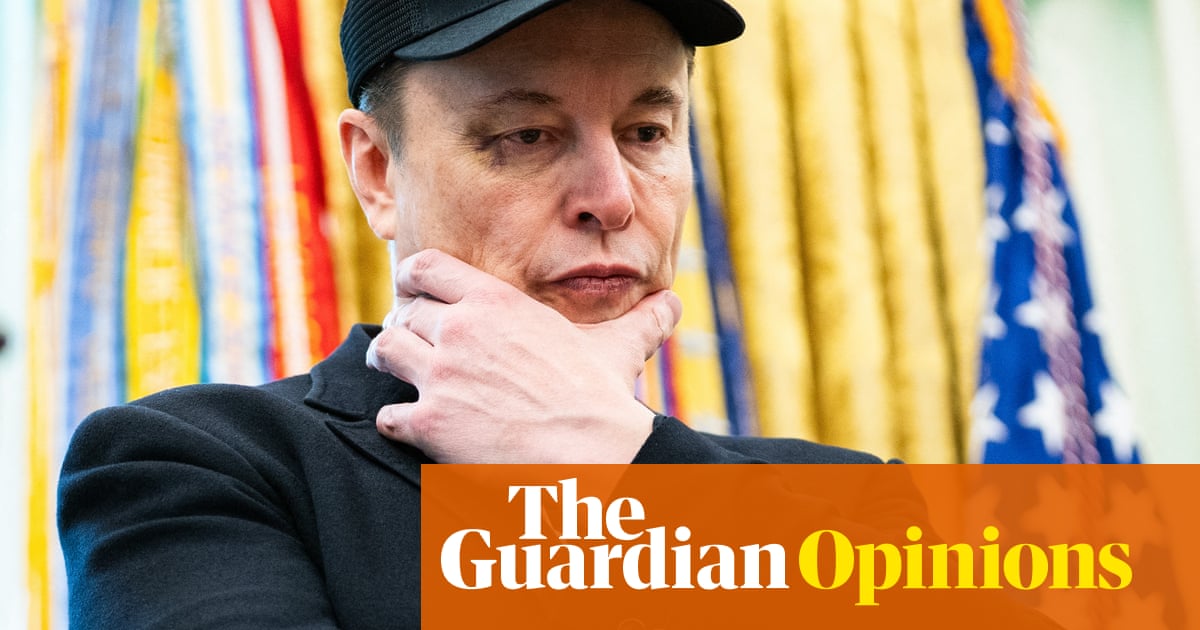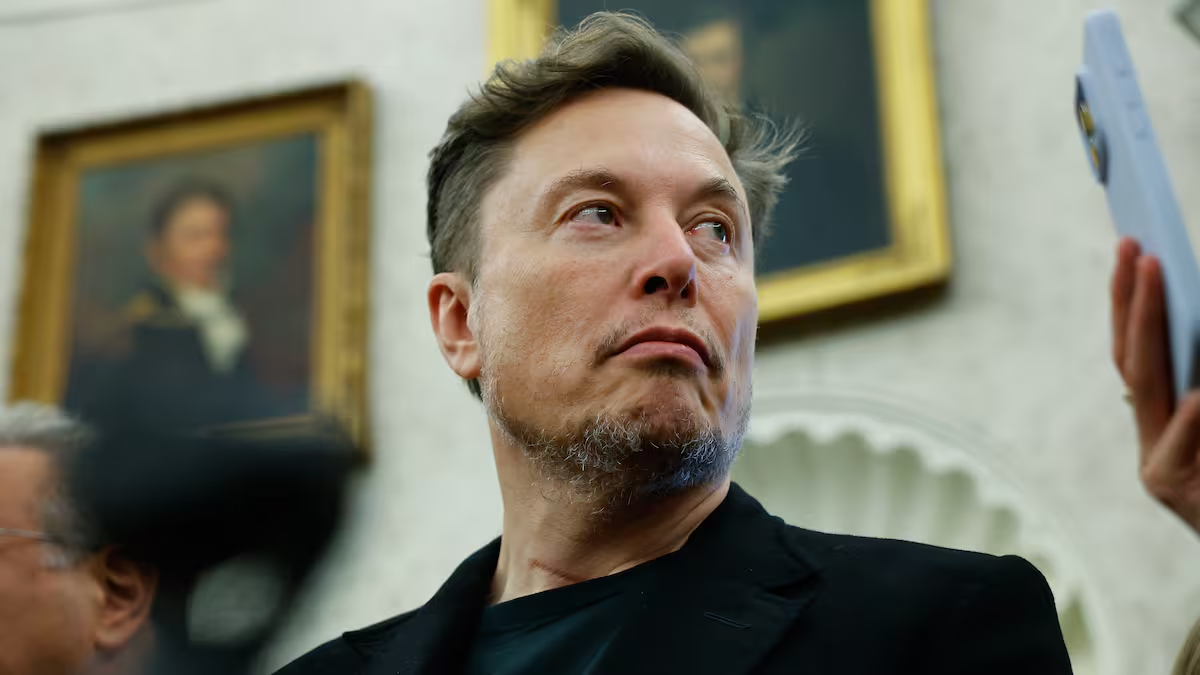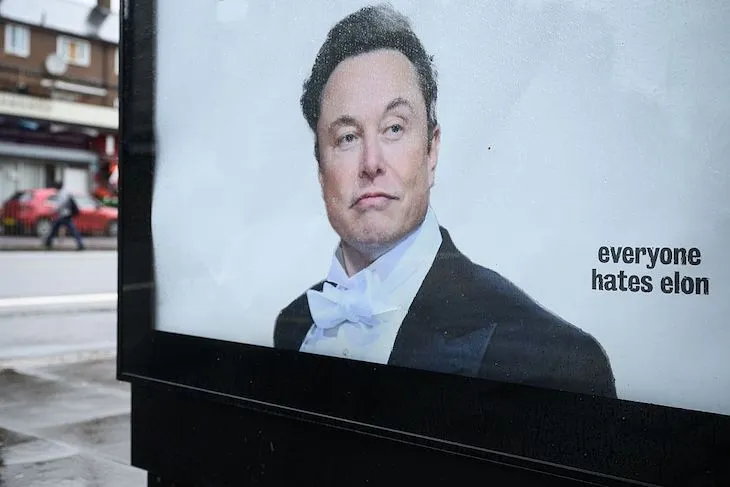
The quiet kid from my friend’s school has become a trillionaire, and many people are unhappy that this should be so.
Musk’s success narrows our lives only when we let it make us prisoners of our own resentment
Being a boy in a white South African classroom isn’t easy if you’re not outgoing and sporty. The culture that grew in the shadow of the Boers is not forgiving of eccentricity or admiring of unvarnished intellect. Elon Musk appears to have suffered childhood misery that a trillion-dollar fortune can’t buy back. What money buys, for him as for the rest of us, is freedom – and he has more of it than anyone alive.
“I call people rich,” Henry James had one of his characters say, “when they’re able to meet the requirements of their imagination.” My ageing Skoda meets mine when it comes to transport. Musk wants to die on Mars (“just not on impact”) which calls for more. Whether a trillion dollars will be enough is unclear, but it’s not a bad start.
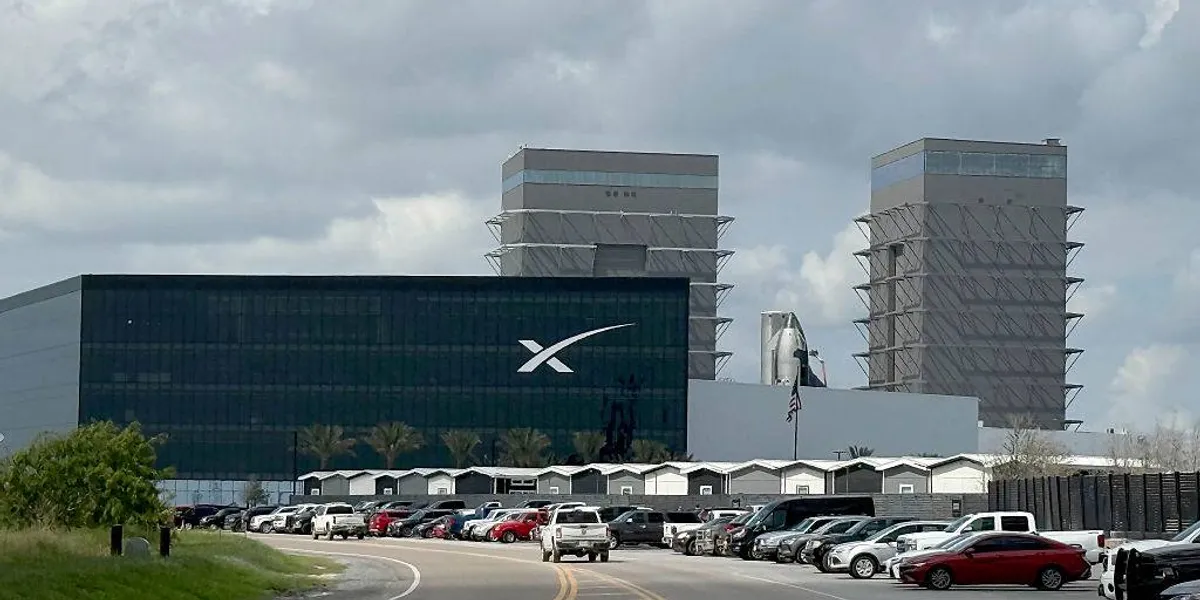
Not that it was the start. The $22 million he took out of Zip2 in 1999 funded X.com, which merged into what became PayPal; eBay’s purchase three years later handed him some $180 million. He used that to take control of the fledgling Tesla and to found SpaceX, where he owns most of the voting shares, and some forty percent of the equity. “The delusion is thinking that SpaceX is going to lead the space frontier,” said Neil deGrasse Tyson, the American astrophysicist. He said there would be no financial return for getting there first. By the close of its first day trading on Friday, SpaceX’s market cap was $2.1 trillion.