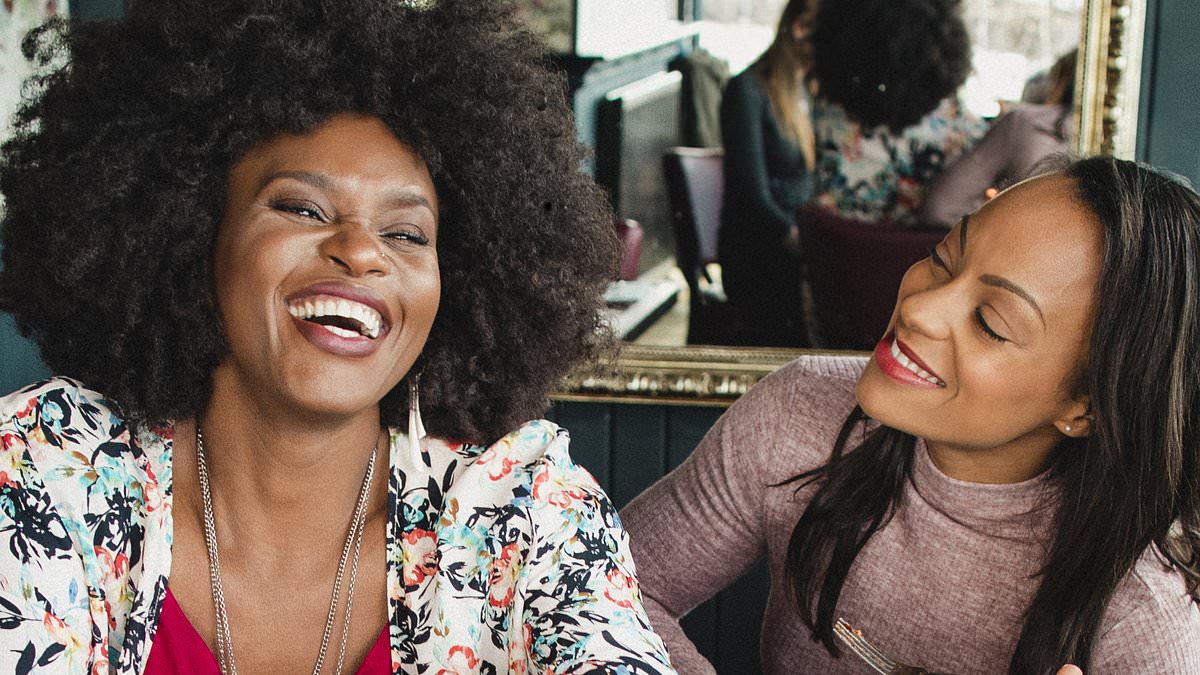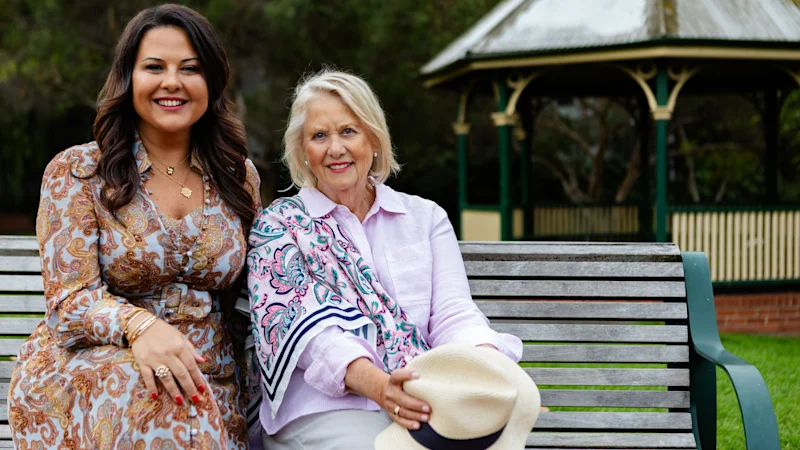
June 14, 2026 — 5:00amElizabeth “Liz” Nickolls remembers the first time she met her friend, Lauren Cassimatis. “She strode through the office in stilettos, apparently so sure of herself, until she was ordered to remove the power shoes because they were damaging the floor,” she recalls.Nickolls, now 75, adds: “There was very little formal introduction, but we recognised something we had in common – it wasn’t stilettos! – but it was a type of courage, heads held high, no matter what.”In 2004, Cassimatis, who was 24 back then (a Gen X cusp Millennial), was working as an article clerk when she met Nickolls, a criminal defence lawyer with her own firm and who was a 54-year-old Baby Boomer at the time. Despite a 30-year age gap and being at completely different life stages, their connection was immediate.Lauren Cassimatis (left) and Liz Nickolls: “We have a bit of a psychic connection.” Georgia Gouvalari“It was like love at first sight,” Cassimatis, now 45, says. “We had a similar energy and chemistry as women. She was compassionate, ambitious, very intelligent and very fashionable.”Nickolls became Cassimatis’s unofficial mentor, guiding her not just in criminal law but in how to survive and thrive as a woman in a male-dominated field.With nearly three decades more life and career experience, Nickolls offered a perspective Cassimatis didn’t yet have, warning her about the glass ceiling, the barriers women faced, and the reality of sexual harassment in the profession.“I scoffed at that, thinking, this is so old-fashioned,” Cassimatis explains. “It’s 2004, and women are rising through the ranks in law. That’s not how men see women in the law.“But throughout my career, I have certainly encountered exactly what she said.”The relationship between the two quickly developed into more than a work friendship, with (then) both single women swapping dating stories and finding they shared many of the same values.“We both love fashion, spirituality, animals and the law,” says Cassimatis. “I looked up to her, and despite the age gap, could and still do relate to her.”For Nickolls, the age gap simply wasn’t important. “There was hardly a thought about the age difference,” she says. “We would swap stories, good and shocking, about our experiences in our work and social lives.”Fast-forward 22 years to today, and both women’s lives are (still) vastly different: Cassimatis has opened her own law firm and has children, while Nickolls has retired and moved to a farm near Wangaratta with her husband, John.Despite this, Cassimatis says it’s “the closest we have ever been”. She adds: “We stay in touch by phone, calling each other to check in on how we are both doing. We also have a bit of a psychic connection; we often know if something has happened to one of us and instinctively pick up the phone to check in.”Nickolls agrees. “We are still just as close, just geographically separate,” she says. “I was really happy when she and the family came up to stay with us. The kids loved the chickens and her then four-year-old named two of them for me, and he insisted one should be named John.”Like Nickolls and Cassimatis, many Australians have a “work bestie”, a “work wife” or “work husband”, a colleague who makes a job more enjoyable and connects with you on a deeper level.It’s also not uncommon for these friendships to occur between individuals from different generations, says Emeritus Professor Anneke Fitzgerald, founder and chair of the Australian Institute for Intergenerational Practice. “They tend to emerge where shared purpose, repeated contact and psychological safety intersect, including in workplaces that have multigenerational teams,” she says.While intergenerational friendships may be defined by age difference, Fitzgerald says that, as in Cassimatis and Nickolls’ case, it isn’t what’s at the heart of the relationship. “It’s not ‘mentoring’ or ‘helping the elderly/young’; it’s friendship first, age second,” she explains. “It’s a voluntary, ongoing relationship between people from different age groups that is based on mutual respect, reciprocity and emotional connection, benefiting both age groups equally.”For younger people, these benefits can include access to networks, wisdom and perspective, the expansion and maintenance of social capital, and the building of skills and confidence. “Older adults often provide calm, reassurance, and long-view thinking for younger age groups,” Fitzgerald says.For older people, a friend from a younger generation can help reduce loneliness and isolation, provide a sense of purpose and relaxation, and be cognitively and emotionally stimulating.There is also a plethora of shared benefits and unique characteristics that make intergenerational friendships cherished and valued by those who have them, says Fitzgerald. “These friendships can create a sense of belonging across generations, challenge stereotypes such as ageism and youngism, improve community cohesion and strengthen wellbeing and life satisfaction,” she explains.For Gen X woman Vikki Maver, 52 and Millennial Veronica Rustica, 39, who met in 2022 when Maver slid into Rustica’s LinkedIn DMs and later offered her a copywriting role at her Melbourne copywriting and content agency, celebrating and appreciating each other’s differences has brought immeasurable benefits to their professional and personal lives.Veronica Rustica (left) and Vikki
Liz and Lauren were born 30 years apart. This is how they became the best of friends
There are many surprising things we can learn from having younger and older friends.
1,468 words~7 min read