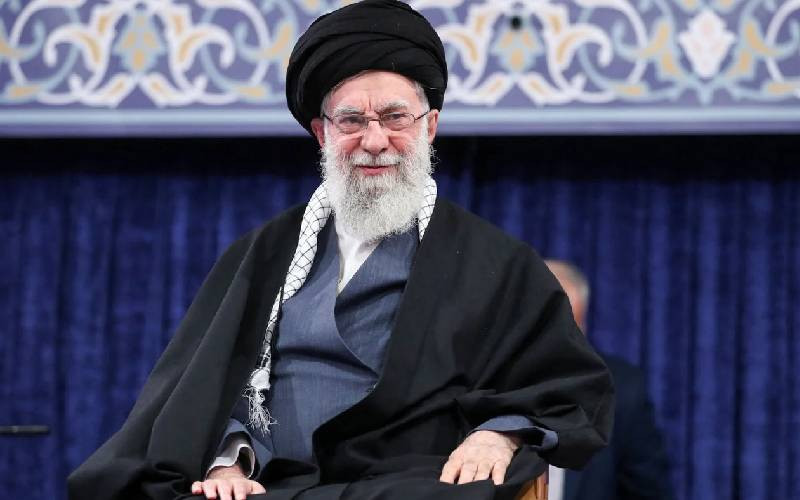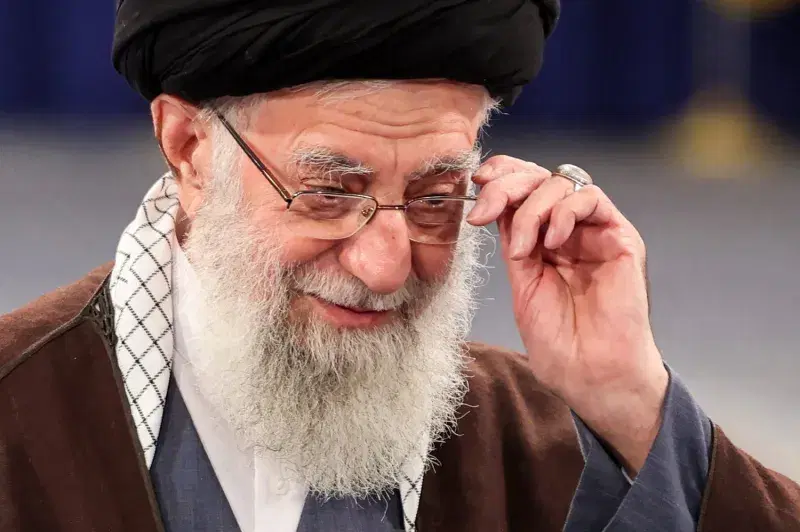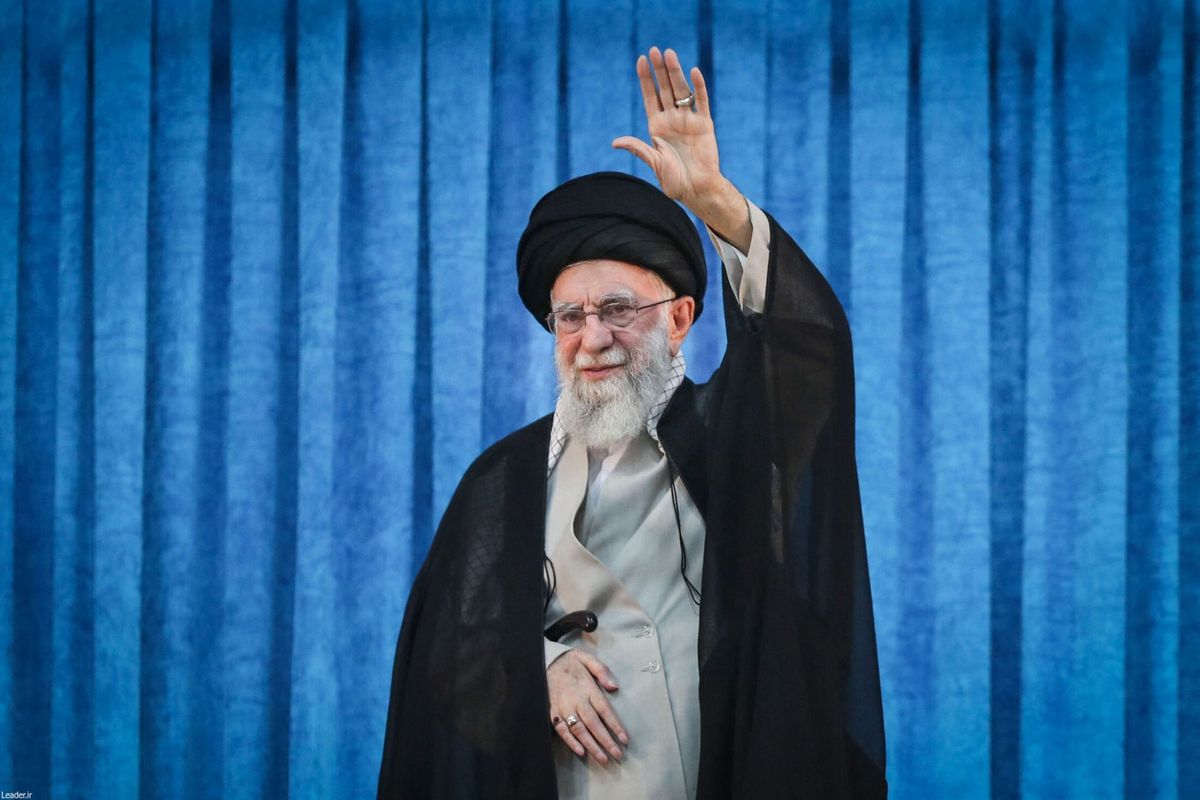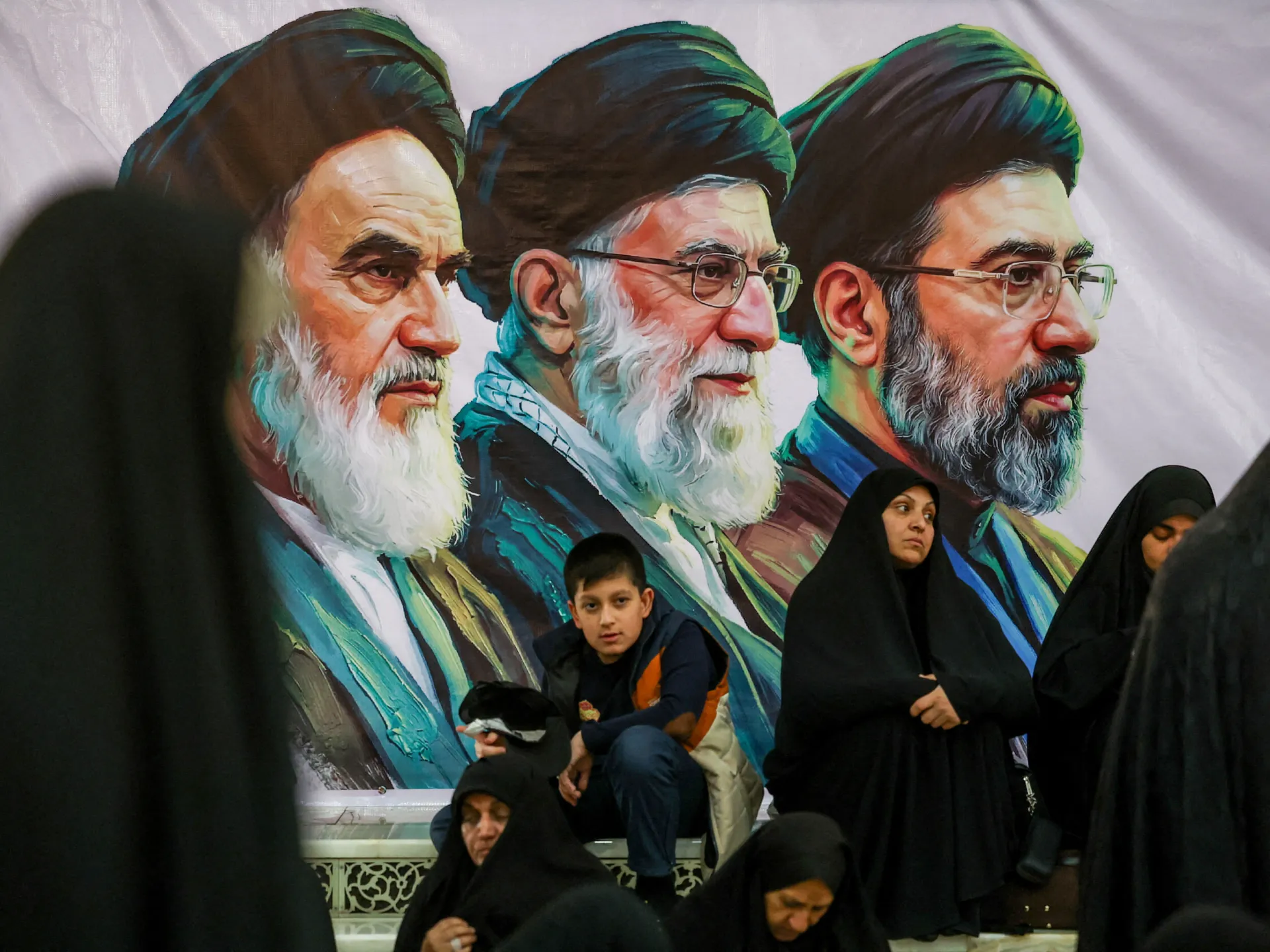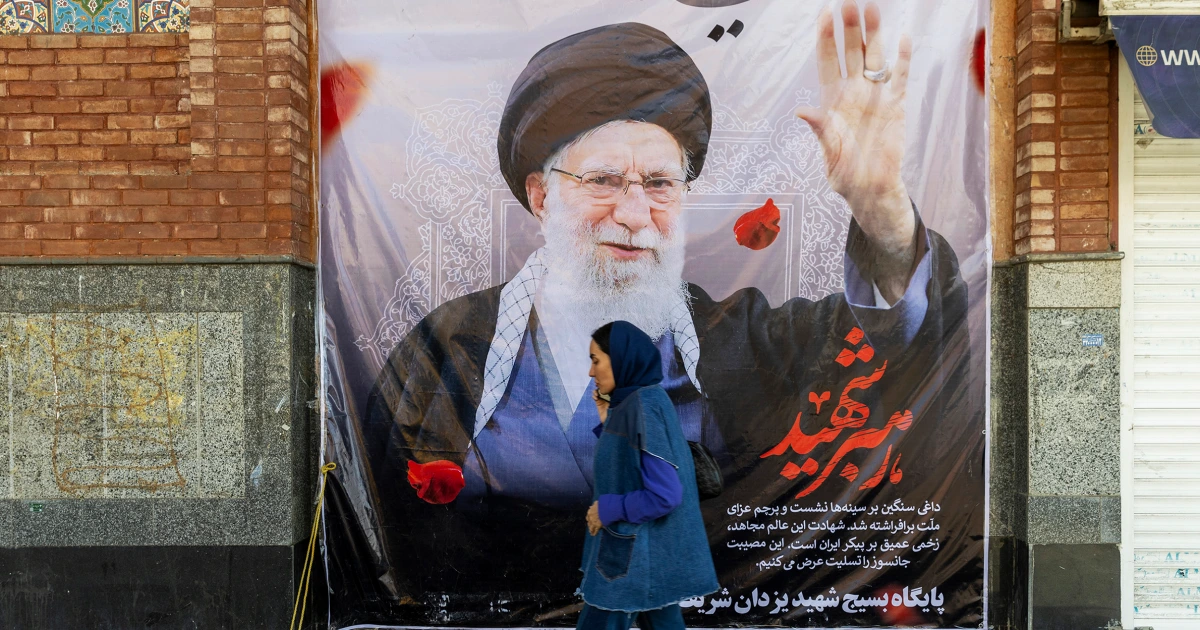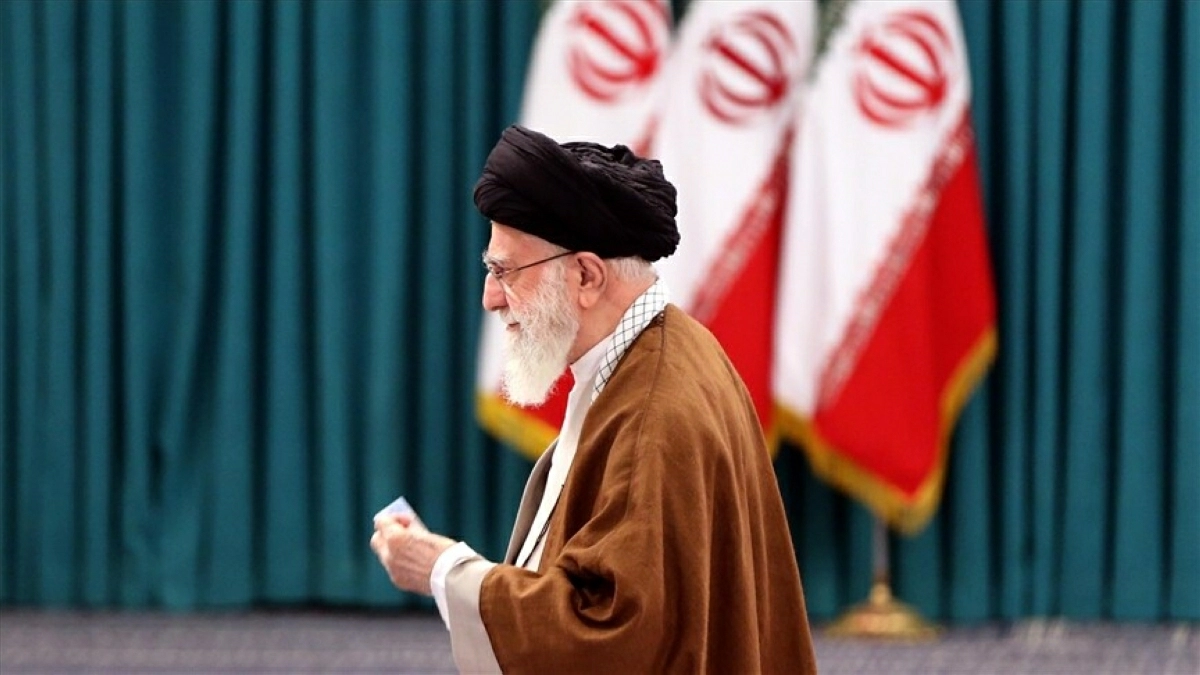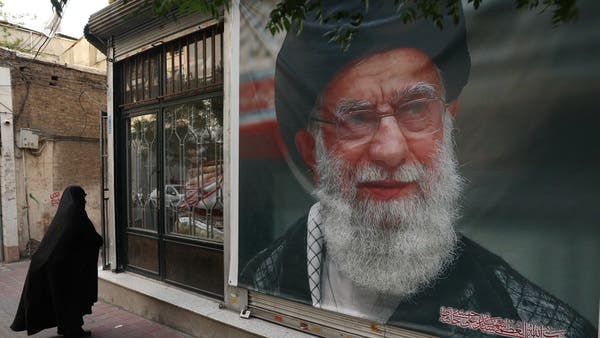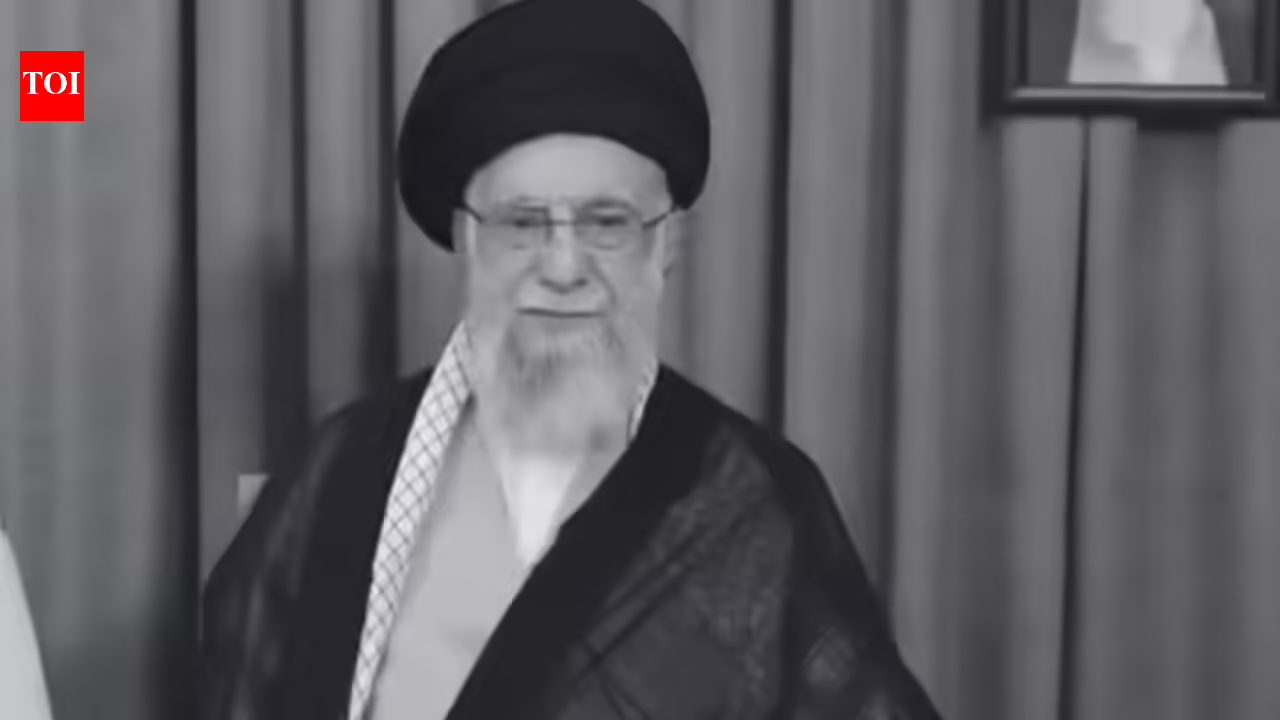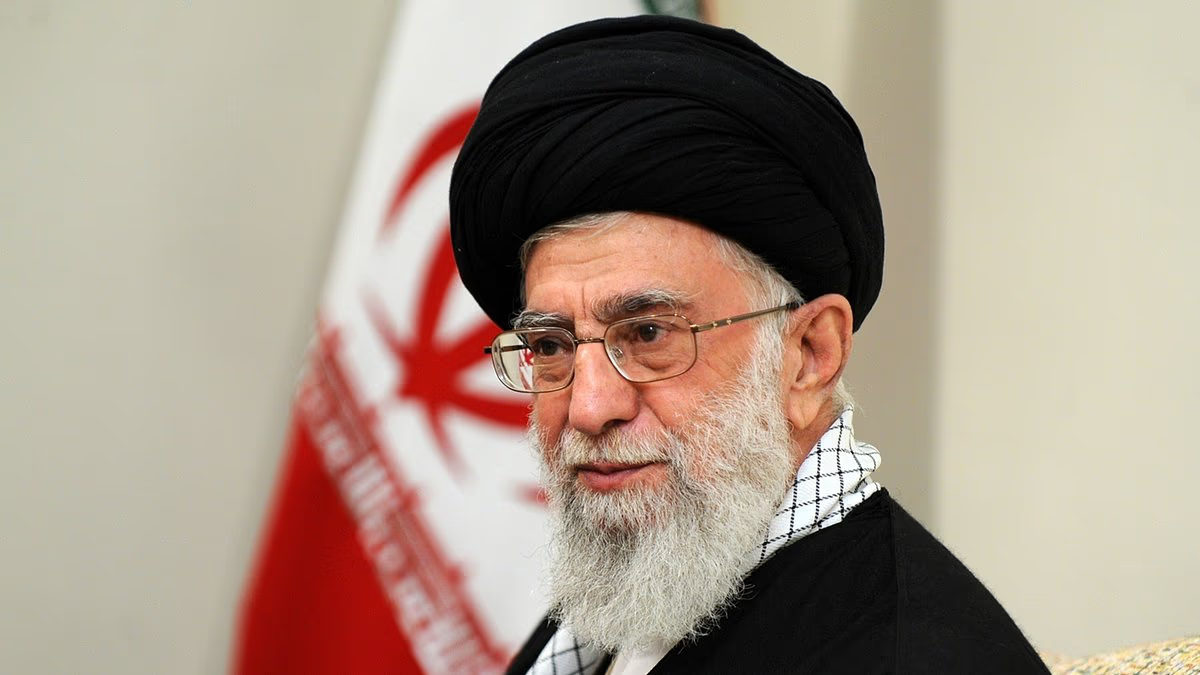
Iran's former supreme leader Ali Khamenei will be buried on July 9, state television reported Saturday.Khamenei's burial, which will take place in his hometown, the northeastern holy city of Mashhad, was initially scheduled for March but postponed due to the Iran war.The dictator ruled Iran for nearly 37 years before being killed by Israeli and US airstrikes at the start of the war on February 28. Khamenei's delayed burial has fuelled speculation about the condition of the former leader's remains. According to Iranian media reports, the bodies of officials who also died in the attack were recovered weeks later and were only identifiable through DNA testing - but no official information has been released regarding the condition or location of Khamenei's remains. But a three-day funeral ceremony will now begin in Tehran on July 4, coinciding with US Independence Day celebrations on the same day, marking 250 years of sovereignty from British rule, while a separate ceremony will be held in the holy city of Qom on July 7.Khamenei's son Mojtaba succeeded him as supreme leader in early March. Mojtaba is now the third ruler of the Islamic republic, which was established in 1979.Mojtaba was wounded in the strikes that killed his father and numerous other officials - but the new supreme leader has not appeared in public since the attack. Ali Khamenei ruled Iran for nearly 37 years before being killed by Israeli and US bombs at the start of the war on February 28 Iran's new supreme leader, Mojtaba Khamenei, is reported to have suffered significant injuries in the airstrikes that killed his fatherIranian officials have insisted that Mojtaba survived the airstrikes, escaping with only minor injuries. However, Iran International reports that the regime's new leader was more seriously wounded in the attack than previously stated. If Mojtaba is alive, any public appearance would pose a serious security risk to the regime with the threat of further attempts on his life by the US and Israel. While he remains in hiding, the only communication Mojtaba has with the outside world is through statements attributed to him which are read out on state television or posted on social media.Officials have even used AI-generated videos of their leader delivering messages, as his survival and whereabouts remain unknown. A source told CNN in March that Mojtaba had suffered 'a fractured foot, a bruised left eye and minor lacerations to his face' in the airstrike that killed his father at the beginning of the conflict.And in April, Reuters cited three sources in the leader's 'inner circle' as saying that while he was still recovering from serious leg injuries, Mojtaba's face was disfigured in the bombing. They told the news agency he 'remains mentally sharp' and that the supreme leader is issuing orders, such as negotiations with the US, via audio conferences. Yet no photos, videos or audio recordings of Mojtaba have been published since March 8, when he was appointed Iran's new supreme leader. Ali Vaez, of the non-profit organisation International Crisis Group, told CNN: 'Mojtaba is not in a state where he can actually make critical decisions or micromanage the talks. 'The system is using him to get final approval for key broad decisions and not [for] the tactics for the negotiations...'Mojtaba is missing in action, so attributing views to him is a good cover for Iranian negotiators to protect themselves from criticism.'The uncertainty over Mojtaba's condition and whereabouts comes after Donald Trump last night handed Iran a major nuclear concession as the warring nations edge closer to a peace deal. The US President has agreed to let the regime retain its civilian nuclear programme in a significant compromise that could see Washington and Tehran reach a final agreement.A senior White House official said: 'We're not bothered at all by the idea of civilian power plants in Iran.'What we're bothered by is the type of infrastructure that would allow them to jump from civilian power generation to nuclear weapons development.'The official pointed to how the UAE has a civilian nuclear power programme that could not be turned into a bomb-making operation. Meanwhile Iranian foreign minister Abbas Araghchi said the deal is in its final stages, while laying out what they want out of Washington.That includes Israel's withdrawal from Lebanon and Tehran's continued control over a reopened Strait of Hormuz and a 'service fee' for commercial ships.Araghchi added that he wants a two-part pact to end the war - a memorandum of understanding followed by a lasting peace deal build on the nuclear issue and the lifting of sanctions.
Iran's former Supreme Leader Ali Khamenei will be buried on July 9
Khamenei's burial, which will take place place in his hometown, the northeastern holy city of Mashhad, was initially scheduled for March but postponed due to the Iran war.
TL;DRAI
Khamenei killed Feb 28, buried July 9; successor Mojtaba absent from public since March after serious injuries. Regime's reliance on AI videos underscores synthetic media verification and deepfake detection as enterprise security priorities.
757 words~3 min read