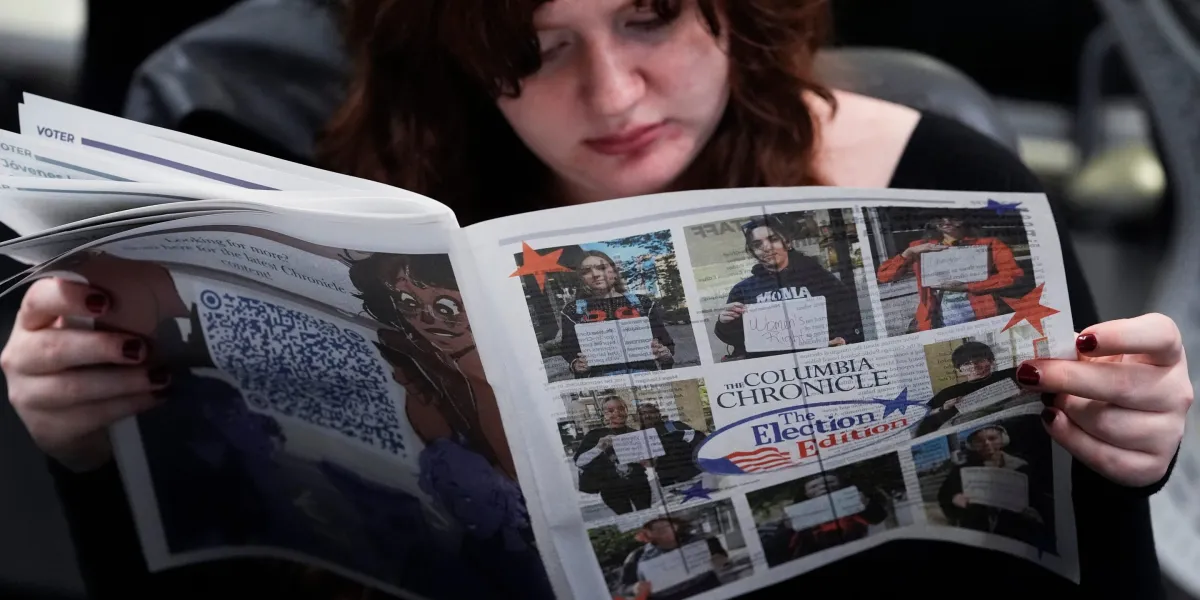
Over 100 years ago, German sociologist Werner Sombart famously asked, “Why is there no socialism in the United States?” For Sombart, the answer was America’s unusual prosperity, social mobility, and weak class consciousness.It is that weak class consciousness that truly separates America from much of the rest of the world. Like any nation, the U.S. has always had rich and poor, but Americans have not traditionally thought of themselves primarily as “rich” or “poor.” Compared with people in many other countries, Americans have been less likely to see themselves as members of fixed classes set apart from one another. One big reason is that America has long had a common culture.From the beginning, revolutionary America had a remarkably print-driven common culture. Newspapers, pamphlets, public letters, sermons, and broadsides circulated arguments and slogans far beyond elite circles. Taverns and pubs served as early common meeting places where people across a community could gather. Farmers, artisans, merchants, lawyers, and sailors were all welcome at the bar.
The printing press only became more efficient as the young country grew, allowing the penny press and dime novels to spread the same daily news, crime stories, politics, gossip, and sports to workingmen, clerks, shopkeepers, and professionals alike. Sports became a particularly democratizing pastime, as rich and poor, urban and rural Americans alike read the latest box score every day before later huddling around radios and televisions.