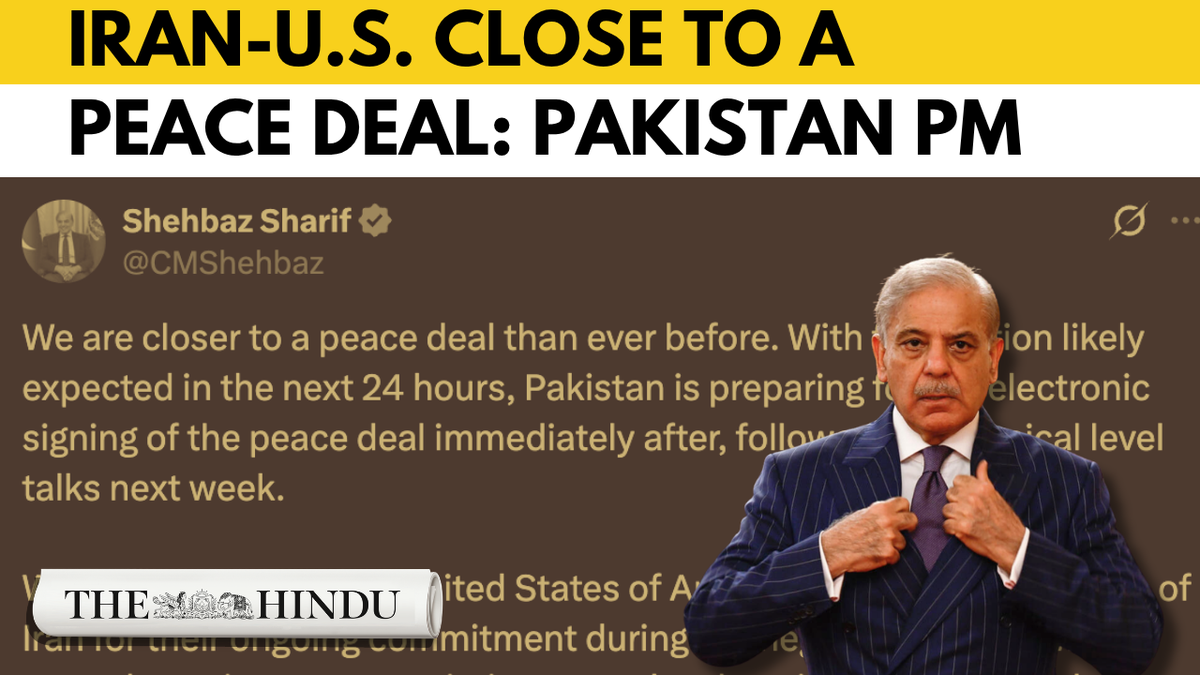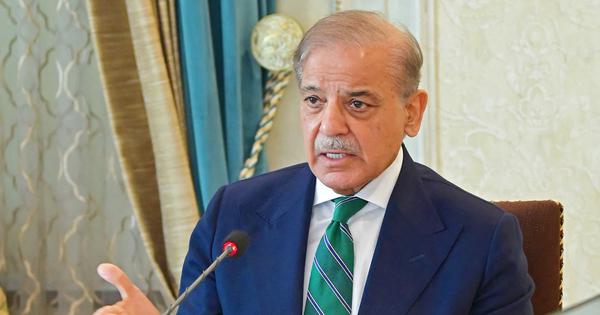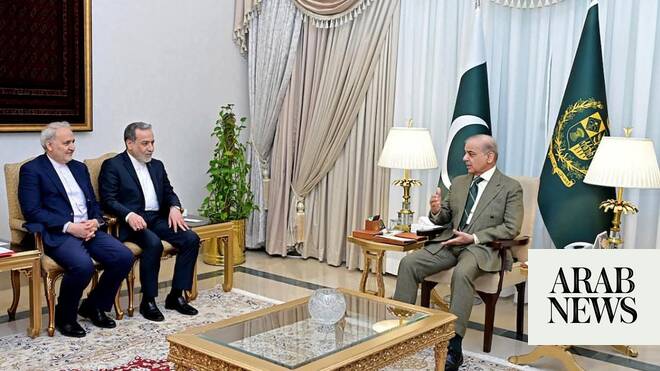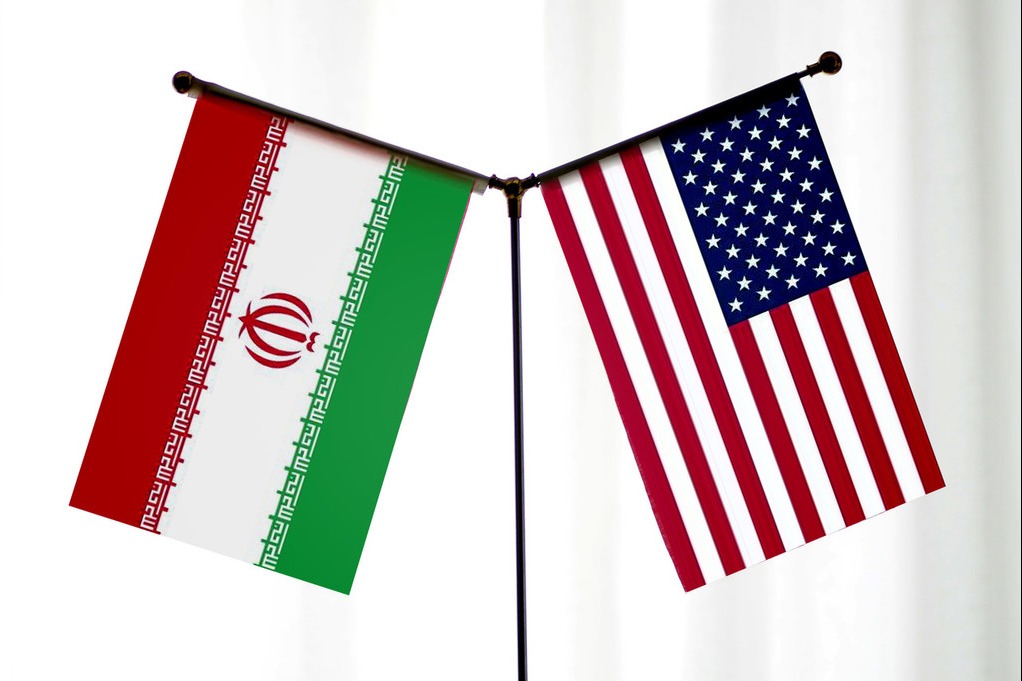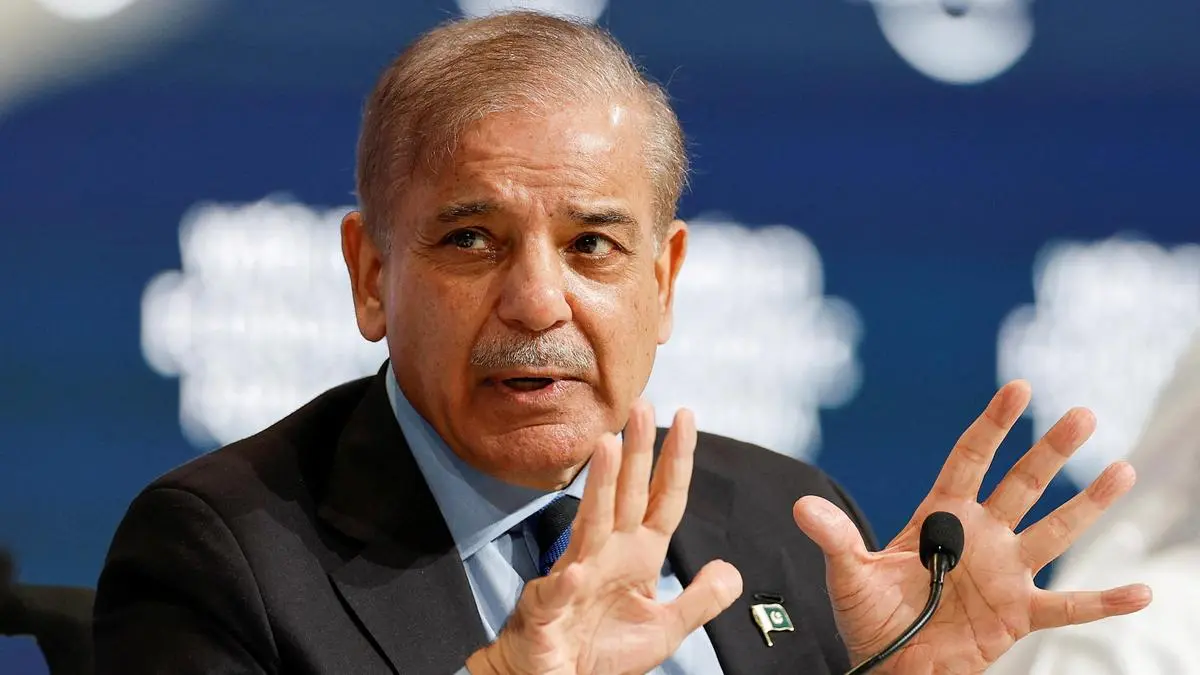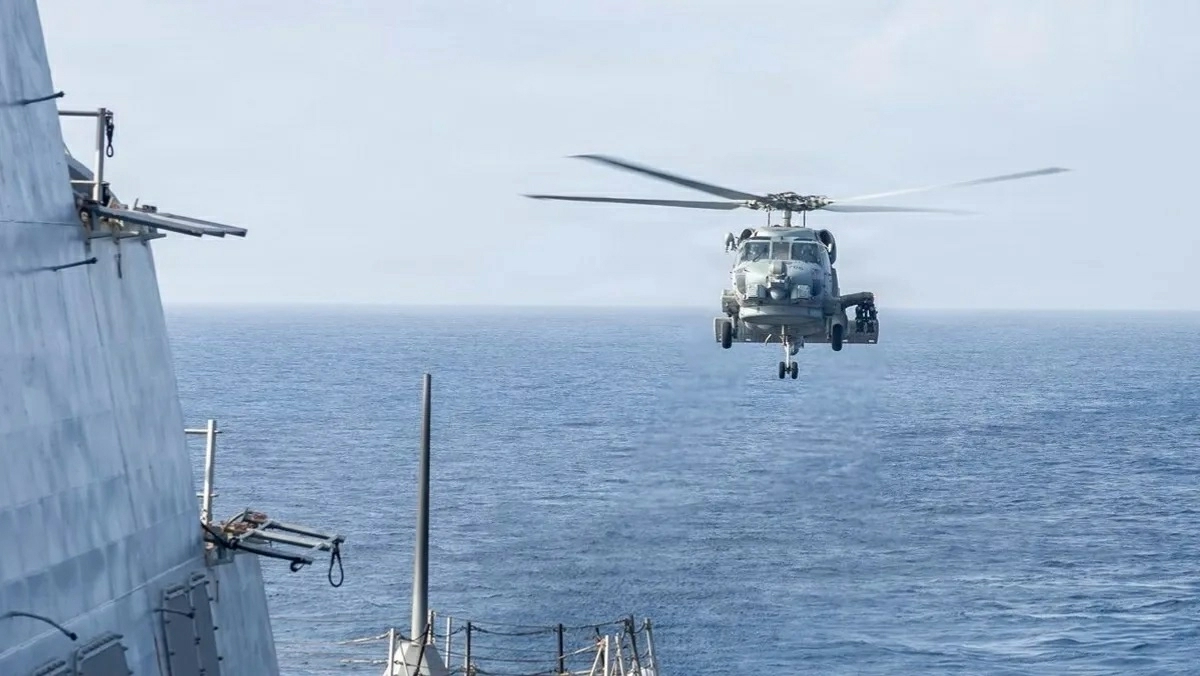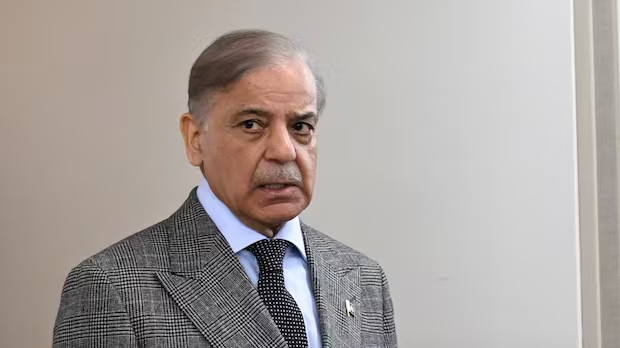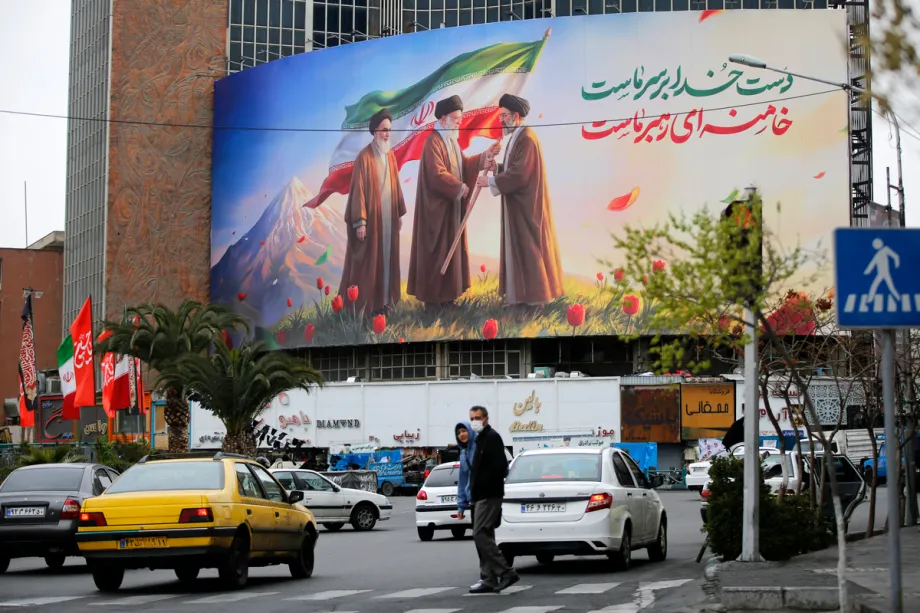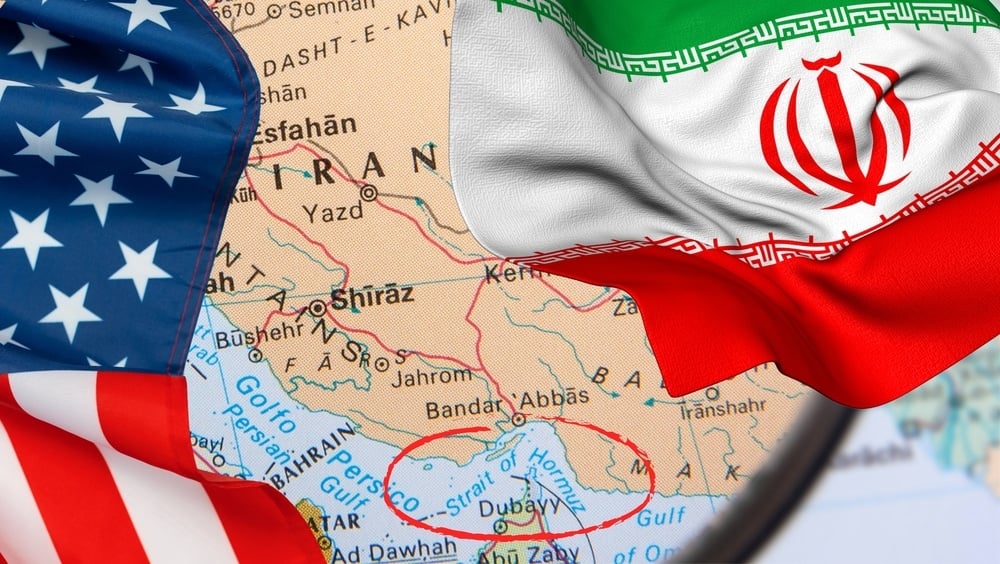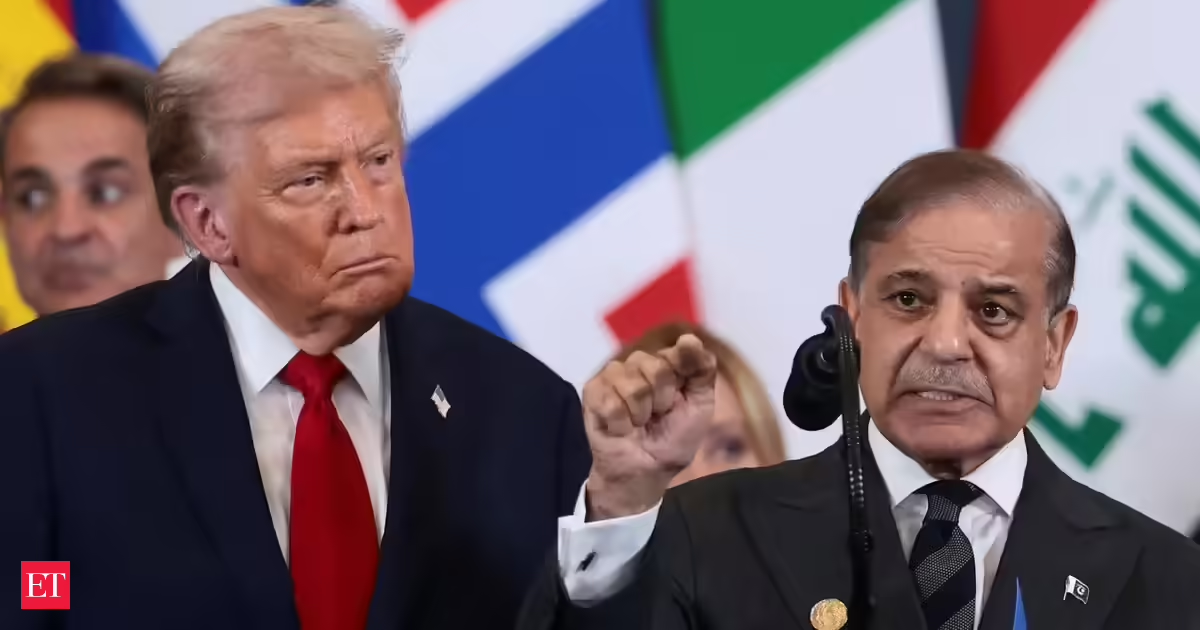
Pakistan Prime Minister Shehbaz Sharif said on Saturday that the United States and Iran have agreed upon the final text of a peace deal that could end the months-long conflict in the Middle East, with an electronic signing expected within the next 24 hours."We are closer to a peace deal than ever before. With finalisation likely expected in the next 24 hours, Pakistan is preparing for the electronic signing of the peace deal immediately after, followed by technical level talks next week," Sharif posted on X.Also read: US military's plan for ground operation to seize Iran's Uranium was paused by Trump: Report"We would like to thank the United States of America and Islamic Republic of Iran for their ongoing commitment during the negotiations, and we extend our sincere appreciation to our brothers in the region for their support. We are confident that this historic peace deal will form a strong foundation for lasting peace," he added.Iranian Foreign Minister Abbas Araghchi also signalled progress, saying the Islamabad Memorandum of Understanding is closer to finalisation than ever before.A senior Trump administration official said the US and Iran could sign a deal in the next few days, but cautioned that Washington is not "100 per cent" confident the memorandum of understanding will be signed at all.US Vice President JD Vance also moved to address domestic concerns, dismissing what he called "a lot of fake information" circulating about the deal. "The Iranians are not receiving any cash, and no funds are being released for simply signing a deal or attending a meeting," Vance said.What the deal involvesSources laid out the terms of the potential deal to CBS News, which they said included a 60-day ceasefire extension, the reopening of the Strait of Hormuz, and, in principle, Iran committing not to enrich uranium for 15 to 20 years, during which time it would also dismantle its nuclear sites.Nuclear-related terms would be finalised in the 60 days after the initial agreement is signed, with the option to extend that period, Iranian FM Araghchi said. On the Strait question, Iran has indicated it wants a deal that allows Tehran to charge ships for services rendered when they transit the Strait of Hormuz, a toll system the US and other nations say violates international law.The conflict began on February 28, 2026, after the United States and Israel conducted airstrikes on various Iranian military targets. In response, Iran closed the Strait of Hormuz to all foreign shipping.Also read: Iran peace deal looms while new military action flares near Strait of HormuzThe closure choked roughly 25 per cent of the world's seaborne oil trade and 20 per cent of global LNG supplies, triggering a fuel crisis and damaging shipping operations across the region.Pakistan brokered an initial ceasefire in early April, with Sharif announcing that Iran and the US, along with their allies, had agreed to an immediate ceasefire "everywhere including Lebanon." Pakistan's capital Islamabad subsequently hosted both delegations for talks aimed at reaching a conclusive agreement.Oil futures closed on Friday near some of their lowest levels since the start of the US-Iran war, as the Trump administration expressed confidence that the two sides are on the verge of a deal that could reopen the Strait of Hormuz to oil tanker traffic.
Pakistan PM says US-Iran peace deal signing expected within 24 hours
Pakistan's Prime Minister Shehbaz Sharif announced a significant development. The United States and Iran have reached an agreement on a peace deal framework. This accord is set to end the ongoing conflict in the Middle East. A final text has been agreed upon. Pakistan is now preparing for an electronic signing ceremony.
541 words~2 min read