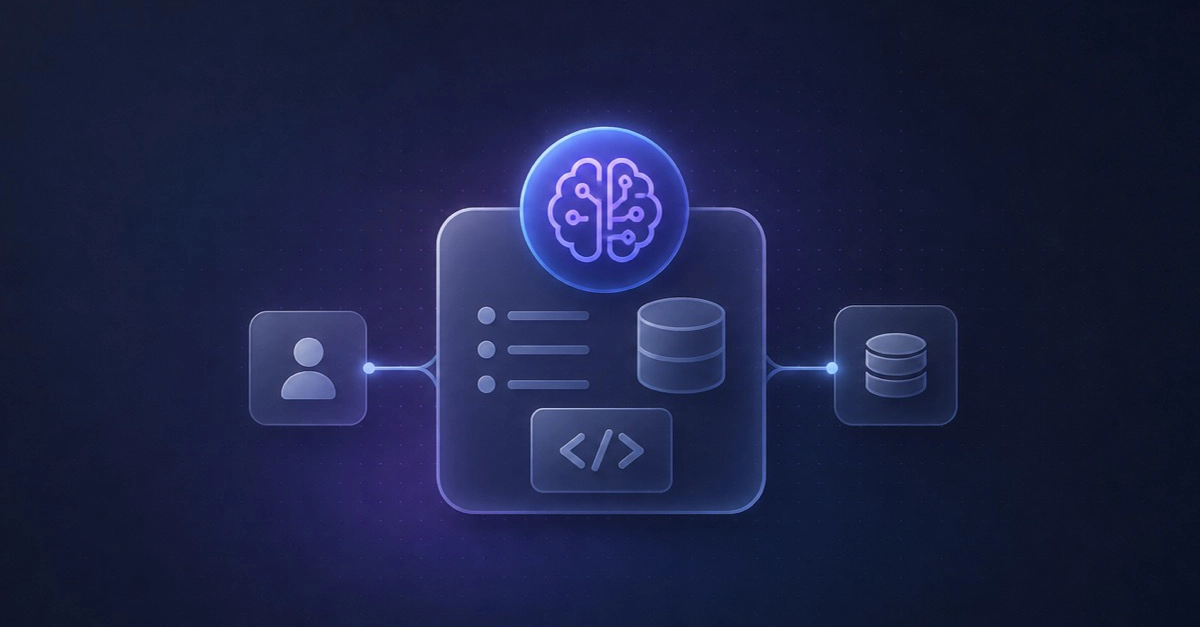
Database sprawl is the silent killer of fast AI development. If you’ve ever built an AI product with user intent, recommendations, or intelligent routing, you’ve fought this pain: juggling a transactional store, a vector engine for semantic search, and a third database for relationship graphs. Every added system means ETLs, sync jobs, and a mess of APIs. What changes if all of that disappears? Google Cloud Spanner just shipped as a real multi model database — meaning it can serve relational, vector, graph, and analytic workloads directly, under global consistency. Building Google Cloud Spanner multi model database apps is shifting from slog to flow.
Let’s see how this powers a real-world AI Travel Planner for San Francisco, delivered start to finish with Vibe Coding that finally lets data and AI talk — without glue code. This isn’t blue-sky, it’s running now. Here’s what it enables, and how you can build with it today.
What is Google Cloud Spanner Multi Model Database and why does it matter?
Spanner’s claim isn’t incremental. For over a decade, Spanner has backed Gmail, YouTube, and Google Photos — handling over 6 billion queries per second at peak, spanning 17 exabytes, with five 9s (99.999%) availability and globally distributed consistency. That scale isn’t up for debate.