June 13, 2026
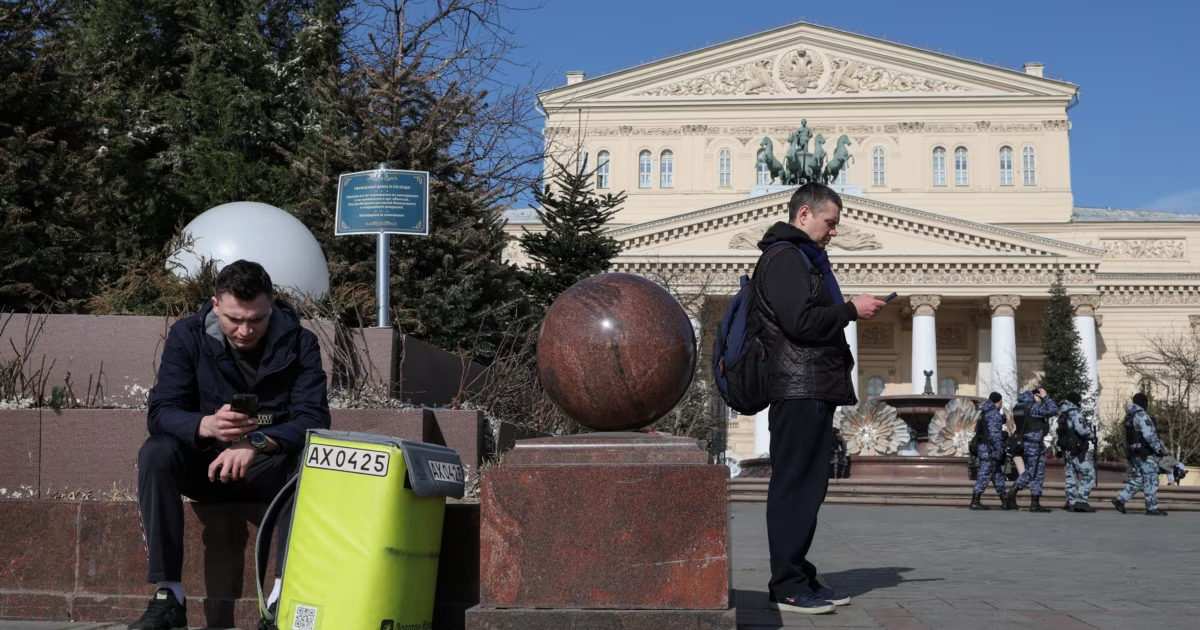
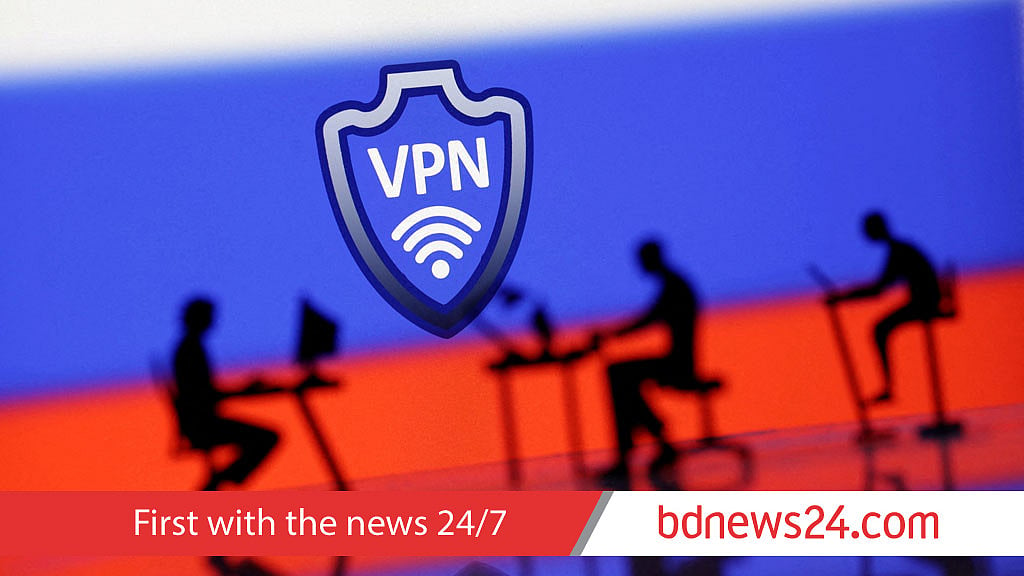
In a quiet cafe popular for its free Wi-Fi and good coffee, a Russian interior designer logs onto a virtual private network so she can chat with friends abroad using the US messaging service WhatsApp, which is blocked inside Russia.
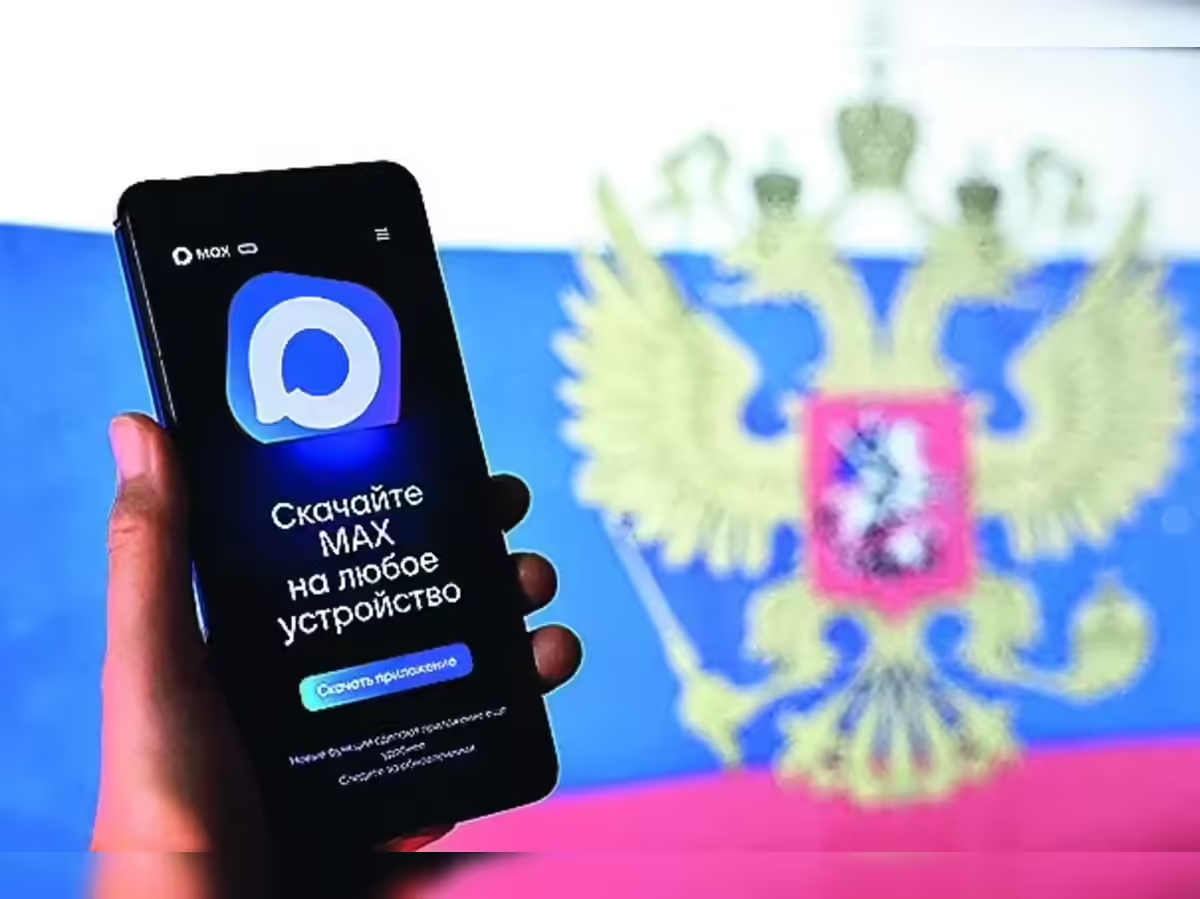
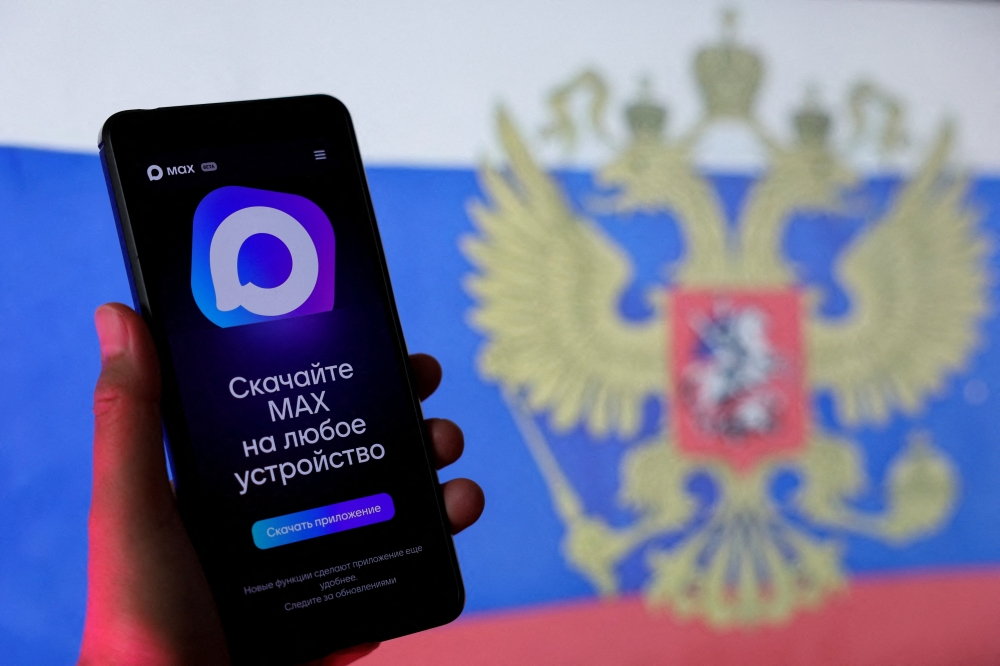
Later, she toggles off the VPN to buy a ticket on the Russian Railways website, which bars anyone using the tools to obscure their location. She then picks up a second phone to check for messages from clients on the state-controlled app MAX.
Since the Kremlin ratcheted up control over the internet this year, Russians have been turning to increasingly convoluted technical solutions to circumvent state monitoring and restrictions on popular foreign apps like Meta Platforms' WhatsApp and the Telegram messenger.
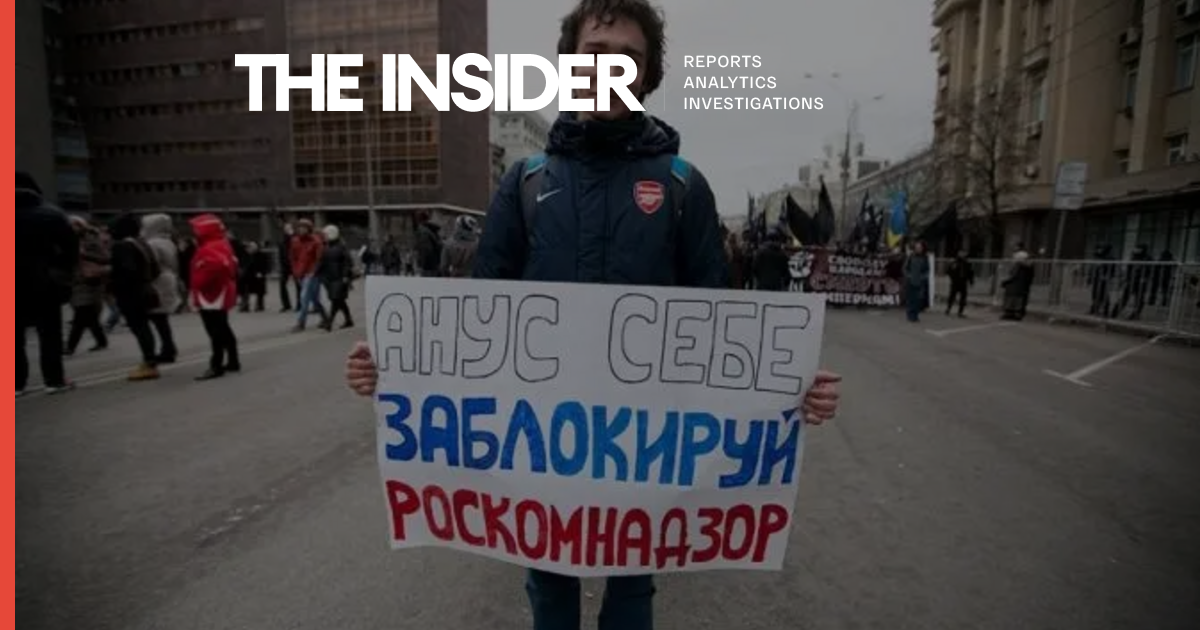
The biggest crackdown of its kind under President Vladimir Putin has at times disrupted banking, transport and e-commerce, irritating people ahead of a September parliamentary election, according to statements from Kremlin-friendly opposition parties, prominent bloggers and business leaders. Even some social media influencers, who usually stay clear of politics, criticized the restrictions.