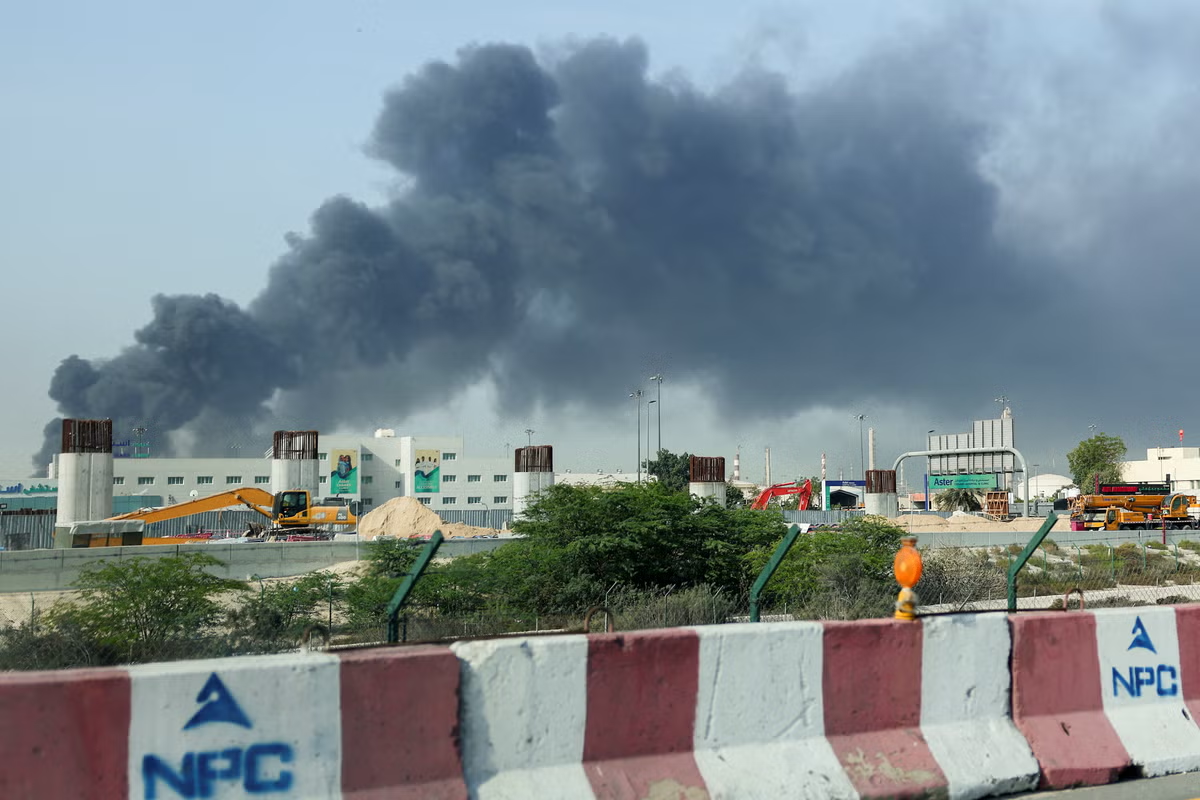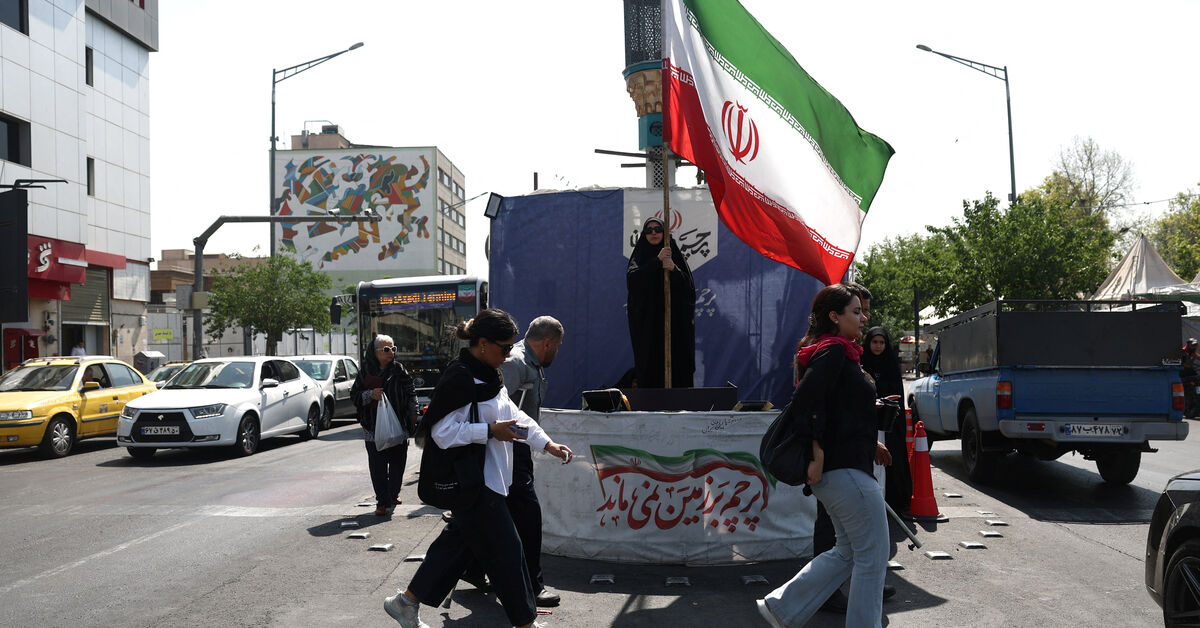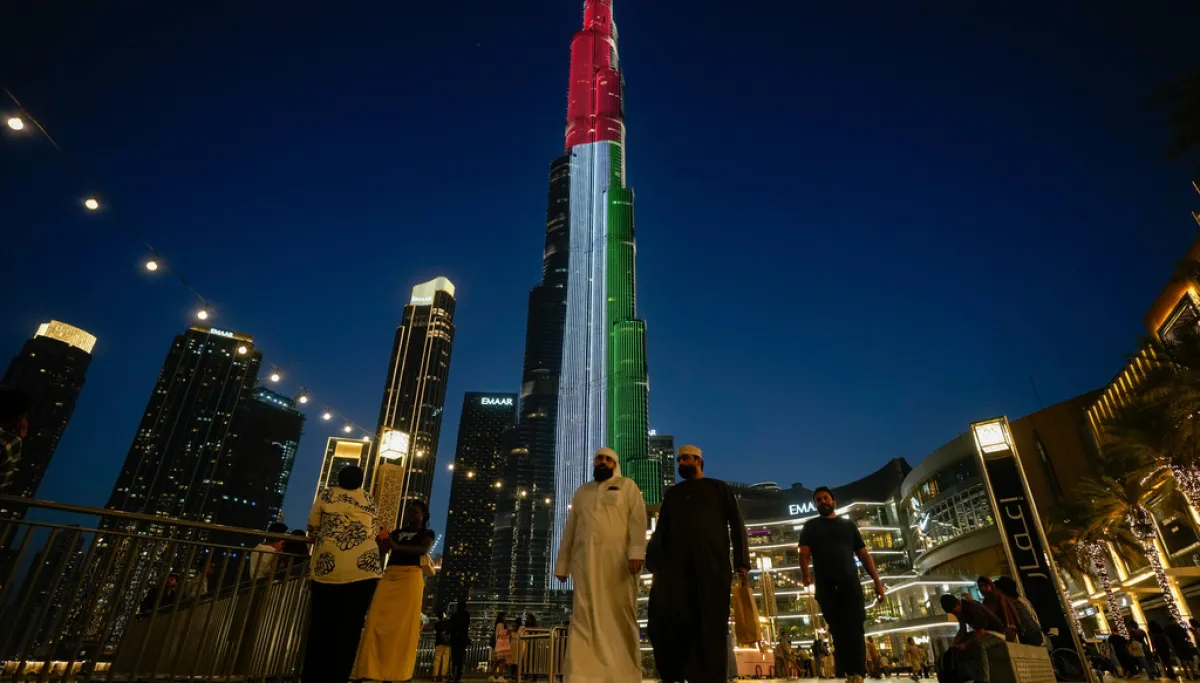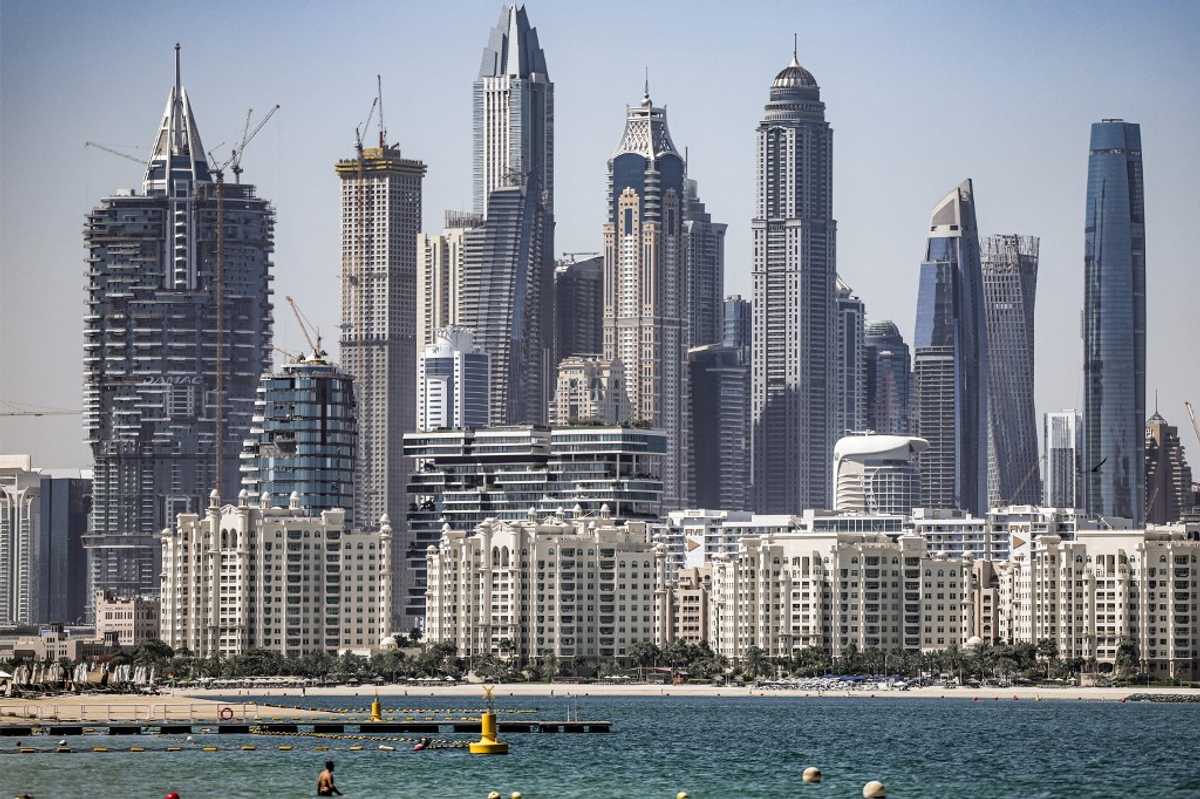
The United Arab Emirates (UAE) is prepared to release billions of dollars to Iran in a sweeping financial maneuver intended to defuse intense geopolitical volatility across the Middle East and safeguard global energy shipping lanes, Reuters reported. A multi-billion dollar security premium Abu Dhabi has agreed to a framework that could unblock between $10 billion and $20 billion for Tehran. Sources close to the matter reveal that the initiative is already active, with upwards of $3 billion reportedly transferred to Iranian channels.JOIN US ON TELEGRAMFollow our coverage of the war on the @Kyivpost_official. The cash injection is strategically timed to coincide with the highly sensitive, final phases of broader bilateral negotiations between the US and Iran to bring an end to their months-long conflict. The arrangement focuses on unfreezing massive tranches of Iranian oil revenues that have been locked up in foreign banking institutions under the weight of primary US sanctions. While the exact mechanics of the transfer remain classified, officials could not definitively clarify whether the funds originate directly from Emirati state coffers, frozen Iranian accounts within the UAE banking system, or alternative international accounts. The underlying transaction functions as a direct security trade-off. In exchange for the financial windfall, Tehran is expected to permanently cease its ongoing ballistic missile and one-way drone attacks directed at Emirati territory and infrastructure. Responding to the disclosures, Abu Dhabi released an official statement reaffirming that its contemporary foreign policy remains rigidly focused on regional de-escalation, the reduction of operational tensions, and the active preservation of regional peace.
Financial Diplomacy: UAE Moves to Unlock Billions for Iran to Secure Maritime Peace
The UAE is preparing to unfreeze between $10 billion and $20 billion in assets for Tehran as part of a massive back-channel deal to stop drone attacks and open the Strait of Hormuz.
TL;DRAI
UAE releases $10–20B in frozen Iranian assets for permanent halt to missile attacks, securing Strait of Hormuz transit lanes. Global energy supply chain stabilization reduces capex volatility and operational risk for tech infrastructure investments.
718 words~3 min read